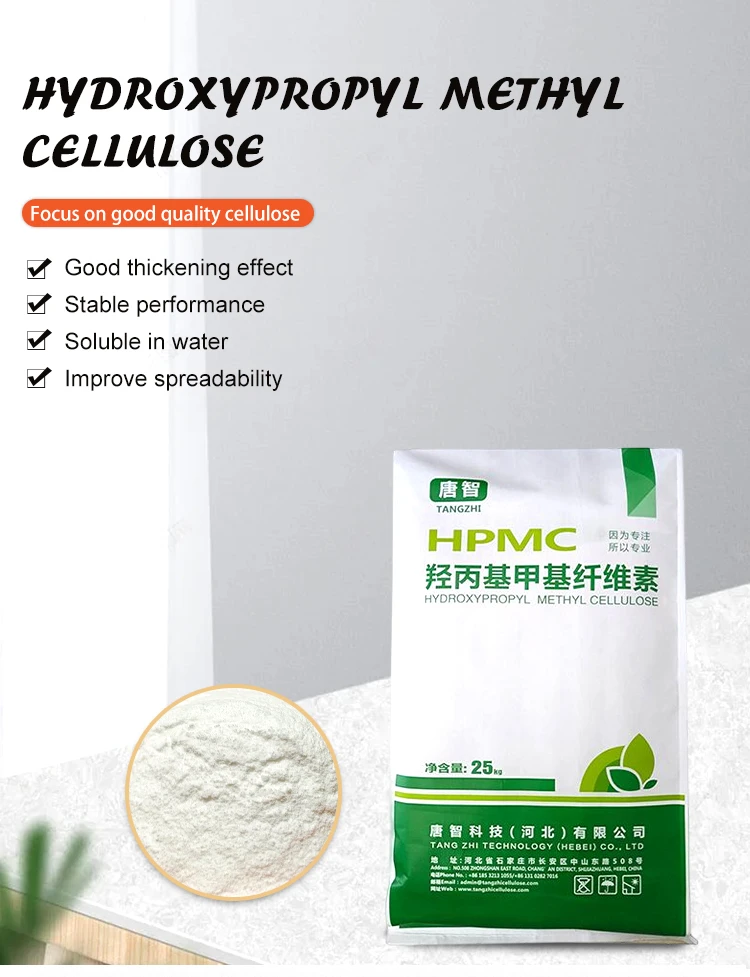
PVA and PP Fiber in Construction: Smarter Solutions for Stronger Structures
In the construction industry, innovation isn't always about brand-new materials—it often lies in how we apply existing ones. Two such unsung heroes are polyvinyl alcohol powder (PVA) and polypropylene (PP) fiber concrete. These materials enhance the durability, finish, and efficiency of concrete and plastering work. From PVA ceiling before plastering to improving structural strength with pp fiber concrete, builders are finding smarter, cost-effective ways to raise the standard of modern construction.
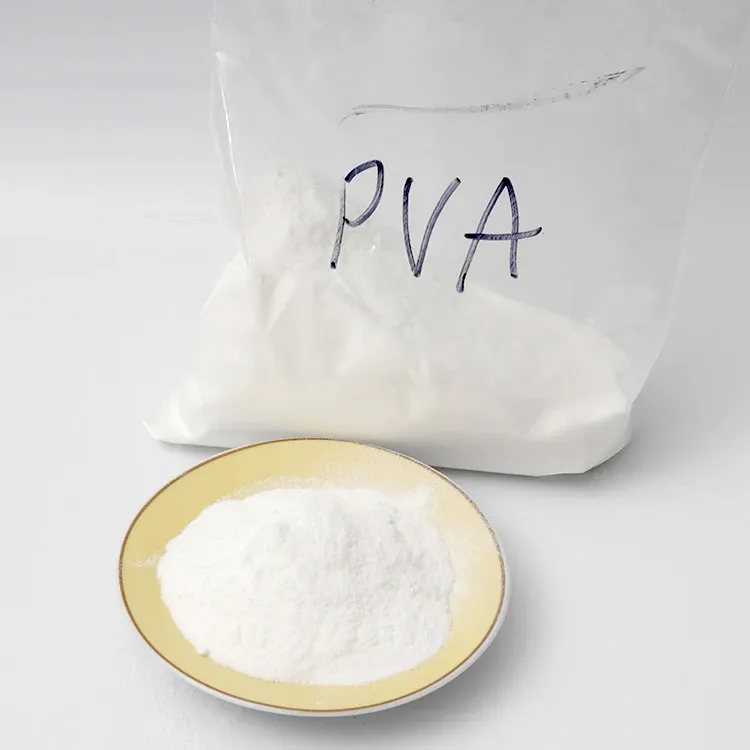
PVA: More Than Just a Binder
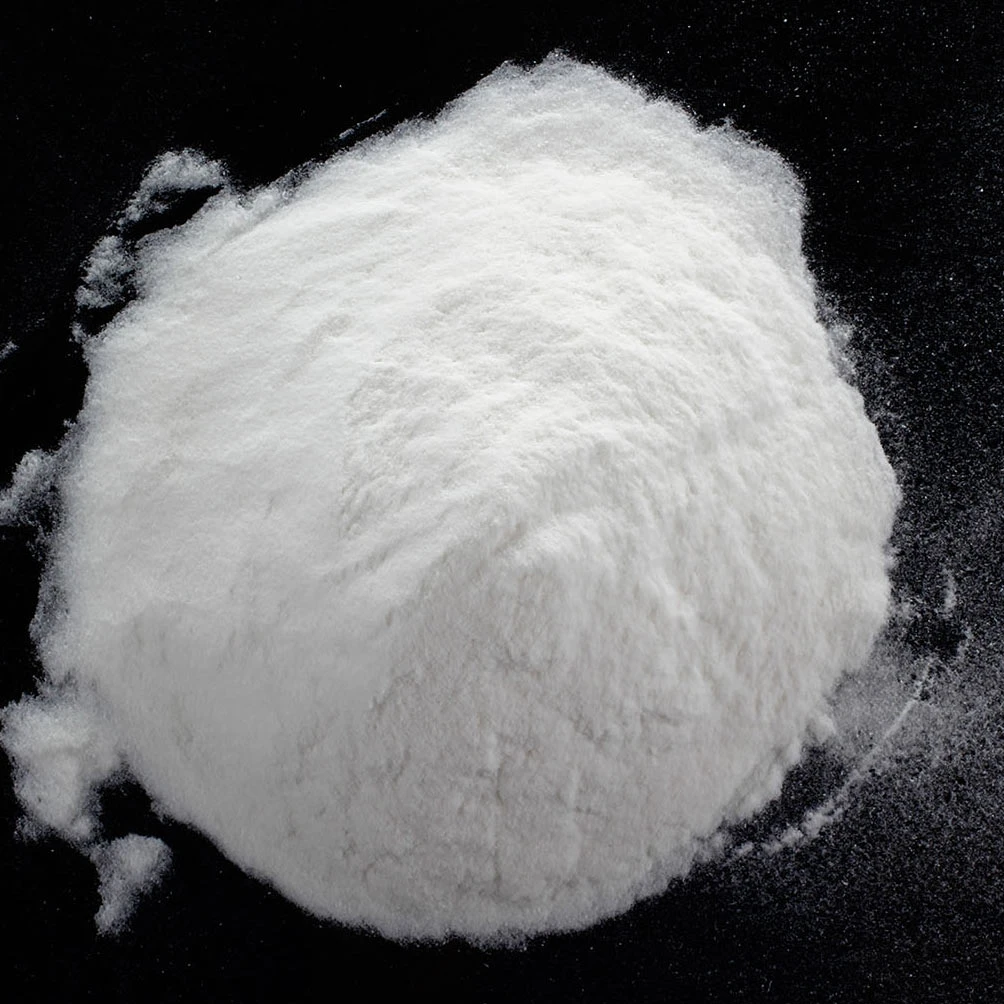
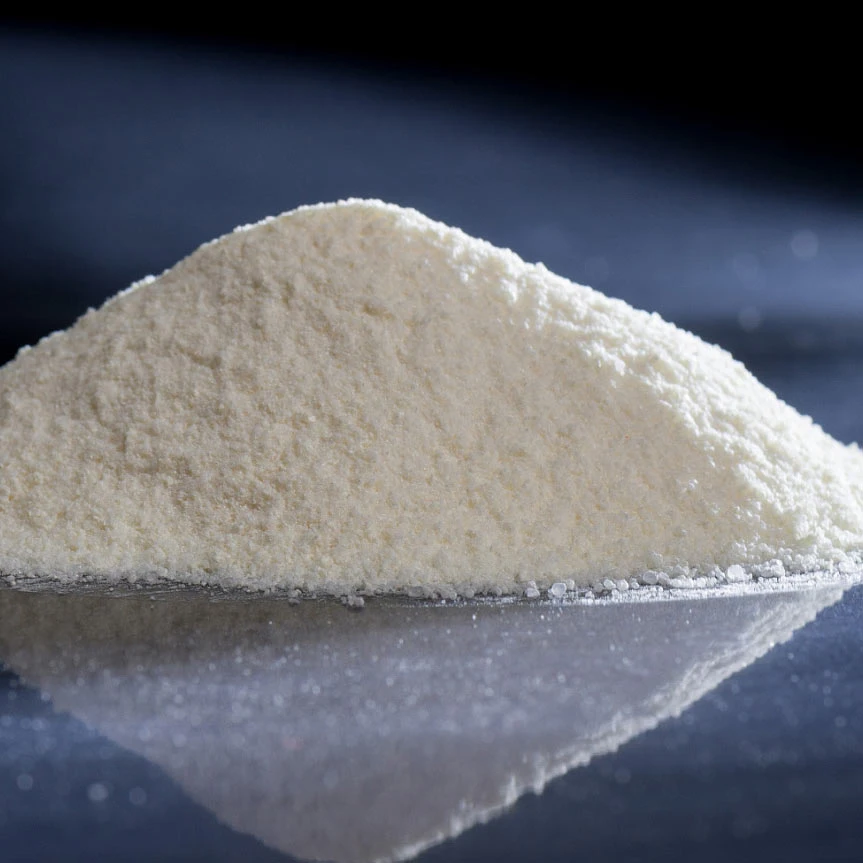
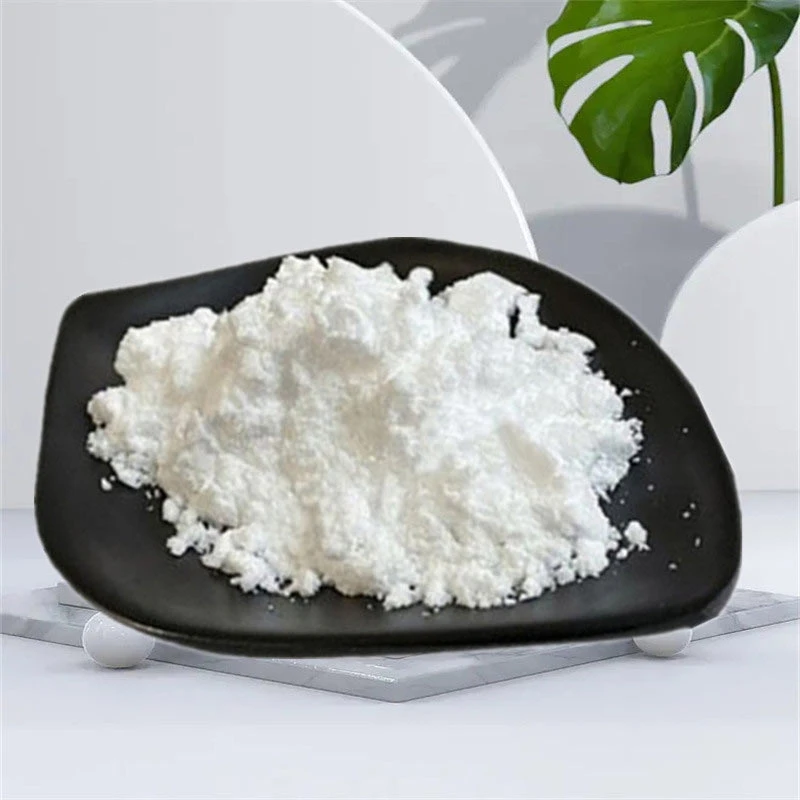
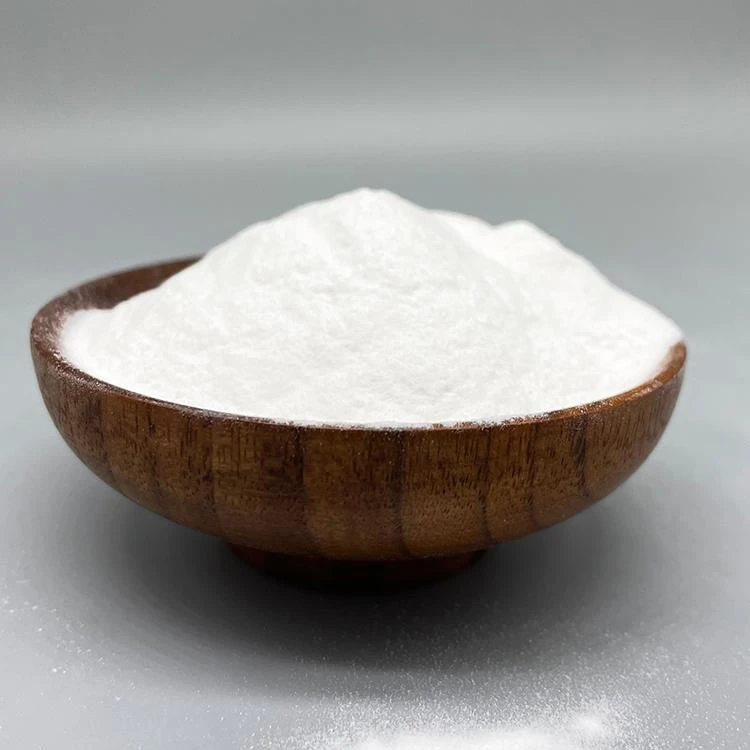
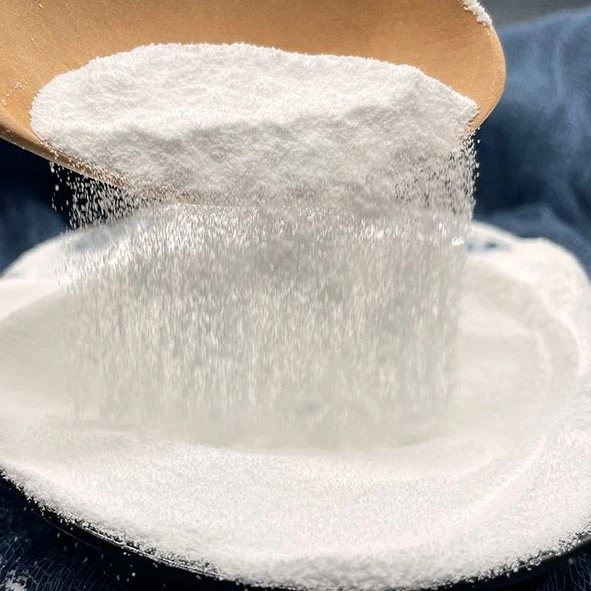
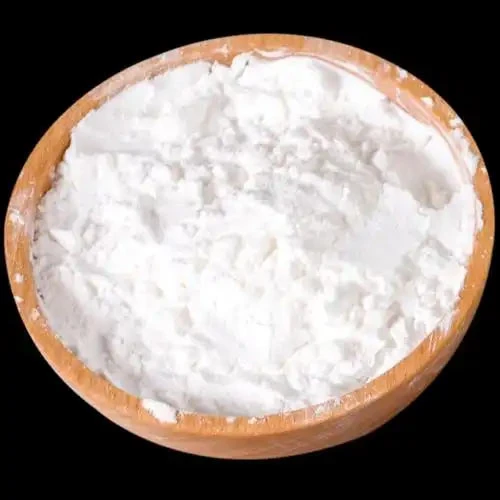
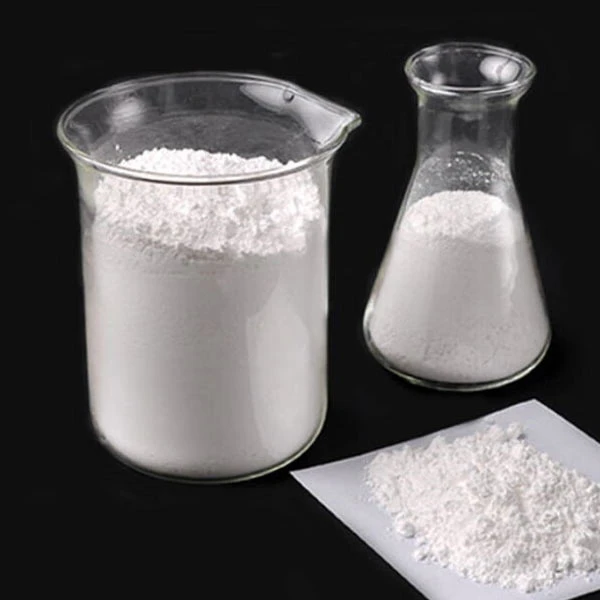
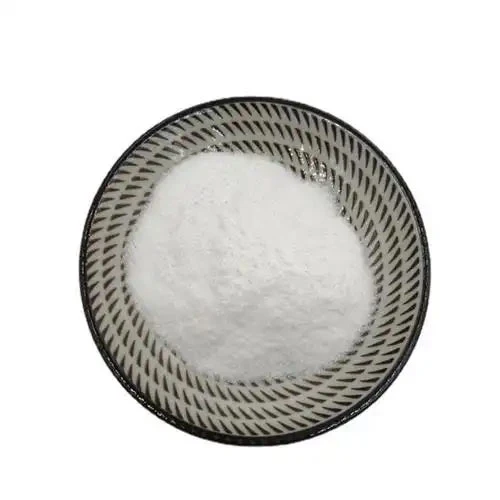
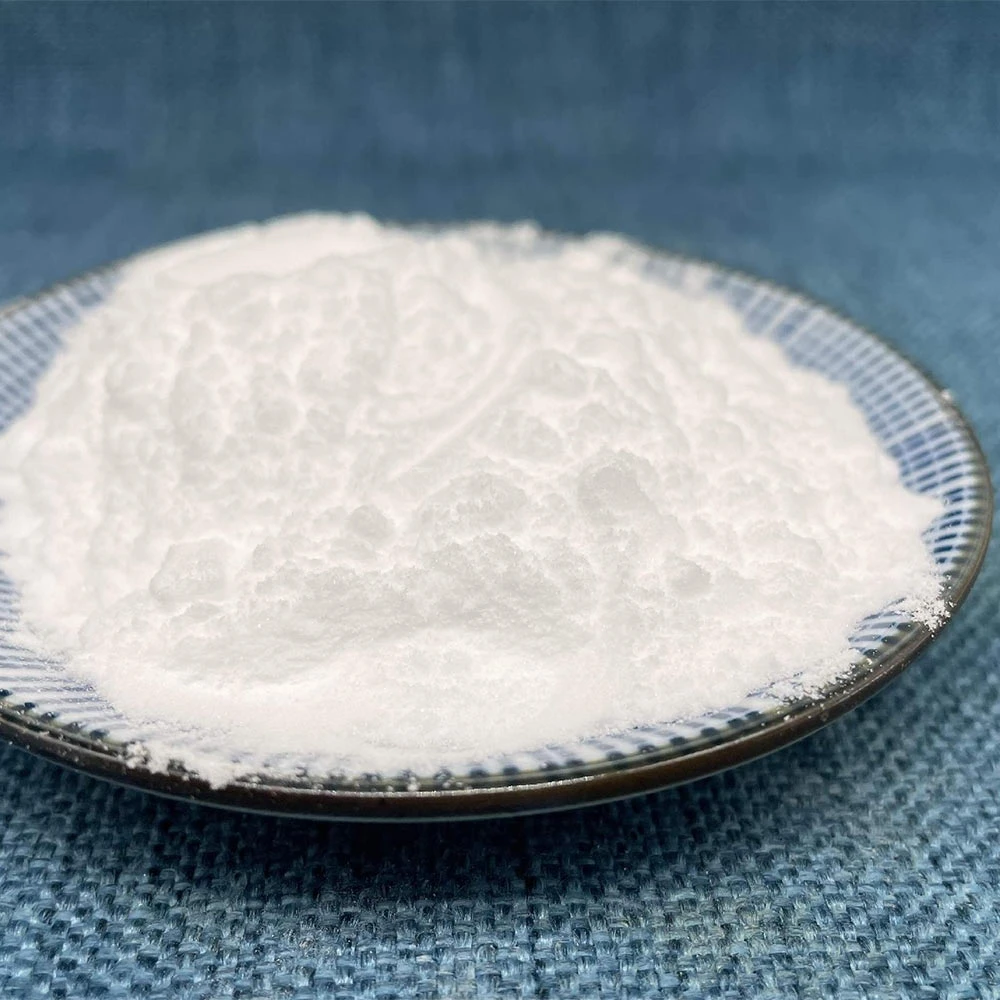
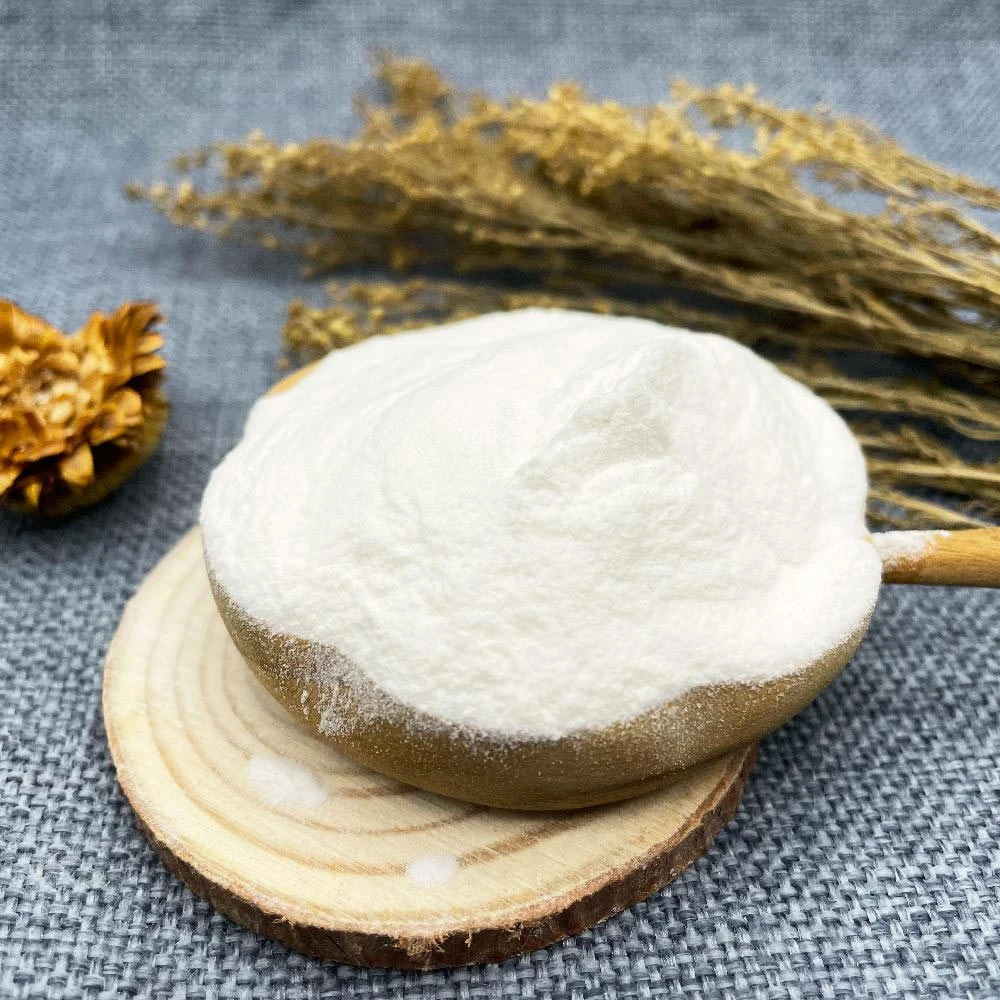
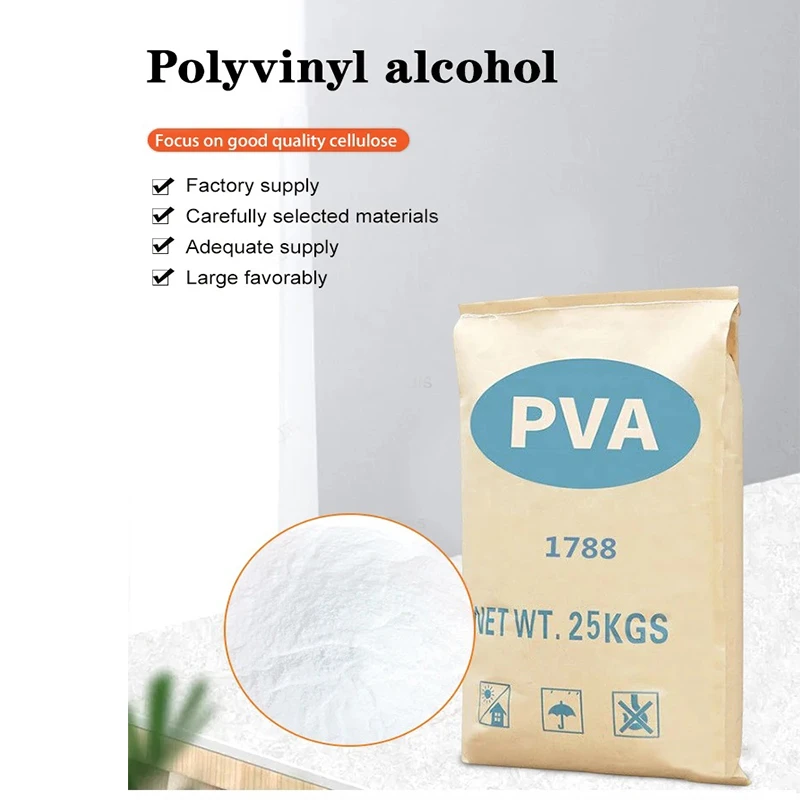
Polyvinyl alcohol powder is a water-soluble synthetic polymer that plays multiple roles in construction, particularly as a bonding agent. It can be found in several formats, including bulk PVA bags, which are popular in large-scale operations due to convenience and cost savings.
One common method is adding PVA to mortar. Doing so enhances the mortar’s adhesion, flexibility, and crack resistance. It's particularly effective in interior applications where a smooth and durable finish is required.
Using PVA before plastering is another widespread practice. When applied to surfaces such as concrete ceilings or walls—hence the practice of PVA ceiling before plastering—the solution acts as a primer. It helps the plaster adhere better, prevents dusting, and reduces the chances of delamination.
The chemical characteristics of PVA make it safe to handle when proper guidelines are followed. Contractors and manufacturers often consult the polyvinyl alcohol MSDS (Material Safety Data Sheet) to ensure proper storage and safety protocols. Since PVA is non-toxic and biodegradable, it also meets many environmental standards.
Interestingly, PVA’s uses extend beyond structural applications. In decorative finishes, polyvinyl alcohol paint provides a smooth, glossy coating that resists water and dust. This type of paint is often used in art projects or specialized surfaces requiring easy cleaning and a polished look.
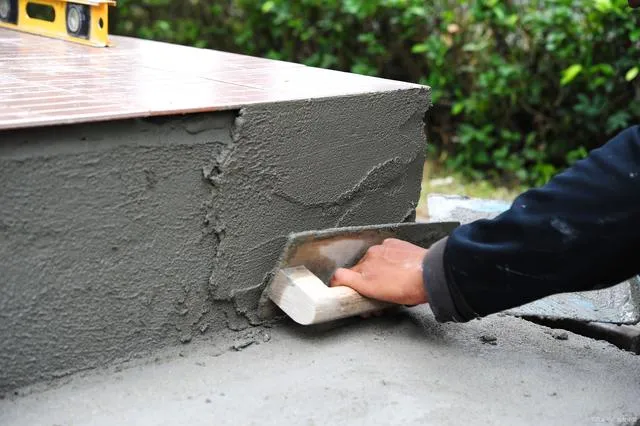
Strengthening Concrete with PP Fibers
Cracking is a persistent issue in concrete structures, especially during curing. That’s where pp fiber concrete shines. Polypropylene fibers, when added to the concrete mix, help control cracking by distributing stress across the surface. These fibers also increase impact resistance and reduce shrinkage, making them especially useful in flooring, precast panels, and load-bearing elements.
Compared to steel reinforcement, polypropylene fibers are non-corrosive, lighter, and often more economical. Their inclusion in concrete mixtures has become a preferred solution in both commercial and residential projects seeking durability and low maintenance.
The combined use of PVA and PP fibers offers an advanced approach to material science in construction. PVA improves surface integrity and bonding, while PP fibers work internally to bolster structural performance. This dual-strategy solution allows for greater control over both aesthetics and longevity in buildings.
Frequently Asked Questions (FAQs)
1. Why use polyvinyl alcohol before plastering ceilings or walls?
Answer: Applying PVA before plastering, especially on ceilings, helps improve adhesion, reduces dust, and creates a sealed surface. It prevents premature drying of plaster and results in a smoother finish.
2. What are bulk PVA bags used for in construction?
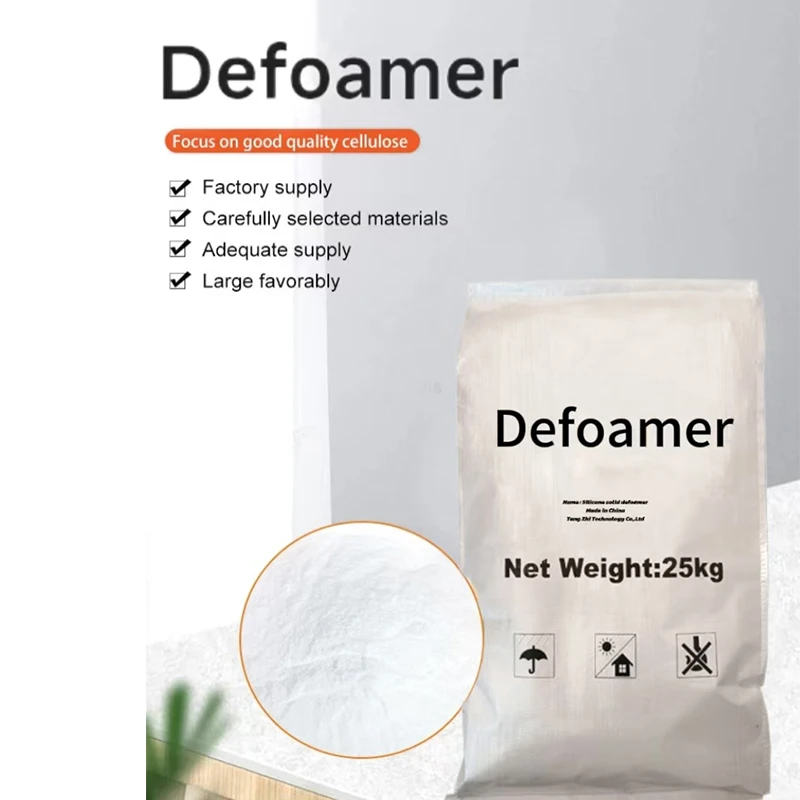
Answer: Bulk PVA bags are used for large-scale construction where significant quantities of PVA are needed—for example, when preparing mortar or priming large surfaces. They offer cost efficiency and storage convenience.
3. How do polypropylene fibers improve concrete performance?
Answer: PP fiber concrete resists cracking, increases tensile strength, and enhances durability. These fibers are especially beneficial in minimizing shrinkage and improving impact resistance in high-stress areas.
4. Is polyvinyl alcohol paint suitable for walls or just art projects?
Answer: While polyvinyl alcohol paint is often used in arts and crafts, specialized versions can be applied to walls or surfaces that need water-resistant, easy-to-clean finishes, especially in kitchens or laboratories.
5. Where can I find safety information on PVA products?
Answer: You can refer to the polyvinyl alcohol MSDS (Material Safety Data Sheet) for detailed safety, handling, and storage information. This document is essential for professionals working with chemical-grade PVA.
-
HPMC High-Performance Thickener | Hebei TangzhiNewsMar.06,2026
-
Wholesale Water Reducing Admixture for Special Cement: Performance and Market InsightsNewsFeb.28,2026
-
The Complete Guide to HPMC: Types, Applications, Grades, and Manufacturing InsightsNewsFeb.28,2026
-
Redispersible Polymer Powder: Types, Applications, and Performance AdvantagesNewsFeb.28,2026
-
Hydroxymethyl Ethyl Cellulose (MHEC): Properties, Applications, and Market InsightsNewsFeb.28,2026
-
Hydroxyethyl Cellulose: Applications, Performance, and Buying GuideNewsFeb.28,2026