Choosing Hydroxypropyl Methyl Cellulose (HPMC): Grade, Form and Application Requirements
THE BUYER'S GUIDE / SELECTION
Choosing Hydroxypropyl Methyl Cellulose (HPMC): Grade, Form and Application Requirements
A buyer-focused guide to selecting hydroxypropyl methyl cellulose HPMC from Hebei Tangzhi Technology Co., Ltd. It covers the published parameter ranges, how to choose between hot-dissolving and instant-dissolving types, which construction uses the product page describes, and when methyl cellulose (MC) may be the better documented option. It also lists what buyers should confirm before ordering, such as food or pharmaceutical suitability, units and pricing.

Dissolution form: hot-dissolving type for dry powder, wall putty and mortar; instant-dissolving type for construction glues, coatings, washing and other liquid products
Viscosity window: published HPMC range is 20,000–200,000 mPa·s; confirm the grade-specific value and test conditions
Substitution chemistry: hydroxypropyl content 7–12% and methoxy content 22–28% as published
Quality limits: ash ≤5%, pH 5–8, moisture 5±2 (unit to be confirmed)
Gel temperature 60–75 ℃ relative to processing conditions
Application fit: gypsum, tile adhesive, floor mortar, cement and insulation mortar, wall putty, exterior wall insulation mortar
Regulated use: food, pharmaceutical or cosmetic use requires grade-specific documents; MC lists pharmacopoeia compliance and 2% / 20 °C viscosity classes
Choosing Hydroxypropyl Methyl Cellulose (HPMC): Grade, Form and Application Requirements
If you buy cellulose ethers for dry-mix mortars, putties, adhesives or liquid formulations, the first thing to decide is which product type fits your process. This guide explains how to choose hydroxypropyl methyl cellulose HPMC from Hebei Tangzhi Technology Co., Ltd. It uses only the specifications and applications published for the product. Where the published material does not cover a requirement, we say so and list it as something to confirm with the supplier.
1. Start with your buyer requirements
Before you compare grades, write down:
- End product and system: dry powder (putty, gypsum plaster, cement mortar, tile adhesive) or a liquid product (construction glue, coating, washing product).
- Dissolution method: whether you will add the powder to a dry blend or dissolve it directly in water.
- Target viscosity window for your formulation.
- Regulatory sector: construction, or a regulated use such as food, pharmaceuticals or personal care.
- Commercial terms: quantity, packaging, documents, price and lead time. None of these are covered in the published material, so request them directly.
2. What the published HPMC specification says
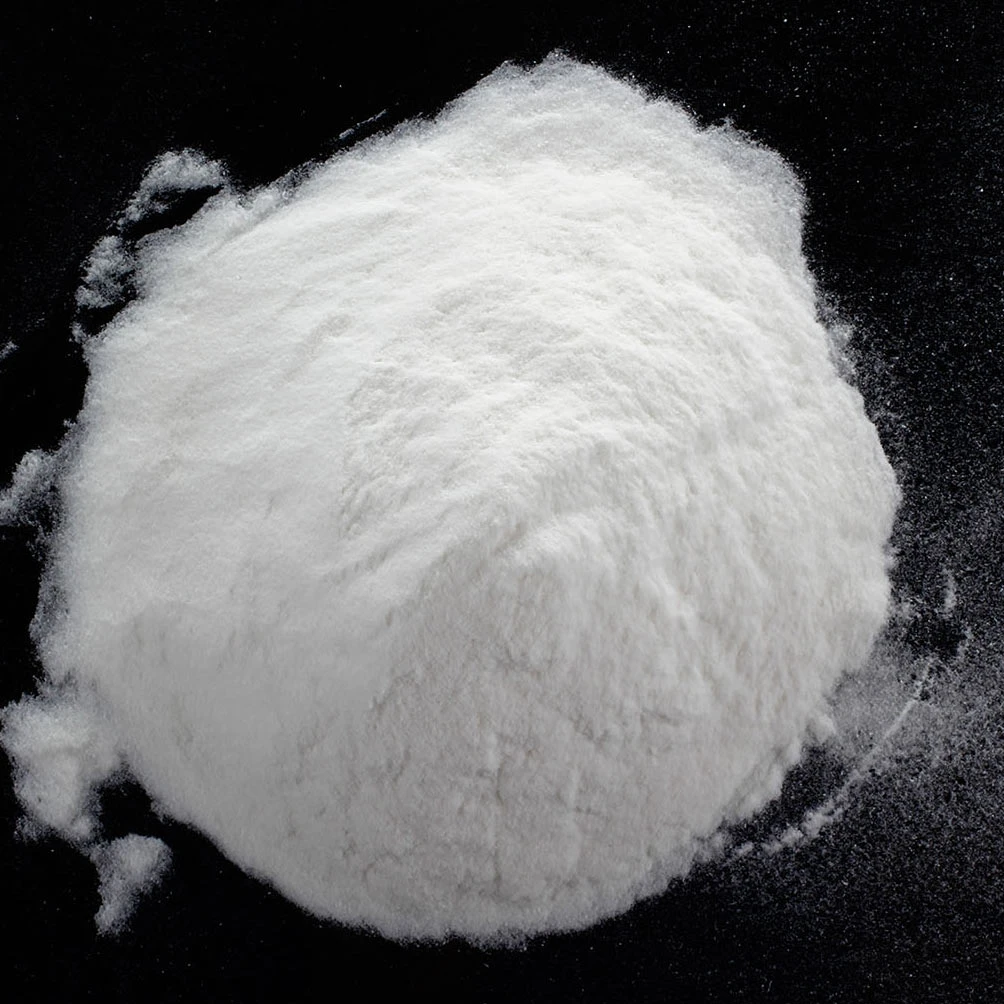
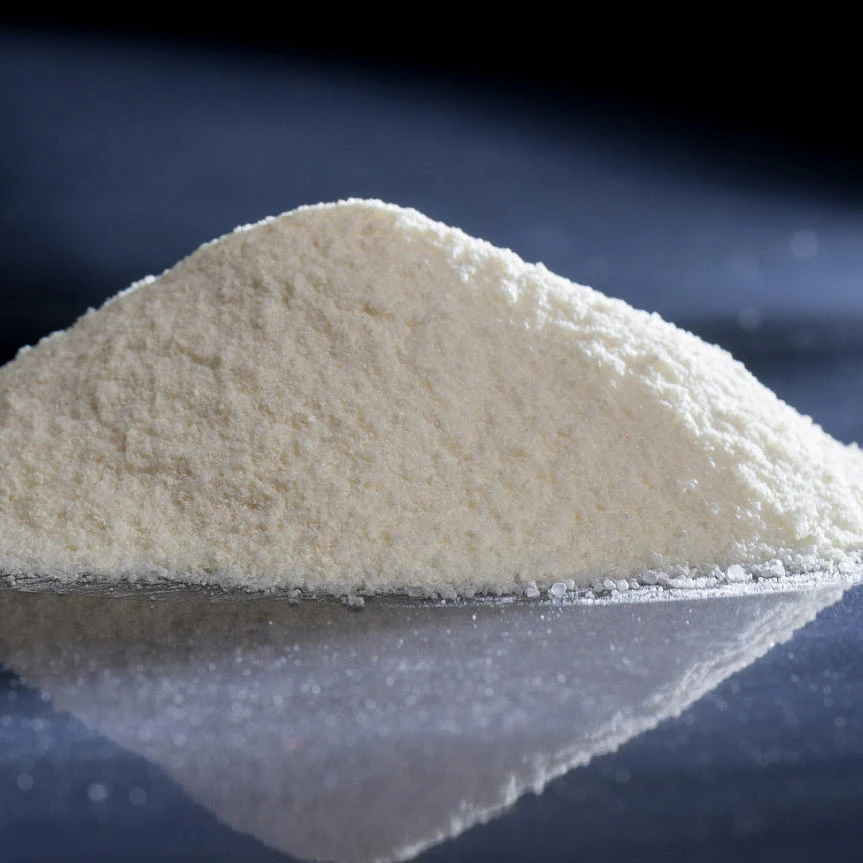
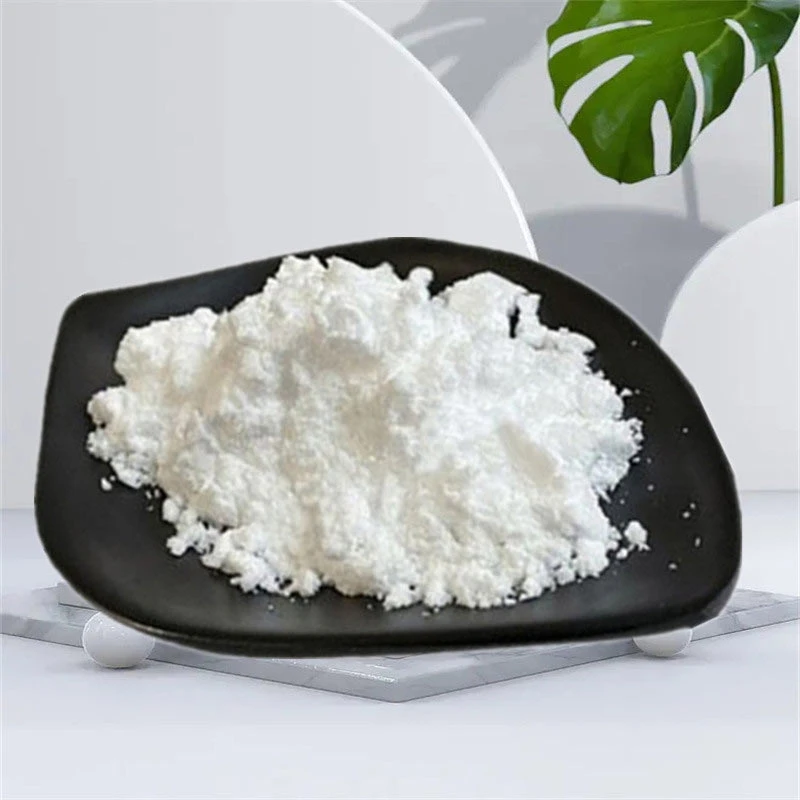
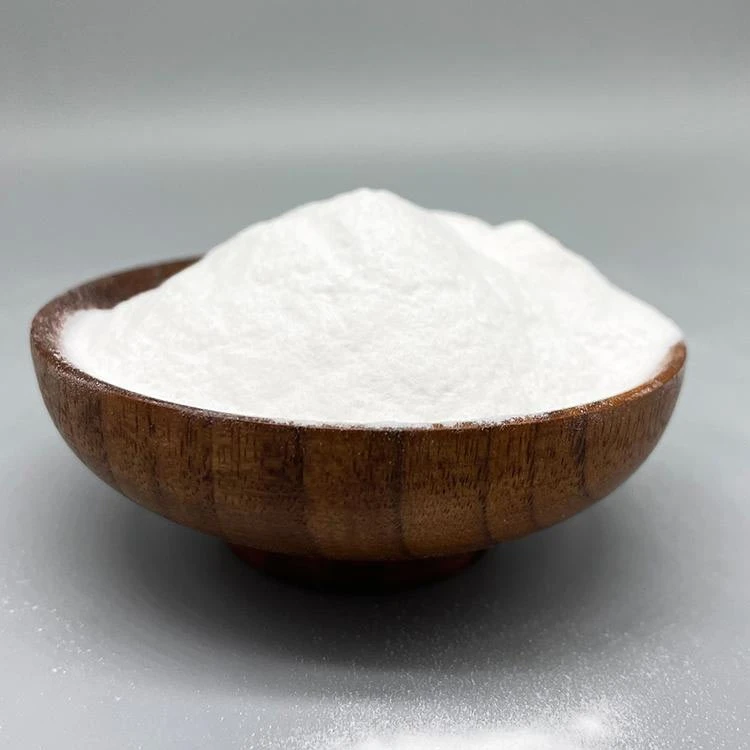
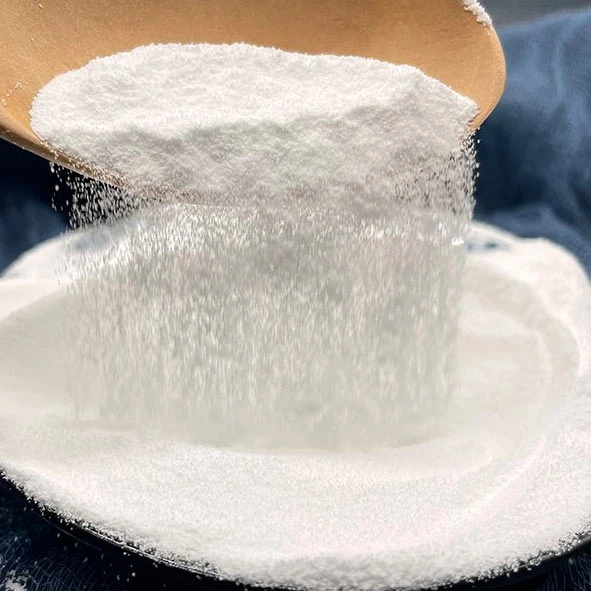
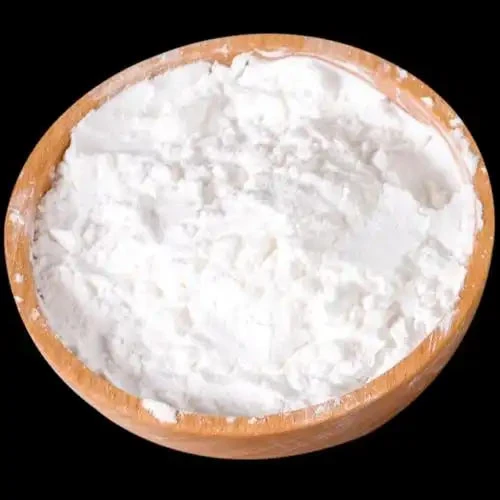
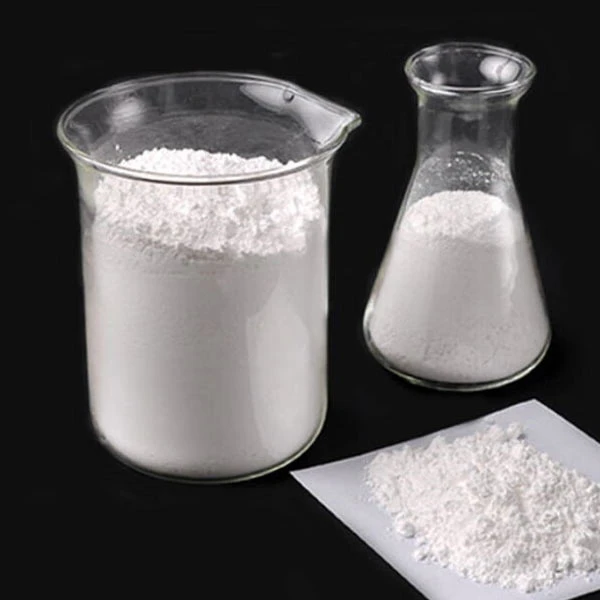
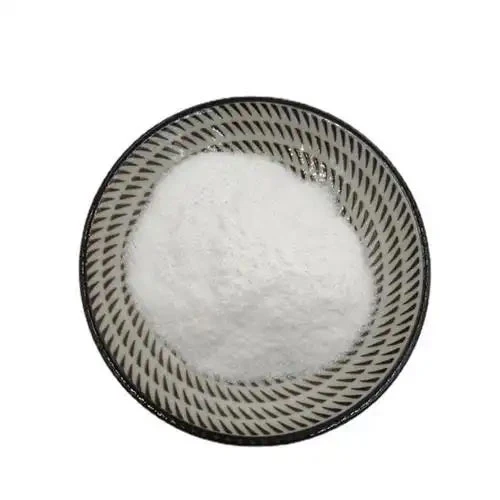
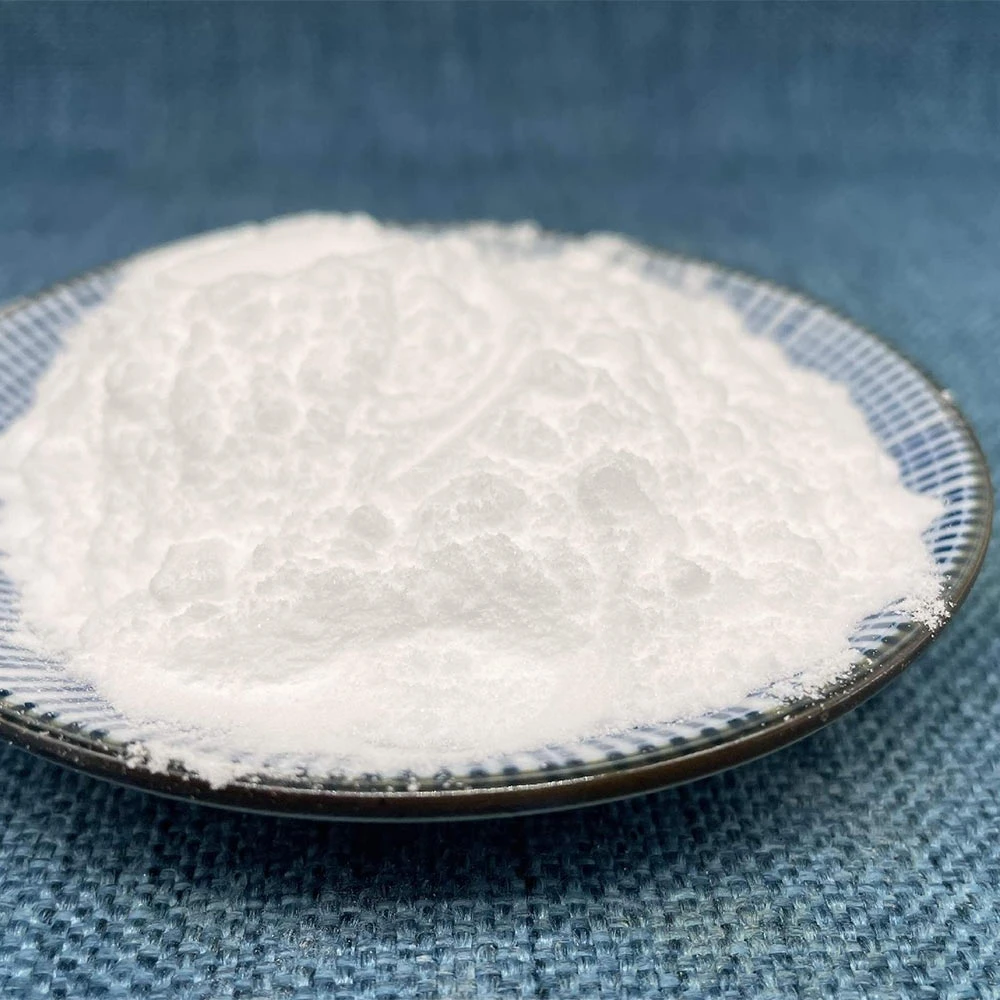
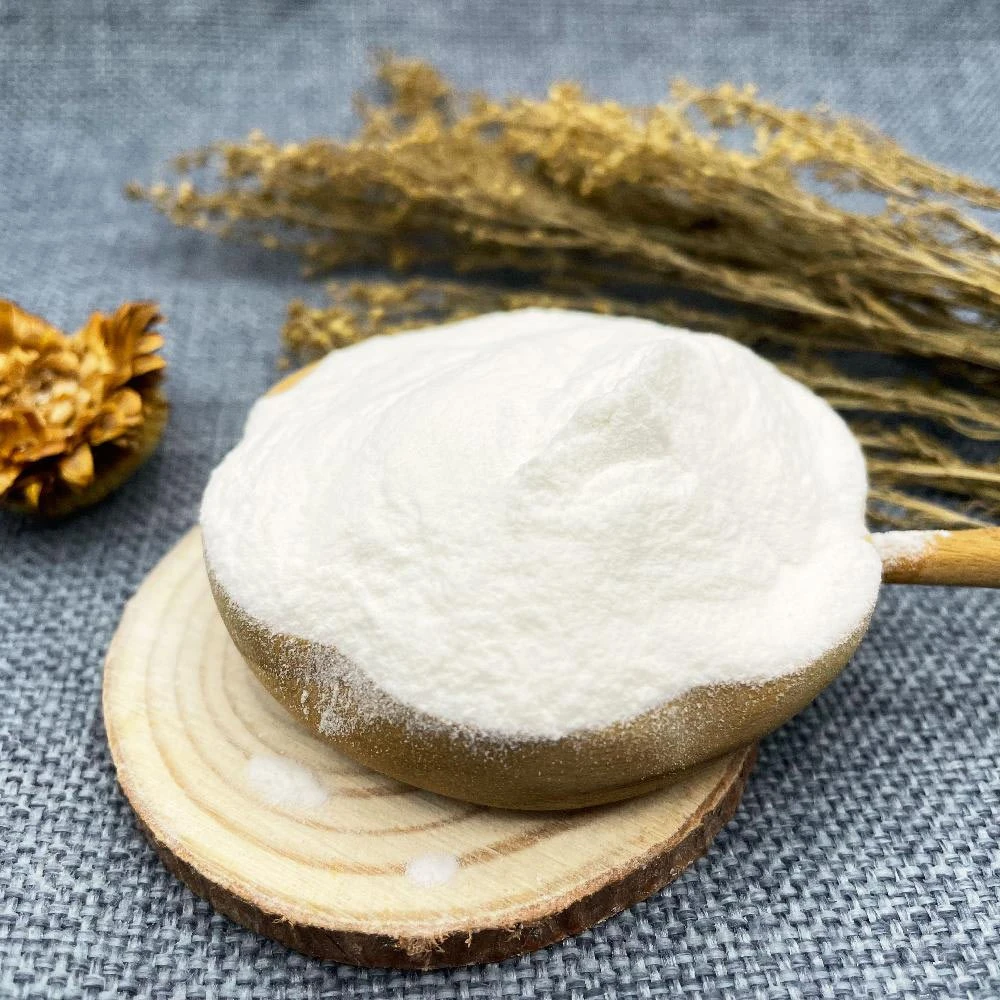
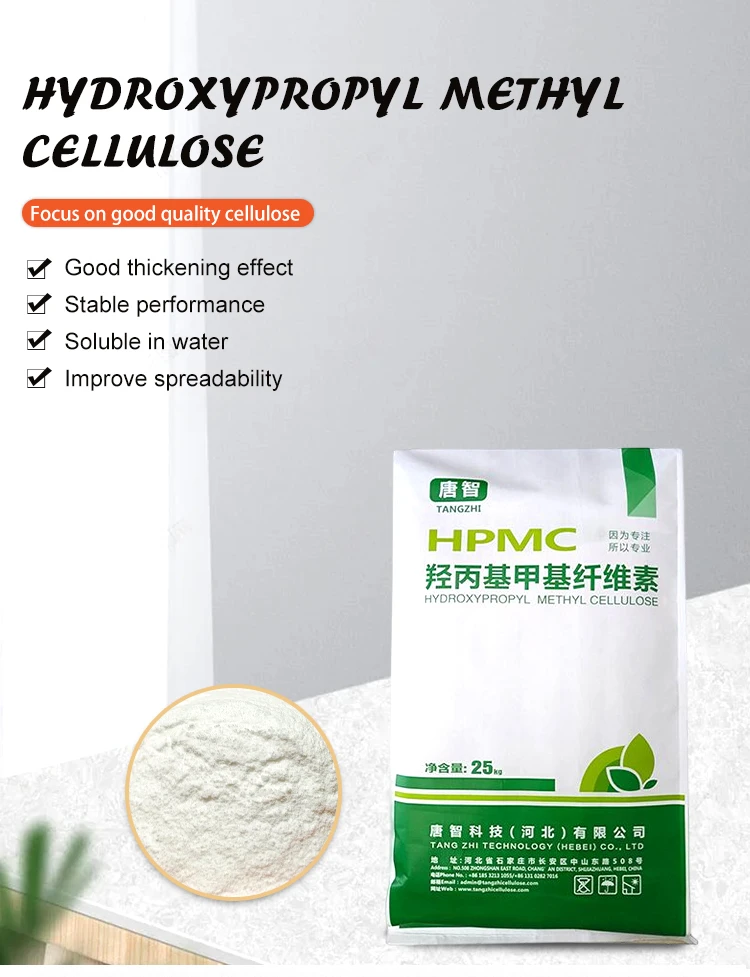
The product page describes HPMC (CAS 9004-65-3) as an odorless, tasteless, non-toxic white or off-white powder. It is a non-ionic cellulose ether made from refined cotton through a series of chemical processes. The page presents it as a thickener and stabilizer used in construction, medicine, food and daily chemical products.
| Item | Published range |
|---|---|
| Hydroxypropyl content | 7–12% |
| Methoxy content | 22–28% |
| Ash | ≤5% |
| Viscosity | 20,000–200,000 mPa·s |
| pH | 5–8 |
| Moisture | 5±2 |
| Gel temperature | 60–75 ℃ |
| Density | 350–450 (please confirm the unit with the supplier) |
These values are ranges across the product listing, not the values for one specific grade. The published table does not state the viscosity test method, solution concentration or temperature. Ask for a grade-specific technical data sheet and certificate of analysis that give the exact viscosity point and test conditions your formulation needs.
3. Choose the form: hot-dissolving or instant-dissolving
The source divides hydroxypropyl methyl cellulose HPMC into two types:
- Hot-dissolving type: mostly used in dry powder products, interior and exterior wall putty powder, and mortar.
- Instant-dissolving type: mostly used in construction glues, coatings, washing products and other liquid products.
A simple rule follows from this. If HPMC goes into a dry blend that the end user mixes with water, start with the hot-dissolving type. If you dissolve HPMC directly into a liquid product, ask about the instant-dissolving type. The published material does not give separate parameter tables for the two types, so confirm which specification applies to each.
4. Match the product to your application
The product page links these properties to construction uses:
| Application | Published functions |
|---|---|
| Gypsum | Easier spreading, better resistance to vertical flow (sag), better fluidity and pumpability, high water retention and longer working time |
| Tile/brick adhesive | Dry mix blends without lumps, longer open time for brick pasting, adhesion and slip resistance |
| Floor/mortar | Adds viscosity, helps prevent settling, improves fluidity and pumpability, controls water retention to reduce cracking |
| Cement and insulation mortar | More uniform mix, easier coating, sag resistance, high water retention; described as well suited to highly absorbent bricks |
| Wall putty | Water retention for longer working time, better resistance to shrinkage and cracking, better surface quality |
| Exterior wall insulation mortar | Better adhesion to the wall, water retention, lubricity and plasticity, fewer micro-cracks in the coating |
The general properties listed are good thickening in surfactant systems, water retention that stops the paste drying too fast and cracking, and good bonding. These are qualitative descriptions. Test the selected grade in your own formulation before you approve it.
5. When HPMC is not the right choice: compare methyl cellulose
The related methyl cellulose (MC) product is available separately. Consider it if your requirement is pharmaceutical, food or cosmetic rather than construction:
- Published methoxy content is 27.0–32.0%, with loss on drying ≤5%, residue on ignition ≤1%, heavy metals ≤20 ppm, arsenic salt ≤2 ppm and pH 5.0–8.0.
- Viscosity classes run from very low (nominal 5 mPa·s) to high (nominal 6000 mPa·s). They are tested as a 2% aqueous solution at 20 °C.
- The product page states compliance with the 2020 edition of the Chinese Pharmacopoeia (Part IV) and lists registration numbers. It also describes uses in eye drops, tablet binders, emulsions and sustained-release preparations.
- It disperses and swells in hot water at 80–90 ℃ and dissolves quickly after cooling.
Put simply, HPMC is for high-viscosity construction uses. MC has the low-to-high viscosity classes and pharmacopoeia reference that regulated users usually look for.
6. Limits of this recommendation
- Hydroxypropyl methyl cellulose in food or medicine: the HPMC page says the product is used in these fields. However, it does not publish a food or pharmaceutical grade specification, purity limits or regulatory compliance for HPMC. Do not buy the HPMC described here for food or pharmaceutical use without grade-specific documents.
- Hydroxypropyl cellulose (HPC) is a different cellulose ether.
- Prices, delivery times, certifications and market-specific approvals are not included in the published material. Buyers in the United States, Europe, the Middle East and Southeast Asia should confirm local regulatory requirements and request supporting documents before ordering.
Buyer checklist
- Choose hot-dissolving or instant-dissolving based on your process.
- State the target viscosity and ask for the test method.
- Confirm the units for density and moisture.
- Request a grade-specific data sheet and CoA.
- Run trials in your own formulation.
- For food, pharmaceutical or cosmetic uses, review the MC documentation or ask for grade-specific HPMC compliance documents.
THE PEOPLE

About the author
THE COMPANY
Hebei Tangzhi Technology Co., Ltd.
TANG ZHI TECHNOLOGY (HeBei) CO. TD is a professional enterprise integrating science, technology, manufacture and trade Located in Jinzhou city, Hebei Province, our factory is 260 kilometers away from Beijing, capital of China. Inter-linked with high-speed rails,motorways and two major ports of Tianjin and Qingdao, we can provide efficient and swift services to customers across regions.Our factory covers 140,000 square meters with building area of 90,000 square meters.We own automatic production lines and…
About Us ↗Visit company website ↗YOUR NEXT STEP
Bring your brief. Start a useful conversation.
Use case, specification, quantity and delivery window: make the next conversation specific.
-
Sodium Carboxy Methyl Cellulose CMC: Buyer FAQs on Grade, Packaging and SafetyNewsNov.02,2026
-
Methyl Hydroxyethyl Cellulose MHEC vs. Methyl Cellulose vs. Hydroxyethyl Cellulose: Grades, Forms and Application CompatibilityNewsOct.29,2026
-
High-Performance Cellulose Ethers Draw Strong Interest from Paint & Coating ProfessionalsNewsJul.29,2026
-
Advanced Cellulose Treatment for High Performance MaterialsNewsJul.01,2026
-
Advanced Pharmaceutical Tablet Production Using Cellulose SolutionsNewsJun.29,2026