Methyl Hydroxyethyl Cellulose MHEC vs. Methyl Cellulose vs. Hydroxyethyl Cellulose: Grades, Forms and Application Compatibility
SIDE BY SIDE
Methyl Hydroxyethyl Cellulose MHEC vs. Methyl Cellulose vs. Hydroxyethyl Cellulose: Grades, Forms and Application Compatibility
Procurement teams and formulators choosing between methyl hydroxyethyl cellulose MHEC, Methyl Cellulose (MC), and Hydroxyethyl Cellulose (HEC) need consistent criteria. This comparison from Hebei Tangzhi Technology Co., Ltd. examines chemical structure, solubility behavior, viscosity range, key physicochemical parameters, production form, and primary application compatibility across all three cellulose ethers. Readers will find a clear per-criterion breakdown to support grade selection and sourcing decisions for construction, coatings, pharmaceutical, and industrial uses.

Hydroxyethyl Methyl Cellulose (MHEC) — CAS 9032-42-2; non-ionic polymer with methoxy (21–26%) and hydroxyethyl (7–12%) substituents; white or off-white powder; viscosity 150,000–170,000 mPa·s; primary use in construction, coatings and adhesives
Methyl Cellulose (MC) — non-ionic polymer with methoxy (27.0–32.0%) substituents only; white or off-white fibrous or granular powder; viscosity 5–6,000 mPa·s (2%, 20 °C); primary use in pharmaceutical, food, cosmetics and construction; complies with Chinese Pharmacopoeia 2020
Hydroxyethyl Cellulose (HEC) — CAS 9004-62-0; non-ionic polymer with hydroxyethyl substituents only; white or light yellow fibrous or powdered solid; industrial viscosity range 25,000–100,000 mPa·s; primary use in coatings, oil extraction, construction and textiles
Methyl Hydroxyethyl Cellulose MHEC vs. Methyl Cellulose vs. Hydroxyethyl Cellulose: Grades, Forms and Application Compatibility
Selecting the right cellulose ether for a formulation requires more than a general awareness of the product family. Methyl hydroxyethyl cellulose MHEC, Methyl Cellulose (MC), and Hydroxyethyl Cellulose (HEC) are each non-ionic water-soluble polymers, yet they differ meaningfully in their chemical substitution, solubility profile, viscosity grades, and the application sectors they serve best. This article compares all three products using published specifications from Hebei Tangzhi Technology Co., Ltd., helping buyers and formulators identify which product fits their operating conditions.
1. Chemical Identity and Substitution
Methyl Hydroxyethyl Cellulose (MHEC) MHEC (CAS 9032-42-2) is a non-ionic high-molecular polymer carrying both methoxy and hydroxyethyl substituents. Its published substitution ranges are: Hydroxyethyl content 7–12% and Methoxy content 21–26%. The dual substitution distinguishes MHEC from single-substituent cellulose ethers and influences its cold-water solubility and pseudo-plastic behavior.
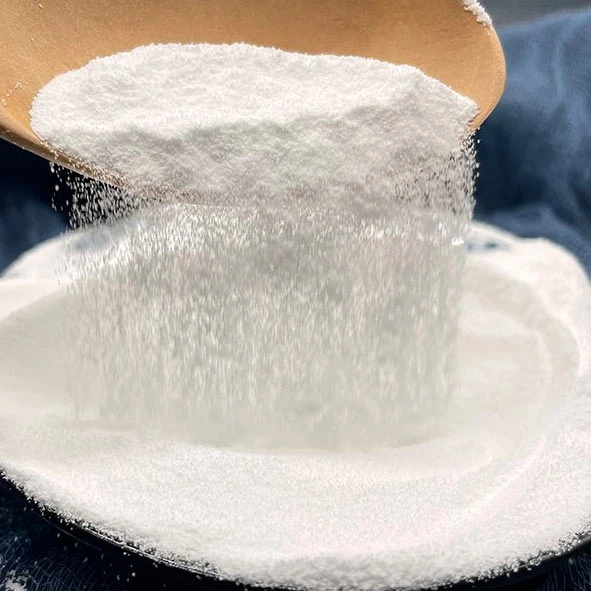
Methyl Cellulose (MC) MC is derived from natural cellulose via methyl substitution only. Its Methoxy content (wt%) is specified at 27.0–32.0%. It carries no hydroxyethyl groups. MC is described as a white or off-white fibrous or granular powder, odorless and tasteless.
Hydroxyethyl Cellulose (HEC) HEC (CAS 9004-62-0) carries only hydroxyethyl substituents, with no methoxy groups. It is described as a white or light yellow, odorless, non-toxic fibrous or powdered solid.
2. Physical Form and Appearance
| Product | Appearance |
|---|---|
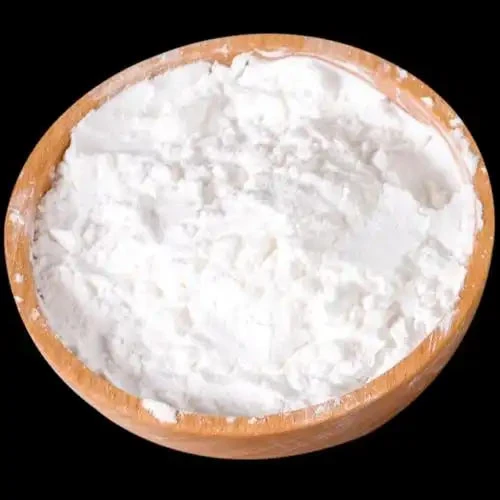
| MHEC | White or off-white powder |
| MC | White or off-white fibrous or granular powder |
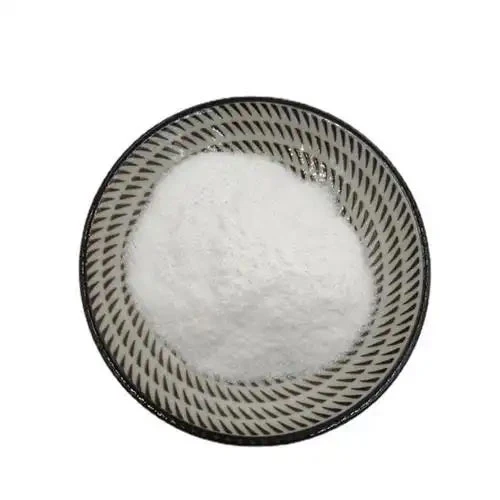
| HEC | White or light yellow fibrous or powdered solid |
All three products are supplied in powder or granular form. The packing format for MHEC is described as multi-layer paper bags with a liner.
3. Solubility and Dissolution Behavior
MHEC is easily soluble in cold water but insoluble in hot water. Its aqueous solution exhibits strong pseudo-plasticity and provides high shear viscosity.
MC behaves differently: it swells rapidly in hot water at 80–90 °C and dissolves rapidly after cooling. It is almost insoluble in anhydrous ethanol, ether, and acetone. The aqueous solution is stable at room temperature, gels at high temperatures, and undergoes a reversible gel-to-dissolution transition on heating and cooling. This thermal gelation is a distinctive feature of MC not shared by MHEC or HEC.
HEC is a non-ionic water-soluble polymer compound.
Decision note: Processes that require cold-water dissolution favor MHEC or HEC. Applications requiring thermally reversible gelation are specifically suited to MC.
4. Viscosity Range and Grades
MHEC: A single viscosity range of 150,000–170,000 mPa·s is published for the available grade. Test conditions are not specified in the published parameters table.
MC: Offers a wide multi-grade viscosity classification. Published grades range from very low viscosity (5 mPa·s, range 3–7) up to high viscosity at 6,000 mPa·s (range 5,000–9,000). Test conditions: 2% aqueous solution at 20 °C. The full grade set includes:
| Category | Grade (mPa·s) | Range (mPa·s) |
|---|---|---|
| Very low viscosity | 5 | 3–7 |
| Very low viscosity | 10 | 8–12 |
| Very low viscosity | 15 | 12–18 |
| Low viscosity | 25 | 20–30 |
| Low viscosity | 50 | 40–60 |
| Low viscosity | 100 | 80–120 |
| High viscosity | 300 | 250–350 |
| High viscosity | 400 | 350–550 |
| High viscosity | 800 | 600–1,000 |
| High viscosity | 1,000 | 800–1,200 |
| High viscosity | 1,200 | 1,000–1,400 |
| High viscosity | 1,500 | 1,200–1,800 |
| High viscosity | 2,000 | 1,600–2,400 |
| High viscosity | 3,000 | 2,500–3,400 |
| High viscosity | 4,000 | 3,500–5,600 |
| High viscosity | 6,000 | 5,000–9,000 |
HEC: Viscosity is 25,000–100,000 mPa·s (industrial grade).
Decision note: MC offers the broadest documented grade selection from very low to high viscosity. MHEC's published grade sits in the very high viscosity range. HEC's published industrial range partially overlaps with MHEC's range; however, specific grade tables for HEC are not available here.
5. Key Physicochemical Parameters
| Parameter | MHEC | MC | HEC |
|---|---|---|---|
| Hydroxyethyl content | 7–12% | Not applicable | Present (range not specified in excerpt) |
| Methoxy content | 21–26% | 27.0–32.0% | Not applicable |
| pH value | 5.0–9.0 | 5.0–8.0 | Not specified in excerpt |
| Water retention rate | ≥90% | Not specified | Not specified |
| Ash content | 10–15% | ≤1% (residue on ignition) | ≤5.0% |
| Loss on drying / Weight loss on drying | ≤6.0% | ≤5% | Not specified |
| Moisture | Not specified | Not specified | ≤6.0% |
| Heavy metals | Not specified | ≤20 ppm | Not specified |
| Arsenic salt | Not specified | ≤2 ppm | Not specified |
| Density (MC) | Not specified | 1.3 g/cm³ | Not specified |
| Apparent density (MC) | Not specified | 0.25–0.7 g/cm³ | Not specified |
6. Primary Application Areas
MHEC is used in:
- Water-based latex coatings
- Building construction and building materials (dry and wet mortar series)
- Cement, gypsum, and lime gelling applications as an admixture
- Wall putty (application and performance improvement)
- Tile adhesive and pointing agents (bonding)
- Printing inks
- Oil drilling
Functions cited: thickening, water retention (≥90%), improved constructability, bonding, sag resistance.
MC is used in:
- Pharmaceutical: tablet binders and film-forming agents, eye drops, oral laxatives, mouthwashes, corneal contact lens wetting solutions, hydrophilic gel skeleton sustained-release preparations, suspension and viscous eye drops matrix
- Food and cosmetics: thickener, protective colloid, emulsifier, stabilizer
- Building materials and coatings
- Agriculture
Functions cited: thickening, film-forming, suspension, emulsification, tablet bonding, thermally reversible gelation.
HEC is used in:
- Oil extraction
- Coatings and paints
- Construction
- Medicine and food
- Textiles
- Papermaking
- Polymer polymerization
Functions cited: thickening, suspension, bonding, emulsification, film formation, dispersion, water retention, protective colloid.
7. Production Process Notes
MHEC is produced through alkalization, etherification (with methyl chloride and ethylene oxide), neutralization, washing, granulation, drying, crushing, and mixed packaging. Two methods are used: the gas phase method (shorter reaction time, higher utilization, lower cost, suited for mass production) and the liquid phase method (better product uniformity, but longer reaction time and higher cost).
8. Regulatory and Quality Standards
MC complies with the 2020 edition of the Chinese Pharmacopoeia (Part IV), with registration numbers F20209990407 and F20180000534. This supports pharmaceutical-grade applications.
Summary Comparison Table
| Criterion | MHEC | MC | HEC |
|---|---|---|---|
| Substituents | Methoxy + Hydroxyethyl | Methoxy only | Hydroxyethyl only |
| Cold-water solubility | Yes | Dissolves after hot dispersion/cooling | Yes (water-soluble) |
| Thermal gelation | Reversible gel on heating | ||
| Published viscosity range | 150,000–170,000 mPa·s | 5–6,000 mPa·s (2%, 20 °C) | 25,000–100,000 mPa·s (industrial) |
| Water retention rate | ≥90% | Not specified | Not specified |
| pH range | 5.0–9.0 | 5.0–8.0 | Not specified |
| Primary sector fit | Construction, coatings, adhesives | Pharma, food, cosmetics, construction | Coatings, construction, oil, textiles |
| Pharma-grade standard cited | Not specified | Chinese Pharmacopoeia 2020 | Not specified |
Choosing Between the Three Products
- Choose MHEC when the formulation requires a high-viscosity (150,000–170,000 mPa·s) cellulose ether with documented ≥90% water retention for tile adhesives, dry-mix mortars, wall putty, or latex coatings. Hebei Tangzhi Technology Co., Ltd.'s Hydroxyethyl Methyl Cellulose (MHEC) is positioned for these building materials markets.
- Choose MC when a broad viscosity range from very low to high is needed, particularly for pharmaceutical tablet binding, eye drops, food-grade thickening, or applications where thermally reversible gelation is functionally important. Hebei Tangzhi Technology Co., Ltd.'s Methyl Cellulose is supplied with pharmacopoeia-referenced documentation.
- Choose HEC when the application is coatings, oil extraction, textiles, papermaking, or polymer polymerization and the industrial viscosity range (25,000–100,000 mPa·s) aligns with process requirements. Note that more detailed HEC grade data should be requested directly from the supplier before finalizing a formulation.
THE PEOPLE

About the author
THE COMPANY
Hebei Tangzhi Technology Co., Ltd.
TANG ZHI TECHNOLOGY (HeBei) CO. TD is a professional enterprise integrating science, technology, manufacture and trade Located in Jinzhou city, Hebei Province, our factory is 260 kilometers away from Beijing, capital of China. Inter-linked with high-speed rails,motorways and two major ports of Tianjin and Qingdao, we can provide efficient and swift services to customers across regions.Our factory covers 140,000 square meters with building area of 90,000 square meters.We own automatic production lines and…
About Us ↗Visit company website ↗YOUR NEXT STEP
Bring your brief. Start a useful conversation.
Use case, specification, quantity and delivery window: make the next conversation specific.
-
Sodium Carboxy Methyl Cellulose CMC: Buyer FAQs on Grade, Packaging and SafetyNewsNov.02,2026
-
Choosing Hydroxypropyl Methyl Cellulose (HPMC): Grade, Form and Application RequirementsNewsOct.23,2026
-
High-Performance Cellulose Ethers Draw Strong Interest from Paint & Coating ProfessionalsNewsJul.29,2026
-
Advanced Cellulose Treatment for High Performance MaterialsNewsJul.01,2026
-
Advanced Pharmaceutical Tablet Production Using Cellulose SolutionsNewsJun.29,2026