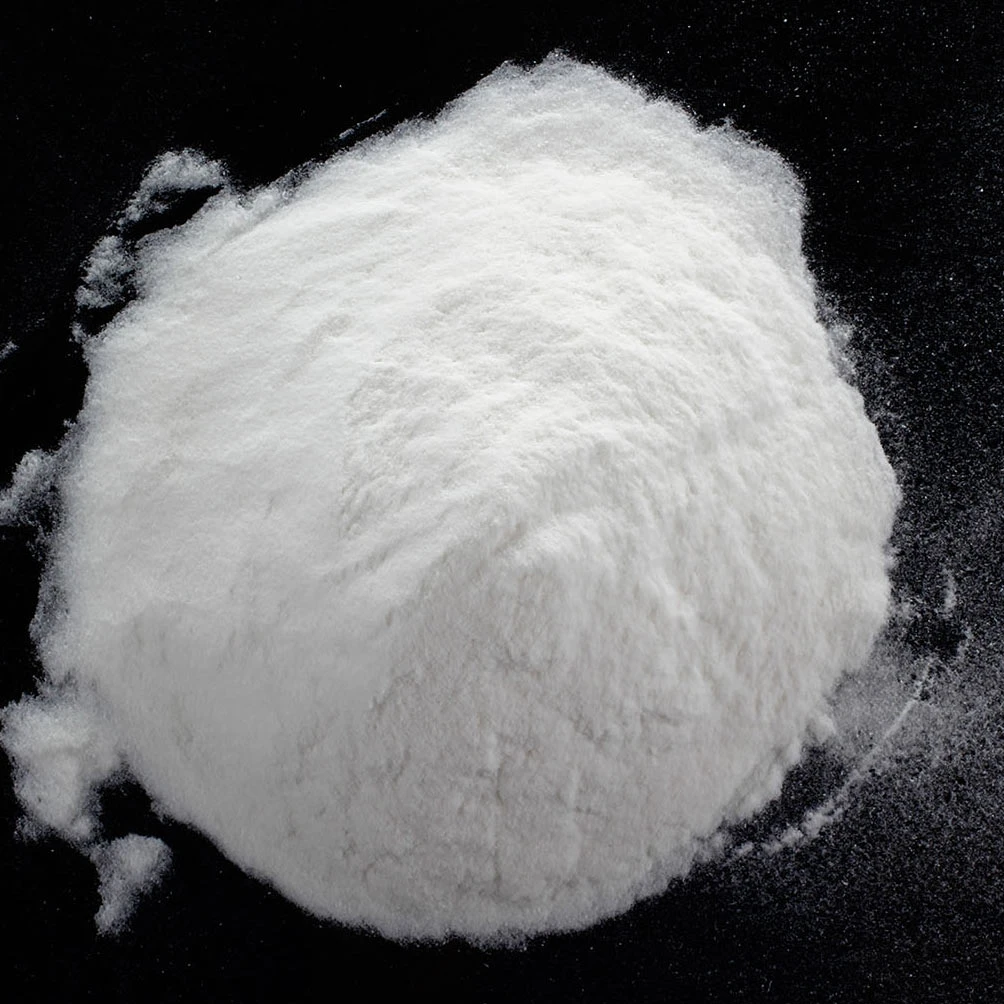
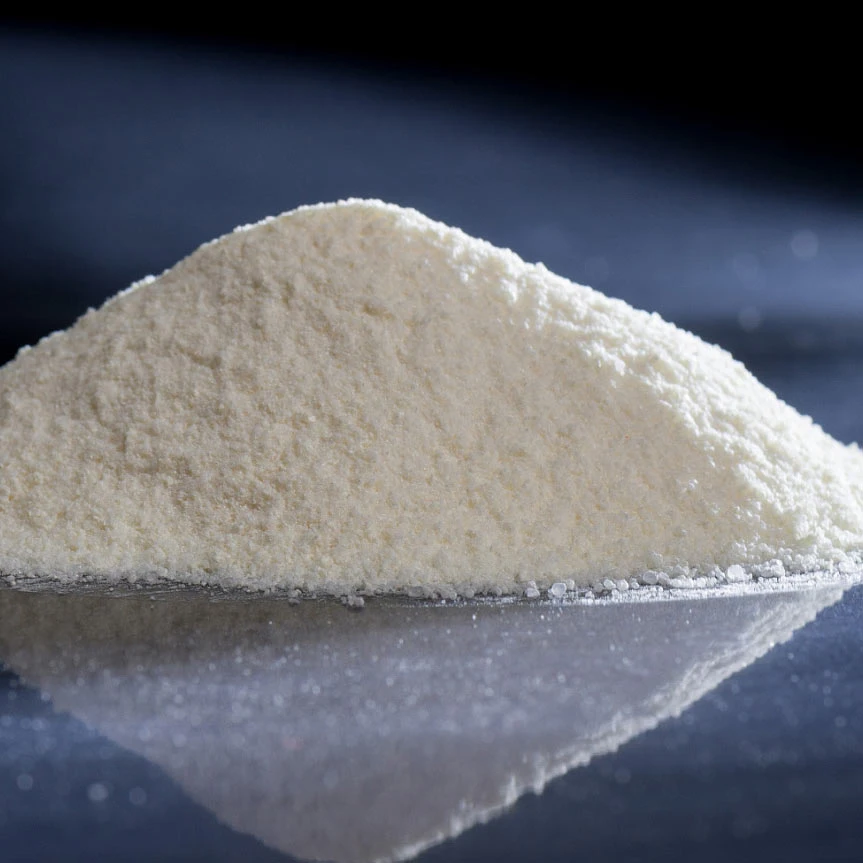
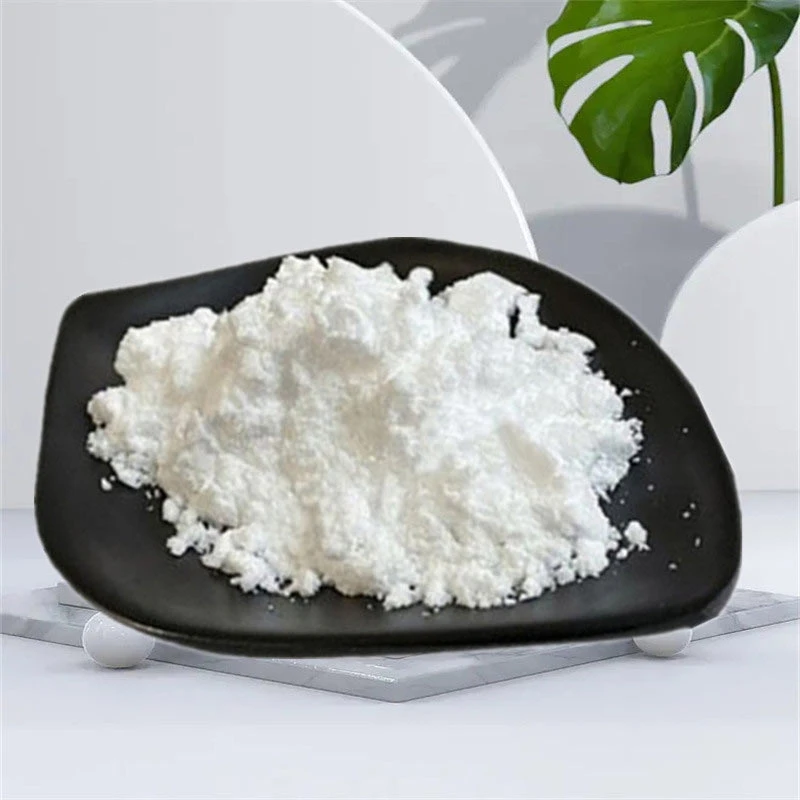
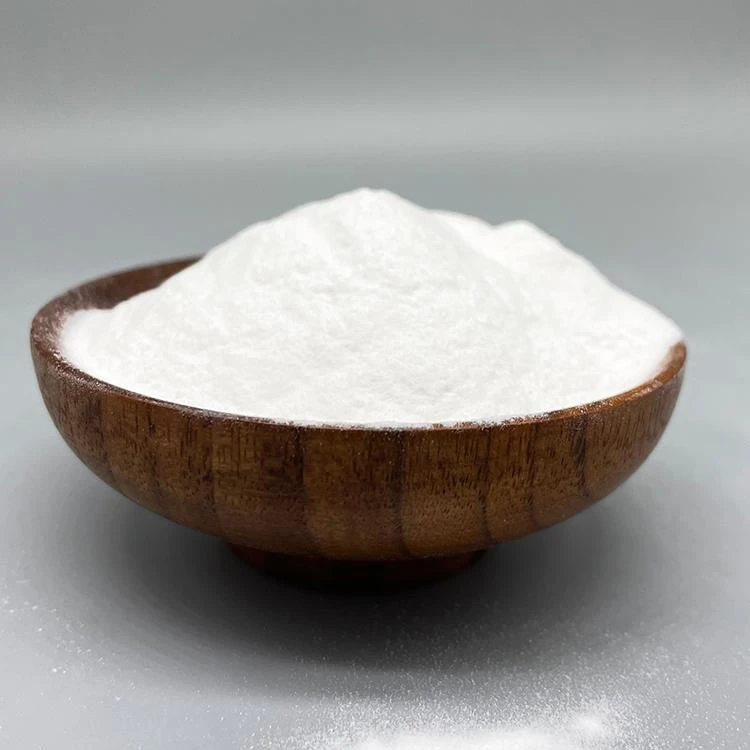
CMC For Practical Daily Industry
As industries continue to move toward safer, more stable, and plant-based raw materials, cmc carboxymethyl cellulose has become a widely discussed hot topic. From food and medicine to cosmetics and industrial processing, CMC plays a quiet but essential role in improving texture, stability, and usability. Its versatility, affordability, and performance make it one of the most important cellulose derivatives used today.
CMC Carboxymethyl Cellulose Core Functions
CMC carboxymethyl cellulose is a cellulose ether produced through the carboxymethylation of natural cellulose. This chemical modification gives it excellent water solubility and multifunctional performance in aqueous systems.
CMC carboxymethyl cellulose provides strong thickening ability, allowing formulations to achieve stable viscosity without adding excessive solids. This makes it highly valuable in food, pharmaceutical, and cosmetic products.
CMC carboxymethyl cellulose offers reliable film-forming and bonding properties. In coatings, tablets, and surface treatments, it helps create uniform layers that improve durability and appearance.
CMC carboxymethyl cellulose acts as a moisture-retaining agent. By slowing water evaporation, it helps maintain product freshness, texture, and performance over time.
CMC carboxymethyl cellulose also functions as a protective colloid, stabilizing dispersed particles and preventing separation during storage and transportation.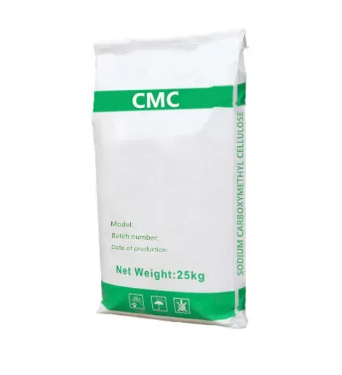
Carboxymethyl Cellulose Sodium Salt Performance
Carboxymethyl cellulose sodium salt is the most commonly used form of CMC due to its excellent solubility in both cold and hot water. This feature simplifies processing across different industries.
Carboxymethyl cellulose sodium salt is widely used in food products as a thickener and stabilizer. It improves mouthfeel, enhances texture, and helps maintain consistency throughout shelf life.
Carboxymethyl cellulose sodium salt plays an important role in pharmaceutical formulations. It is used in syrups, suspensions, and tablets to improve stability and controlled release.
Carboxymethyl cellulose sodium salt is physiologically harmless and non-toxic, making it suitable for applications requiring high safety standards.
Carboxymethyl cellulose sodium salt offers excellent emulsification and suspension properties, ensuring uniform distribution of active ingredients.
NaCMC In Industrial Applications
NaCMC is a polyanionic compound obtained after chemical modification of natural fibers. Its unique charge properties contribute to its strong dispersibility and stability.
NaCMC is widely used in petroleum and oil drilling industries, where it functions as a viscosity modifier and fluid-loss control agent.
NaCMC improves solid dispersion in industrial slurries and suspensions, preventing sedimentation and improving process efficiency.
NaCMC shows strong resistance to microbial degradation, helping maintain product integrity during long storage periods.
NaCMC is cost-effective due to its wide availability and efficient production, making it suitable for large-scale industrial use.
Carboxymethylcellulose Sodium Salt Market Value
Carboxymethylcellulose sodium salt continues to see growing demand as industries prioritize stability, safety, and sustainability. Its plant-based origin aligns well with modern environmental standards.
Carboxymethylcellulose sodium salt is widely applied in textiles and paper industries, where it improves surface quality and processing performance.
Carboxymethylcellulose sodium salt enhances formulation flexibility by working effectively with other additives and active ingredients.
Carboxymethylcellulose sodium salt helps manufacturers reduce costs by improving efficiency and minimizing product defects.
Carboxymethylcellulose sodium salt remains one of the most important cellulose ethers due to its broad applicability and reliable performance.
Carboxymethylcellulose Sigma FAQs
Carboxymethylcellulose sigma is often searched by buyers comparing quality standards, technical data, and supplier reliability. Understanding product specifications and application suitability is essential when sourcing CMC materials.
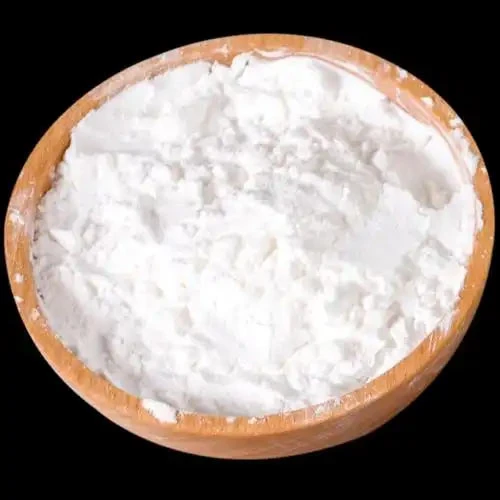
Cellulose Powder, a versatile and natural compound derived from plant cell walls, has gained immense popularity in various industries, including food, pharmaceuticals, cosmetics, and more. This finely milled form of cellulose is insoluble in water and provides unique thickening and stabilizing properties.
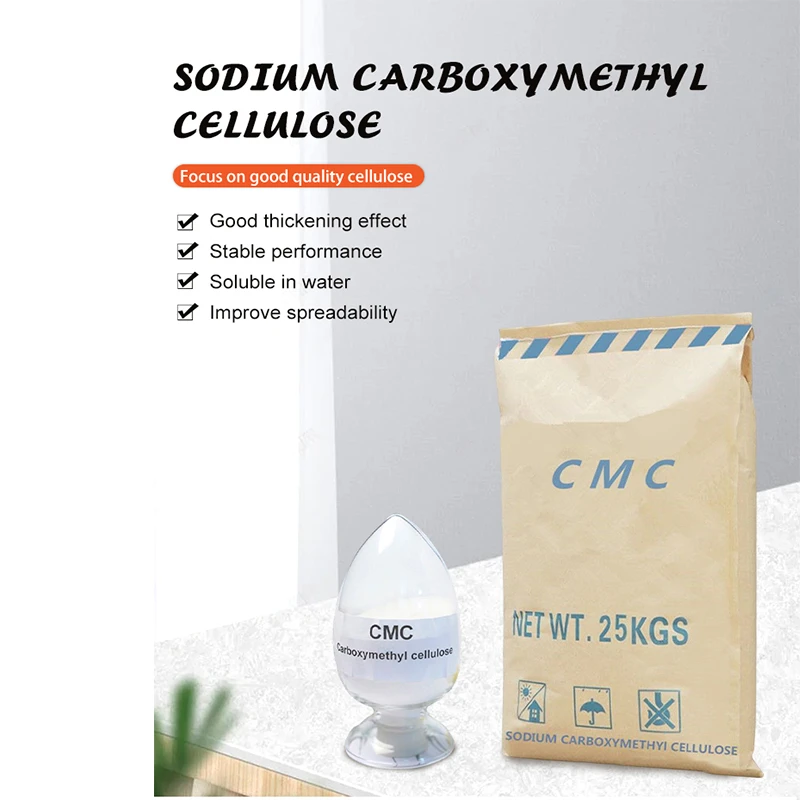
Sodium Carboxy Methyl Cellulose (CMC) is obtained by carboxymethylation of cellulose, and its aqueous solution offers thickening, film formation, bonding, moisture retention, colloidal protection, emulsification, and suspension functions.
As a natural polymer derivative, CMC is widely used in petroleum, food, medicine, textile, and paper industries and remains one of the most important cellulose ethers worldwide.
If you are looking for stable-quality CMC with consistent performance, choosing a professional supplier is key. Reliable manufacturers provide clear specifications, multiple grades, and technical support for different applications. You can explore detailed product information, request samples, or place orders through official company websites. Selecting the right CMC today helps improve product quality, reduce formulation risk, and strengthen long-term competitiveness.
What Is CMC Mainly Used For?
CMC is mainly used as a thickener, stabilizer, and binder in food, medicine, cosmetics, and industrial products.
Is Carboxymethyl Cellulose Sodium Salt Safe?
Yes, it is non-toxic, physiologically harmless, and widely approved for food and pharmaceutical use.
Does NaCMC Dissolve In Cold Water?
Yes, NaCMC dissolves easily in both cold and hot water.
Why Is CMC Important In Industrial Processing?
It improves dispersion, stability, and efficiency in slurries, coatings, and drilling fluids.
Where Can I Buy High-Quality CMC Products?
You can purchase from professional manufacturers through official websites that offer technical support and multiple grade options.
-
HPMC High-Performance Thickener | Hebei TangzhiNewsMar.06,2026
-
Wholesale Water Reducing Admixture for Special Cement: Performance and Market InsightsNewsFeb.28,2026
-
The Complete Guide to HPMC: Types, Applications, Grades, and Manufacturing InsightsNewsFeb.28,2026
-
Redispersible Polymer Powder: Types, Applications, and Performance AdvantagesNewsFeb.28,2026
-
Hydroxymethyl Ethyl Cellulose (MHEC): Properties, Applications, and Market InsightsNewsFeb.28,2026
-
Hydroxyethyl Cellulose: Applications, Performance, and Buying GuideNewsFeb.28,2026