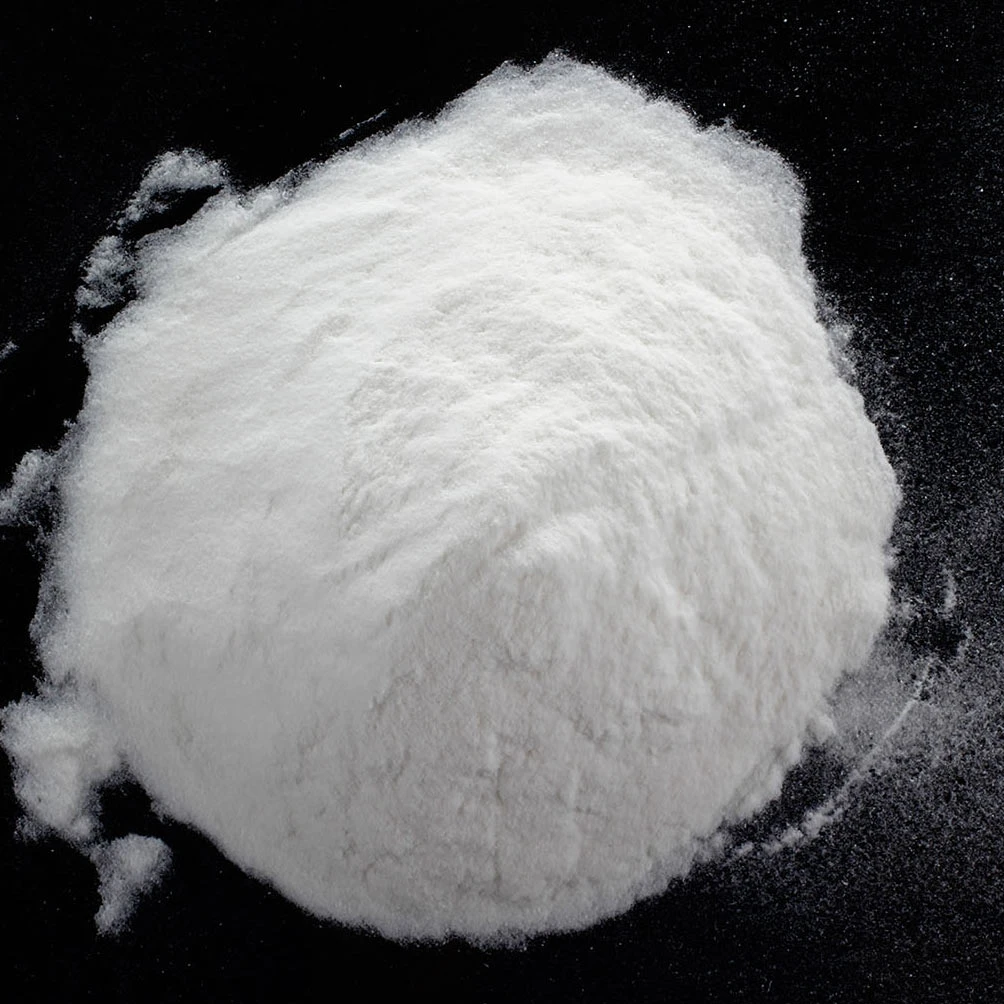
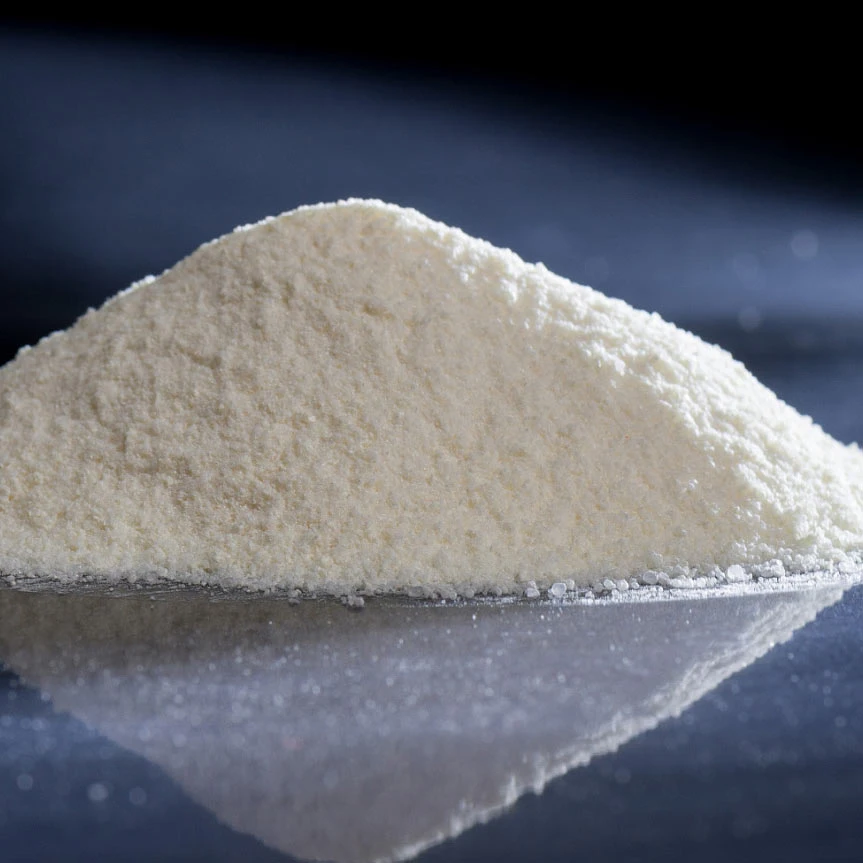
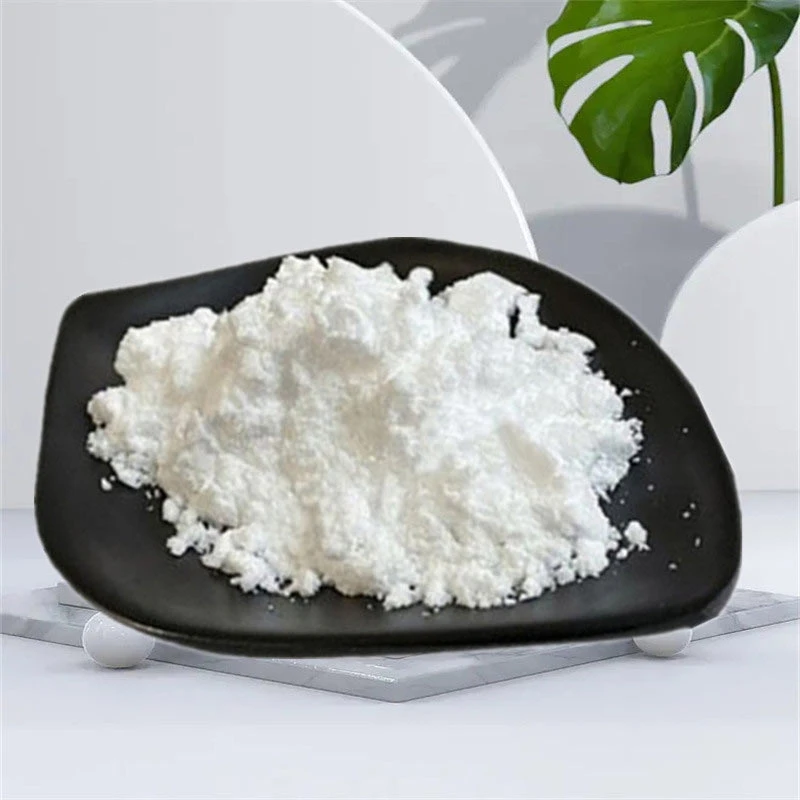
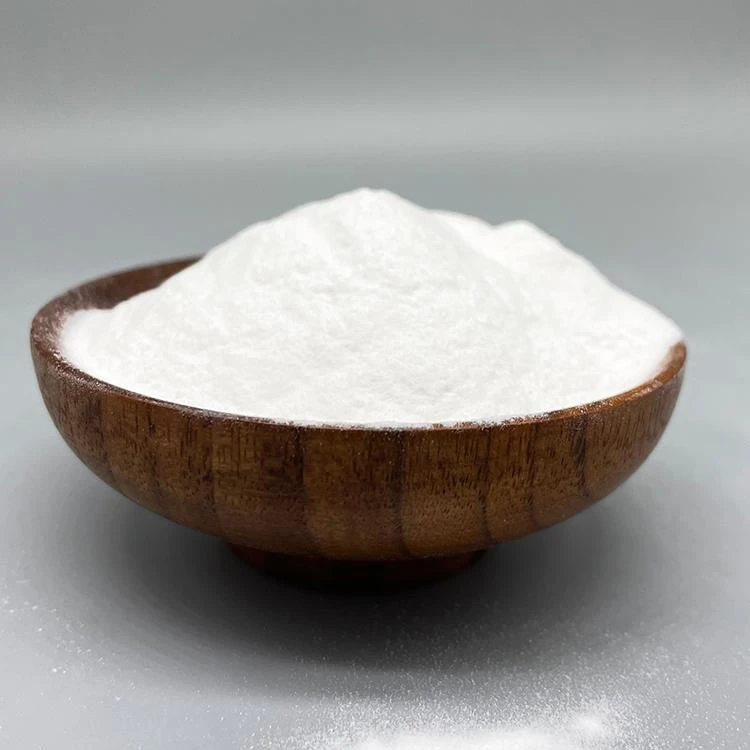
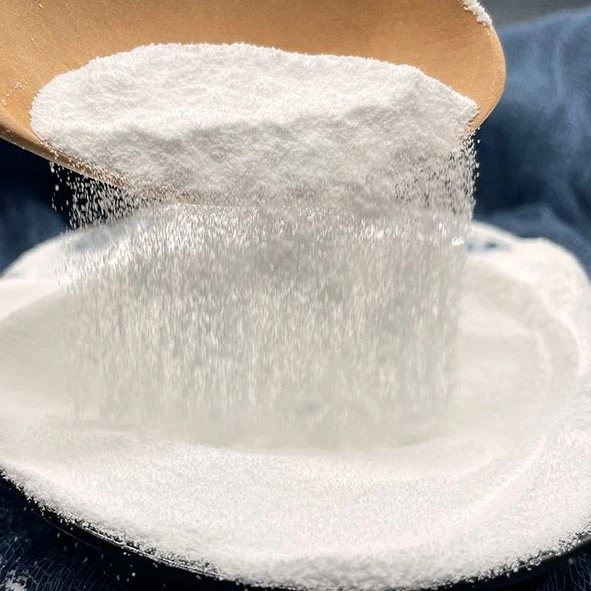
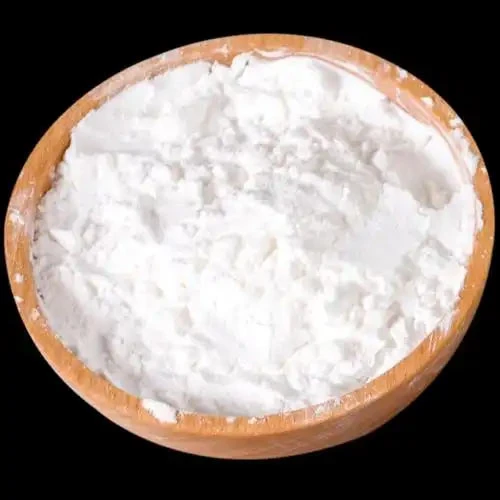
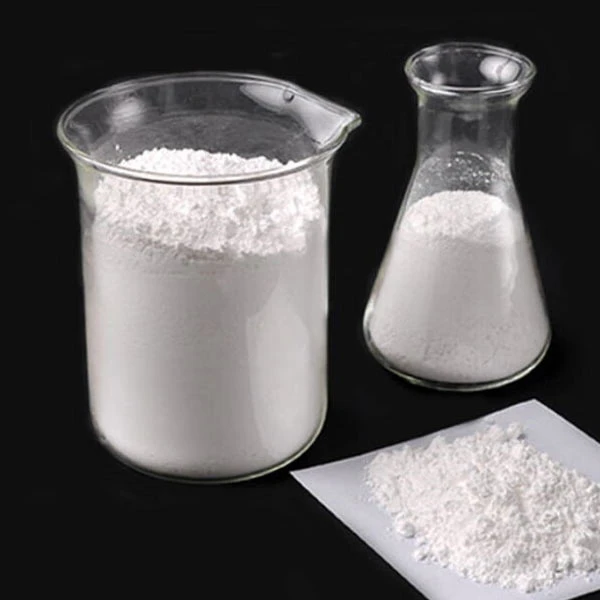
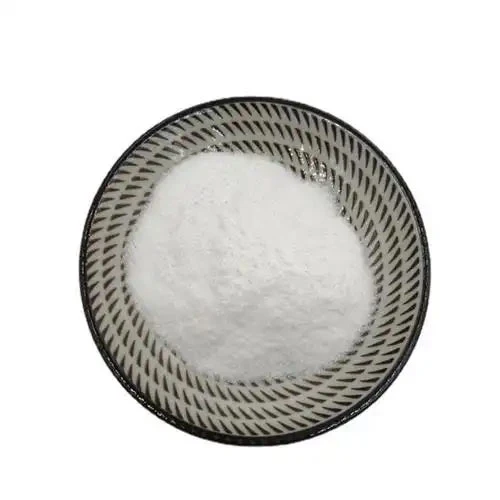
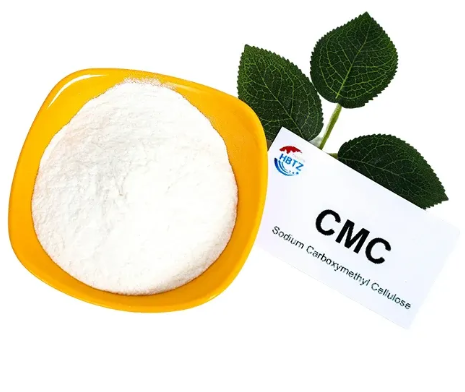
CMC polymer is biodegradable
In the vast landscape of industrial and consumer products, from the food we eat to the paper we write on, there exists a class of unsung heroes: water-soluble polymers. Among these, one of the most versatile and widely used is Carboxymethyl Cellulose, commonly known as CMC. This anionic compound, derived from the world's most abundant natural polymer, cellulose, is a cornerstone material in countless applications. Understanding the unique properties of the cmc polymer, the foundational nature of cmc cellulose, and the specific chemistry of carboxy methyl cellulose is key to appreciating its global impact. This article delves into the world of CMC, exploring its production, functions, and the critical role of specialized manufacturers like Hebei Tangzhi Technology Co., Ltd. in delivering the quality and consistency that modern industries demand.
Understanding the Core Composition of the CMC Polymer
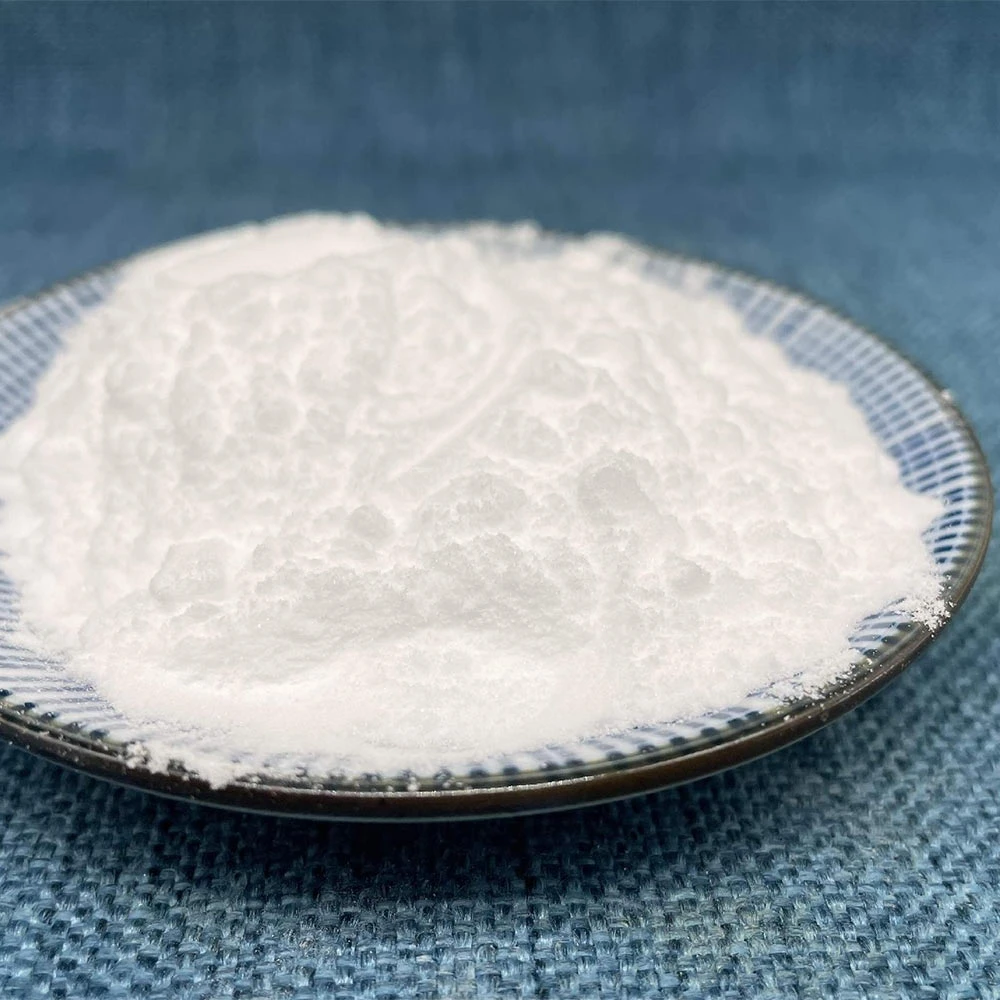
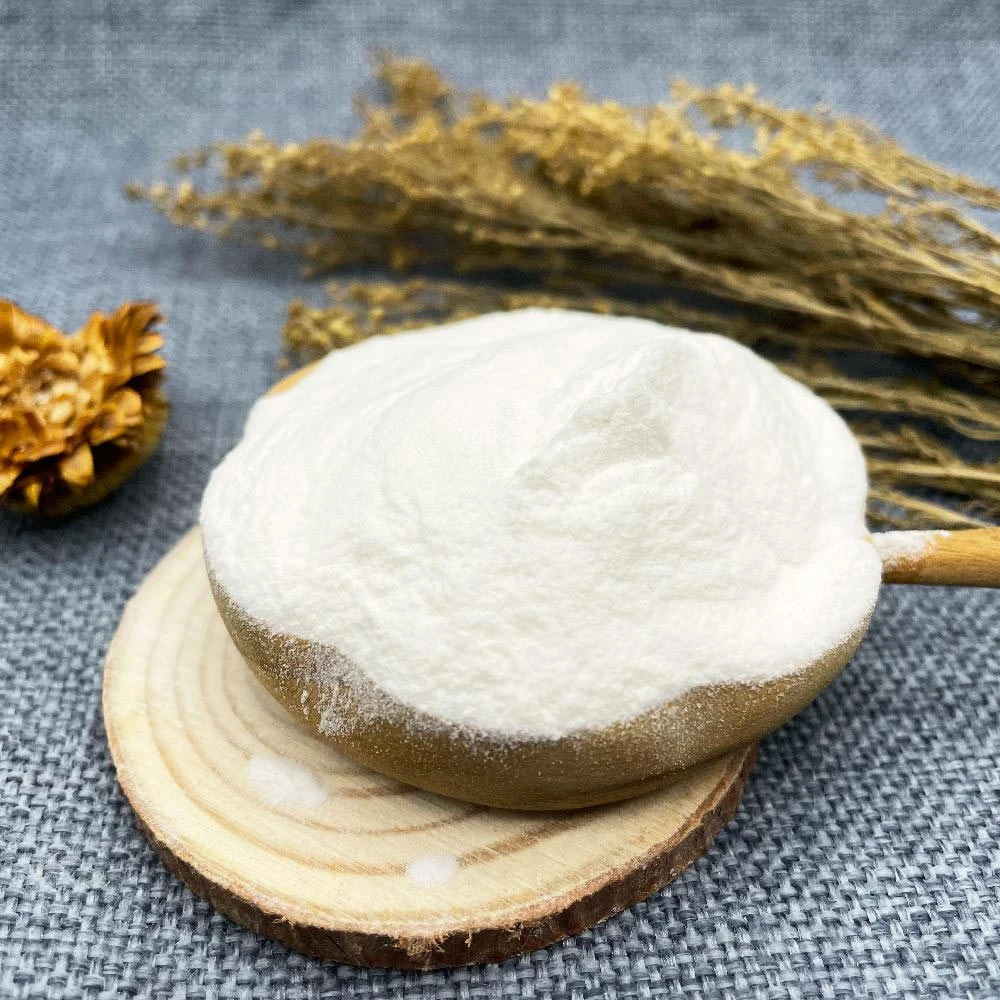
The journey of the cmc polymer begins with cellulose, a natural polysaccharide found in the cell walls of plants. Through a chemical process known as carboxymethylation, this raw cmc cellulose is transformed. The process involves reacting cellulose with sodium hydroxide and monochloroacetic acid, which introduces carboxymethyl groups (-CH2-COOH) onto the cellulose backbone. This modification is what creates the sodium salt known as carboxy methyl cellulose. This seemingly simple alteration fundamentally changes the properties of the material. The native cellulose, which is insoluble in water, becomes a readily water-soluble cmc polymer. The degree of this substitution directly influences key characteristics like solubility, viscosity, and performance. For a manufacturer, controlling this reaction with precision is paramount. Enterprises like Hebei Tangzhi Technology Co., Ltd. have built their reputation on mastering this synthesis, ensuring that every batch of their cmc polymer meets strict specifications for purity and performance, providing a reliable foundation for their clients' formulations.
The Multifunctional Applications of CMC Cellulose
The transformation from inert cmc cellulose to a functional cmc polymer unlocks a wide array of applications across diverse sectors. Its ability to modify the rheology of water-based systems makes it an indispensable additive. The functionality of this versatile compound can be summarized as follows:
- Thickening:It significantly increases the viscosity of aqueous solutions, which is crucial in products like sauces, detergents, and drilling muds.
- Water Retention:It helps products retain moisture, a vital property in the food industry to prevent staling and in the construction industry for cement-based products.
- Film Formation:It can create clear, flexible films, which is useful in coatings and packaging.
- Suspension and Stabilization:It prevents solid particles from settling, ensuring homogeneity in paints, slurries, and beverages.
- Binding:It acts as an adhesive agent in products such as tablets, ceramics, and foundry sands.
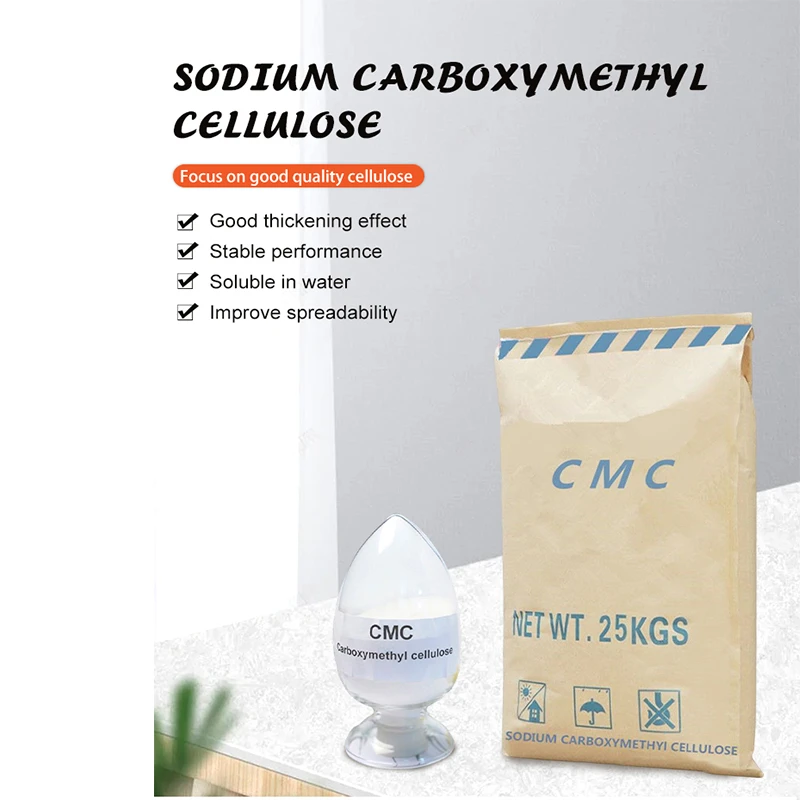
Carboxymethyl cellulose (CMC) is obtained by carboxymethylation of cellulose, and its aqueous solution has the functions of thickening, film formation, bonding, moisture retention, colloidal protection, emulsification and suspension, etc. It is widely used in petroleum, food, medicine, textile and paper industry, and is one of the most important cellulose ethers. This broad utility underscores why a dependable supply of high-quality cmc cellulose is a strategic necessity for so many businesses.
Key Industries Transformed by Carboxy Methyl Cellulose
The unique properties of carboxy methyl cellulose have made it a transformative ingredient in numerous fields. Its non-toxic, hypoallergenic, and biodegradable nature further enhances its appeal, especially in sensitive applications like food and pharmaceuticals. The following table illustrates its pivotal role across different sectors:
|
Industry |
Primary Function of Carboxy Methyl cellulose |
|
Food & Beverage |
Acts as a thickener, stabilizer, and texture modifier in items like ice cream, yogurt, and sauces. |
|
Pharmaceuticals |
Serves as a binder in tablets, a disintegrant, and a viscosity-increasing agent in liquid medicines. |
|
Oil & Gas |
Functions as a key component in drilling fluids to control viscosity and fluid loss. |
|
Paper & Textile |
Used as a sizing agent and coating to improve strength and printability in paper, and as a thickener in textile printing. |
|
Personal Care |
Provides thickening and suspension properties in toothpaste, lotions, and shampoos. |
This cross-industry reliance places a significant demand on manufacturers to not only produce carboxy methyl cellulose but to do so with a deep understanding of the specific regulatory and performance requirements of each vertical.
Ensuring Quality and Consistency in CMC Cellulose Manufacturing
Producing a high-quality cmc cellulose is a complex process that requires meticulous control at every stage. From the sourcing of raw cellulose to the final packaging, every step impacts the final product's characteristics. Key parameters that must be rigorously controlled include:
- Purity:Ensuring the final cmc polymer is free from impurities and by-products that could interfere with its performance or safety.
- Viscosity:Producing different grades of carboxy methyl cellulose with precise and consistent viscosity profiles for specific applications.
- Degree of Substitution (DS):Maintaining a tight DS range to guarantee predictable solubility and functionality.
- Particle Size:Controlling the granulation to ensure rapid and lump-free dissolution for the end-user.
For an enterprise like Shandong Tongzhou Chemical, a steadfast commitment to controlling these variables is the bedrock of their operation, ensuring that clients receive a cmc cellulose product that performs identically in every single batch.
FAQS about Common Questions About CMC cellulose
What is the primary source for the production of cmc cellulose
The primary source for cmc cellulose is natural cellulose, typically derived from purified wood pulp or cotton linters, which is then chemically modified to create the final product.
How does the cmc polymer function as a thickener
The cmc polymer thickens by dissolving in water and forming a colloidal network that traps water molecules, thereby increasing the solution's viscosity and providing body and stability.
Is carboxy methyl cellulose safe for use in food products
Yes, high-purity grades of carboxy methyl cellulose are generally recognized as safe (GRAS) by international food safety authorities and are widely used as thickeners and stabilizers in a vast array of food items.
What are the key differences between various grades of cmc polymer
The key differences between grades of cmc polymer lie in their Degree of Substitution (DS), viscosity in aqueous solution, and purity, which are tailored for specific industrial applications from food to oil drilling.
Why is the consistency of carboxy methyl cellulose between batches so critical for manufacturers
The consistency of carboxy methyl cellulose is critical because any variation can alter the performance, texture, and stability of the final product, leading to production issues and potential quality control failures for the manufacturer.
In a world where the performance of your product depends on the quality of your ingredients, partnering with a reliable and expert manufacturer is not just an option—it is a necessity. Hebei Tangzhi Technology Co., Ltd. stands ready to be that partner, offering not just superior cmc polymer but also the technical expertise and unwavering quality assurance your business requires. We invite you to visit our company to witness our advanced production facilities and discuss how our high-performance carboxy methyl cellulose solutions can drive innovation and efficiency in your operations. Do not settle for less; choose a supplier dedicated to your success. Contact us today to begin a productive partnership.
-
HPMC High-Performance Thickener | Hebei TangzhiNewsMar.06,2026
-
Wholesale Water Reducing Admixture for Special Cement: Performance and Market InsightsNewsFeb.28,2026
-
The Complete Guide to HPMC: Types, Applications, Grades, and Manufacturing InsightsNewsFeb.28,2026
-
Redispersible Polymer Powder: Types, Applications, and Performance AdvantagesNewsFeb.28,2026
-
Hydroxymethyl Ethyl Cellulose (MHEC): Properties, Applications, and Market InsightsNewsFeb.28,2026
-
Hydroxyethyl Cellulose: Applications, Performance, and Buying GuideNewsFeb.28,2026