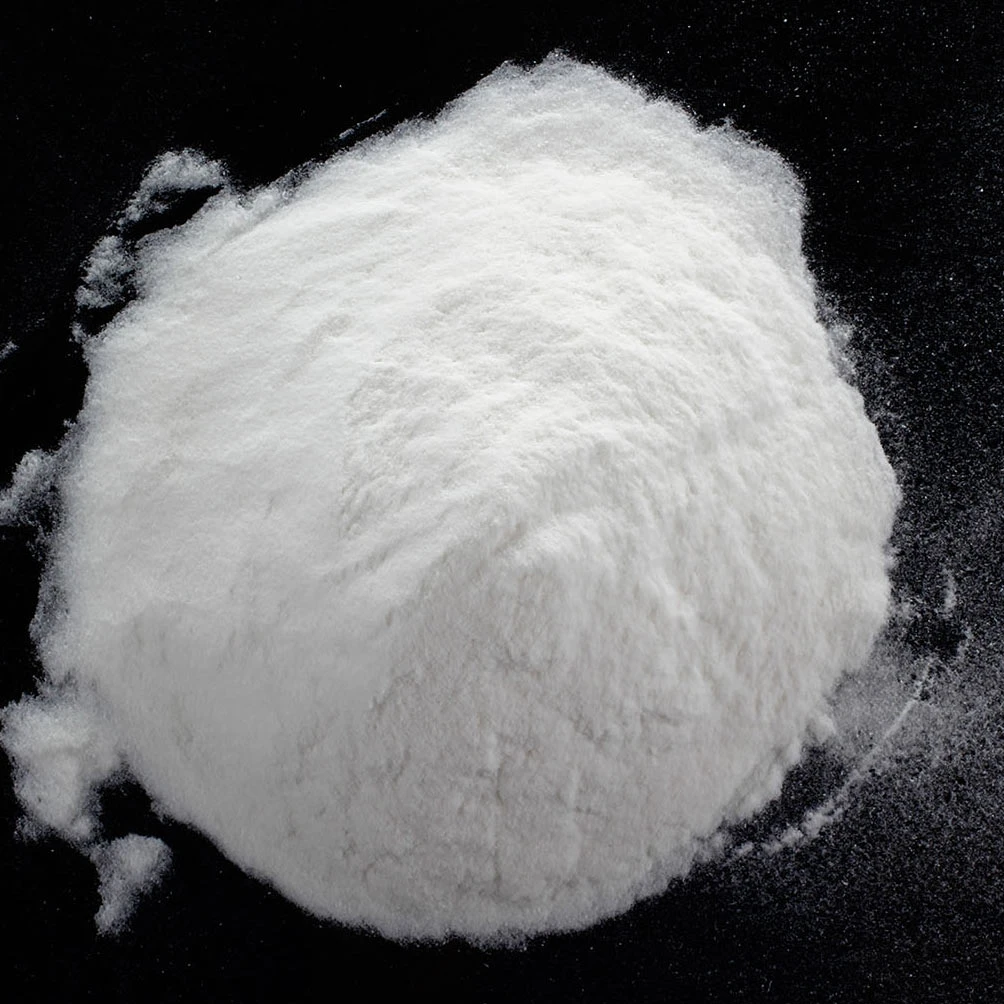
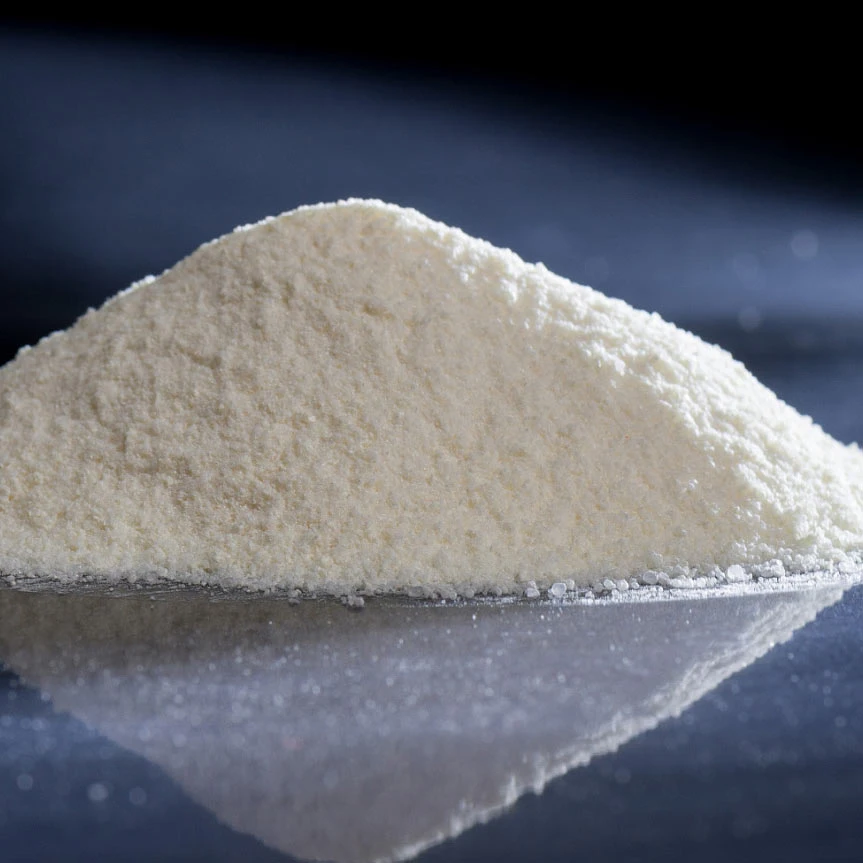
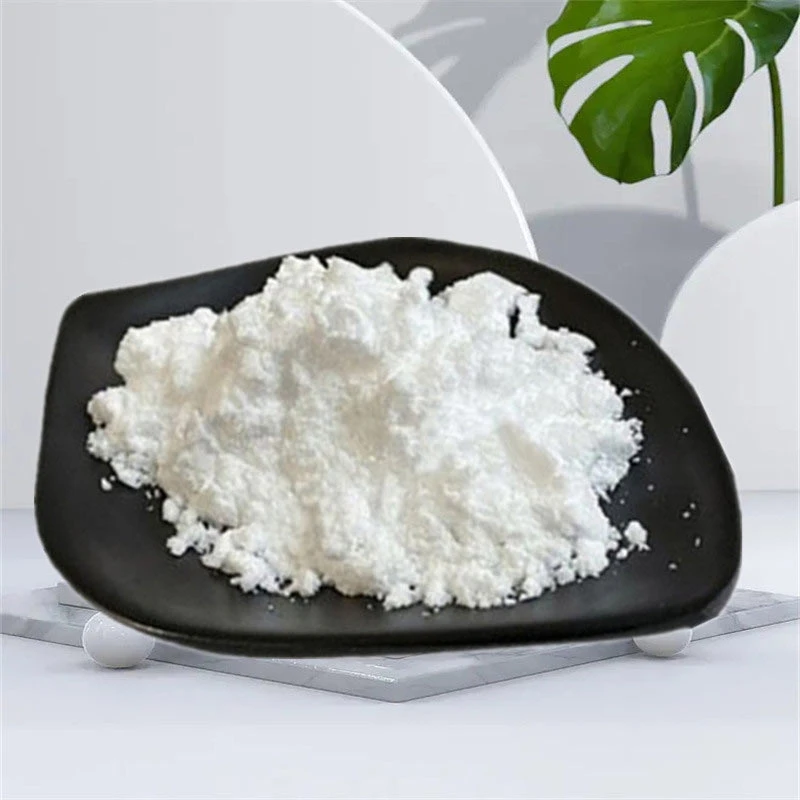
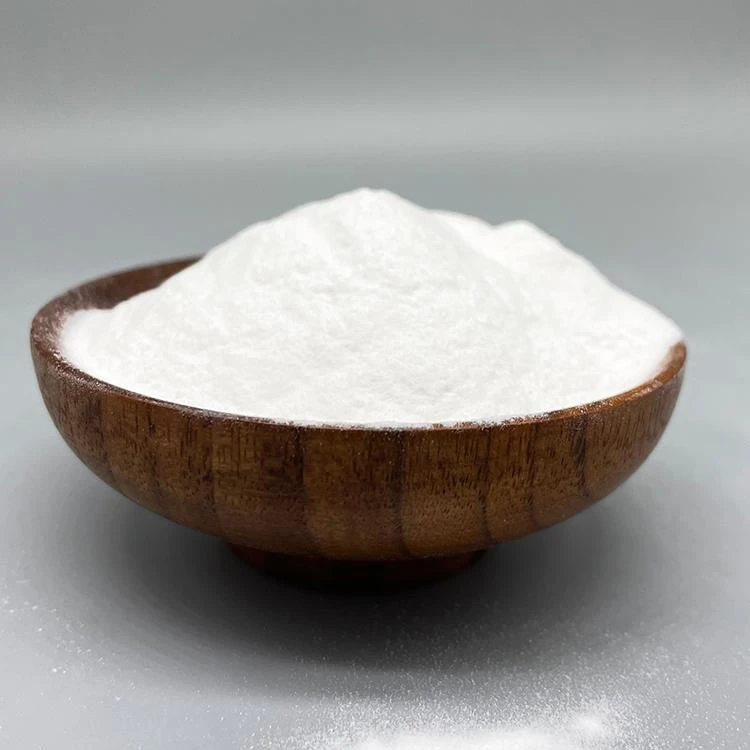
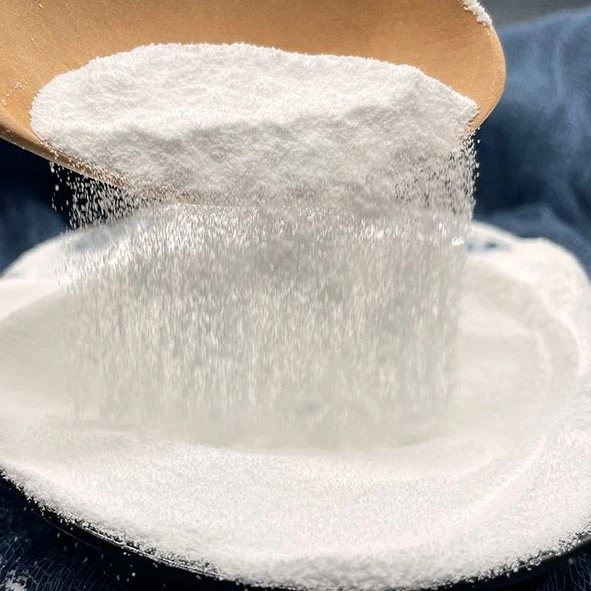
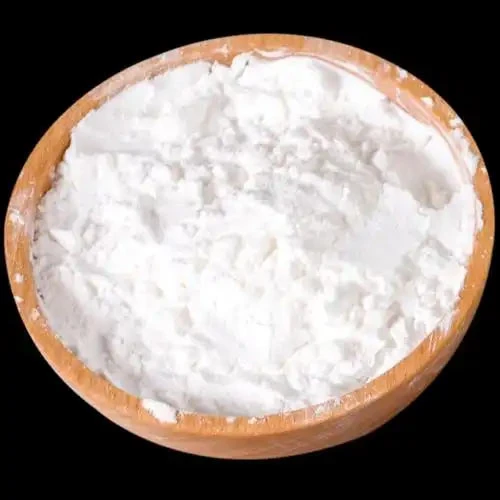
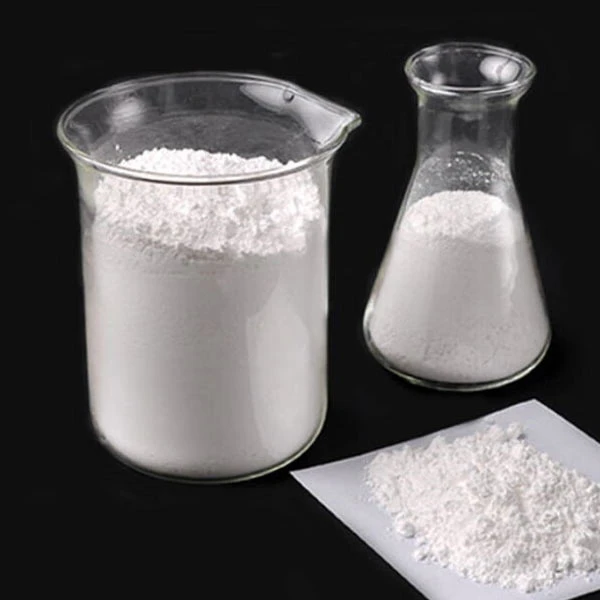
Hydroxyethyl cellulose for paint is highly compatible
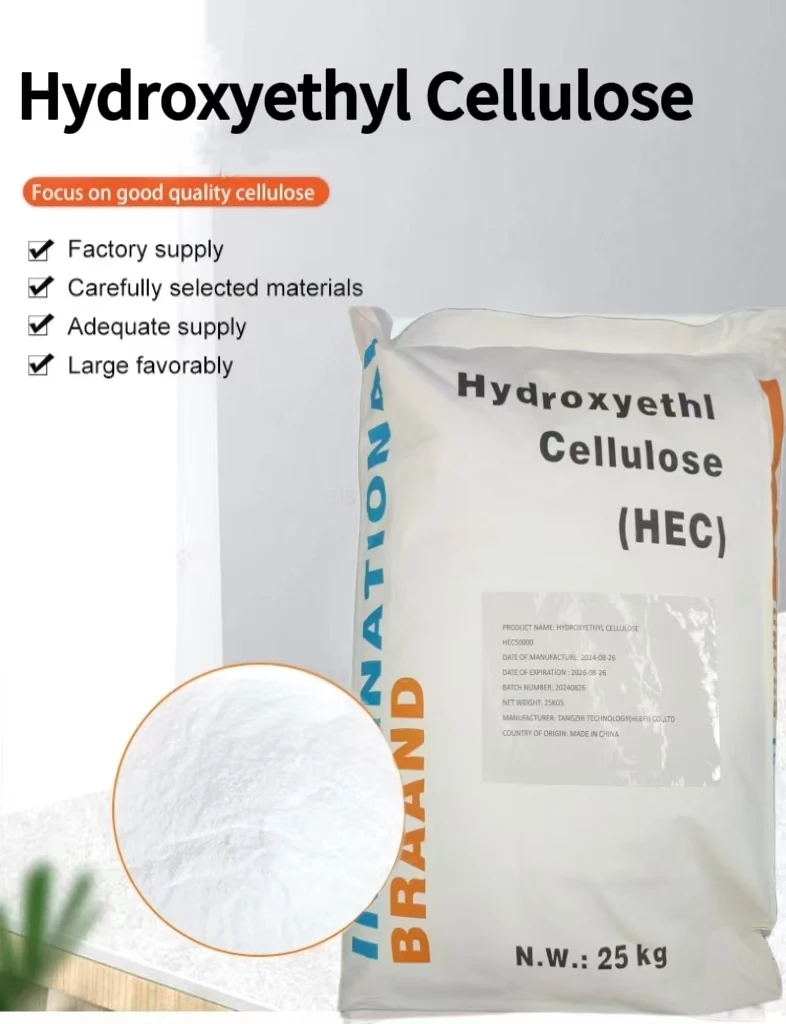
The world of modern coatings relies on a delicate balance of chemistry to achieve the perfect finish, application properties, and long-term durability. At the heart of many high-performance water-based paints lies a key ingredient: hydroxyethyl cellulose for paint. This versatile, non-ionic polymer is the secret weapon for formulators seeking to control rheology, prevent sagging, and ensure a smooth, consistent product. Understanding the intricacies of the hydroxyethyl cellulose formula and the legacy of trusted brands like ashland hydroxyethyl cellulose is crucial for anyone involved in the manufacturing or application of premium paints and coatings. This article delves into the science, application, and sourcing of HEC, highlighting why it remains an indispensable component in the industry.
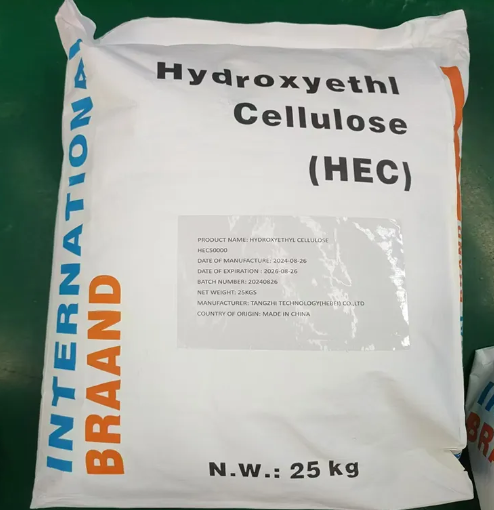
The Essential Role of Hydroxyethyl Cellulose for Paint Formulations
The primary function of hydroxyethyl cellulose for paint is to act as a thickener and rheology modifier. Its unique properties directly address several common challenges in paint manufacturing and application. When added to a water-based system, HEC molecules hydrate and uncoil, creating a network that traps water and pigment particles. This action results in a controlled increase in viscosity, which is critical for achieving the desired consistency. The benefits of this mechanism are multifold:
- It prevents the settlement of pigments and fillers during storage, ensuring the paint remains homogeneous from the first can to the last.
- It provides anti-sag properties, allowing for thicker application on vertical surfaces without drips or runs.
- It enhances the flow and leveling of the paint, leading to a smoother final film with minimal brush marks.
- It improves water retention, which is particularly important in certain specialty coatings. A reliable supply of high-quality HEC, consistent with the standards of ashland hydroxyethyl cellulose, is therefore fundamental to producing a predictable and high-performing paint product.
Decoding the Science Behind the Hydroxyethyl Cellulose Formula
The remarkable performance of HEC stems from its specific molecular structure. The hydroxyethyl cellulose formula is derived from cellulose, a natural polymer found in plant cell walls. Through a series of chemical reactions, ethylene oxide is added to the cellulose backbone, introducing hydroxyethyl groups (-CH2-CH2-OH). This modification transforms the inherently water-insoluble cellulose into a readily water-soluble polymer. The non-ionic nature of the hydroxyethyl cellulose formula is a key advantage, as it makes the polymer less sensitive to dissolved salts and stable over a wide pH range, unlike some ionic thickeners. The degree of substitution (DS) and molar substitution (MS) of these hydroxyethyl groups are carefully controlled during manufacturing to produce various grades of HEC, each tailored for specific viscosity, solubility, and clarity requirements. This scientific precision in developing the hydroxyethyl cellulose formula is what allows it to deliver consistent thickening and stabilizing performance.
Navigating the Market: From Ashland Hydroxyethyl cellulose to Global Suppliers
For decades, the name ashland hydroxyethyl cellulose has been synonymous with quality and reliability in the cellulose ether market. Brands like this have set a high standard for purity, consistency, and technical support. However, the global market for HEC is dynamic, with several reputable manufacturers offering high-quality products that meet rigorous international standards. When selecting a supplier, it is crucial to look beyond the brand name and evaluate the company's commitment to:
- Consistent quality and batch-to-batch uniformity.
- Technical expertise and customer support.
- A robust supply chain to ensure reliable delivery.
The ability to provide various grades suited for different applications. Our company stands as a committed partner in this space, dedicated to providing hydroxyethyl cellulose for paint that meets the highest performance benchmarks, backed by exceptional service and support.
Best Practices for Incorporating the Hydroxyethyl Cellulose Formula
To fully leverage the benefits of the hydroxyethyl cellulose formula, it must be incorporated correctly into the paint manufacturing process. Improper addition can lead to clumping, inefficient dissolution, and fish eyes, which are difficult to eliminate. The recommended best practices include:
- Dispersion in High Shear:HEC powder should be added under vigorous agitation to ensure individual particles are separated and wetted quickly.
- Neutral pH Addition:Adding the powder at a neutral pH promotes faster and more complete dissolution.
- Slurry Method:For some systems, pre-dispersing HEC in a non-solvent like glycol before adding to the water phase can prevent clumping.
- Post-Addition of Other Components:Ensuring the HEC is fully dissolved before adding other ingredients like pigments and dispersants is critical for achieving a smooth, lump-free paint. Following these guidelines ensures that the hydroxyethyl cellulose formula performs optimally, providing the desired thickening and stabilization efficiently.
FAQS about Common Questions About Hydroxyethyl Cellulose
What makes hydroxyethyl cellulose for paint a preferred thickener over other options
Hydroxyethyl cellulose for paint is often preferred due to its non-ionic nature, which provides excellent compatibility with other ingredients, strong thickening efficiency, and superior spatter resistance in roller applications compared to some alternative thickeners.
Is the performance of ashland hydroxyethyl cellulose different from other HEC brands
While the fundamental hydroxyethyl cellulose formula is similar, specific manufacturing processes and quality control can lead to variations in performance; historically, ashland hydroxyethyl cellulose is known for its high purity and reliable performance, but other manufacturers also produce HEC that meets stringent industry specifications.
How does the hydroxyethyl cellulose formula contribute to paint shelf life
The hydroxyethyl cellulose formula creates a stable network that effectively suspends solid particles, preventing them from settling into a hard pack at the bottom of the can, thereby significantly extending the shelf life and usability of the paint.
Can hydroxyethyl cellulose for paint be used in all types of coatings
hydroxyethyl cellulose for paint is primarily used in water-based latex coatings and is not suitable for solvent-based systems, as it requires water to hydrate and develop its thickening properties.
What are the key variables in the hydroxyethyl cellulose formula that affect paint viscosity
The key variables in the hydroxyethyl cellulose formula that affect viscosity are the polymer's molecular weight and the degree of substitution, with higher molecular weight grades providing higher viscosity at equivalent use levels.
In a competitive market, the quality of your raw materials defines the quality of your final product. Do not leave your paint formulations to chance. We invite you to visit our company to learn more about our commitment to excellence and to discuss how our high-performance hydroxyethyl cellulose for paint can enhance your coatings. Partner with us for reliable supply, expert technical support, and a commitment to helping you achieve a superior finish. Contact us today to request a sample and experience the difference for yourself.
-
HPMC High-Performance Thickener | Hebei TangzhiNewsMar.06,2026
-
Wholesale Water Reducing Admixture for Special Cement: Performance and Market InsightsNewsFeb.28,2026
-
The Complete Guide to HPMC: Types, Applications, Grades, and Manufacturing InsightsNewsFeb.28,2026
-
Redispersible Polymer Powder: Types, Applications, and Performance AdvantagesNewsFeb.28,2026
-
Hydroxymethyl Ethyl Cellulose (MHEC): Properties, Applications, and Market InsightsNewsFeb.28,2026
-
Hydroxyethyl Cellulose: Applications, Performance, and Buying GuideNewsFeb.28,2026