Enhancing Concrete Quality: Water Reducing Admixture Types and Polycarboxylate Innovations
Concrete technology has seen remarkable advancements with the introduction of specialized additives known as water reducing admixtures. These additives improve the workability and strength of concrete without increasing water content, paving the way for durable and high-performance structures. This article explores various water reducing admixture types, the role of high performance water reducer products, and the growing importance of polycarboxylate concrete technologies.
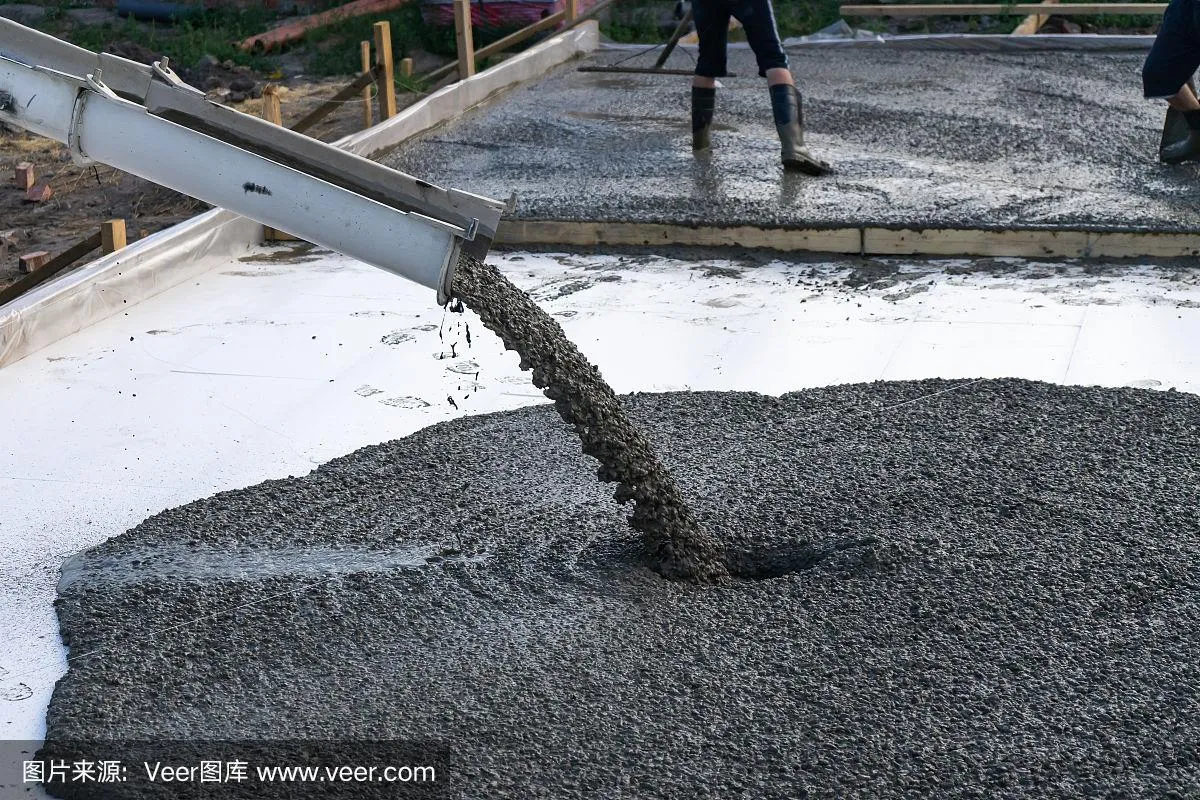
Overview of Water Reducing Admixture Types and Their Benefits
Water reducing admixture types are additives that reduce the water demand of concrete mixtures while maintaining or improving workability. Traditional water reducers include lignosulfonates and naphthalene sulfonates, which have been widely used for decades. However, recent innovations focus on polycarboxylate concrete admixtures, which deliver superior performance.
A high performance water reducer typically refers to advanced admixtures capable of achieving high fluidity and reduced water-cement ratios simultaneously. This leads to improved concrete strength, durability, and reduced permeability.
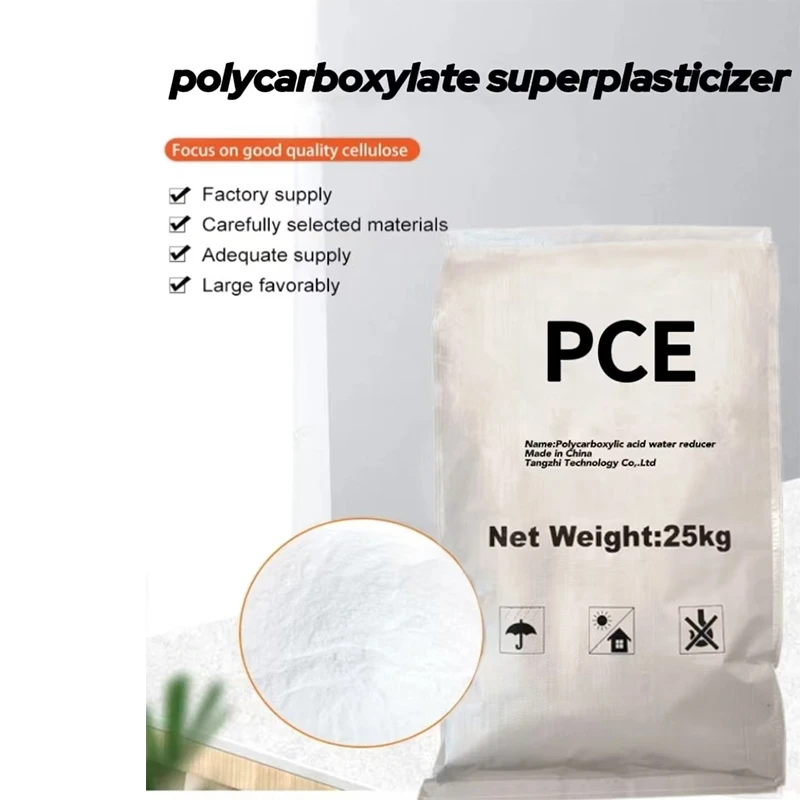
Among the most effective modern water reducers is the pce based superplasticizer. Polycarboxylate ether (PCE) superplasticizers function by dispersing cement particles more efficiently than older-generation admixtures, offering enhanced slump retention and flow properties.
Concrete manufacturers often source these materials directly from a pce factory to ensure consistent quality and cost-effectiveness. The polycarboxylate price is influenced by raw material availability and production scale, but investing in quality PCE admixtures results in long-term structural benefits and cost savings.
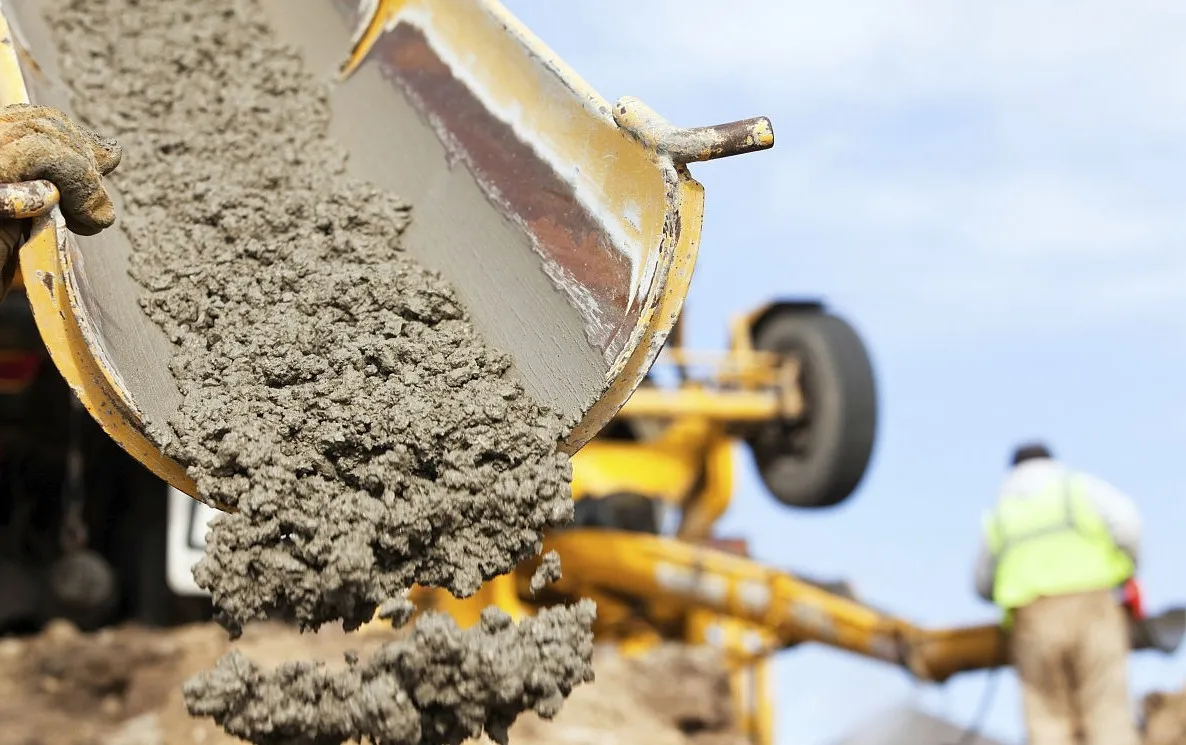
Applications and Market Trends in Polycarboxylate Concrete
The integration of concrete water reducer admixtures, especially pce based superplasticizer types, is becoming the industry standard for high-strength and high-performance concrete mixes. These admixtures enable the use of less water without sacrificing workability, reducing cracking, shrinkage, and improving durability.
Due to their versatility, polycarboxylate concrete products are used in infrastructure projects, precast concrete elements, and architectural concrete. Manufacturers working with a reliable pce factory can customize formulations based on project requirements, balancing cost and performance.
As demand increases, the polycarboxylate price remains competitive due to technological advancements and economies of scale, making these admixtures accessible for a wide range of construction applications.
Product FAQs
1. What are the common types of water reducing admixtures?
Answer: The main water reducing admixture types include traditional lignosulfonates, naphthalene sulfonates, and advanced polycarboxylate ether (PCE) based superplasticizers.
2. How does a high performance water reducer improve concrete?
Answer: A high performance water reducer lowers the water-to-cement ratio while maintaining workability, resulting in stronger, more durable concrete with better surface finish.
3. What is a pce based superplasticizer?
Answer: A pce based superplasticizer is a polycarboxylate ether compound that disperses cement particles effectively, enhancing fluidity and slump retention in concrete mixes.
4. Where can I buy quality polycarboxylate admixtures?
Answer: Reliable admixtures are available from specialized pce factories or authorized distributors that ensure consistent product quality and support.
5. What factors affect polycarboxylate price?
Answer: The polycarboxylate price depends on raw material costs, manufacturing scale, and formulation complexity. Bulk purchasing typically reduces unit cost.
-
HPMC High-Performance Thickener | Hebei TangzhiNewsMar.06,2026
-
Wholesale Water Reducing Admixture for Special Cement: Performance and Market InsightsNewsFeb.28,2026
-
The Complete Guide to HPMC: Types, Applications, Grades, and Manufacturing InsightsNewsFeb.28,2026
-
Redispersible Polymer Powder: Types, Applications, and Performance AdvantagesNewsFeb.28,2026
-
Hydroxymethyl Ethyl Cellulose (MHEC): Properties, Applications, and Market InsightsNewsFeb.28,2026
-
Hydroxyethyl Cellulose: Applications, Performance, and Buying GuideNewsFeb.28,2026