The Versatility of Polyvinyl Alcohol in Construction and Manufacturing
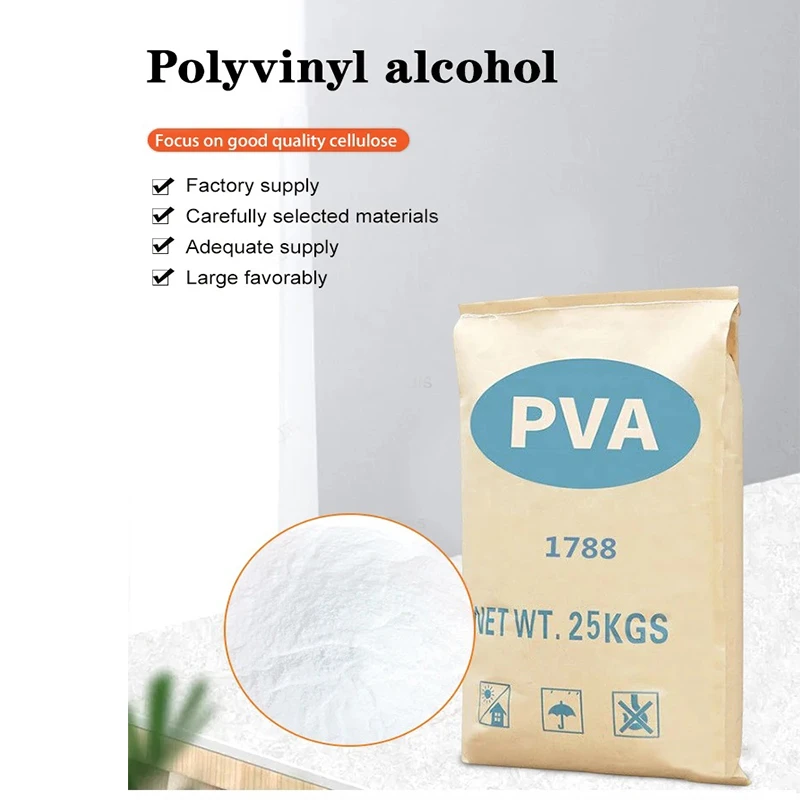
As industries seek materials that offer flexibility, strength, and environmental compatibility, polyvinyl alcohol plastic (PVA) stands out as a multifunctional solution. From construction applications like PVA bond for plastering to specialty films from water soluble film manufacturers, PVA’s performance and adaptability continue to expand its global demand. This article explores the chemistry, construction uses, and commercial considerations of polyvinyl alcohol.
Polyvinyl Alcohol: Structure, Solubility, and Market Value
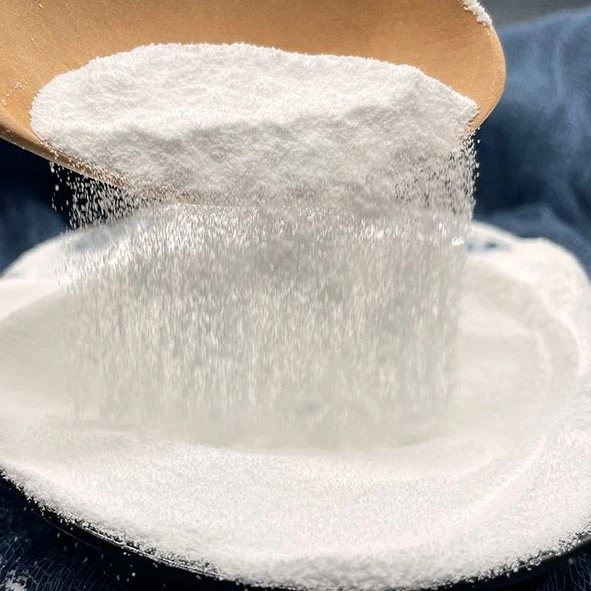
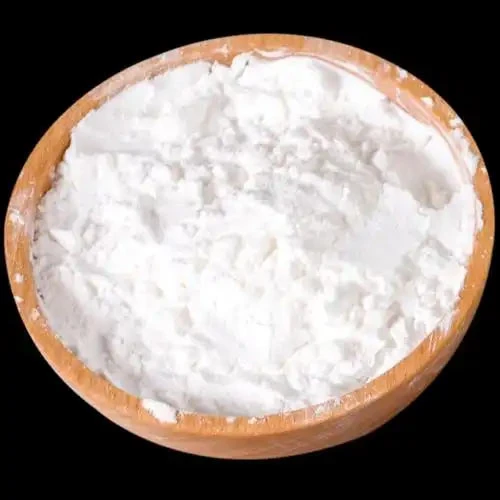
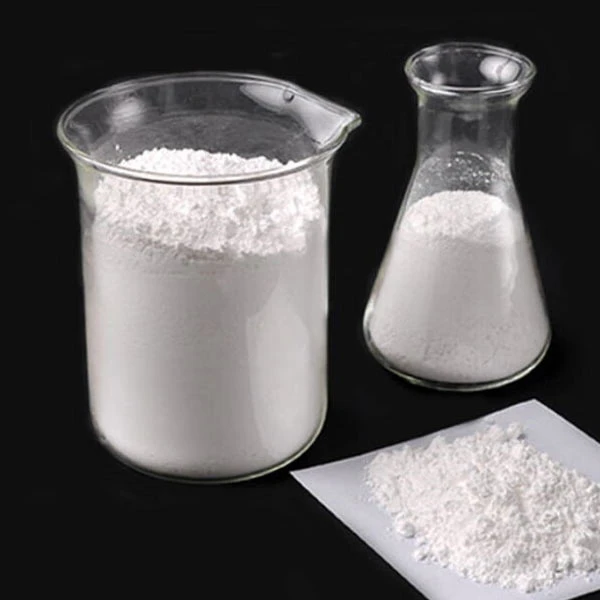
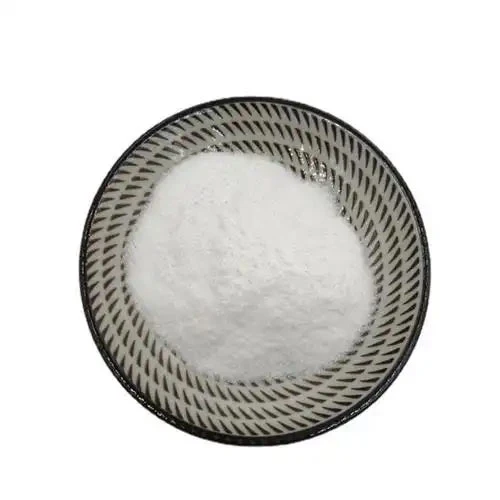
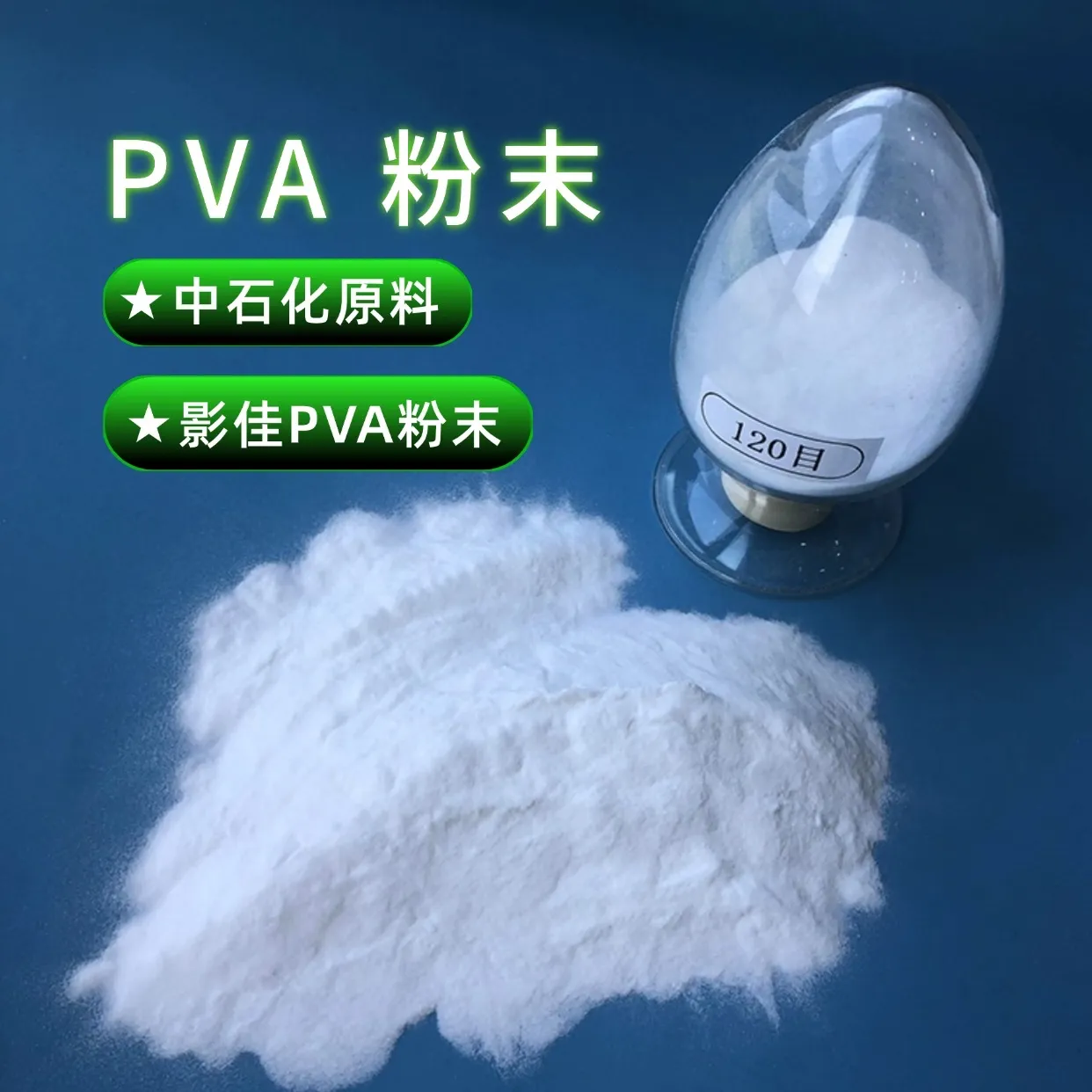
Polyvinyl alcohol plastic is a synthetic polymer derived from polyvinyl acetate. Its basic chemical formula for polyvinyl alcohol is (C₂H₄O)n. One of its defining properties is its water solubility, which varies based on molecular weight and degree of hydrolysis. The solubility of polyvinyl alcohol in water makes it highly useful in biodegradable packaging, adhesives, coatings, and textile sizing.
Technical specifications often include viscosity grades such as PVA 088 20 and PVA 24 88. These denote different levels of polymerization and hydrolysis. PVA 24 88, for example, is known for excellent film-forming and adhesive properties, while PVA 088 20 is more soluble and ideal for fast-dissolving films or binders. Understanding polyvinyl alcohol solubility is critical when selecting the right grade for a given application.
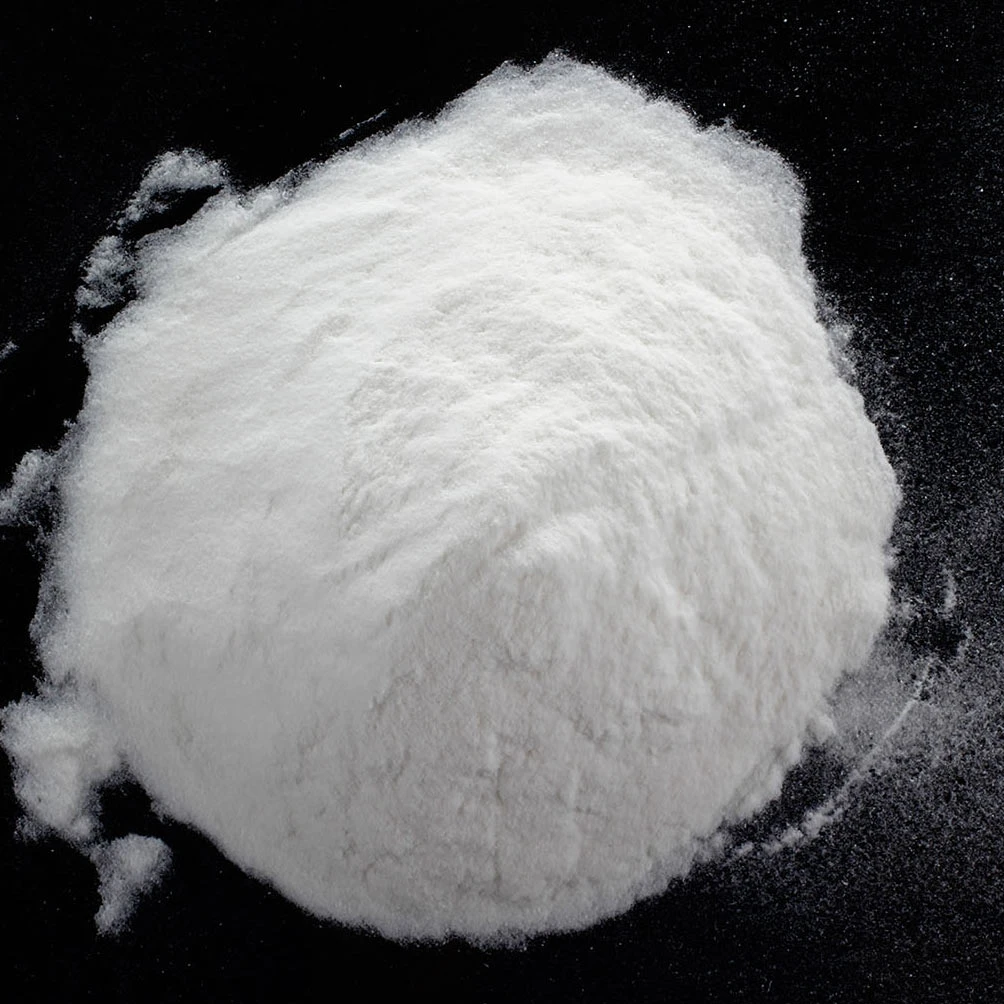
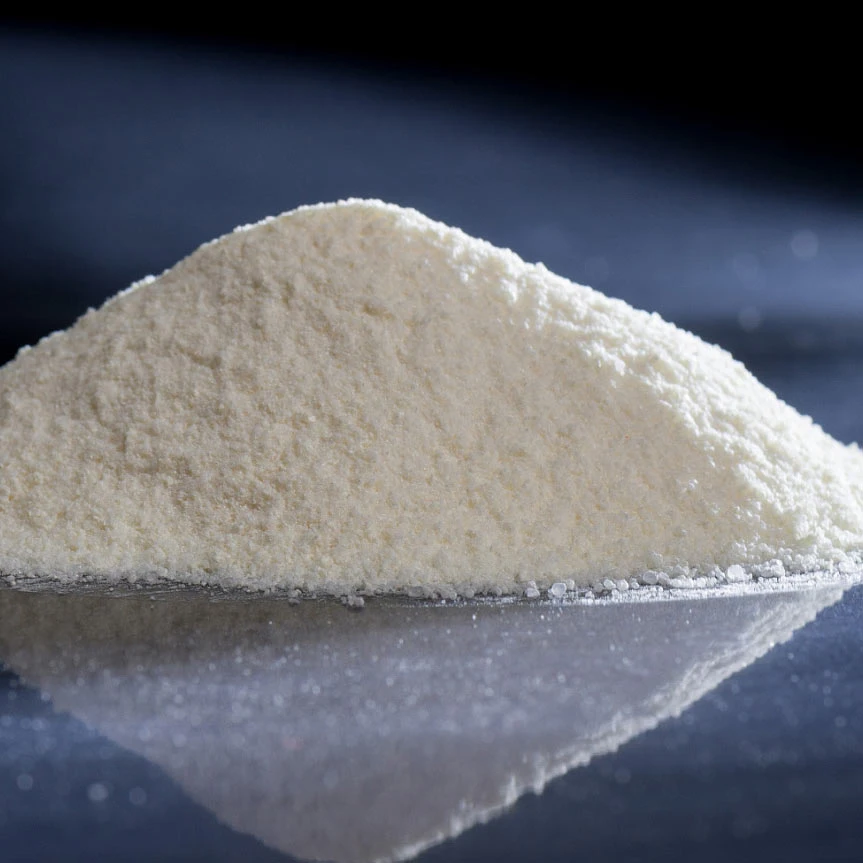
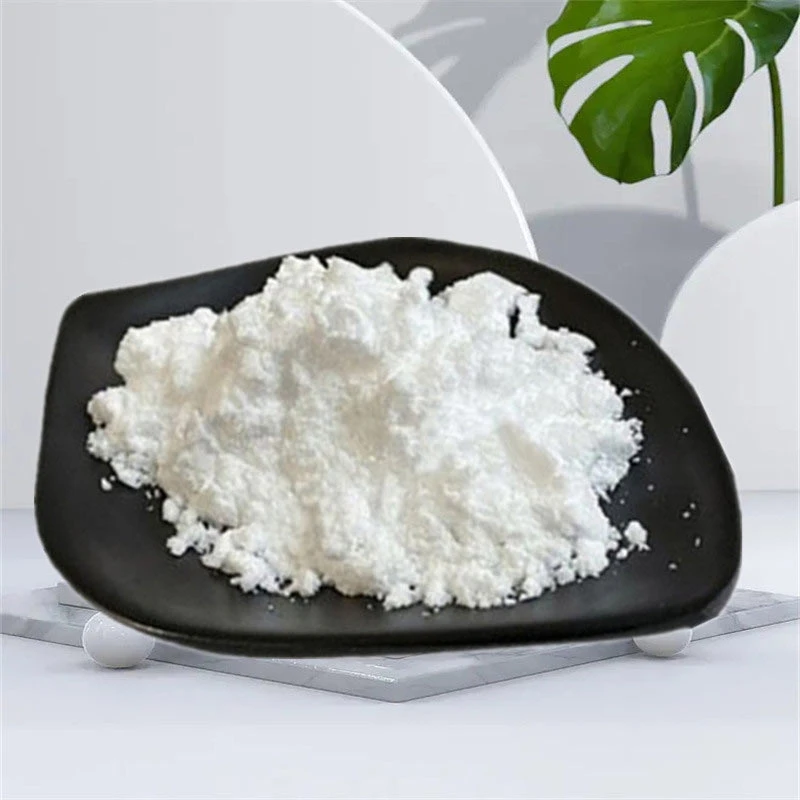
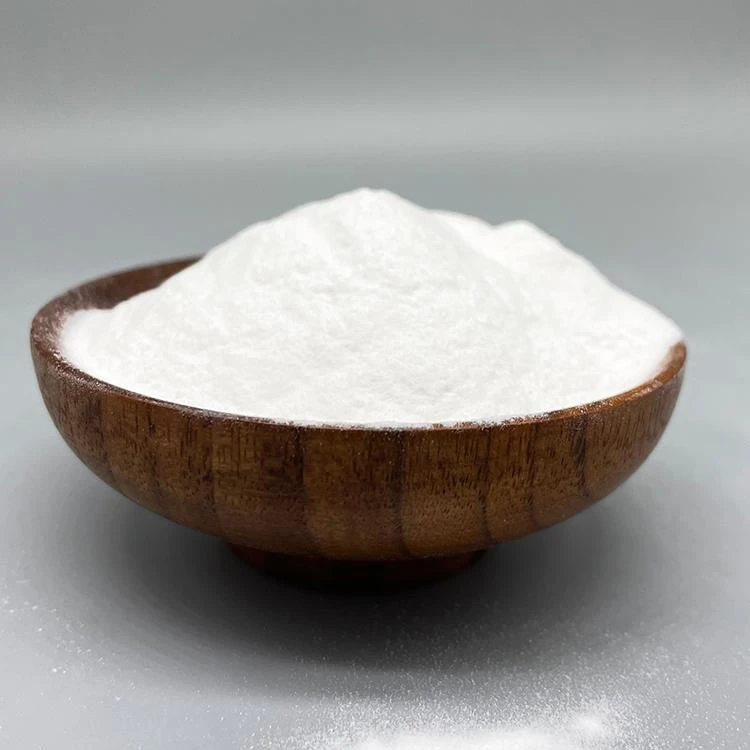
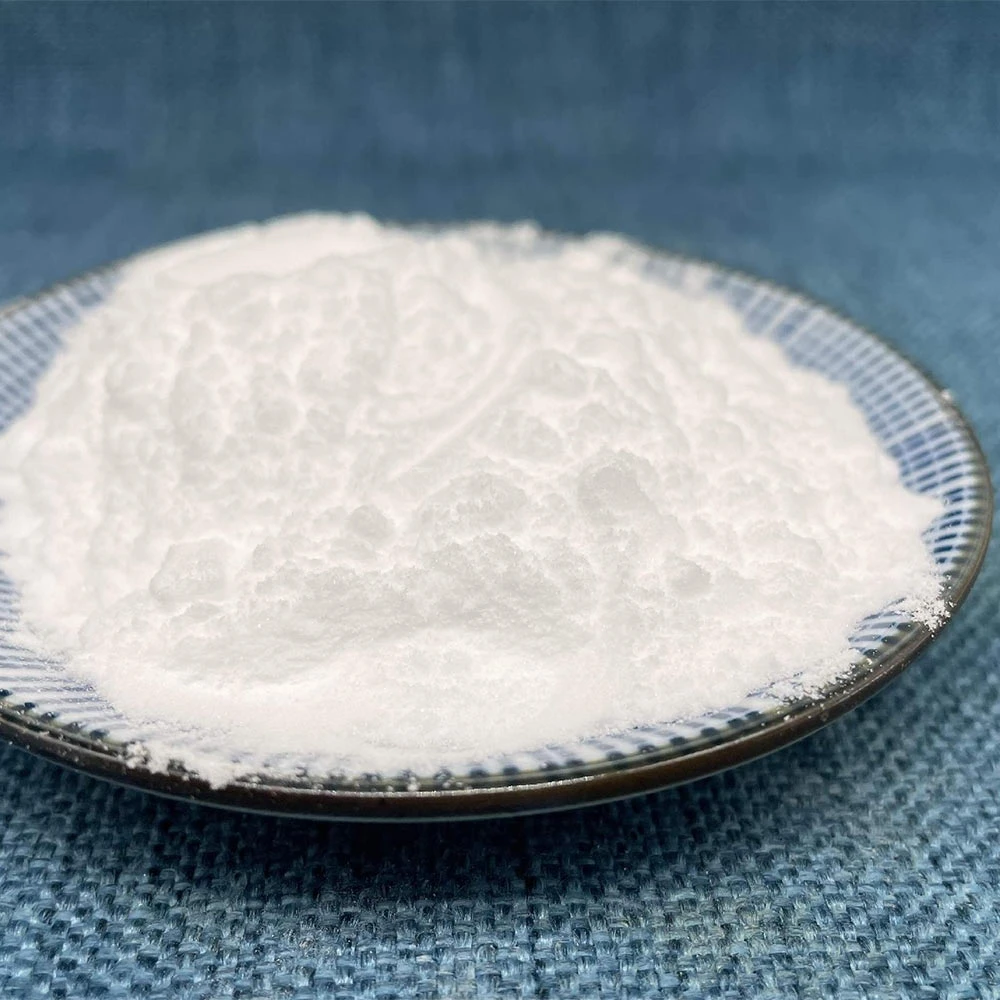
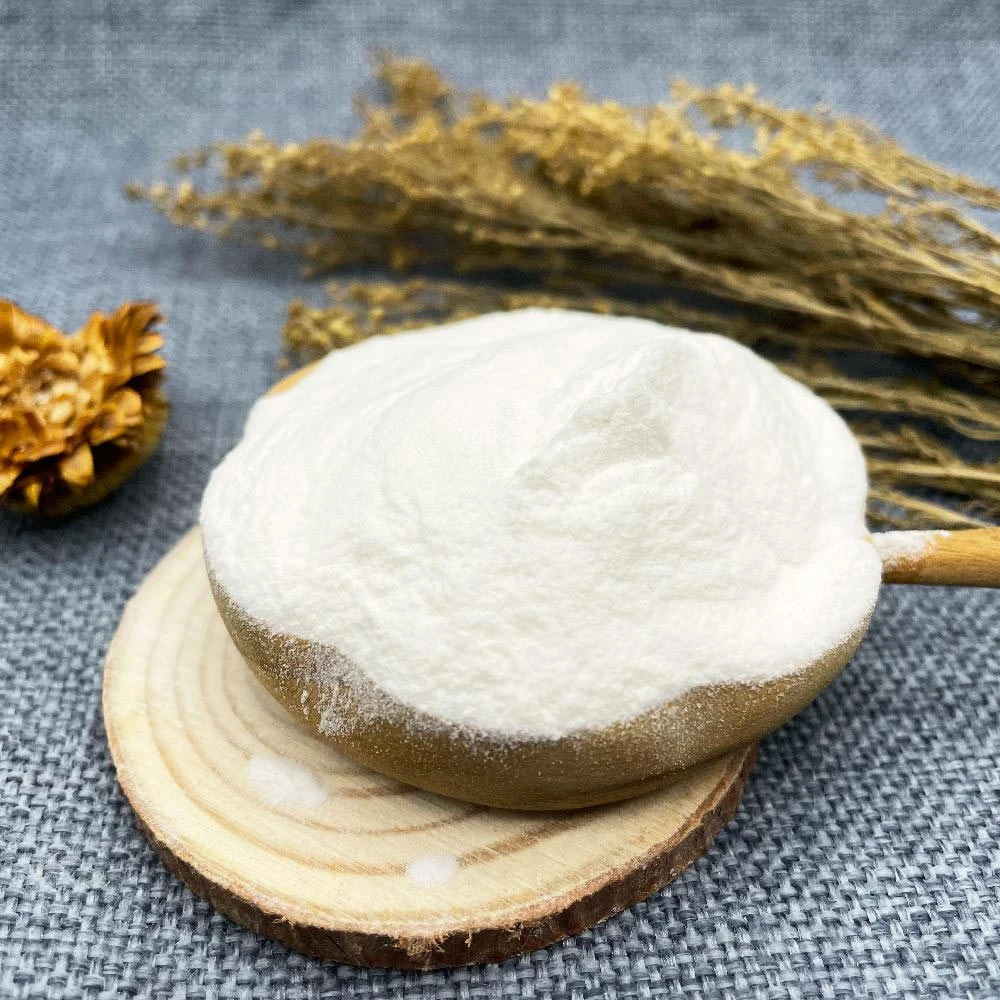
PVA’s versatility has made it a high-demand product worldwide. Buyers looking for polyvinyl alcohol for sale can find it in various formats—powder, granules, and aqueous solutions. The polyvinyl alcohol price per kg varies depending on purity, grade, and market conditions, ranging from a few dollars per kilogram to higher for specialized grades.
PVA in Construction: Bonding and Surface Preparation
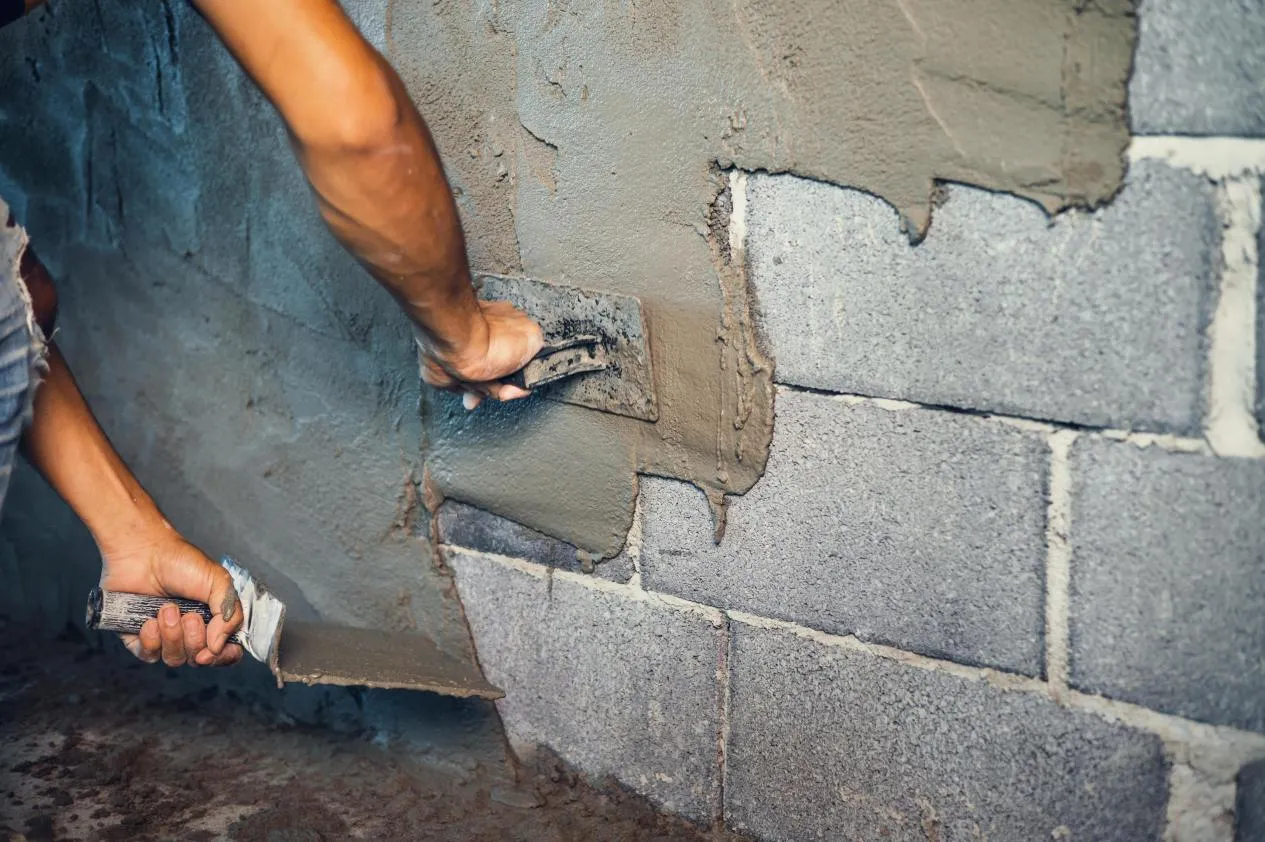
In the construction industry, PVA is widely used as a bonding agent and primer. Adding PVA to mortar improves workability, enhances flexibility, and reduces cracking. It acts as a modifier that strengthens the bond between the substrate and the applied mix, making it especially useful in repair mortar or fine finish applications.
One of the most popular uses is PVA bond for plastering, where the solution is applied to surfaces before plastering to enhance adhesion. When used as PVA for plastering walls, it creates a tacky base that helps plaster grip better, minimizes flaking, and reduces moisture absorption from the wall surface.
These benefits are why builders consistently turn to PVA as a dependable pre-treatment in both residential and commercial construction. Whether it’s a new wall or a renovation, using PVA improves both the process and the outcome.
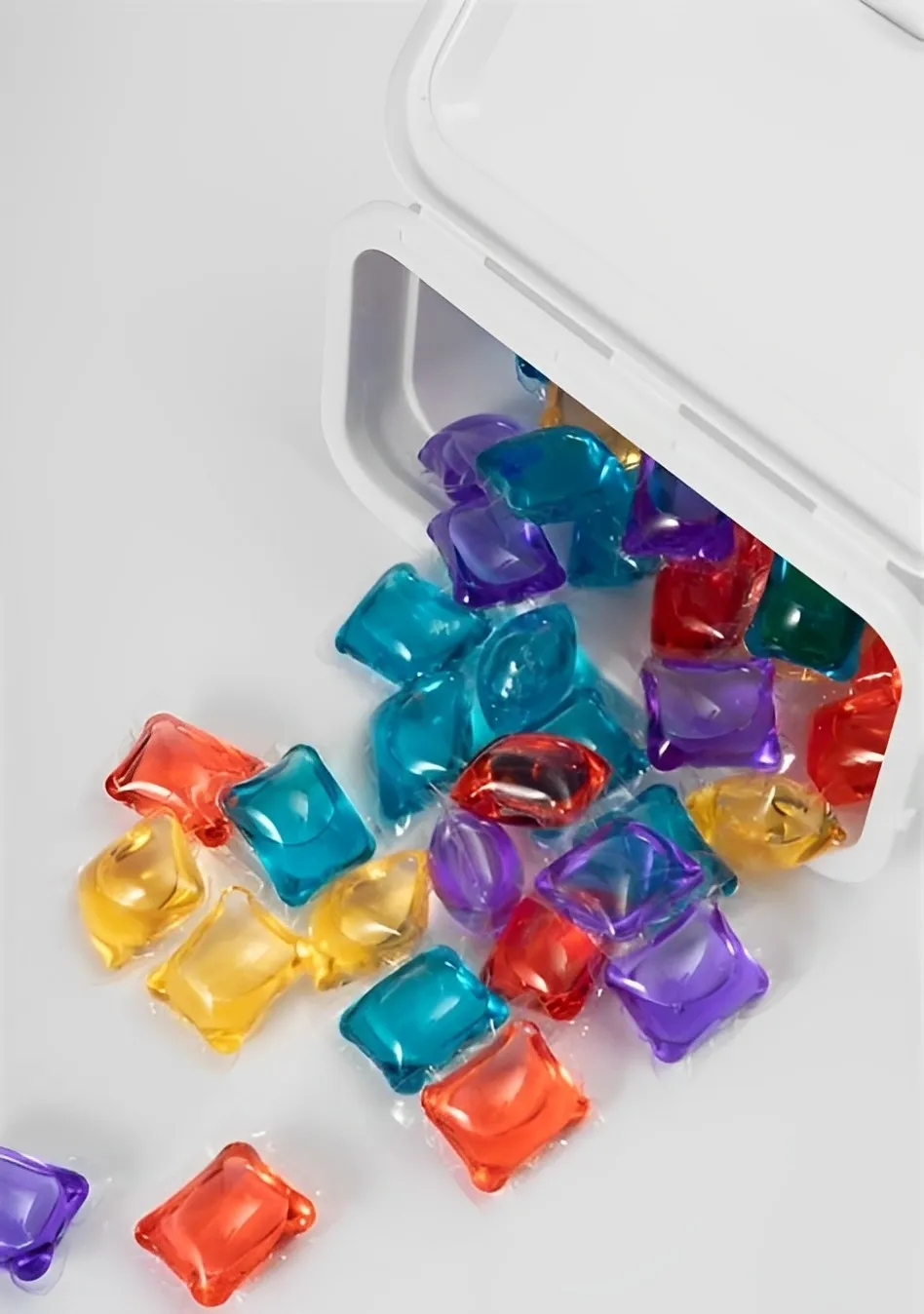
Meanwhile, in the packaging sector, water soluble film manufacturers are leveraging PVA’s eco-friendly and water-dissolvable properties to develop films for agricultural, detergent, and medical applications. These films dissolve in water, eliminating waste and packaging residue.
Frequently Asked Questions (FAQs)
1. What is the chemical formula for polyvinyl alcohol?
Answer: The chemical formula for polyvinyl alcohol is (C₂H₄O)n. It’s a synthetic polymer formed by hydrolyzing polyvinyl acetate, and it is known for its film-forming, emulsifying, and adhesive properties.
2. How does adding PVA to mortar improve construction results?
Answer: Adding PVA to mortar enhances the bond strength, reduces shrinkage, and increases the mortar’s flexibility. It also improves workability and surface adhesion, especially in finishing and repair work.
3. What are PVA 088 20 and PVA 24 88 used for?
Answer: PVA 088 20 is highly water-soluble and used in fast-dissolving applications, while PVA 24 88 offers strong adhesive and film-forming characteristics, suitable for coatings and binding agents.
4. Where can I find polyvinyl alcohol for sale and at what price?
Answer: Polyvinyl alcohol for sale can be found through chemical distributors, industrial supply platforms, or direct from water soluble film manufacturers. The polyvinyl alcohol price per kg depends on grade and volume, typically ranging from $2 to $8 per kg.
5. Is PVA suitable for plastering walls in interior renovation?
Answer: Absolutely. Using PVA for plastering walls enhances surface preparation, improves adhesion, and prevents rapid water loss from the plaster, ensuring a smooth and durable finish.
-
HPMC High-Performance Thickener | Hebei TangzhiNewsMar.06,2026
-
Wholesale Water Reducing Admixture for Special Cement: Performance and Market InsightsNewsFeb.28,2026
-
The Complete Guide to HPMC: Types, Applications, Grades, and Manufacturing InsightsNewsFeb.28,2026
-
Redispersible Polymer Powder: Types, Applications, and Performance AdvantagesNewsFeb.28,2026
-
Hydroxymethyl Ethyl Cellulose (MHEC): Properties, Applications, and Market InsightsNewsFeb.28,2026
-
Hydroxyethyl Cellulose: Applications, Performance, and Buying GuideNewsFeb.28,2026