Polyvinyl Alcohol in Modern Construction: Efficiency, Adhesion, and Automation
In today’s fast-paced building and manufacturing environments, materials that offer both performance and process adaptability are in high demand. Polyvinyl alcohol (PVA) is one such material, known for its adhesive properties, water solubility, and compatibility with modern technologies such as PVA automation systems. This article explores the use of PVA across construction and industrial sectors, including key product types like polyvinyl alcohol powder, bulk PVA bags, and specialty formulations such as PVA1788 and PVA2488.
PVA in Plastering: From Powder to Perfect Walls
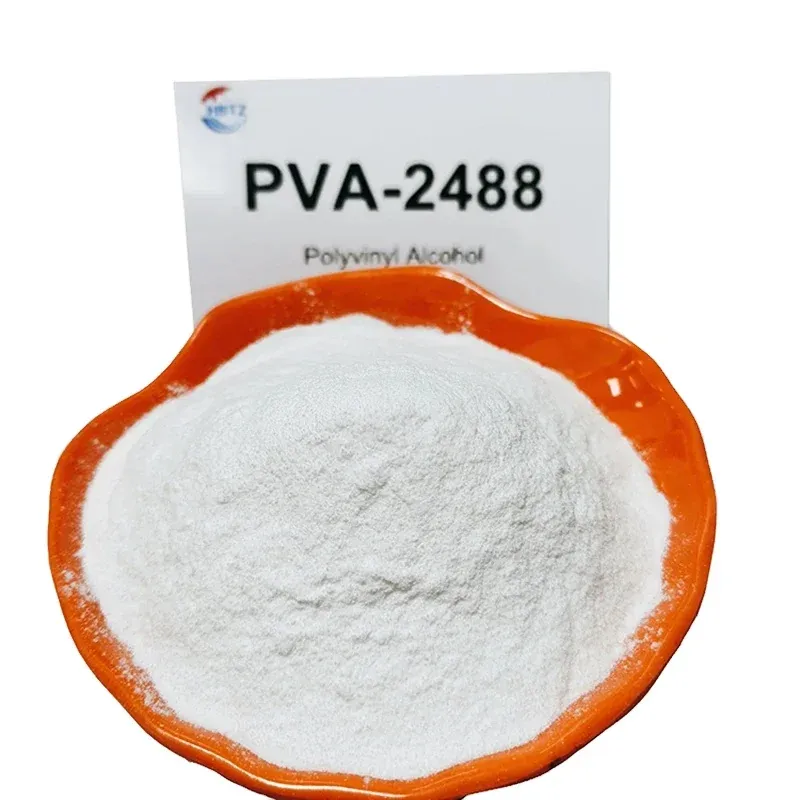
A cornerstone of many construction projects, PVA is frequently used to prepare and finish wall surfaces. Applying PVA for plastering walls improves bonding between substrates and plaster, minimizing cracking and surface dusting. In ceiling prep, using PVA ceiling before plastering is a common practice to ensure the plaster adheres smoothly and evenly, especially on porous or uneven surfaces.
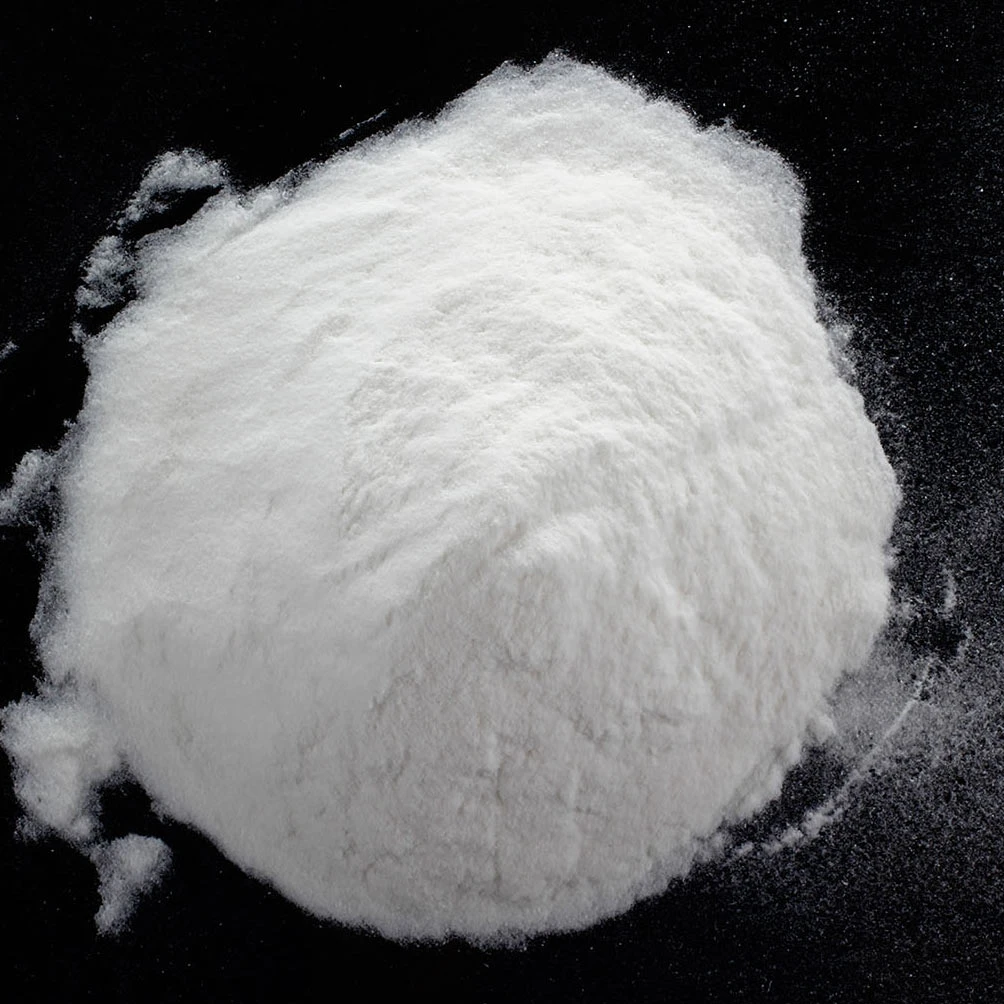
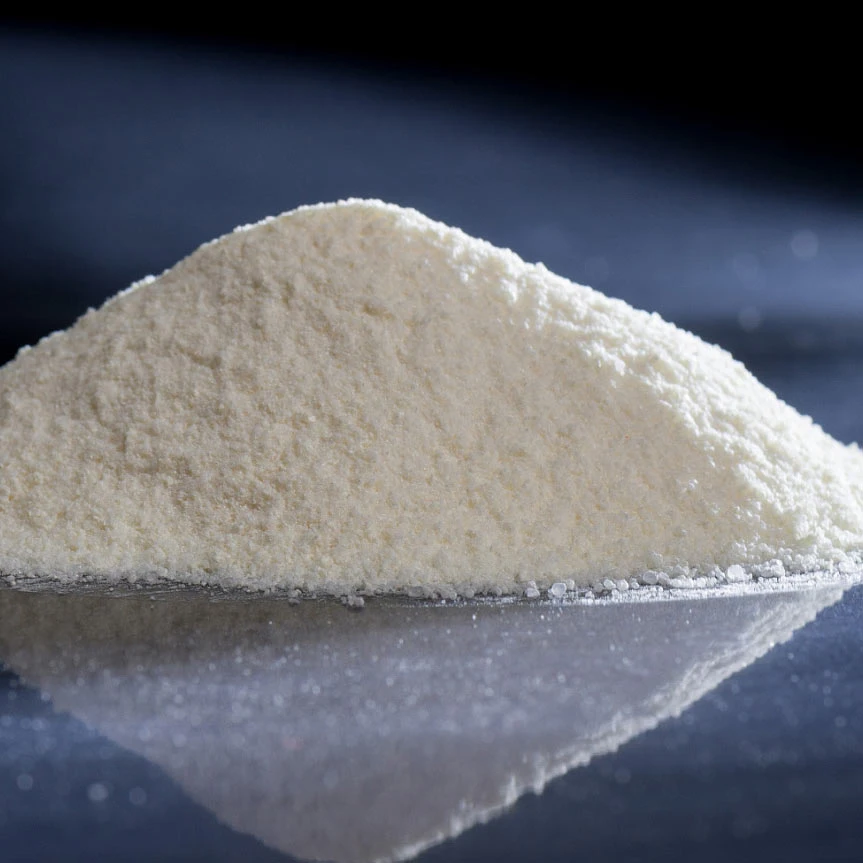
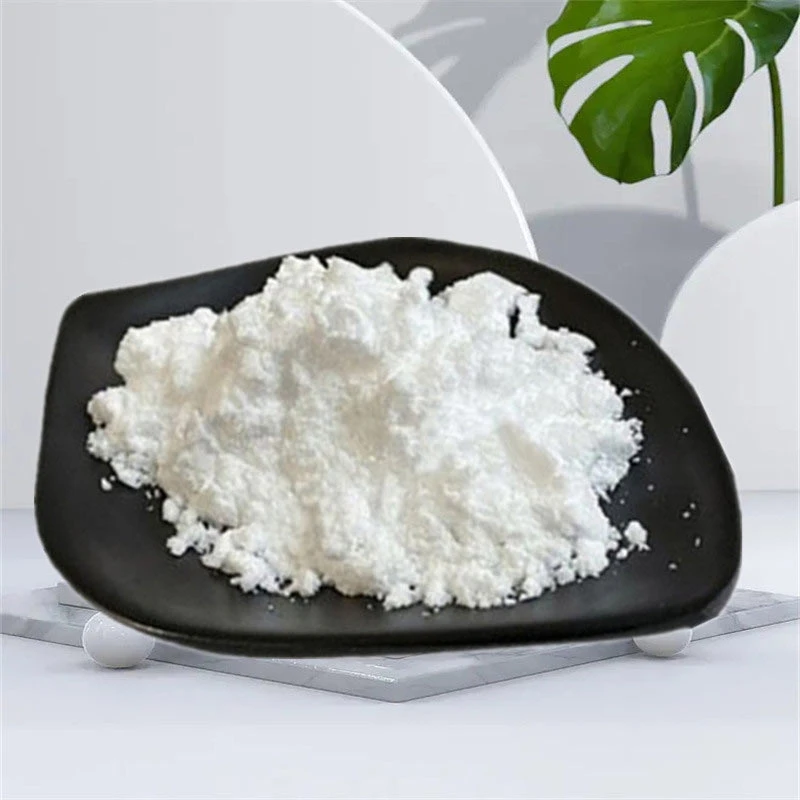
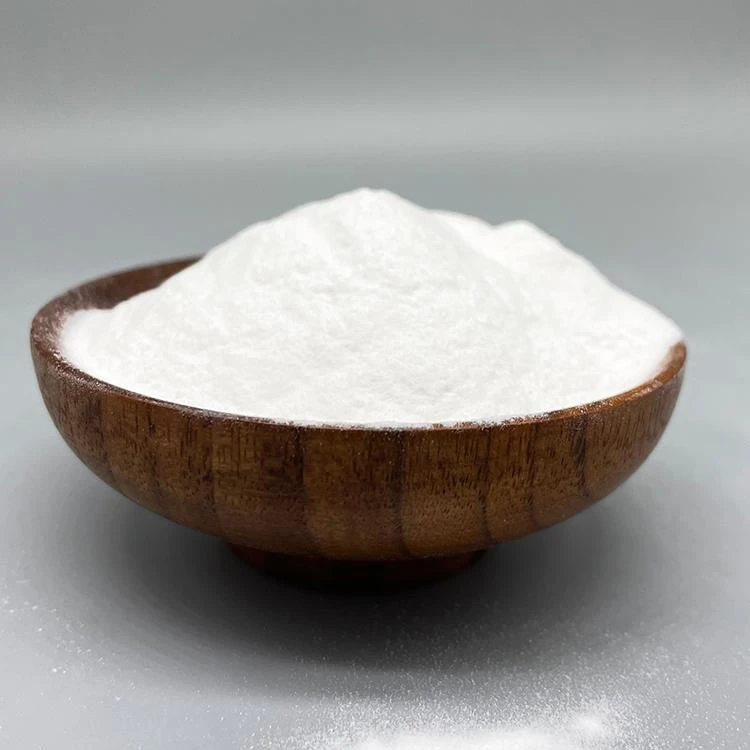
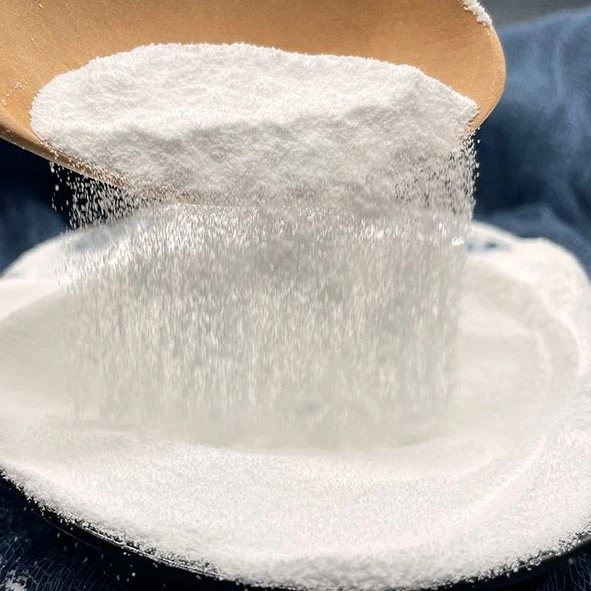
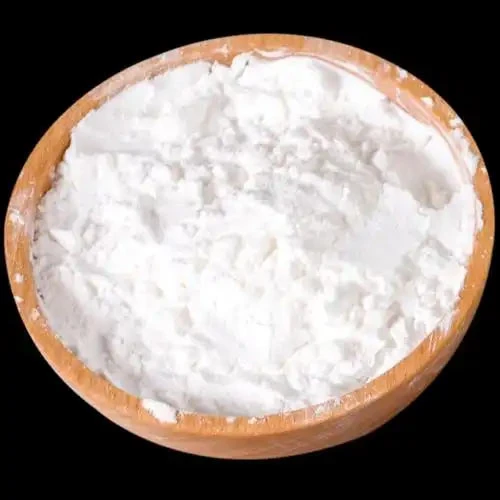
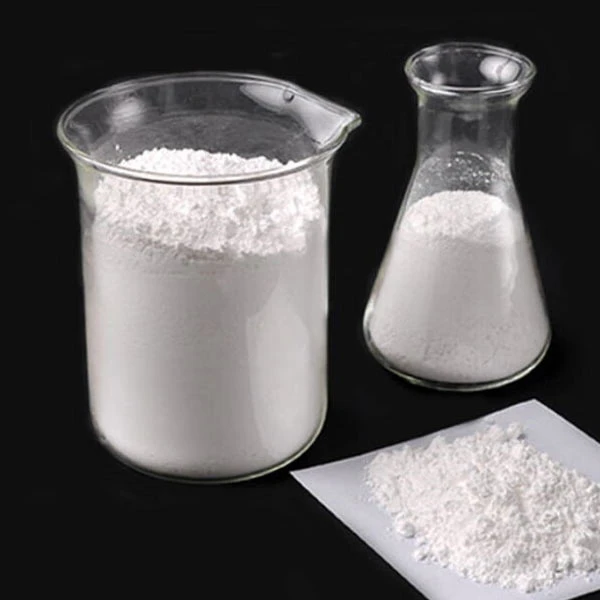
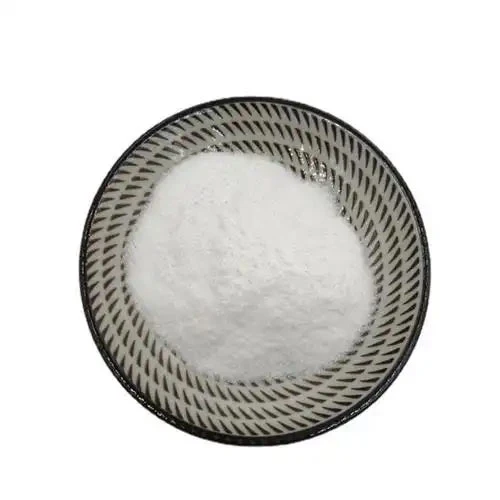
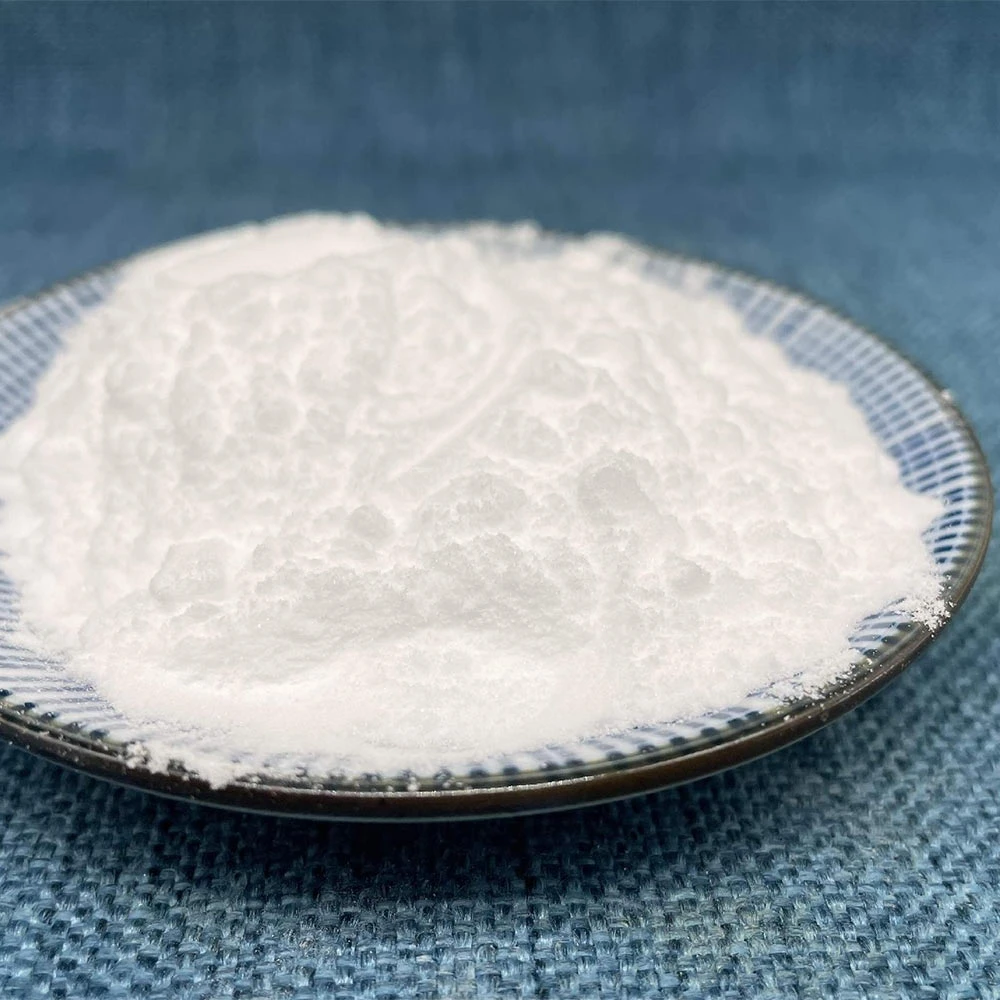
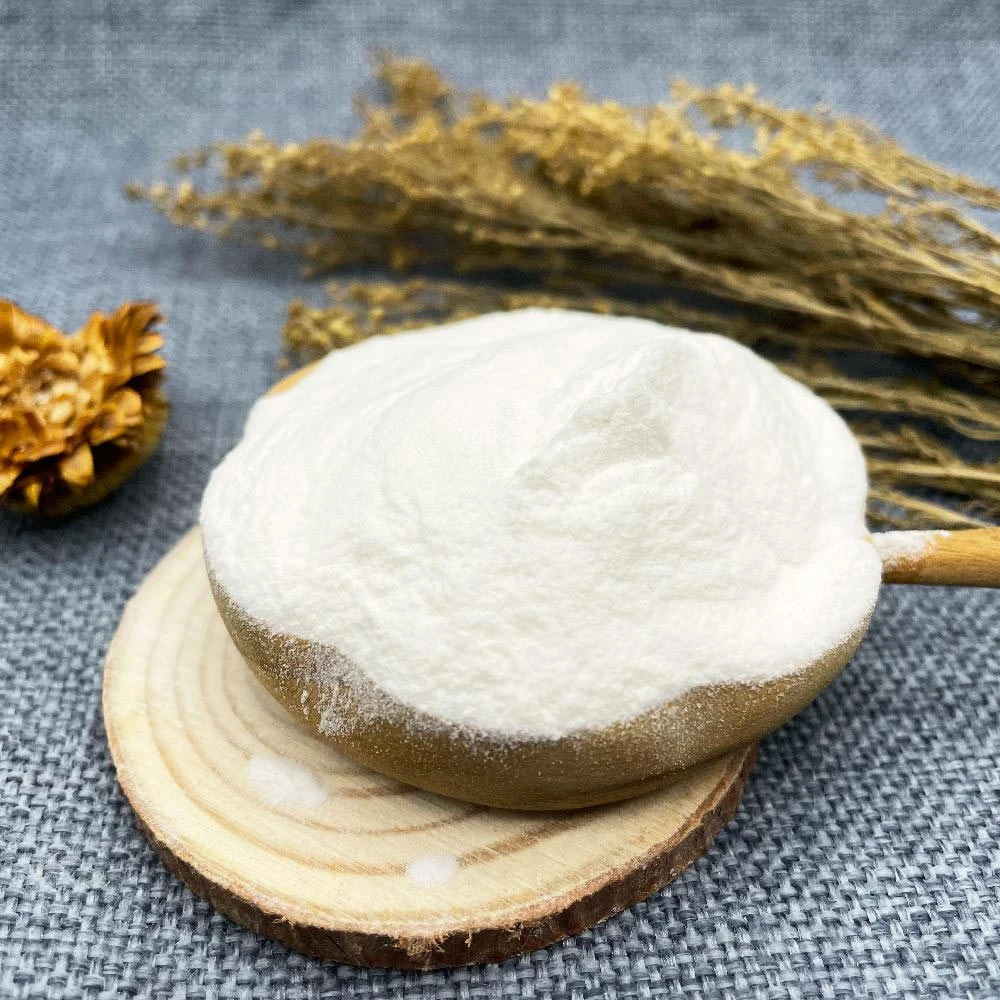
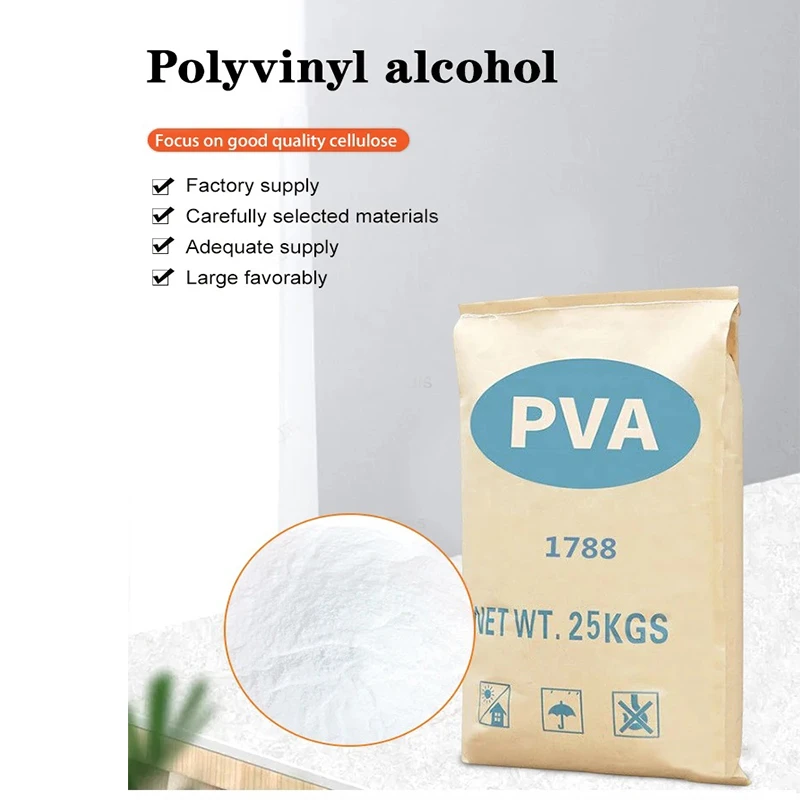
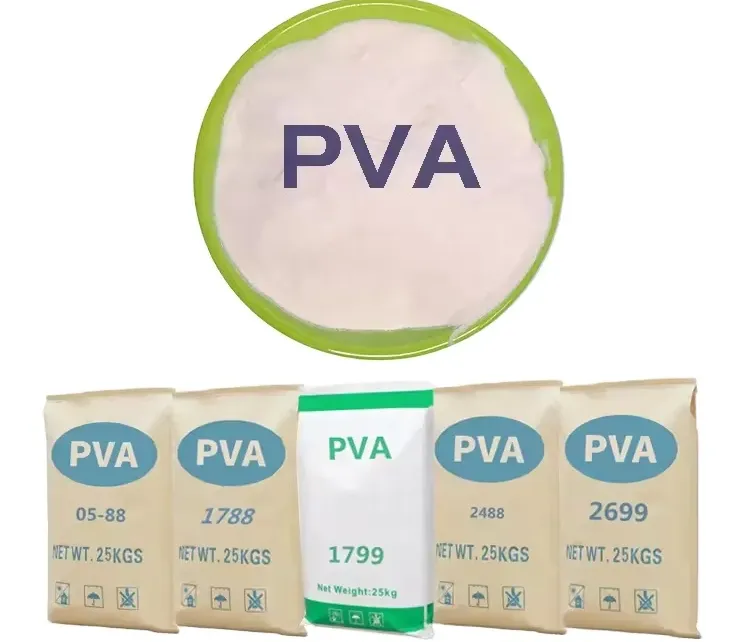
Most contractors work with polyvinyl alcohol powder, which can be easily mixed on-site for flexibility. For larger-scale operations, bulk PVA bags offer a cost-effective and logistically efficient solution. These bags simplify transport, reduce packaging waste, and support continuous work on construction sites.
Different grades like PVA1788 and PVA2488 provide varied levels of viscosity and hydrolysis, affecting adhesive strength, drying time, and solubility. For example, PVA1788 is commonly used in surface treatment and paper processing, while PVA2488 offers stronger film formation and is suitable for adhesives and textile applications.
In all use cases, consulting the PVA primer MSDS (Material Safety Data Sheet) is critical to ensure safe handling, proper ventilation, and correct dilution procedures, especially when spraying or brushing large surfaces.
Industrial and Automated Uses: Solubility, Adhesives, and Global Supply
The poly vinyl alcohol solubility and poly vinyl alcohol solubility in water are among its most critical characteristics. This water solubility allows PVA to be used in biodegradable films, medical packaging, and laundry pods—applications where easy dissolution is a key benefit.
In adhesives, polyvinyl alcohol adhesive is widely valued in woodworking, paper lamination, and specialty construction. It forms strong, flexible bonds and is easy to clean up with water—ideal for precision work and environmentally conscious production.
The rise of PVA automation in manufacturing has revolutionized how adhesives and coatings are applied. Automation enables consistent mixing, controlled application, and reduced labor costs. It’s particularly effective when using premeasured polyvinyl alcohol powder or solutions in repetitive production lines.
Industrial users source PVA from global PVOH manufacturers, who produce various grades suited for textiles, ceramics, construction, and packaging. However, like many industrial chemicals, the polyvinyl alcohol cost fluctuates based on raw material availability, global demand, and production volume. Bulk purchasing often provides significant savings, especially when using high-demand grades like PVA1788 or PVA2488.
Product FAQs
1. What is the best PVA grade for general plastering work?
Answer: PVA1788 is widely used in general applications due to its balanced solubility and adhesive strength. For more demanding surfaces, PVA2488 provides stronger bonding and water resistance.
2. Is polyvinyl alcohol adhesive suitable for indoor wall applications?
Answer: Yes, polyvinyl alcohol adhesive is ideal for indoor use. It provides a strong, flexible bond that’s easy to clean and low in toxicity, making it suitable for walls, ceilings, and paper-based materials.
3. How do bulk PVA bags help construction sites?
Answer: Bulk PVA bags reduce packaging waste, improve material handling, and ensure a steady supply of adhesive or primer material, especially useful on large construction sites or in automated systems.
4. Why is PVA solubility important in manufacturing?
Answer: The poly vinyl alcohol solubility in water allows for quick mixing, ease of cleanup, and safe use in biodegradable products. This is particularly advantageous in packaging, laundry capsules, and medical devices.
5. Where can I find reliable PVOH manufacturers and pricing?
Answer: Major PVOH manufacturers operate globally and offer bulk pricing. The polyvinyl alcohol cost depends on the grade (e.g., PVA1788, PVA2488), order volume, and shipping region. Requesting a sample or MSDS helps ensure you choose the right product for your application.
-
HPMC High-Performance Thickener | Hebei TangzhiNewsMar.06,2026
-
Wholesale Water Reducing Admixture for Special Cement: Performance and Market InsightsNewsFeb.28,2026
-
The Complete Guide to HPMC: Types, Applications, Grades, and Manufacturing InsightsNewsFeb.28,2026
-
Redispersible Polymer Powder: Types, Applications, and Performance AdvantagesNewsFeb.28,2026
-
Hydroxymethyl Ethyl Cellulose (MHEC): Properties, Applications, and Market InsightsNewsFeb.28,2026
-
Hydroxyethyl Cellulose: Applications, Performance, and Buying GuideNewsFeb.28,2026