Growth, Applications, and Trends in the Redispersible Polymer Powder Market
The construction chemicals industry has experienced rapid transformation in recent years, largely driven by the adoption of advanced additives that improve performance, efficiency, and sustainability. Among these innovations, redispersible polymer powder stands out as a game-changing material. Designed to enhance flexibility, adhesion, and durability, it has become essential in dry-mix mortars, tile adhesives, wall putties, and insulation systems.
Whether referred to as rdp powder, rdp polymer, redispersible latex powder, or redispersible emulsion powder, the material plays a critical role in modern building technologies. As infrastructure expands worldwide, the redispersible polymer powder market continues to grow, attracting manufacturers, distributors, and contractors seeking reliable, high-quality solutions.
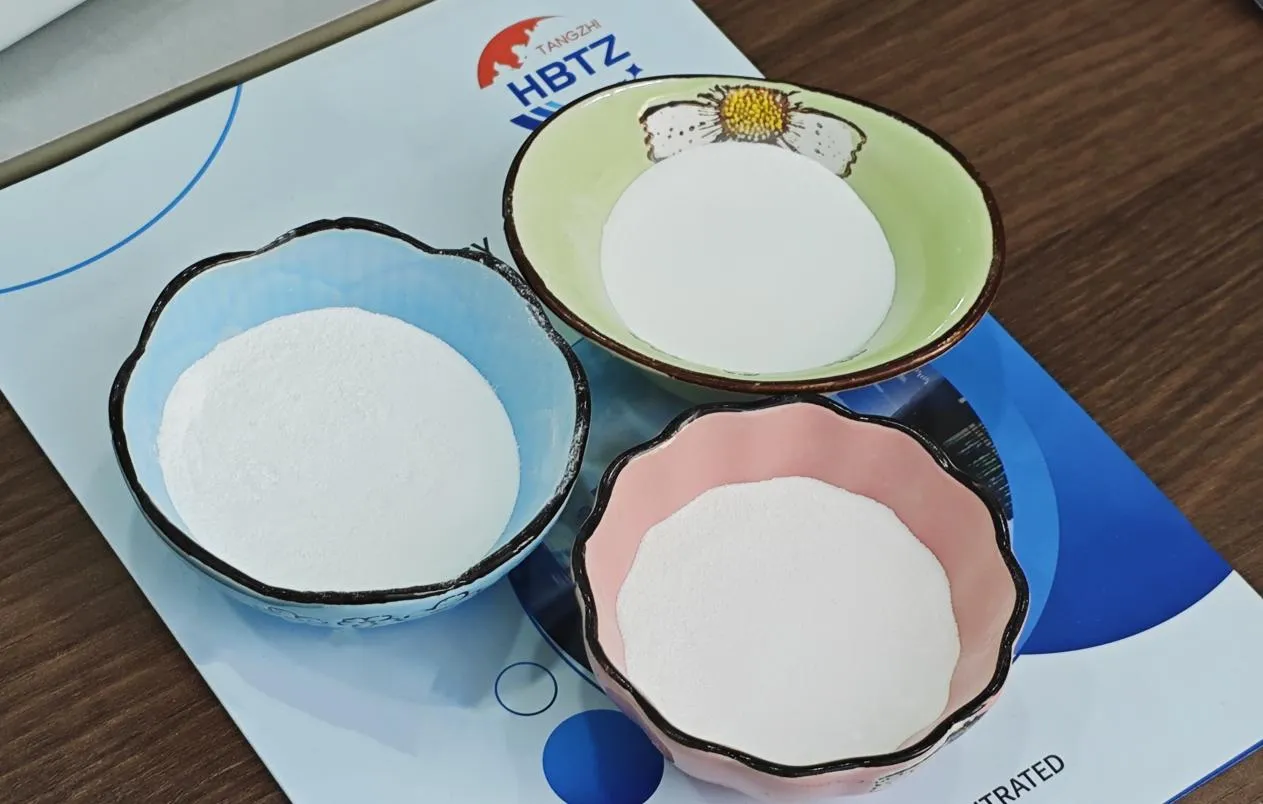
Understanding Redispersible Polymer Powder Types and Technology
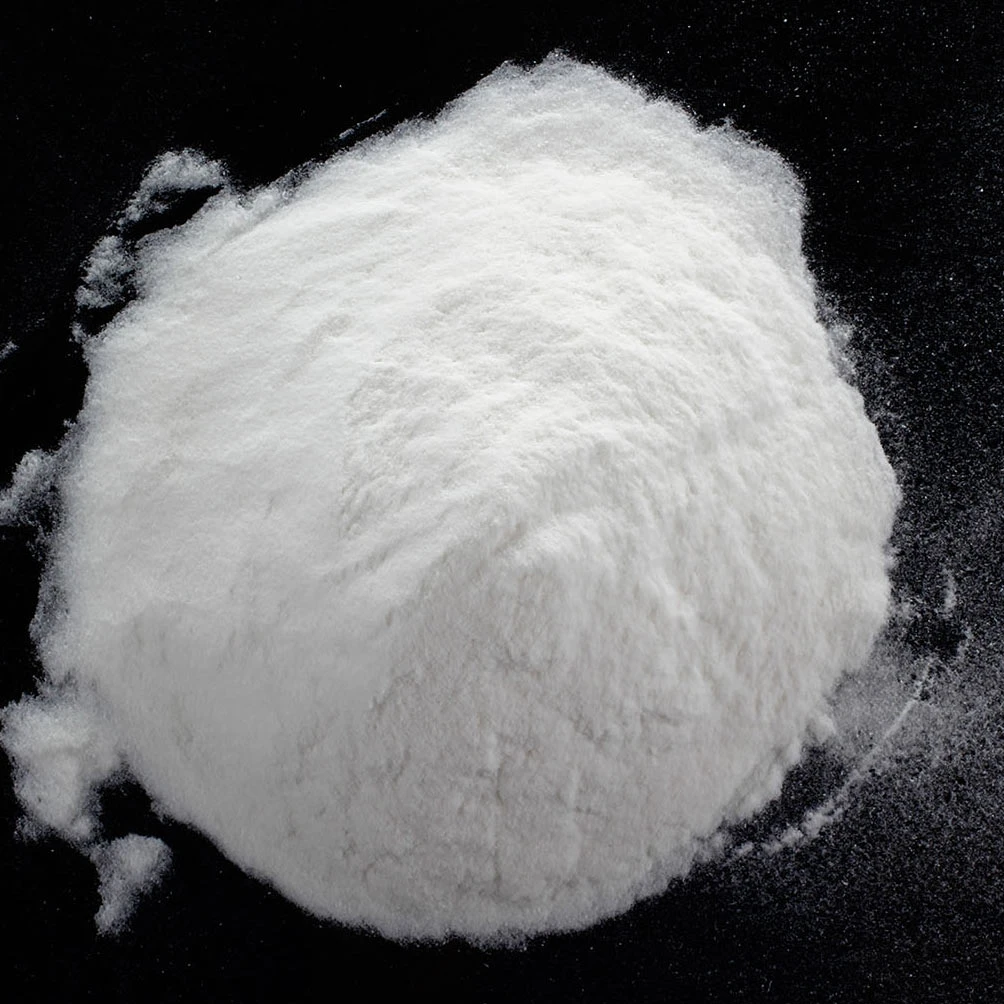
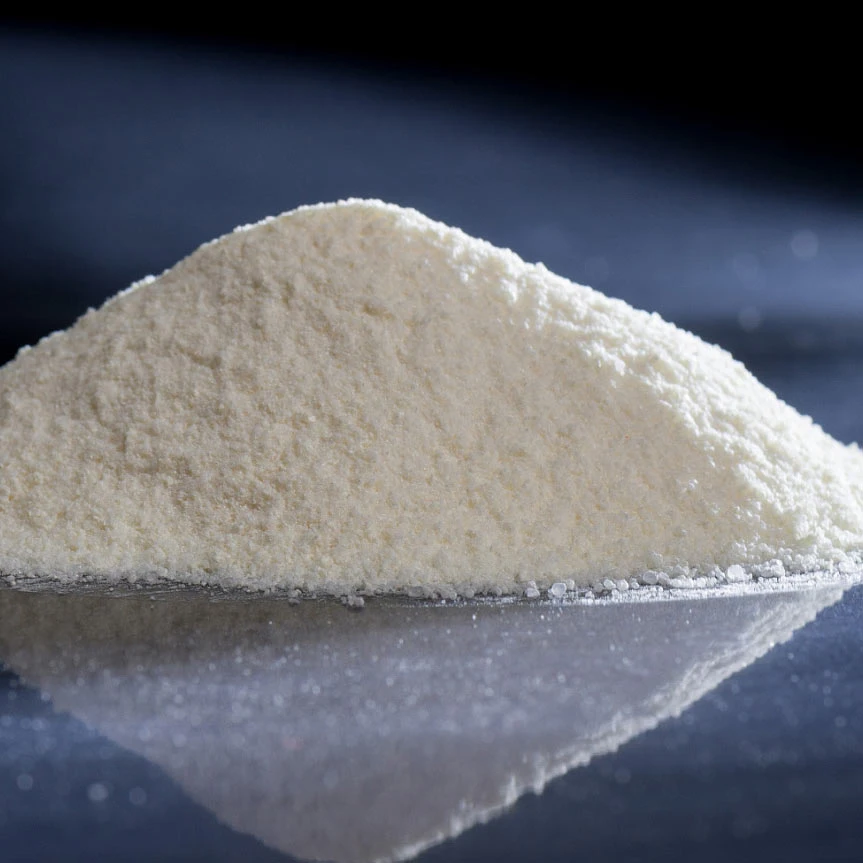
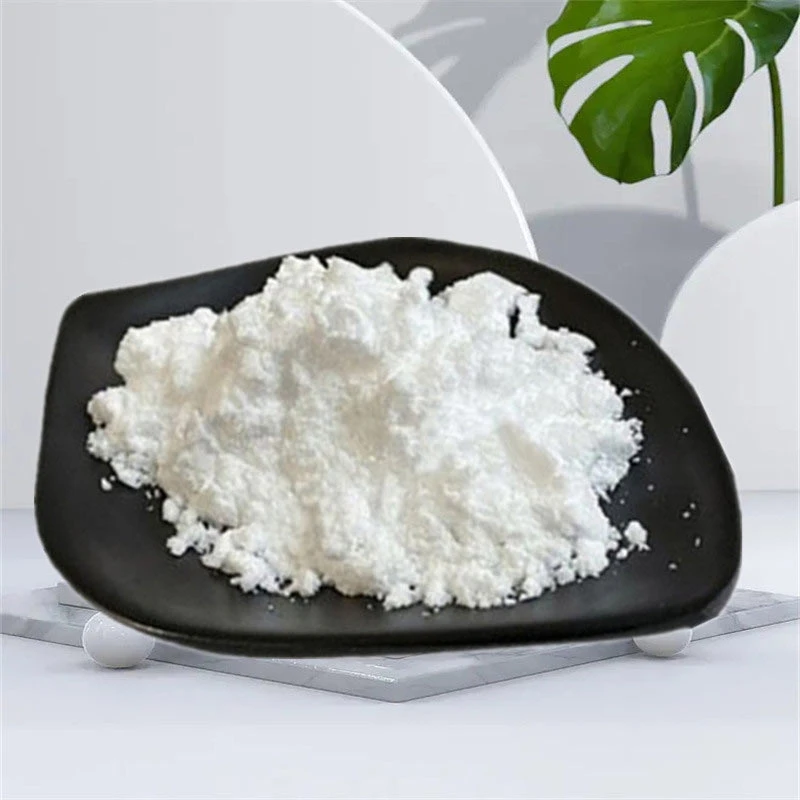
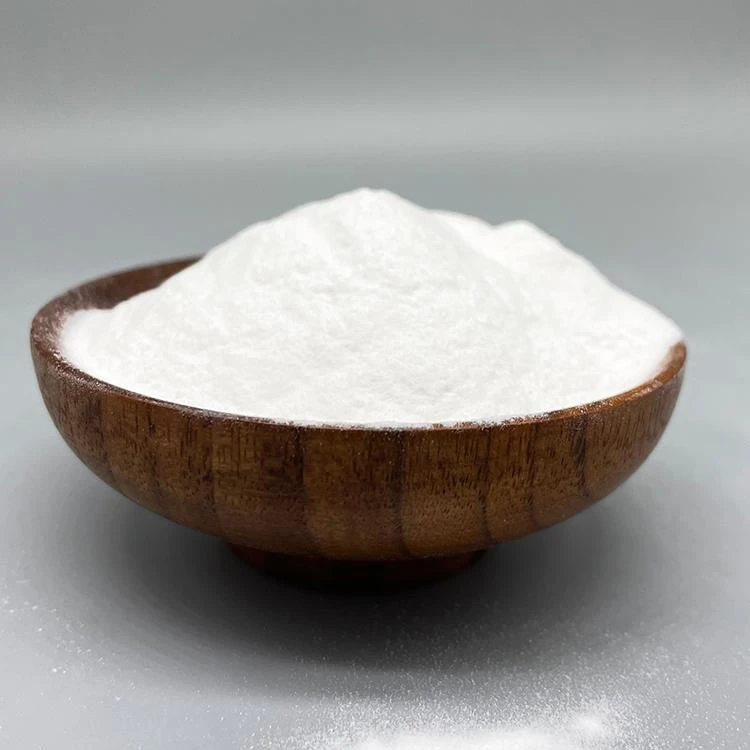
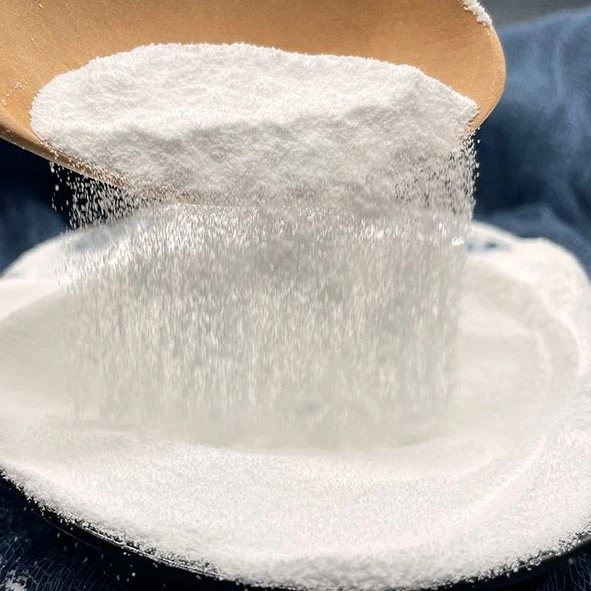
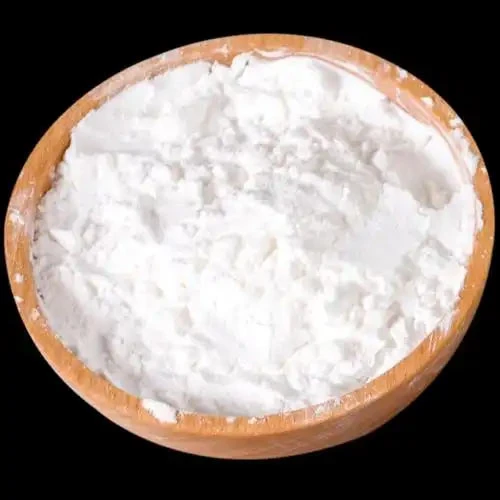
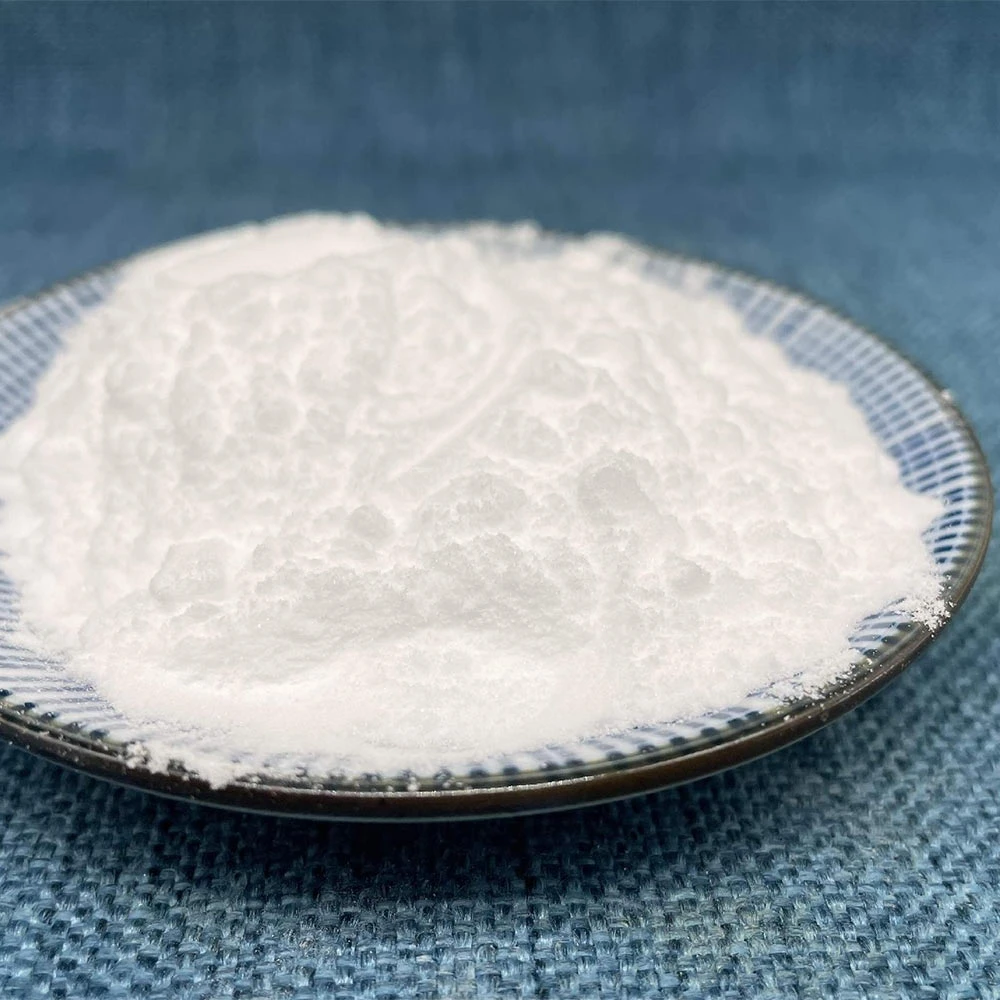
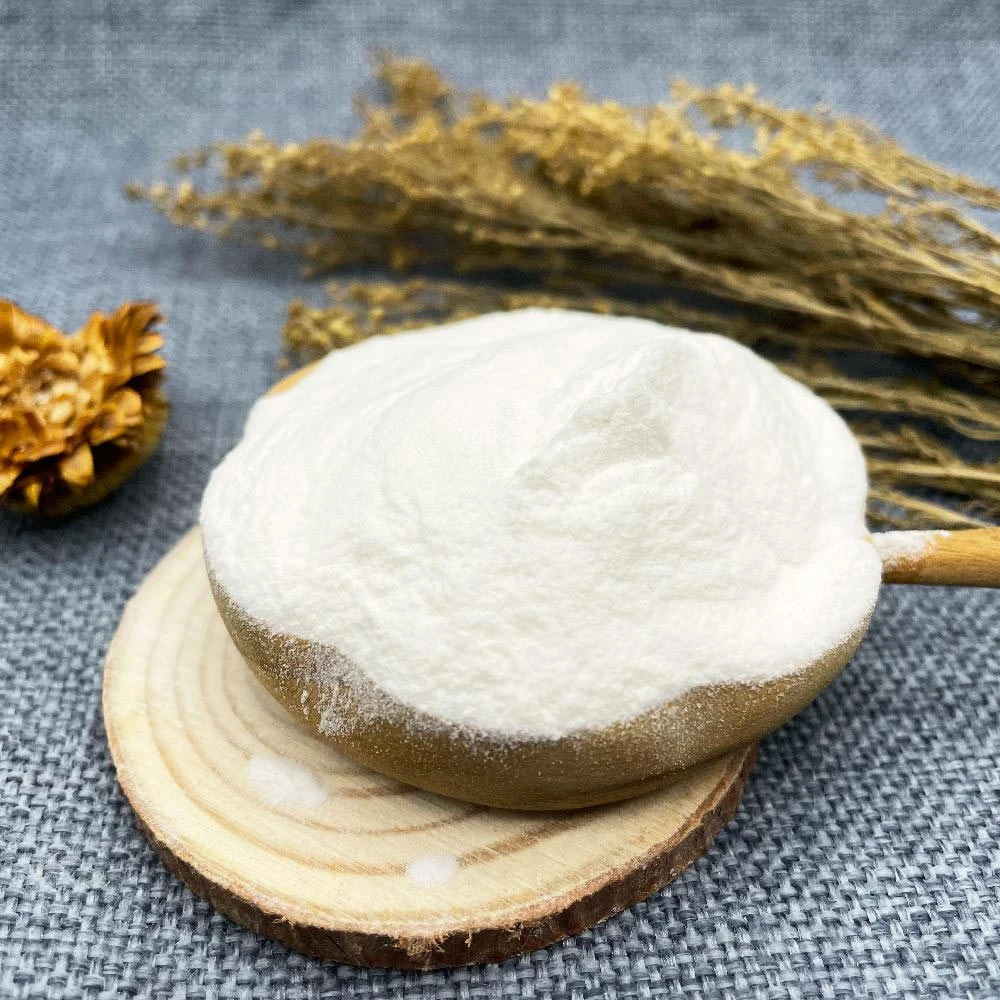
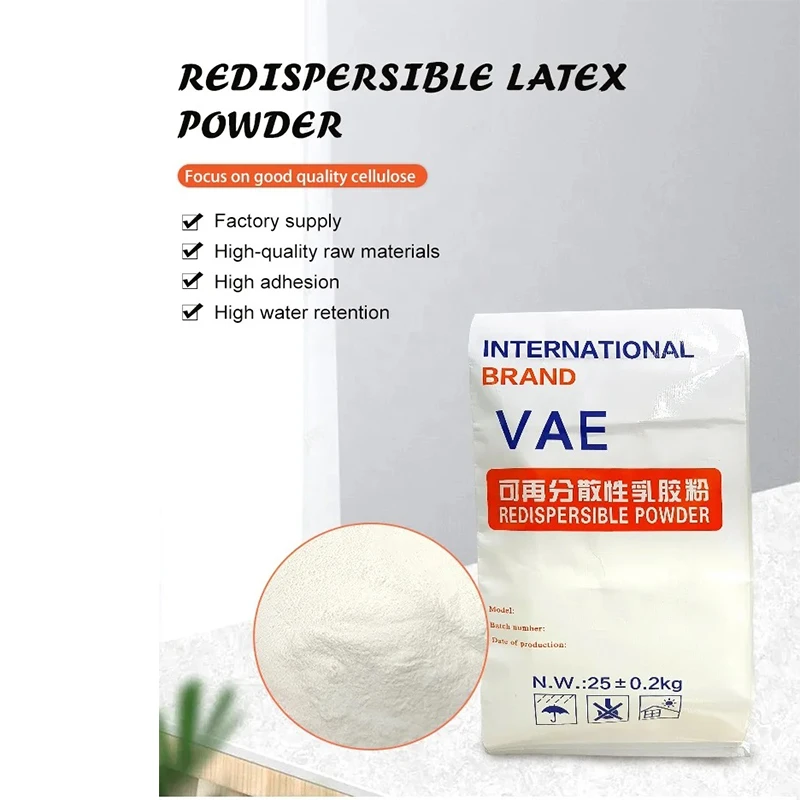
To appreciate how these materials function, it is important to understand what happens when dry powder meets water. A redispersible polymer powder is produced by spray-drying a polymer emulsion along with protective colloids. When reintroduced to water, the particles redisperse and essentially recreate the original latex, delivering film-forming and binding capabilities.
There are several major redispersible polymer powder types, typically based on vinyl acetate–ethylene (VAE), vinyl acetate–versatate (VA/VeoVa), or acrylic systems. Each type provides different balances of flexibility, hydrophobicity, and adhesion strength. Selecting the right option ensures compatibility with cement, gypsum, or lime-based materials.
In practical terminology, contractors may simply call it rdp powder, but formulators know that subtle chemical differences significantly affect performance. For example, flexible tile adhesives often depend on high-quality rdp polymer to absorb substrate movement and prevent cracking.
Another common name, redispersible latex powder, emphasizes its ability to return to a latex state after hydration. This transformation allows the formation of a continuous polymer film within the mortar matrix, dramatically improving bonding strength and abrasion resistance.
Similarly, the term redispersible emulsion powder highlights its origin from liquid emulsions. Through advanced drying technology, manufacturers create free-flowing powders that are easy to transport, store, and mix in dry formulations.
Because cementitious products are often prepared on job sites under variable conditions, the reliability of redispersible powder becomes essential. Consistent re-dispersion ensures predictable workability, open time, and mechanical properties, which ultimately influence project quality.
Expanding Demand in Construction and Beyond
Urbanization, renovation cycles, and energy-efficient building requirements are pushing demand for high-performance additives. As a result, the redispersible polymer powder market is expanding in both mature and emerging economies.
Tile adhesives are among the largest application segments. Here, redispersible polymer powder improves flexibility, enhances adhesion to difficult substrates, and increases water resistance. External insulation and finishing systems (EIFS) also rely heavily on rdp polymer to maintain durability under changing weather conditions.
Self-leveling compounds benefit from the flow control and film strength provided by redispersible latex powder, while repair mortars use it to enhance impact resistance and reduce shrinkage. In each of these scenarios, polymer modification helps extend service life and reduce maintenance costs.
Beyond construction, redispersible powder is finding opportunities in waterproofing membranes, decorative renders, and even certain industrial coatings. Manufacturers continue to develop specialized grades to meet evolving technical standards.
Price considerations remain a central topic for buyers. The redispersible polymer powder price depends on raw material costs, polymer composition, production technology, and global supply dynamics. While premium grades may carry higher upfront expenses, they often reduce total project costs by improving longevity and minimizing failures.
Competition among producers has also intensified. Companies invest in research, automation, and environmental compliance to strengthen their position in the growing redispersible polymer powder market. Customers increasingly seek suppliers capable of delivering stable quality, technical support, and reliable logistics.
As building standards become more demanding, the importance of redispersible polymer powder continues to rise. From improving adhesion in tile mortars to enhancing flexibility in insulation systems, materials such as rdp powder, rdp polymer, redispersible latex powder, and redispersible emulsion powder provide performance that traditional binders alone cannot achieve.
Although the redispersible polymer powder price may vary, the long-term benefits of durability, reduced maintenance, and superior workability make it a smart investment. With ongoing innovation and expanding infrastructure needs, the future of the redispersible polymer powder market looks exceptionally strong.
FAQ About Redispersible Polymer Powder
Q1: What is redispersible polymer powder used for?
Redispersible polymer powder is mainly used in dry-mix mortars, tile adhesives, renders, and insulation systems to improve adhesion, flexibility, and durability.
Q2: Are rdp powder and redispersible latex powder the same?
Yes, rdp powder and redispersible latex powder generally describe the same technology, emphasizing the powder’s ability to redisperse into a latex when mixed with water.
Q3: What determines redispersible polymer powder price?
The redispersible polymer powder price depends on polymer type, performance requirements, manufacturing quality, and market supply conditions.
Q4: Why are different redispersible polymer powder types important?
Various redispersible polymer powder types offer unique balances of flexibility, hydrophobicity, and bonding, allowing formulators to match specific project needs.
Q5: How is the global market developing?
The redispersible polymer powder market is growing rapidly due to urbanization, renovation demand, and the shift toward higher-performance construction materials.
-
HPMC High-Performance Thickener | Hebei TangzhiNewsMar.06,2026
-
Wholesale Water Reducing Admixture for Special Cement: Performance and Market InsightsNewsFeb.28,2026
-
The Complete Guide to HPMC: Types, Applications, Grades, and Manufacturing InsightsNewsFeb.28,2026
-
Redispersible Polymer Powder: Types, Applications, and Performance AdvantagesNewsFeb.28,2026
-
Hydroxymethyl Ethyl Cellulose (MHEC): Properties, Applications, and Market InsightsNewsFeb.28,2026
-
Hydroxyethyl Cellulose: Applications, Performance, and Buying GuideNewsFeb.28,2026