Exploring HPMC Medical Uses, Production, and Pharmaceutical Innovations
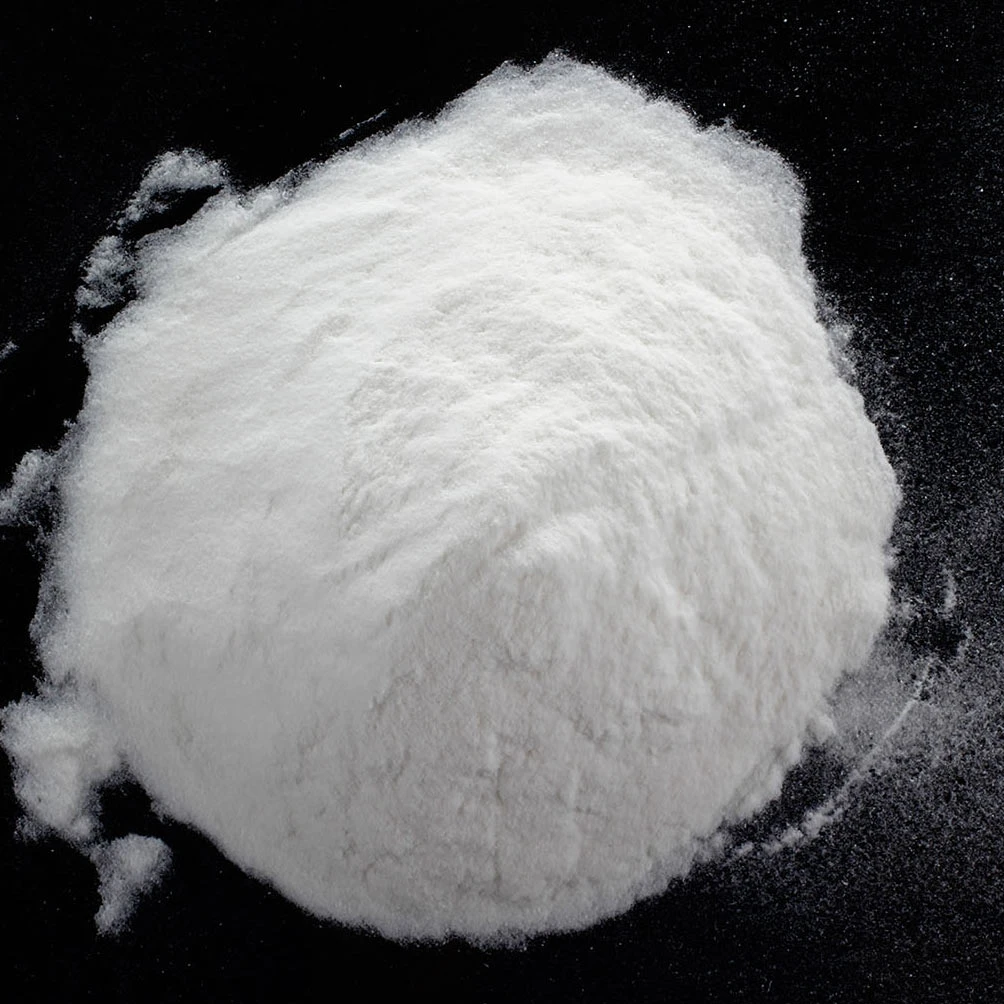
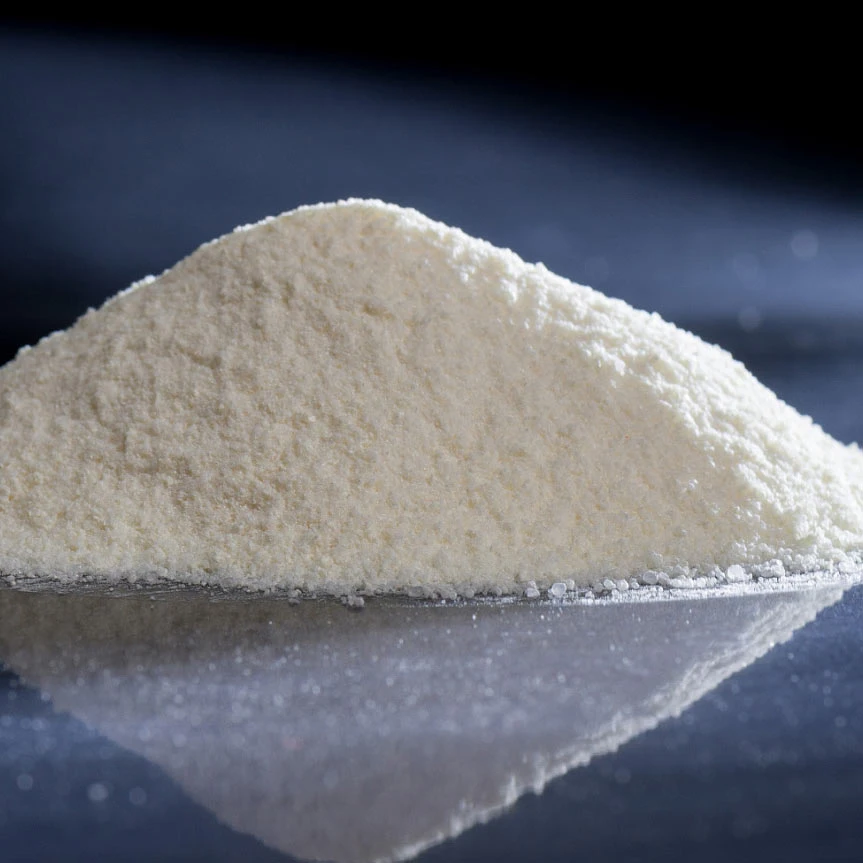
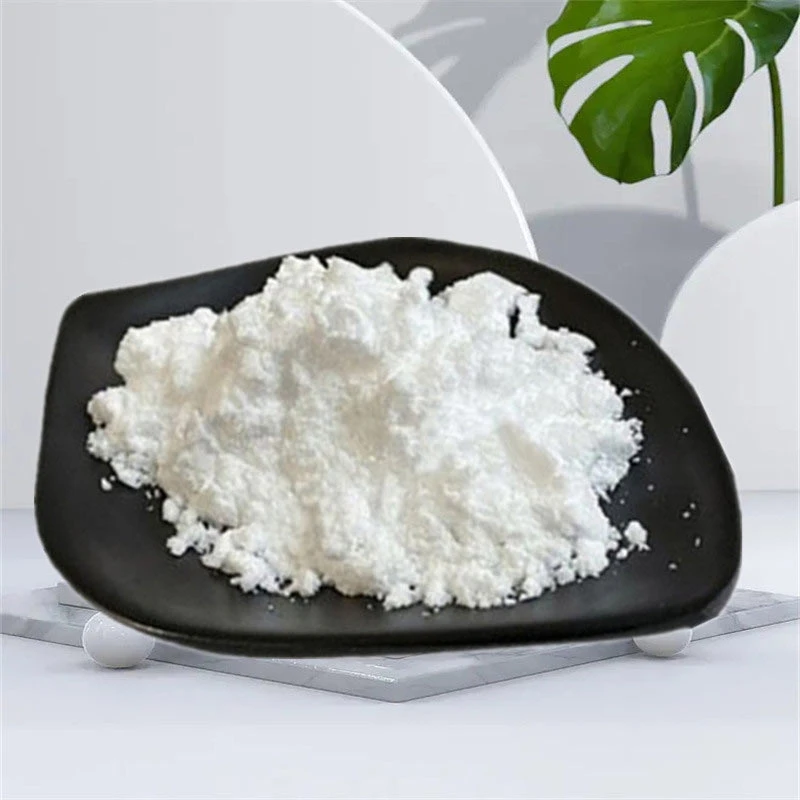
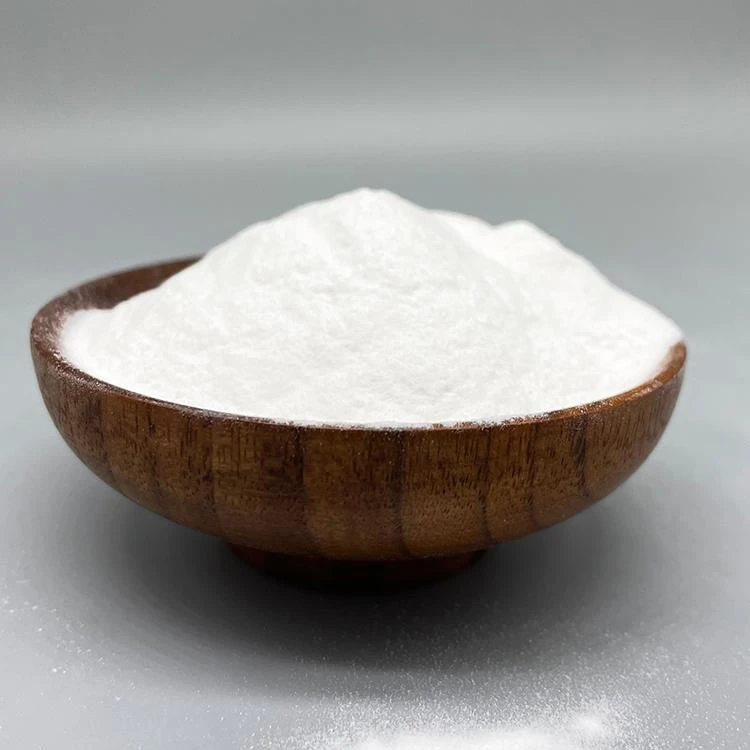
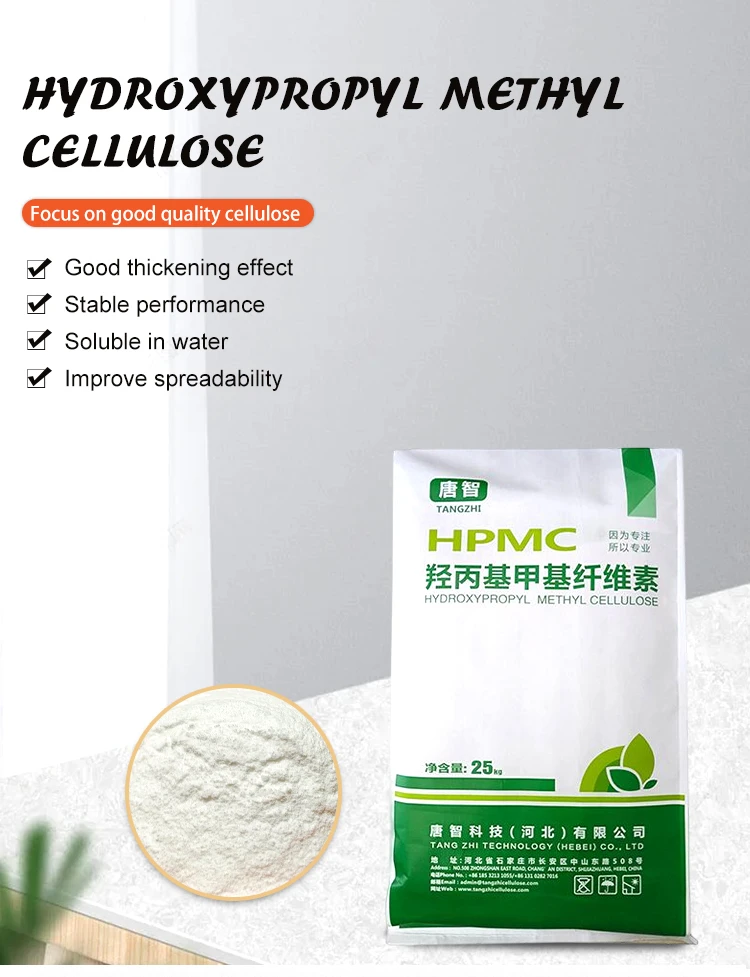
In the modern healthcare and pharmaceutical landscape, HPMC medical materials have become indispensable. Known scientifically as hydroxypropyl methyl cellulose, this semi-synthetic polymer combines safety, stability, and multifunctionality. From controlled drug delivery to ophthalmic lubrication, HPMC supports product performance while meeting strict regulatory expectations.
The versatility of HPMC originates from its tunable chemistry. By modifying substitution levels and polymer chain length, manufacturers can design products with specific viscosity, hydration speed, and film-forming behavior. Whether sourced from a specialized hpmc-hydroxypropyl methyl cellulose factory or integrated into high-precision pharmaceutical systems, the material offers reliability that few alternatives can match.
Pharmaceutical Performance and Therapeutic Applications
Within drug development, HPMC serves as a binder, matrix former, coating agent, and capsule shell material. Its non-toxic and hypoallergenic profile makes it suitable for daily medical use, which is why demand for hpmc medical grades continues to rise worldwide.
One well-known viscosity specification is hpmc k4m viscosity. This grade is widely used in sustained-release tablets, where swelling and gel formation regulate how active ingredients diffuse. The predictable hydration pattern allows formulators to maintain therapeutic levels over extended periods, reducing dosing frequency and improving patient compliance.
Ophthalmology represents another crucial market. Hpmc lubricant eye drops provide artificial tear functionality, relieving dryness and irritation. Because the polymer forms a transparent, protective film on the eye surface, it enhances comfort without blurring vision. Numerous hpmc eye drops brands rely on this property to create long-lasting moisture retention and improved patient satisfaction.
Capsule technology has also undergone significant transformation. Traditional gelatin is increasingly replaced by vegetarian alternatives, and hpmc empty capsules now dominate many nutraceutical and pharmaceutical shelves. They exhibit low moisture content, strong mechanical properties, and compatibility with hygroscopic or sensitive drugs.
Healthcare institutions, including facilities sometimes searched online as an hpmc medical center, often prefer medicines utilizing hypromellose capsules or coatings due to their stability and reduced risk of cross-reactivity. This preference continues to push innovation toward higher purity standards.
Temperature behavior is equally important. People frequently ask about the hpmc melting point, but unlike crystalline substances, HPMC does not melt sharply. Instead, it undergoes thermal softening and decomposition at elevated temperatures. Understanding this helps engineers determine safe processing limits during drying, extrusion, or coating.

From Raw Material to High-Purity Polymer: Production and Quality Control
Behind every reliable pharmaceutical product stands a sophisticated hpmc manufacturing process. Production typically begins with purified cellulose derived from wood pulp or cotton linters. Through alkalization and etherification reactions, methoxy and hydroxypropyl groups are introduced, giving the polymer its water solubility and functional performance.
A professional hpmc-hydroxypropyl methyl cellulose factory operates under strict environmental and quality management systems. Reaction parameters, substitution degree, and particle size must be carefully monitored. Even small variations can significantly influence viscosity, gel strength, or dissolution behavior.
After synthesis, the material is neutralized, washed, dried, and milled. Advanced plants conduct multiple quality checks, including viscosity verification for grades like hpmc k4m viscosity, microbial limits for hpmc medical applications, and optical clarity for ophthalmic use.
For eye care, purity is critical. Hpmc lubricant eye drops require extremely low endotoxin levels and excellent compatibility with electrolytes. Reputable producers collaborate closely with pharmaceutical companies to ensure the polymer integrates smoothly into sterile manufacturing environments.
Capsule production demands similar precision. Hpmc empty capsules must maintain dimensional stability, resist brittleness, and dissolve at predictable rates in the digestive system. Achieving this balance requires tight control over moisture and polymer uniformity.
Innovation never stops. Manufacturers continue refining the hpmc manufacturing process to reduce environmental impact, improve energy efficiency, and enhance product consistency. Automation and analytical technology now allow real-time monitoring, ensuring each batch meets global pharmacopeia standards.
As healthcare markets expand, reliable supply from an experienced hpmc-hydroxypropyl methyl cellulose factory becomes a strategic advantage for pharmaceutical brands.
The growing importance of HPMC medical materials reflects the broader evolution of modern healthcare. Whether enabling sustained release through hpmc k4m viscosity, protecting vision with hpmc lubricant eye drops, or supporting vegetarian dosage forms via hpmc empty capsules, hypromellose continues to prove its value.
A well-controlled hpmc manufacturing process ensures safety, purity, and repeatability, while ongoing innovation strengthens the link between polymer science and patient well-being. As global demand for high-performance, plant-derived excipients rises, HPMC will remain a cornerstone of pharmaceutical development.
FAQ About HPMC Medical
Q1: What is HPMC mainly used for in medicine?
HPMC medical materials function as binders, release-control agents, eye lubricants, and capsule shells due to their safety and compatibility.
Q2: Why is HPMC K4M viscosity popular in tablets?
Hpmc k4m viscosity provides reliable swelling and gel formation, allowing controlled and extended drug release.
Q3: Are HPMC eye drops safe?
Yes, many hpmc eye drops brands use hypromellose because it forms a gentle, protective film that relieves dryness.
Q4: How are HPMC empty capsules produced?
They are manufactured using purified polymer from a regulated hpmc-hydroxypropyl methyl cellulose factory, ensuring consistent strength and dissolution.
Q5: Does HPMC have a true melting point?
The hpmc melting point is not sharp; instead, the polymer softens and degrades at high temperatures, so processing must be carefully controlled.
-
HPMC High-Performance Thickener | Hebei TangzhiNewsMar.06,2026
-
Wholesale Water Reducing Admixture for Special Cement: Performance and Market InsightsNewsFeb.28,2026
-
The Complete Guide to HPMC: Types, Applications, Grades, and Manufacturing InsightsNewsFeb.28,2026
-
Redispersible Polymer Powder: Types, Applications, and Performance AdvantagesNewsFeb.28,2026
-
Hydroxymethyl Ethyl Cellulose (MHEC): Properties, Applications, and Market InsightsNewsFeb.28,2026
-
Hydroxyethyl Cellulose: Applications, Performance, and Buying GuideNewsFeb.28,2026