A Complete Guide to HPMC: Properties, Grades, and Industrial Applications
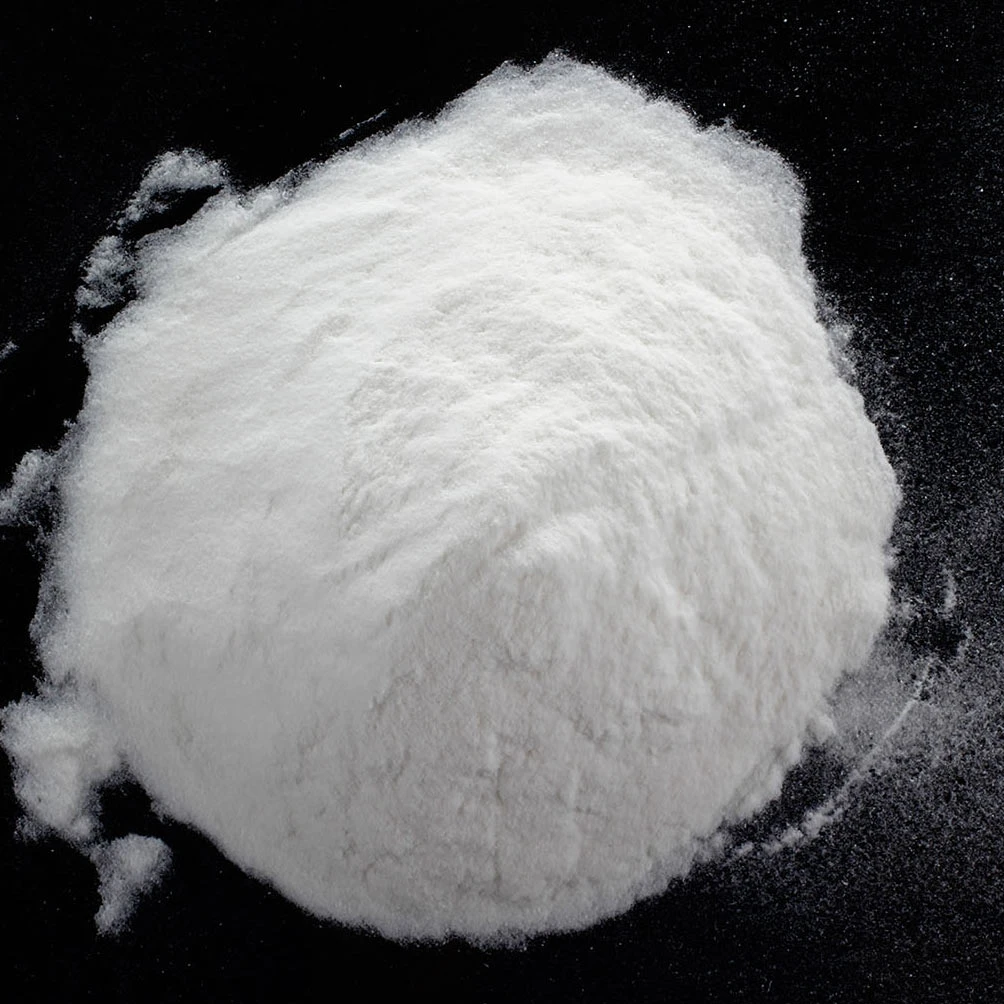
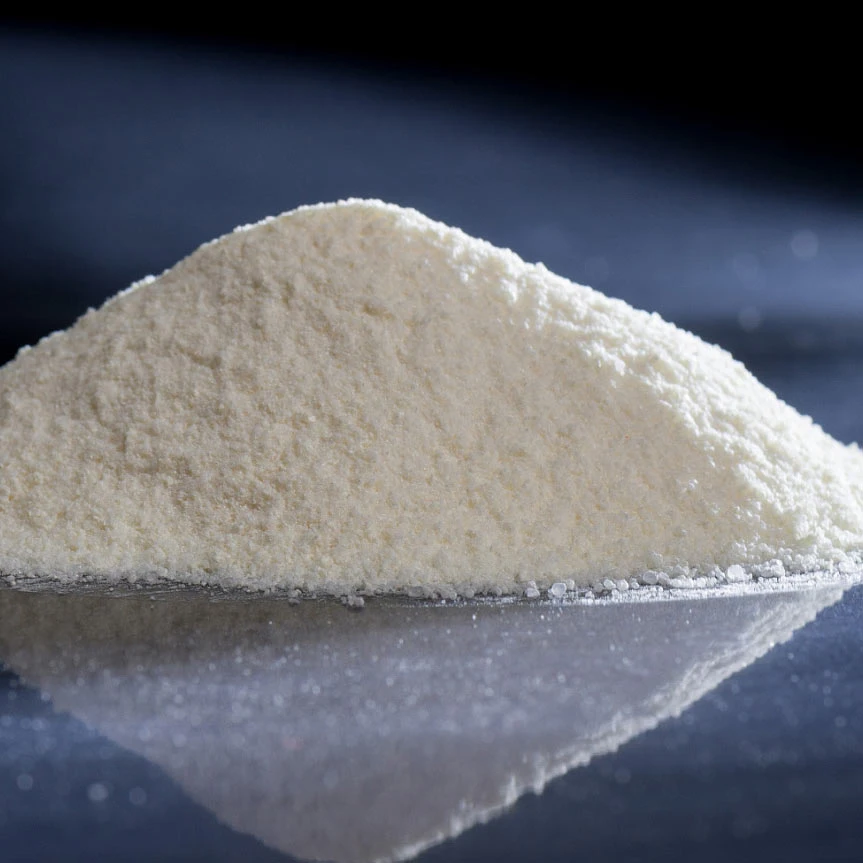
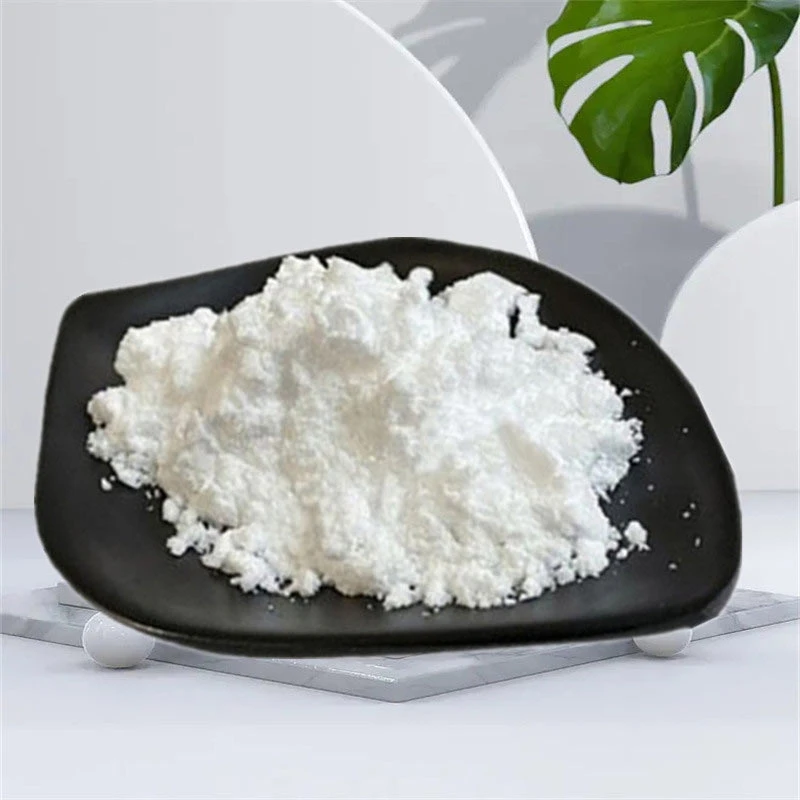
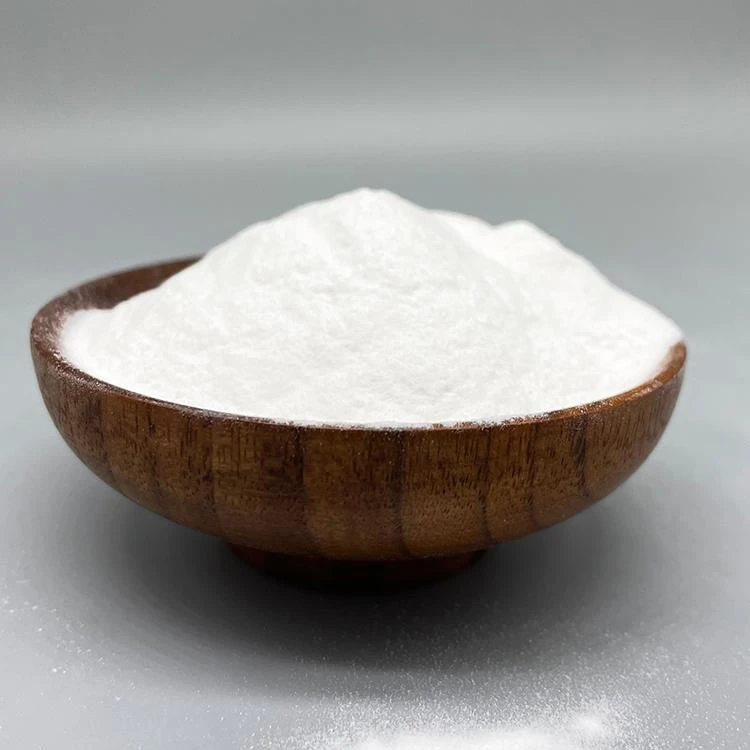
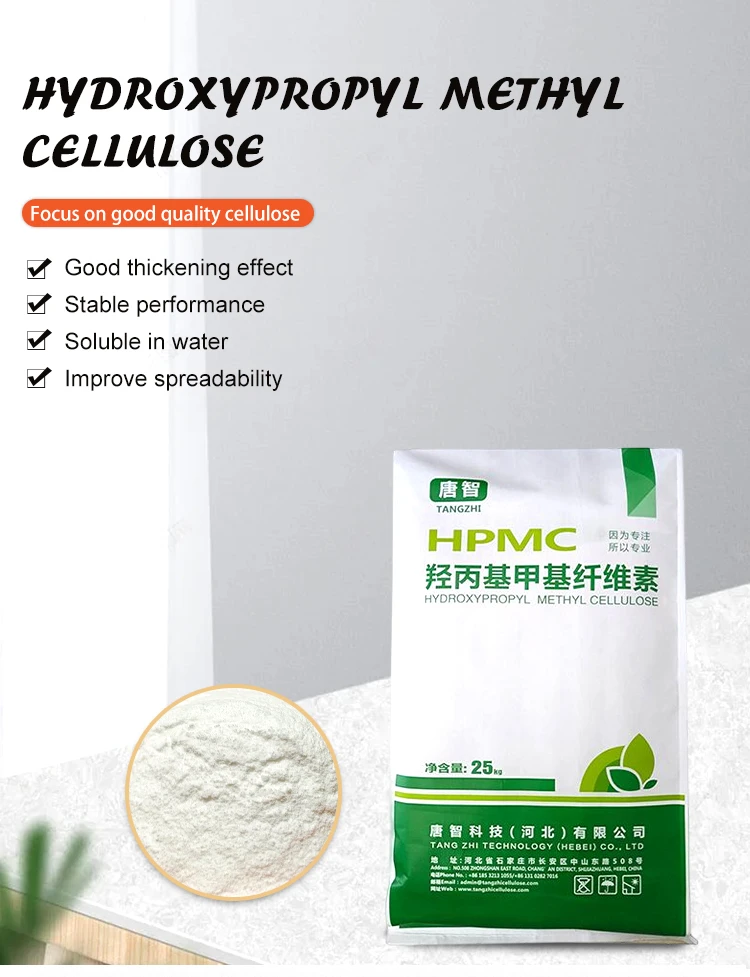
HPMC, also known as hypromellose cellulose, is one of the most versatile and widely used cellulose ethers in global industries. Derived from natural polymer cellulose, it is modified to provide excellent water solubility, film formation, thickening ability, and thermal gel behavior. Because of these characteristics, HPMC has become essential in pharmaceuticals, construction materials, food systems, and personal care products.
Buyers often explore topics such as hpmc grades viscosity, performance differences like hec vs hpmc, or specific formulations including hpmc e5. Understanding these variations helps manufacturers select the most appropriate material for their production goals while maintaining consistent quality.
This guide explains how HPMC works, how different grades influence performance, and why the material is a backbone of modern formulation science.
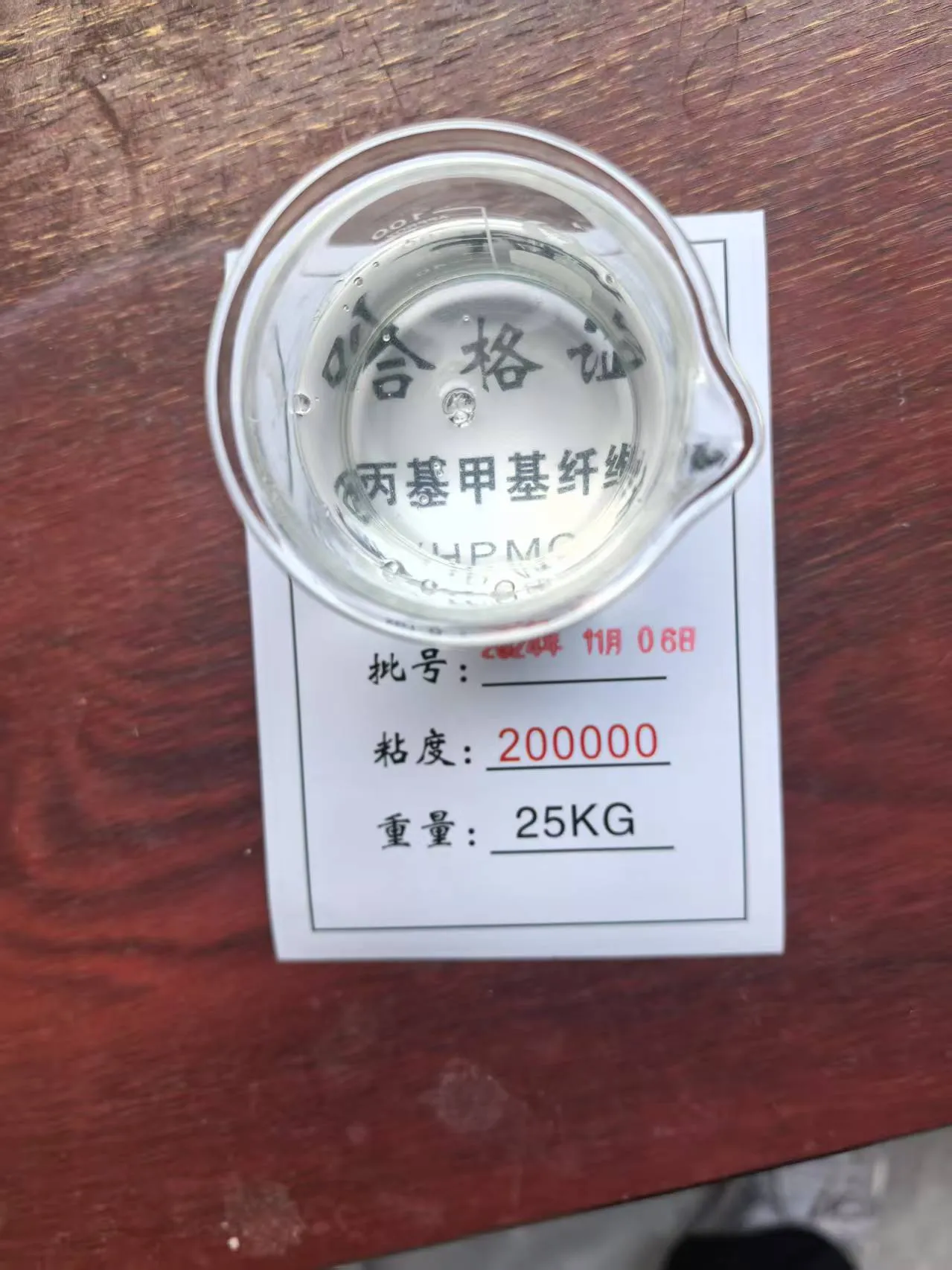
Understanding HPMC Grades, Thermal Behavior, and Dissolution
One of the most important aspects of choosing HPMC is recognizing that it is not a single product but a family of materials. Various hpmc grades are designed to deliver different viscosity ranges, substitution levels, and functional performance.
When people refer to hpmc grades viscosity, they are talking about how thick a solution becomes when the polymer dissolves in water. Low-viscosity products are often used for coatings and sprays, while high viscosity hpmc is preferred where strong thickening, suspension, or water retention is required, such as in tile adhesives or controlled drug release matrices.
A popular pharmaceutical grade is hpmc e5, known for its relatively low viscosity and excellent film-forming ability. It is frequently used in tablet coatings, capsules, and ophthalmic solutions. In contrast, higher viscosity grades might be selected for hydrophilic matrix tablets or construction mortars.
Thermal performance is another key factor. The hpmc gelation temperature refers to the point at which a solution forms a gel when heated. This reversible behavior enables unique applications in food and pharma, allowing manufacturers to control texture or release profiles.
Similarly, the hpmc glass transition temperature is critical for film stability and mechanical strength. It influences storage, processing, and the flexibility of dried coatings. Understanding this parameter ensures optimal performance in demanding environments.
Many customers also ask how to dissolve hpmc in water. The typical method involves dispersing the powder in hot water to prevent lumping and then adding cold water with agitation. As the temperature drops, hydration occurs, producing a uniform solution. Proper dispersion is essential for achieving accurate viscosity and preventing fisheyes.
Once dissolved, formulators may explore how to make hpmc gel by adjusting concentration, temperature, or adding co-solutes. This ability to switch from liquid to gel is what makes HPMC so adaptable.
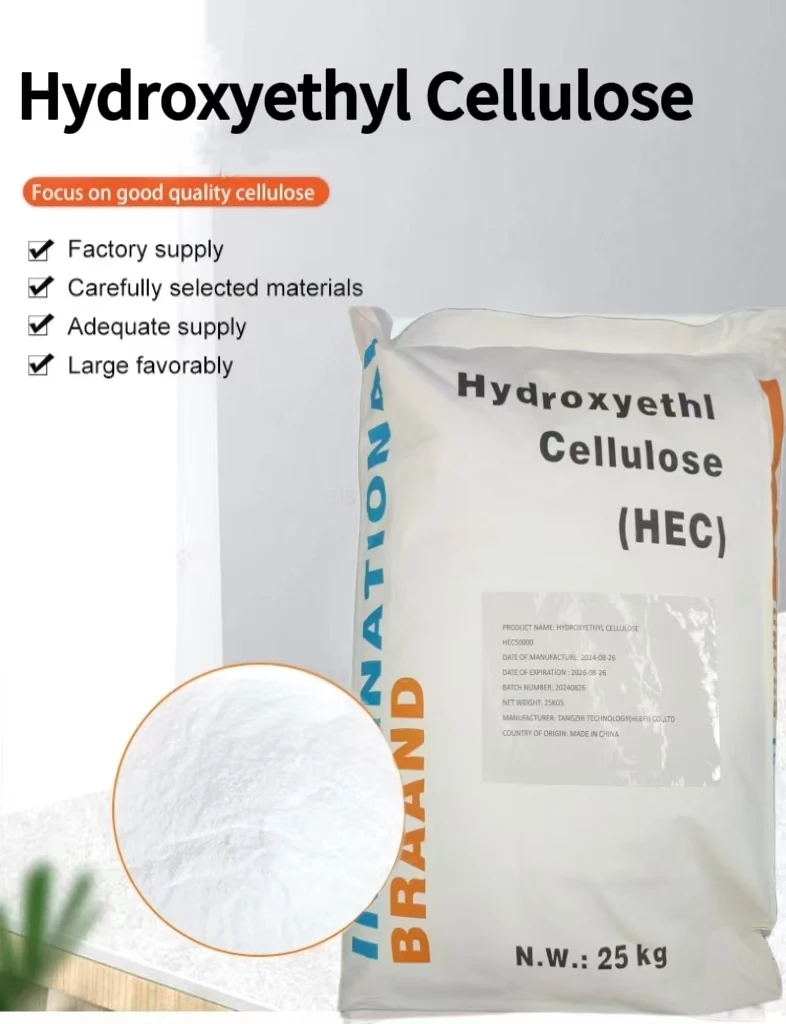
When comparing hec vs hpmc, both are valuable cellulose ethers, but they differ in solubility profile, enzyme resistance, and thermal gelation. HPMC’s heat-induced gel property often gives it an advantage in applications where structure must be maintained at elevated temperatures.
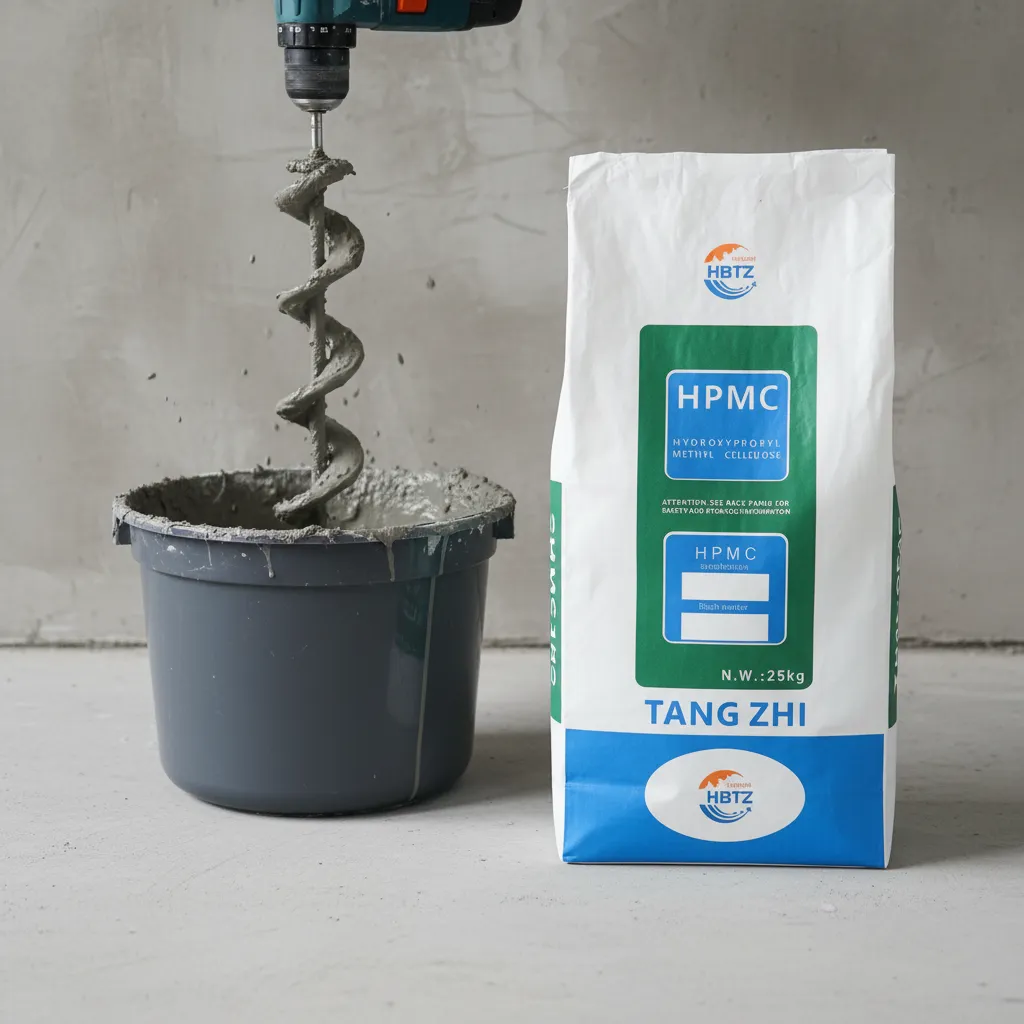
Why Construction HPMC and Pharmaceutical Uses Dominate the Market
The global demand for construction hpmc has increased dramatically due to urbanization and infrastructure growth. In cement-based materials, HPMC improves water retention, enhances workability, reduces sagging, and extends open time. These benefits lead to stronger bonding, fewer cracks, and better efficiency on job sites.
Tile adhesives, plasters, self-leveling compounds, and external insulation systems all rely on specific hpmc grades to achieve performance targets. Contractors value predictable rheology, while producers benefit from consistent batch quality.
Pharmaceutical industries represent another major application area. Here, hypromellose cellulose is prized for safety, non-toxicity, and compatibility with active ingredients. It functions as a binder, disintegrant, film former, and sustained-release agent.
The rise of vegetarian and vegan products has also boosted the importance of the hpmc capsule supplier market. Capsules made from HPMC provide an alternative to gelatin, offering stability across different humidity levels and suitability for sensitive formulations.
In advanced drug systems, combining hpc hpmc polymers allows scientists to fine-tune dissolution behavior and mechanical strength. Such blends demonstrate how cellulose technology continues to evolve.
Meanwhile, research into high viscosity hpmc keeps expanding into new industrial territories such as 3D printing materials, specialty coatings, and agricultural formulations.
As sustainability becomes a purchasing priority, plant-derived cellulose ethers deliver both functionality and environmental responsibility. This combination ensures HPMC remains at the forefront of material innovation.
From understanding hpmc grades viscosity to mastering how to dissolve hpmc in water, knowledge of this remarkable polymer opens the door to countless opportunities. Whether applied in pharmaceuticals, construction, or specialty industries, HPMC provides reliable thickening, film formation, and thermal gel control.
With diverse options such as hpmc e5, high viscosity hpmc, and customized blends like hpc hpmc, manufacturers can tailor solutions to exact performance requirements. As demand grows for plant-based and high-efficiency ingredients, hypromellose cellulose will continue to shape the future of formulation science.
FAQ About HPMC
Q1: What are HPMC grades and why are they important?
Hpmc grades define viscosity, substitution, and performance. Choosing the correct grade ensures the final product meets mechanical and functional expectations.
Q2: How do I dissolve HPMC correctly?
To understand how to dissolve hpmc in water, disperse it in hot water first, then cool with mixing. This prevents clumping and allows full hydration.
Q3: What is the difference between HEC vs HPMC?
In the comparison of hec vs hpmc, HPMC offers thermal gelation, while HEC generally focuses more on thickening and stabilization without heat-triggered gel formation.
Q4: What is special about HPMC capsules?
A reliable hpmc capsule supplier provides plant-based capsules with excellent stability, making them ideal for vegetarian and moisture-sensitive formulations.
Q5: How can HPMC form gels?
Learning how to make hpmc gel involves adjusting concentration and temperature. Once heated past the hpmc gelation temperature, the solution thickens into a structured network.
-
HPMC High-Performance Thickener | Hebei TangzhiNewsMar.06,2026
-
Wholesale Water Reducing Admixture for Special Cement: Performance and Market InsightsNewsFeb.28,2026
-
The Complete Guide to HPMC: Types, Applications, Grades, and Manufacturing InsightsNewsFeb.28,2026
-
Redispersible Polymer Powder: Types, Applications, and Performance AdvantagesNewsFeb.28,2026
-
Hydroxymethyl Ethyl Cellulose (MHEC): Properties, Applications, and Market InsightsNewsFeb.28,2026
-
Hydroxyethyl Cellulose: Applications, Performance, and Buying GuideNewsFeb.28,2026