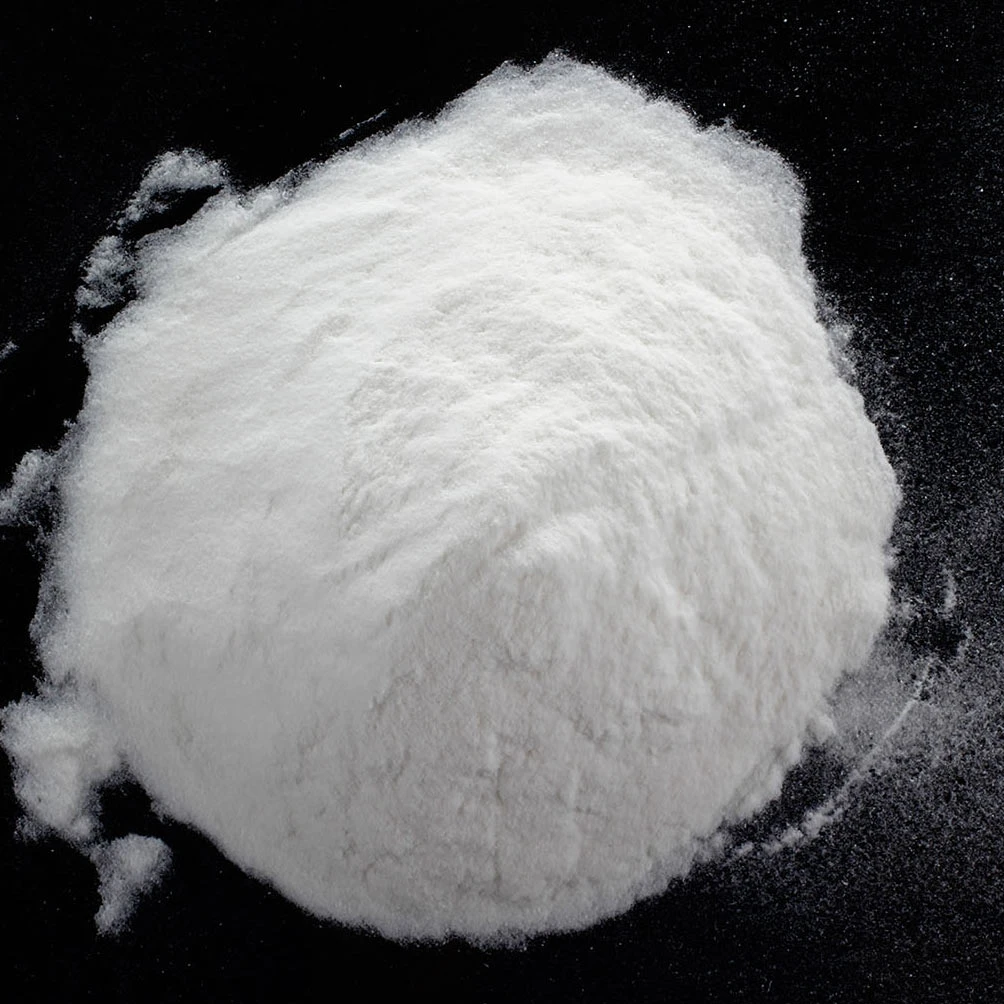
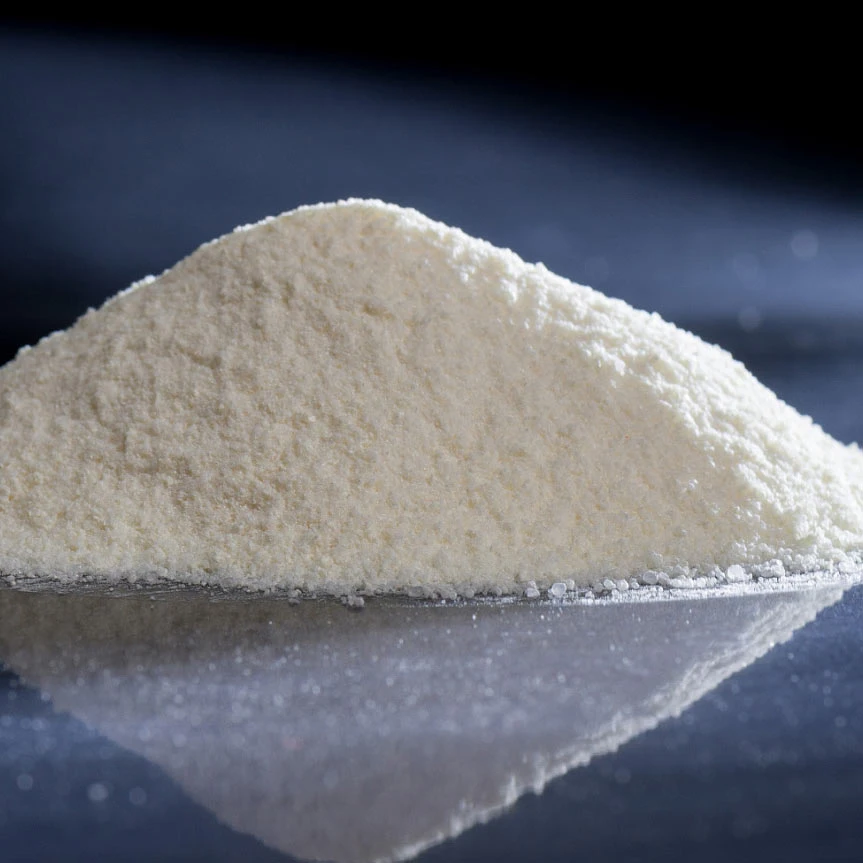
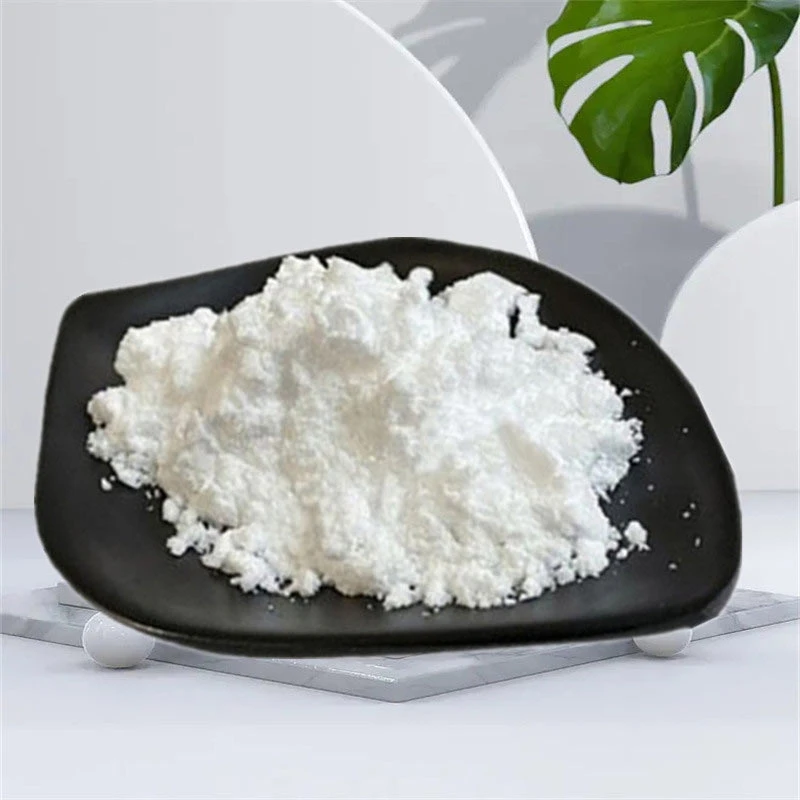
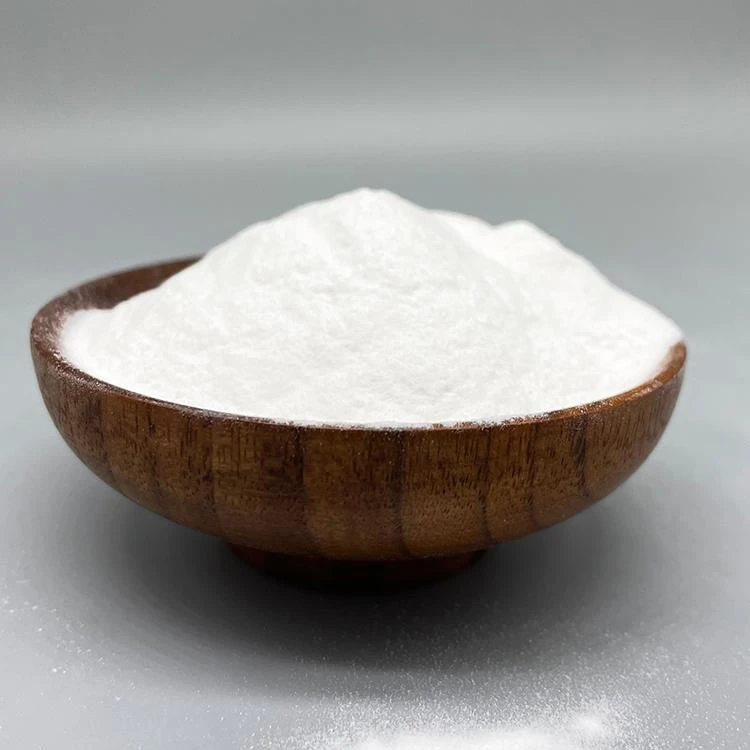
Polycarboxylate Superplasticizers Technology
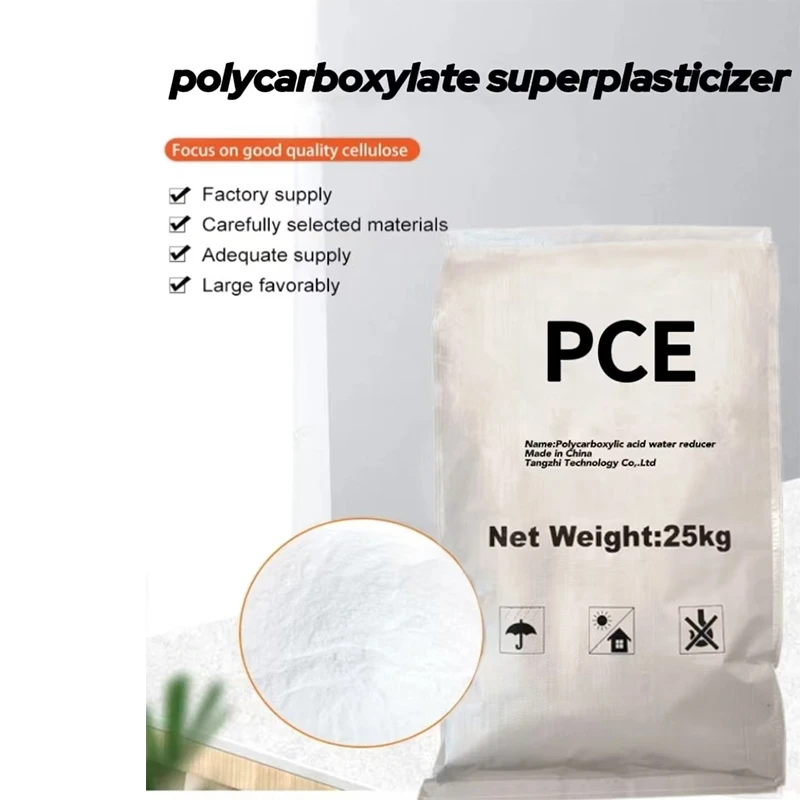
The skyline of the modern world, a testament to human ambition, is fundamentally built upon a single, ancient material: concrete. This transformation is driven by a silent molecular revolution, spearheaded by a class of advanced chemical admixtures known as Polycarboxylate ether-based superplasticizers, or simply PCE. As the pinnacle of water reducer in concrete technology, these polymers have moved beyond mere admixture status to become essential ingredients that unlock high-performance, durable, and sustainable construction. The core function of any superplasticizer is water reducing, but Polycarboxylate technology achieves this with unprecedented efficiency and intelligence, enabling concrete that flows like a thick liquid yet cures with the strength of stone.
This leap in material science is not just a laboratory achievement but a global industrial endeavor, powered by specialized manufacturers whose expertise translates molecular design into real-world structural integrity. At the forefront of this supply chain are companies like TANG ZHI TECHNOLOGY (HEBEI) CO., LTD, whose production of high-performance Polycarboxylate water reducer is integral to constructing the resilient infrastructure of the 21st century. Their commitment to integrating science, technology, manufacture, and trade ensures that this revolutionary technology is accessible and reliable for projects of every scale.
The Evolution and Molecular Genius of Polycarboxylate Superplasticizers
To appreciate the revolution, one must understand the evolution.
- Traditional water-reducers, like lignosulfonates or naphthalene-based products, worked primarily through electrostatic repulsion—giving cement particles a similar negative charge to push them apart. While effective, they had limitations in dosage efficiency, slump retention, and sometimes interfered with setting times. The advent of Polycarboxylate technology represented a paradigm shift.
- At its heart, a Polycarboxylatepolymer is a meticulously engineered molecule with a tailored architecture. It features a long backbone chain adorned with two key functional groups: carboxylic acid groups that provide anionic charge for initial electrostatic dispersion, and long, grafted polyether side chains. These side chains are the true game-changers.
Producing such precise and high-purity polymers requires sophisticated synthesis facilities. TANG ZHI TECHNOLOGY (HEBEI) CO., LTD, with its automatic production lines and world-class equipment housed in a 140,000 square meter facility, has the industrial-scale capability to manufacture these advanced Polycarboxylate products consistently. Their strong technological background and professional team of researchers ensure that the molecular design is faithfully executed in every batch, providing the reliable performance that modern concrete specifications demand.
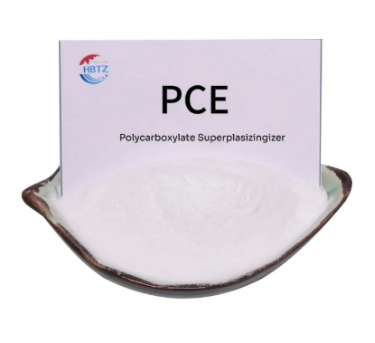
The Multifunctional Impact of a High-Efficiency Water Reducer in Concrete
The primary mandate of a water reducer in concrete is to allow for a significant reduction in mixing water while maintaining, or even improving, workability. This single action unleashes a cascade of transformative benefits for concrete properties.
- The most direct impact is on strength. By lowering the water-to-cement (w/c) ratio—the most critical factor governing concrete strength—Polycarboxylateenables the production of high-strength and ultra-high-strength concrete without exotic materials.
- Beyond strength, durability is profoundly enhanced.This dense microstructure drastically reduces the pathways for aggressive agents like chlorides, sulfates, and carbon dioxide to penetrate, thereby protecting the reinforcing steel and extending the service life of structures exposed to harsh environments, from marine piers to highway bridges.
- Furthermore, the superior workability afforded by Polycarboxylatetranslates into easier placement and compaction, even in heavily reinforced sections, ensuring homogeneity and reducing the risk of honeycombing or cold joints.
TANG ZHI TECHNOLOGY (HEBEI) CO., LTD, adhering to its "people-oriented, common development" philosophy, works closely with ready-mix and precast customers to develop customized Polycarboxylate solutions. Their extensive product portfolio, a result of continuous study and innovation, ensures they can provide the specific water reducer in concrete needed for a high-rise building's pumped columns, a precast facade element, or a durable wastewater treatment tank.
Driving Sustainable Construction Through Advanced Water Reducing Technology
The construction industry faces immense pressure to reduce its environmental impact, and Polycarboxylate superplasticizers are a powerful tool in this endeavor. The sustainability benefits are multi-layered.
- Firstly, the high water reducingcapability directly conserves a vital resource.
- Secondly, and more significantly, by enabling dramatic reductions in the water-to-cement ratio, Polycarboxylateallows for the production of stronger concrete using less cement for a given strength grade. Since cement production is a major source of global CO2 emissions, this cement reduction translates into a substantially lower carbon footprint for every cubic meter of concrete placed.
- Thirdly, as mentioned, Polycarboxylatefacilitates the increased use of industrial by-products , turning potential waste into valuable binder components and promoting a circular economy.
- Furthermore, the enhanced durability imparted by Polycarboxylate-modified concrete means structures last longer, reducing the frequency of repairs, rebuilds, and the associated material and energy consumption over a building's lifecycle. This aligns perfectly with the principles of sustainable development.
FAQs about Polycarboxylate Superplasticizer
How does the dosage of a Polycarboxylate superplasticizer compare to older-generation water reducers?
Polycarboxylate superplasticizers are significantly more potent than traditional products.Reputable suppliers provide technical data sheets and support to guide initial dosing, which must always be verified with job-specific materials.
Are there compatibility issues between Polycarboxylate superplasticizers and other common concrete admixtures?
Compatibility is a crucial consideration. Polycarboxylate polymers can sometimes interact unpredictably with certain admixtures, particularly some older retarder chemistries or chloride-based accelerators, potentially leading to rapid slump loss or excessive retardation. However, modern admixture systems are often designed for compatibility.
Can Polycarboxylate superplasticizers be used in all types of cement and concrete mixes?
While Polycarboxylate is universally applicable in principle, performance can vary with different cement types and mix designs. They are highly effective with Portland cements and blends containing SCMs. The versatility of Polycarboxylate chemistry allows suppliers to tailor products for challenging materials.
What is the shelf life of a liquid Polycarboxylate superplasticizer, and how should it be stored?
Liquid Polycarboxylate products typically have a shelf life of 6 to 12 months when stored in their original, sealed containers within a recommended temperature range. They should be protected from freezing and direct sunlight. Prolonged exposure to high temperatures can lead to degradation. It is always best to follow the manufacturer's specific storage guidelines.
What are the key advantages of specifying a high-performance Polycarboxylate water reducer?
The advantages are both technical and economic.
- Technically, they enable higher quality, more durable concrete that meets stringent performance specifications.
- Economically, they can lead to cost savings through cement reduction, faster construction cycles (due to early strength or SCC placement), and reduced labor for placement and finishing. They also mitigate risk by providing superior control over workability and setting, reducing the likelihood of placement errors or rejected loads.
- Specifying a high-performance Polycarboxylatefrom a reliable supplier is an investment in project predictability, longevity, and overall value. A supplier's full-service capability, from R&D support to reliable delivery, is a critical part of this value proposition.
Polycarboxylate superplasticizer technology is far more than an additive; it is a fundamental enabler of modern concrete construction. By mastering the molecular-scale interactions within concrete, this advanced water reducer in concrete has redefined what is possible in terms of strength, durability, workability, and sustainability. The ongoing water reducing revolution it leads is critical for addressing the dual challenges of building the infrastructure of the future and doing so with a significantly reduced environmental footprint. The consistent innovation and reliable supply of these high-performance materials by dedicated manufacturers form the backbone of this progress. Through a commitment to scientific rigor, quality manufacturing, and close collaboration with the construction industry, companies are ensuring that the molecular revolution translates into tangible, resilient, and sustainable structures.
-
HPMC High-Performance Thickener | Hebei TangzhiNewsMar.06,2026
-
Wholesale Water Reducing Admixture for Special Cement: Performance and Market InsightsNewsFeb.28,2026
-
The Complete Guide to HPMC: Types, Applications, Grades, and Manufacturing InsightsNewsFeb.28,2026
-
Redispersible Polymer Powder: Types, Applications, and Performance AdvantagesNewsFeb.28,2026
-
Hydroxymethyl Ethyl Cellulose (MHEC): Properties, Applications, and Market InsightsNewsFeb.28,2026
-
Hydroxyethyl Cellulose: Applications, Performance, and Buying GuideNewsFeb.28,2026