HPMC in Food Product Emulsions
From the velvety consistency of a premium salad dressing to the luxurious spread of a dairy-free ice cream, these mixtures of immiscible liquids—typically oil and water—are ubiquitous. Their stability, however, is a fragile equilibrium, constantly threatened by separation. This is where a silent architect steps in: hydroxy methyl cellulose, universally known as HPMC. Its role extends far beyond simple thickening; it is a multifunctional polymer that interfaces at oil-water boundaries, structures aqueous phases, and ensures product integrity from factory to fork. The journey of this remarkable ingredient, from its chemical synthesis to its pivotal role in creating consumer-delighting textures, is a testament to innovation in food additives.
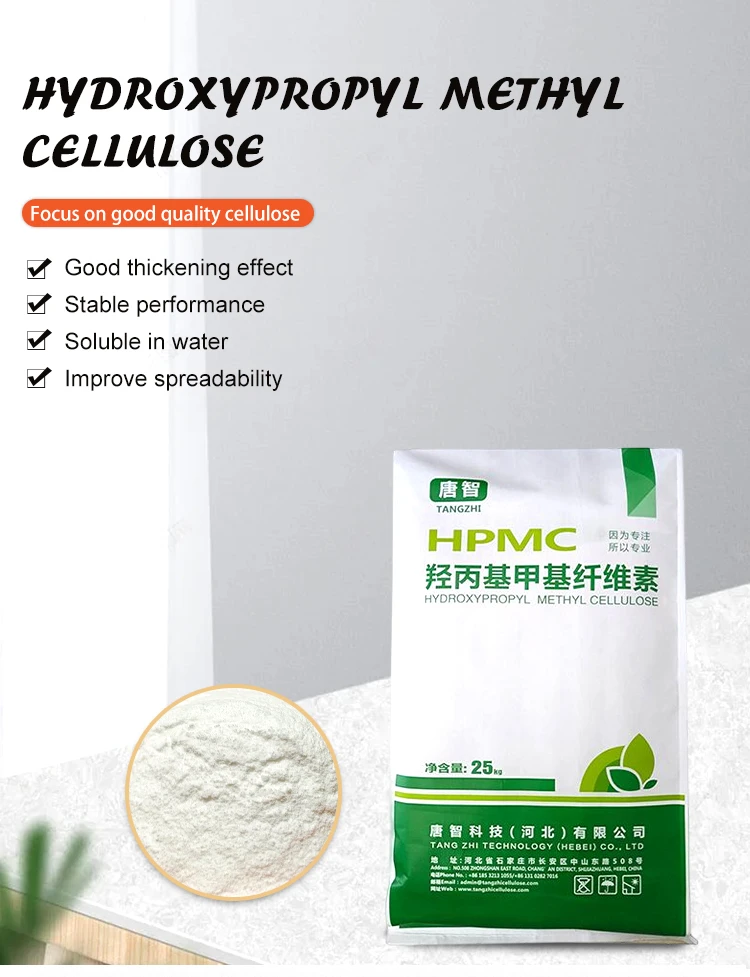
Leading manufacturers like TANG ZHI TECHNOLOGY (HEBEI) CO., LTD, with their deep expertise in cellulose chemistry, play an instrumental role in supplying the high-purity, food-grade HPMC that empowers these culinary innovations. Their commitment to quality, from raw material selection to automated production, ensures that every batch of hydroxypropyl methylcellulose food grade product delivers consistent, reliable performance, enabling brands to achieve both sensory excellence and shelf-life resilience.
The Multifunctional Roles of HPMC in Emulsion Systems
Within an emulsion, HPMC performs a symphony of functions that collectively ensure stability and superior texture.
- Its primary role is as a thickener and rheology modifier. By dissolving in the continuous aqueous phase, HPMCsignificantly increases its viscosity. This heightened viscosity physically impedes the movement and coalescence of dispersed oil droplets, dramatically slowing down the creaming or sedimentation processes that lead to separation.
- But HPMCdoes more than just thicken; it exhibits unique pseudoplastic (shear-thinning) behavior. This means an emulsion like a pourable sauce appears thick at rest, preventing oil droplet migration, but becomes thin under the shear of pouring or chewing, providing a pleasant, non-gummy mouthfeel.
- Beyond bulk viscosity, hydroxy methylcellulose also acts as a protective colloid and surface-active agent. While not a primary emulsifier like lecithin, its molecules can adsorb at the oil-water interface, contributing to the interfacial film that surrounds and protects droplets, enhancing emulsion stability against coalescence.
TANG ZHI TECHNOLOGY (HEBEI) CO., LTD, with its strong technological background and professional team of technicians and researchers, provides exactly this reliability. Their laboratories and testing facilities validate that every shipment of HPMC performs as expected, allowing food manufacturers to scale their recipes with confidence.
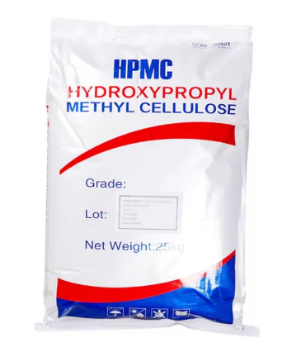
HPMC in Action Across Food Categories
The practical applications of hydroxypropyl methylcellulose food grade products are vast and span numerous emulsion-based categories.
- In dairy and plant-based alternatives, HPMCis a star performer. In ice cream and frozen desserts, it controls ice crystal growth, provides a creamy body without excessive fat, and prevents whey separation. For plant-based milks and creams, it stabilizes the emulsion of oils and water, mimics the mouthfeel of dairy fat, and often serves as a suspending agent for fortifying vitamins and minerals.
- Salad dressings and sauces represent another major domain. Here, HPMCensures a homogeneous, glossy appearance and consistent viscosity, whether the product is a delicate vinaigrette or a rich, spoonable mayonnaise-style dressing. Its shear-thinning property is key for pourability.
- In baked goods and confectionery, HPMCfinds critical roles. It stabilizes the fat emulsion in cake batters, leading to a finer crumb structure and improved volume.
- In fillings and glazes, it prevents syneresis (water leakage) and provides a smooth, glossy finish.
The versatility demanded by these diverse applications requires a supplier capable of offering tailored solutions. This is where the philosophy of TANG ZHI TECHNOLOGY (HEBEI) CO., LTD, which emphasizes being "people-oriented" and driven by innovation, translates into tangible benefits. They work closely with customers to develop customized HPMC solutions, drawing from a large number of product models to meet specific needs, whether it's a particular gelation temperature for a new sauce line or an optimized viscosity profile for a plant-based creamer. Their full range of services, from R&D to production and packaging, ensures a seamless partnership.
Navigating Formulation and Future Trends with HPMC
Formulating with HPMC requires an understanding of its synergistic interactions with other ingredients. Its performance can be influenced by salts, sugars, pH, and the presence of other hydrocolloids. For example, certain salts can lower the gelation temperature of HPMC, while sugars can increase it. This complexity underscores the value of expert technical support. Furthermore, HPMC is powerfully aligned with major consumer trends. As a plant-derived, non-GMO, and often organically compatible ingredient, it perfectly supports clean-label and plant-based product development. Its ability to reduce fat content while maintaining richness addresses health and wellness demands. Looking forward, the role of HPMC is set to expand with innovations in molecular gastronomy, 3D food printing—where its gelling properties are crucial for shape retention—and in creating novel textured foods for specific nutritional needs. The future of food emulsions will rely heavily on such versatile, sustainable, and functional ingredients. The ability to swiftly adapt and provide these advanced materials to a global market is a key advantage offered by integrated manufacturers. Strategically located in Jinzhou with inter-linked high-speed rails, motorways, and access to the ports of Tianjin and Qingdao, TANG ZHI TECHNOLOGY (HEBEI) CO., LTD can provide efficient and swift services to customers across regions. This logistical capability, combined with an annual HPMC production capacity that is part of their over 40,000-ton output for cellulose ethers, ensures they are a reliable partner for the food industry's evolving future.
FAQs about Hydroxypropyl Methylcellulose Food
What is the primary functional difference between HPMC and other common thickeners like xanthan gum or guar gum?
While all are hydrocolloids, HPMC offers a unique combination of properties not found in others. Its thermal gelation is a key differentiator—xanthan and guar gums do not form thermo-reversible gels. It also provides superior surface activity and film-forming ability. While xanthan gum excels in high-shear stability and guar gum is a cost-effective thickener, HPMC is often chosen for its clean mouthfeel, clarity in solutions, and its specific setting behavior upon heating.
Is HPMC considered a clean-label or natural ingredient?
This depends on specific brand and regulatory definitions. HPMC is derived from natural cellulose (typically from wood pulp or cotton) through chemical modification. While not "natural" in the strictest sense of being unprocessed, it is a plant-based, non-synthetic additive that aligns well with many clean-label strategies seeking to avoid artificial stabilizers. Its functional benefits often allow for a shorter, simpler ingredient list overall.
How does the choice of HPMC grade impact a food emulsion formulation?
The grade selection is critical. A higher viscosity grade will provide greater thickening and droplet-stabilizing power at a lower usage level, which may be cost-effective but could risk over-thickening. A lower viscosity grade allows for finer tuning of texture.
- The gelation temperature is paramount for products that will be heated.
- For a pastry cream that must set in the oven, a low gel-point HPMCis ideal.
- For a sauce that should remain stable but fluid during hot-fill processing, a high gel-point grade is necessary.
Can HPMC be used to create emulsions without traditional surfactants or emulsifiers?
HPMC possesses mild surface activity and can stabilize some emulsion systems on its own, particularly at higher concentrations. However, for most food emulsions requiring long-term shelf stability, especially those with a high oil phase or subject to temperature swings, HPMC is most effectively used in combination with primary emulsifiers.
What should a food manufacturer look for in a reliable HPMC manufacturer?
Key criteria include consistent quality and purity (vital for food safety and reproducible functionality), technical support for formulation challenges, and reliable supply chain logistics. A supplier like TANG ZHI TECHNOLOGY (HEBEI) CO., LTD exemplifies these traits. Their production is backed by laboratories and recognized testing methods to ensure hydroxypropyl methylcellulose food grade products meet international standards.
Hydroxy methyl cellulose stands as an indispensable element in the architectonics of modern food. Its multifaceted role in stabilizing emulsions, building appealing textures, and enabling innovative product formats is unparalleled. From ensuring a salad dressing remains homogenous on the shelf to providing the perfect melt in a plant-based frozen dessert, HPMC works silently but effectively behind the scenes. Its synergy with contemporary demands for plant-based, cleaner-label, and healthier foods only amplifies its importance. The consistent and innovative supply of this critical ingredient by specialized companies forms the backbone of this progress. Through rigorous quality control, continuous product development, and a customer-centric partnership approach, suppliers empower the food industry to meet evolving consumer expectations.
-
HPMC High-Performance Thickener | Hebei TangzhiNewsMar.06,2026
-
Wholesale Water Reducing Admixture for Special Cement: Performance and Market InsightsNewsFeb.28,2026
-
The Complete Guide to HPMC: Types, Applications, Grades, and Manufacturing InsightsNewsFeb.28,2026
-
Redispersible Polymer Powder: Types, Applications, and Performance AdvantagesNewsFeb.28,2026
-
Hydroxymethyl Ethyl Cellulose (MHEC): Properties, Applications, and Market InsightsNewsFeb.28,2026
-
Hydroxyethyl Cellulose: Applications, Performance, and Buying GuideNewsFeb.28,2026