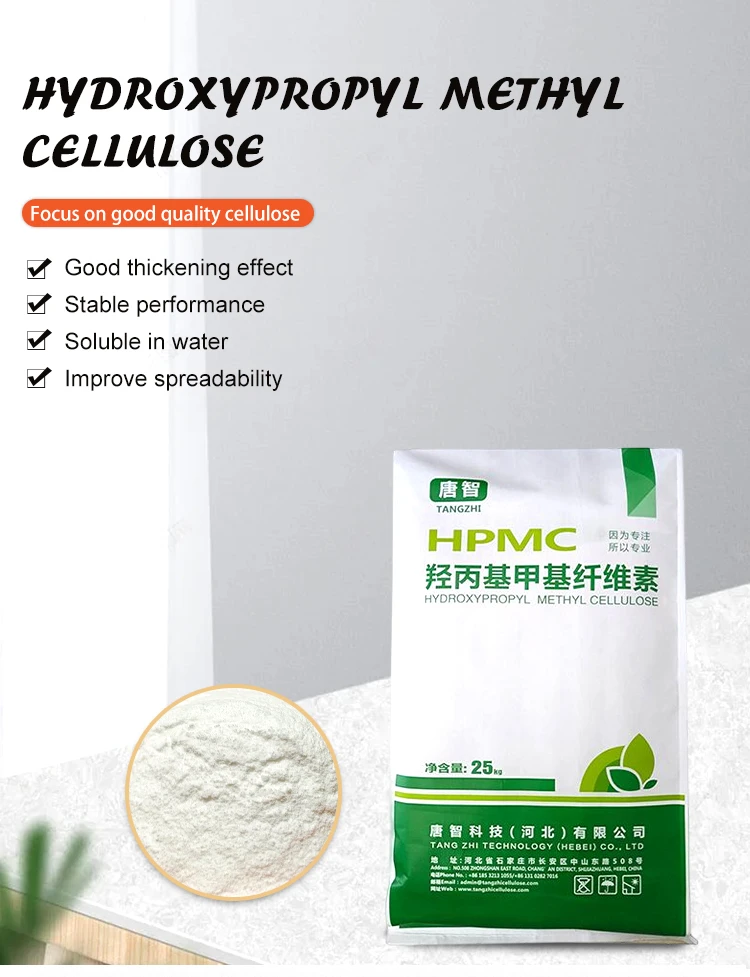
Cellulose in Sustainable Packaging
In an era increasingly defined by environmental consciousness, the quest for sustainable alternatives to conventional plastics has become a global imperative. At the forefront of this material revolution stands a humble yet powerful natural polymer: cellulose. As the primary structural component of plant cell walls, cellulose is the most abundant organic polymer on Earth, offering a renewable, biodegradable, and versatile foundation for the future of packaging. The shift towards bio-based materials is not merely a trend but a necessary evolution, and cellulose, along with its engineered derivatives like carboxymethyl cellulose and hydroxyethyl cellulose, is proving to be a cornerstone in building a circular economy.
This article delves into the transformative role of cellulose in sustainable packaging, exploring its inherent properties, the enhanced functionalities provided by its derivatives, and the innovative applications that are reshaping industries. Leading this charge are specialized manufacturers like TANG ZHI TECHNOLOGY (HEBEI) CO., LTD, whose expertise in producing high-quality cellulose derivatives is empowering brands to make the green transition without compromising on performance.
The Fundamental Promise of Cellulose in Packaging
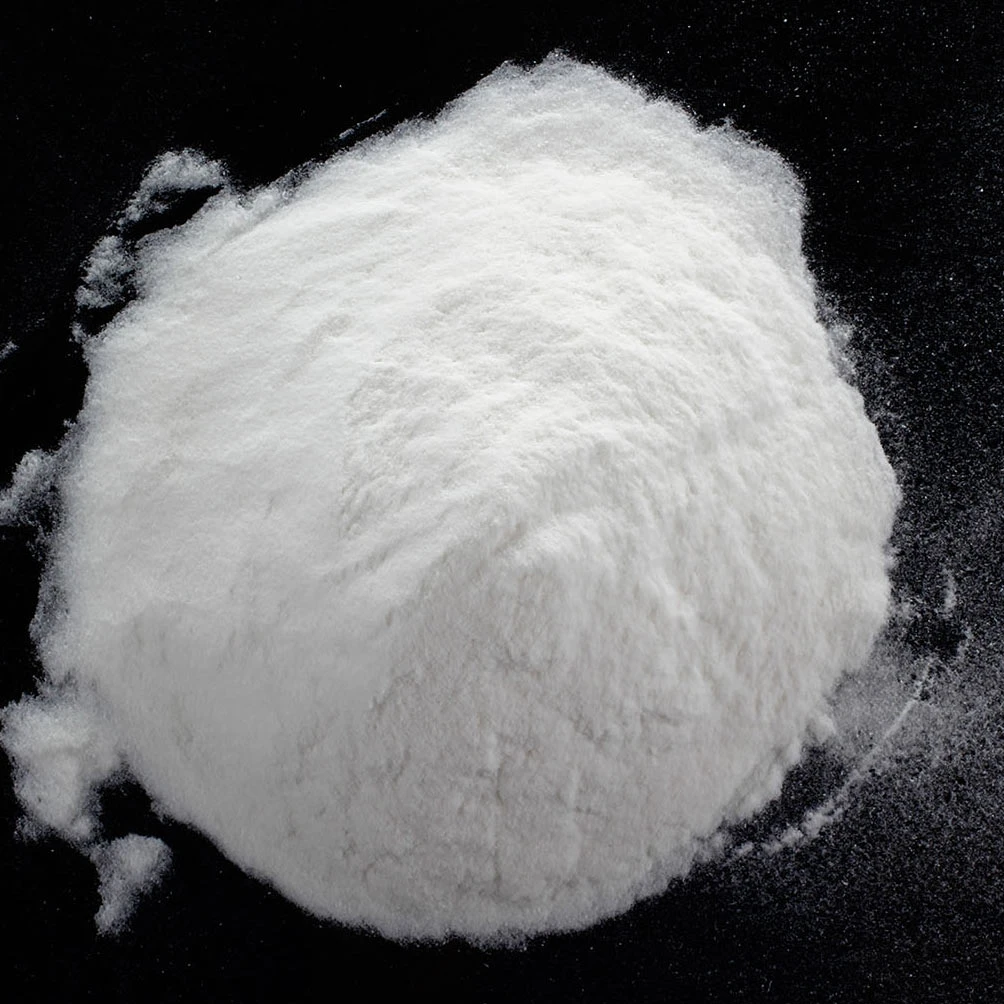
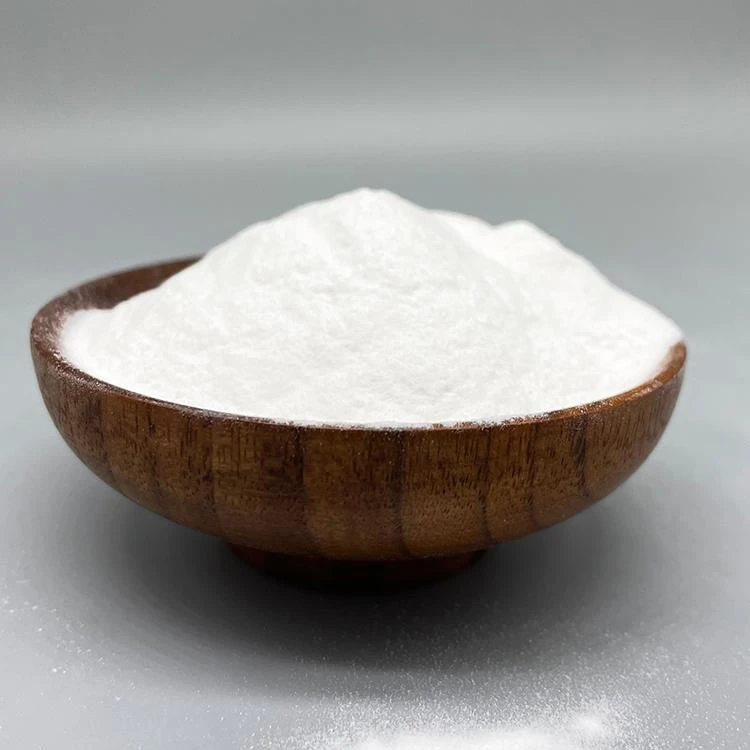
The appeal of cellulose in packaging originates from its very origin. As a natural polymer derived from wood pulp, cotton, hemp, and various agricultural residues, it represents a paradigm shift away from fossil fuel-based resources. Its molecular structure, a linear chain of glucose units, provides a unique combination of strength, stability, and modifiability.
- In its pure forms, such as regenerated cellulosefilms (often termed cellophane) or paper, it provides excellent barrier properties to gases like oxygen, which is crucial for preserving food quality, while remaining fully compostable in industrial and home settings.
- The sustainability credentials are robust: celluloseis sourced from replenishable biomass, its production typically has a lower carbon footprint compared to synthetic plastics, and its end-of-life scenario involves returning to the earth as water, CO2, and biomass through microbial action.
Companies committed to green solutions, such as TANG ZHI TECHNOLOGY (HEBEI) CO., LTD, understand that the journey begins with the raw material. By leveraging their automatic production lines and world-class equipment, they ensure a consistent and high-purity supply of cellulose-based products, which forms the essential first link in the sustainable packaging value chain. Their location in Jinzhou, with efficient access to major ports, further ensures that this green backbone material can be swiftly delivered to global markets seeking viable alternatives.
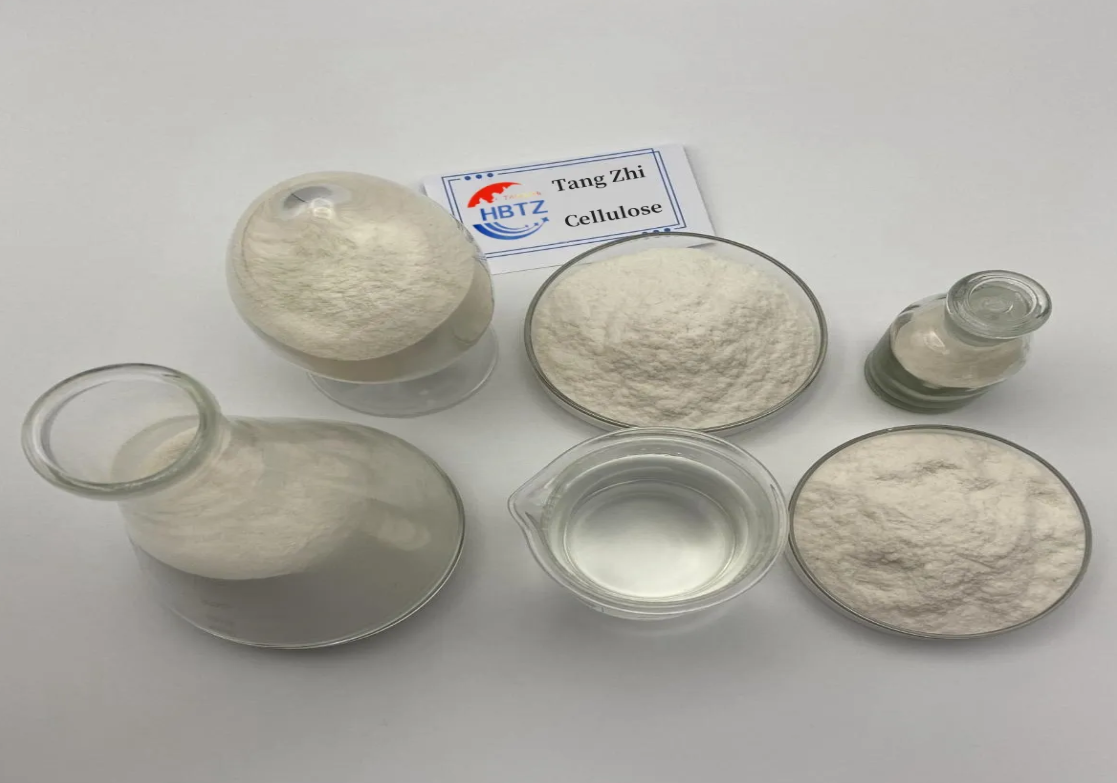
The Role of Carboxymethyl Cellulose
While pure cellulose has many virtues, modern packaging often demands more specialized properties—such as improved water solubility, enhanced film-forming ability, or precise rheological control. This is where chemically modified derivatives like carboxymethyl cellulose come into play.
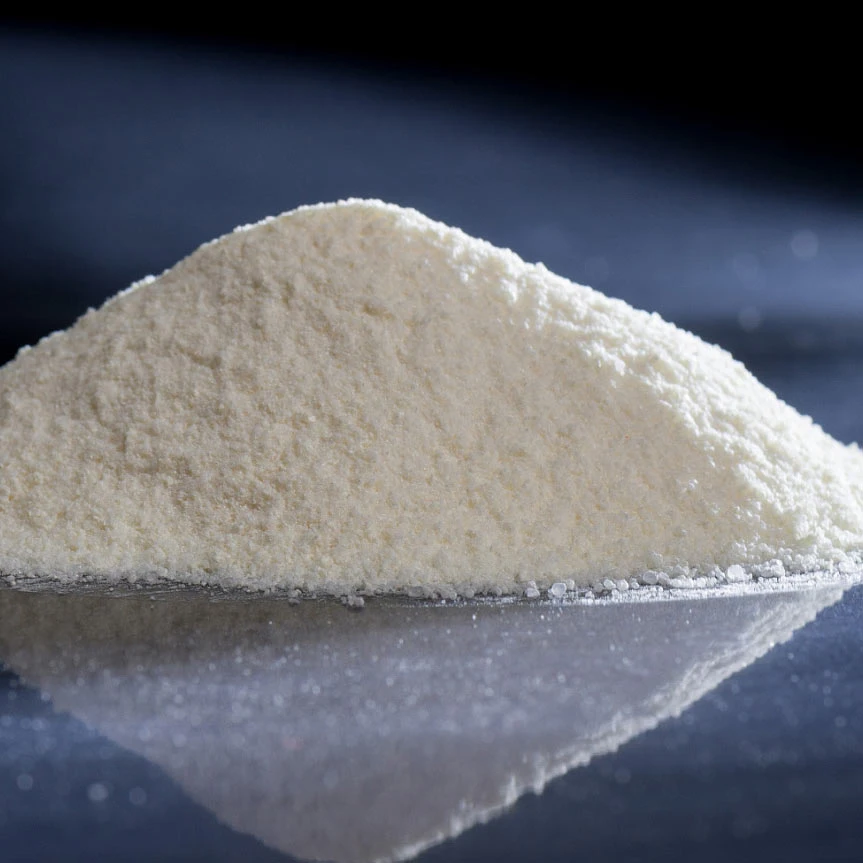
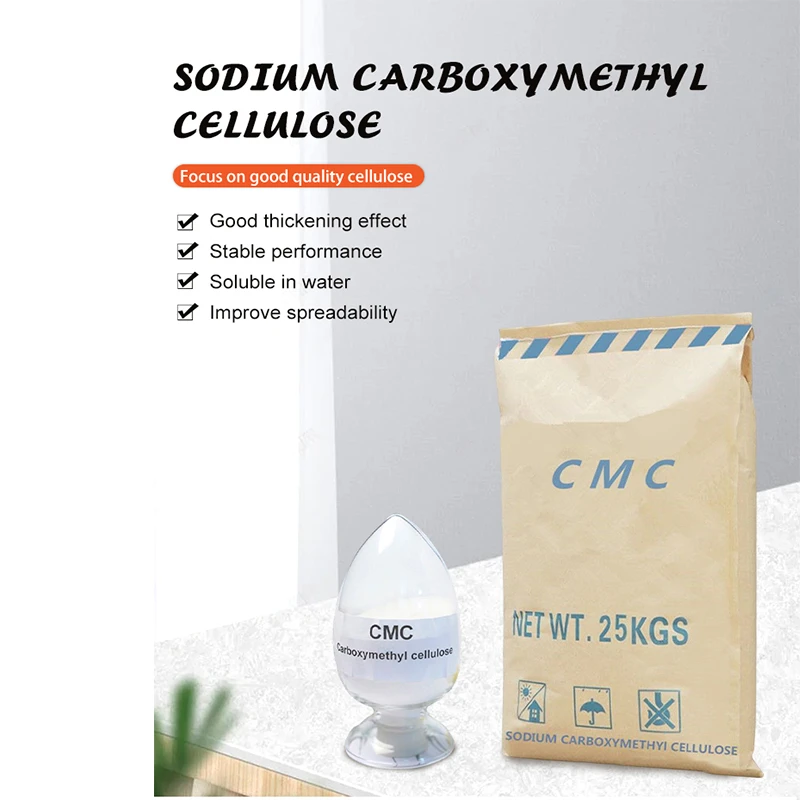
- Carboxymethyl celluloseis produced by reacting alkali cellulose with chloroacetic acid, introducing carboxymethyl groups onto the cellulose This modification grants it high solubility in water and anionic character, making it an exceptional thickener, binder, and stabilizer.
- In sustainable packaging, carboxymethyl celluloseis a key ingredient in the formulation of biodegradable coatings and films. Its excellent film-forming and oxygen-barrier properties under dry conditions make it ideal for coating paper and cardboard to replace traditional plastic laminates, enhancing grease resistance while maintaining full compostability.
The technical teams at TANG ZHI TECHNOLOGY (HEBEI) CO., LTD, with their rich expertise in creating high-quality cellulose derivatives, have refined the production of carboxymethyl cellulose to meet stringent application demands.
Versatility in Application: The Contribution of Hydroxyethyl Cellulose
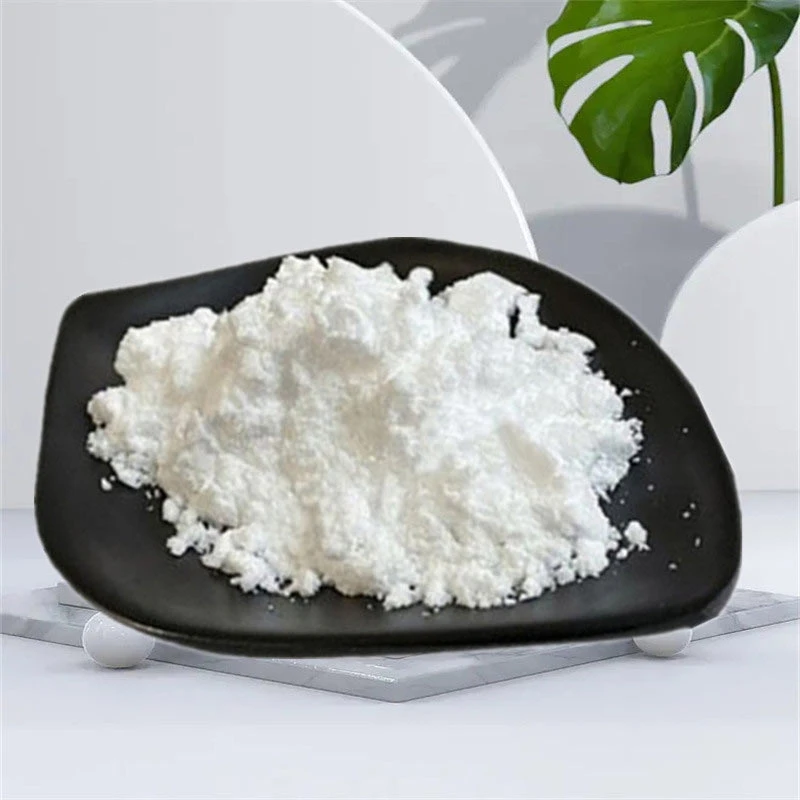
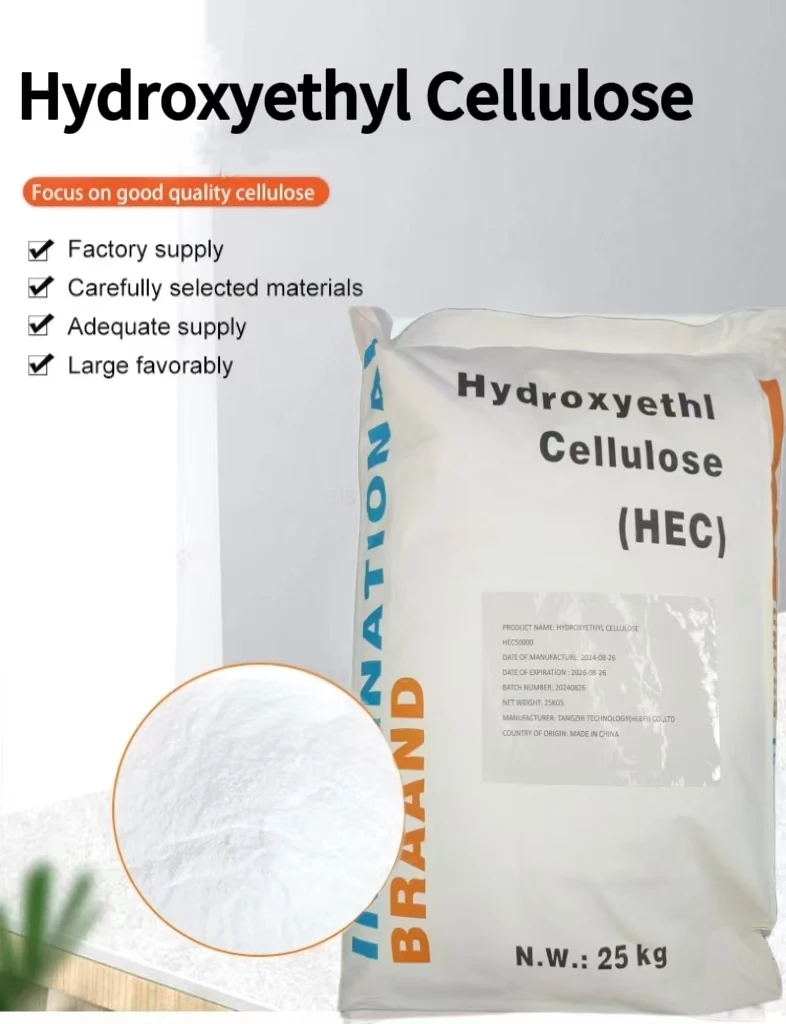
Another critical derivative expanding the horizons of cellulose-based packaging is hydroxyethyl cellulose. Synthesized by the ethoxylation of cellulose, hydroxyethyl cellulose is a non-ionic, water-soluble polymer prized for its thickening efficiency, pH stability, and superior water retention.
- In packaging contexts, hydroxyethyl celluloseserves as a vital modifier in adhesive formulations used for labels, case sealing, and carton erection.
- Furthermore, hydroxyethyl celluloseis instrumental in creating advanced barrier coatings. Its ability to form clear, flexible, and strong films when combined with other biopolymers like chitosan or starch allows for the development of protective layers that are both effective and environmentally benign.
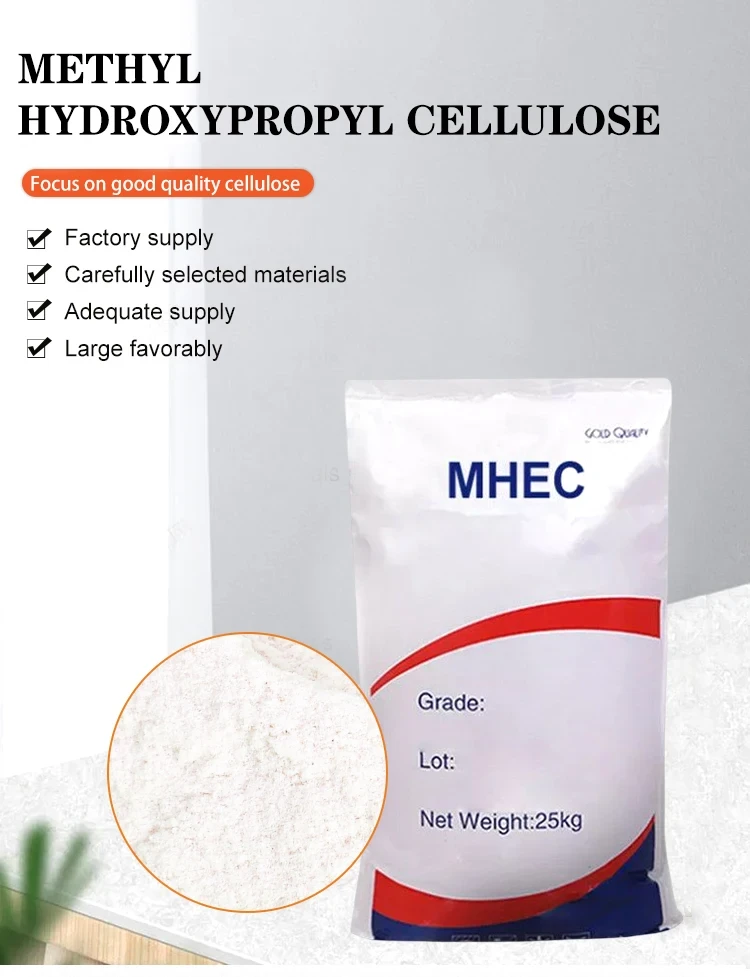
For manufacturers seeking tailored solutions, the professional team at TANG ZHI TECHNOLOGY (HEBEI) CO., LTD provides customized hydroxyethyl cellulose grades. Their product portfolio, which also includes HPMC and MHEC, is designed to offer specific rheological profiles and performance characteristics, enabling packaging engineers to fine-tune their formulations for optimal machinability, adhesion, and end-performance, all underpinned by a sustainable ethos.
FAQs about Cellulose Packaging
What are the main advantages of choosing cellulose packaging over conventional plastics?
The advantages are multi-faceted.
- Environmentally, cellulose-based packaging is derived from renewable resources, is biodegradable and compostable, and aligns with circular economy principles.
- Functionally, materials like carboxymethyl celluloseand hydroxyethyl cellulose can provide excellent barrier properties, good mechanical strength, and versatility in form.
- From a brand perspective, it meets growing consumer demand for sustainable options and can help comply with increasingly stringent global regulations on single-use plastics.
How does the cost of derived cellulose packaging compare to traditional plastic packaging?
Currently, the upfront material cost for advanced cellulose derivatives can be higher than for mass-produced fossil-based plastics. However, a total cost analysis is evolving. As production technologies scale and efficiency improves—a focus for companies like TANG ZHI TECHNOLOGY which continually innovates its production processes—costs are decreasing.
Are basing cellulose packaging materials truly home-compostable?
It depends on the specific formulation. Pure cellulose films and paper are readily home-compostable. For derivatives like carboxymethyl cellulose and hydroxyethyl cellulose, their compostability is generally very good, as they are water-soluble and derived from natural polymers. However, final packaging products often combine these with other materials for performance. The key is formulation design.
Can cellulose barriers provide adequate shelf life for moisture-sensitive products?
This is a key area of innovation. While pure cellulose is hydrophilic, its derivatives can be engineered, and composite materials can be created to manage moisture. Hydroxyethyl cellulose can be used in blends with other biopolymers to create more moisture-resistant films. Alternatively, carboxymethyl cellulose coatings can be cross-linked or layered with lipid-based components to significantly improve water vapor barrier properties.
What is the role of a company like TANG ZHI TECHNOLOGY in advancing cellulose’s sustainable packaging?
Companies like TANG ZHI TECHNOLOGY (HEBEI) CO., LTD are critical infrastructure for the sustainable packaging revolution. With a professional team of technicians and researchers, they advance the material science of cellulose derivatives, improving the performance and affordability of products like CMC and HEC. Their full-range services—from R&D to production and packaging—ensure quality and reliability.
The narrative of sustainable packaging is being rewritten, and cellulose is the protagonist. Organizations such as TANG ZHI TECHNOLOGY (HEBEI) CO., LTD, with their "reform driven innovation, innovation driven development" philosophy, embody this commitment. By refining the production of essential cellulose derivatives and fostering close collaborations with their clients, they are helping to weave cellulose into the very fabric of a sustainable future.
-
HPMC High-Performance Thickener | Hebei TangzhiNewsMar.06,2026
-
Wholesale Water Reducing Admixture for Special Cement: Performance and Market InsightsNewsFeb.28,2026
-
The Complete Guide to HPMC: Types, Applications, Grades, and Manufacturing InsightsNewsFeb.28,2026
-
Redispersible Polymer Powder: Types, Applications, and Performance AdvantagesNewsFeb.28,2026
-
Hydroxymethyl Ethyl Cellulose (MHEC): Properties, Applications, and Market InsightsNewsFeb.28,2026
-
Hydroxyethyl Cellulose: Applications, Performance, and Buying GuideNewsFeb.28,2026