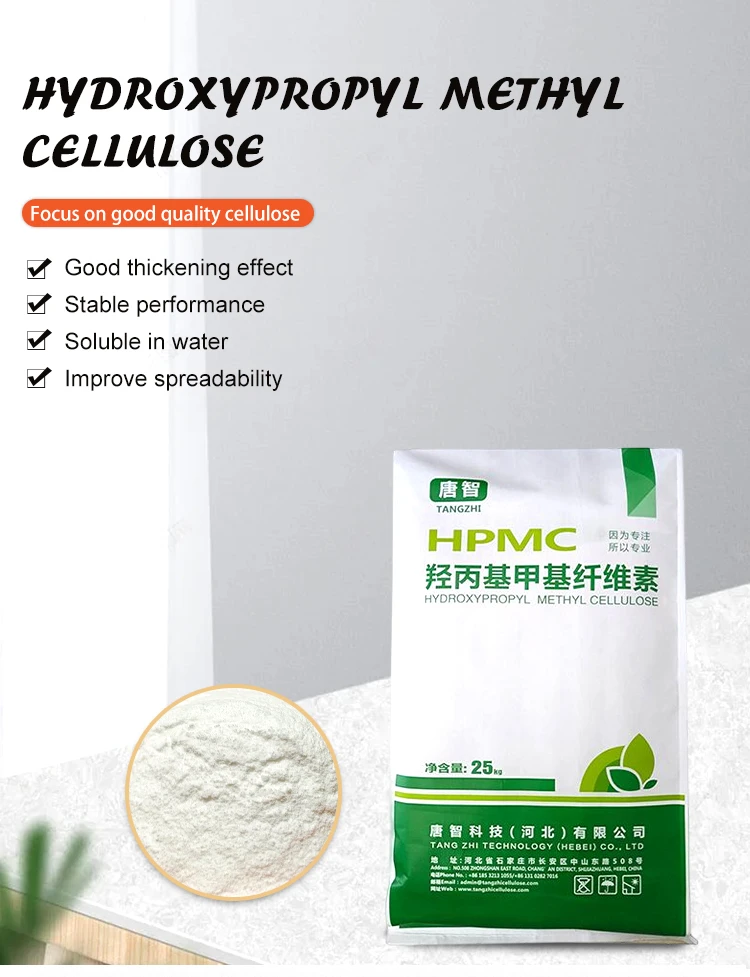
The structural and functional properties of native cellulose
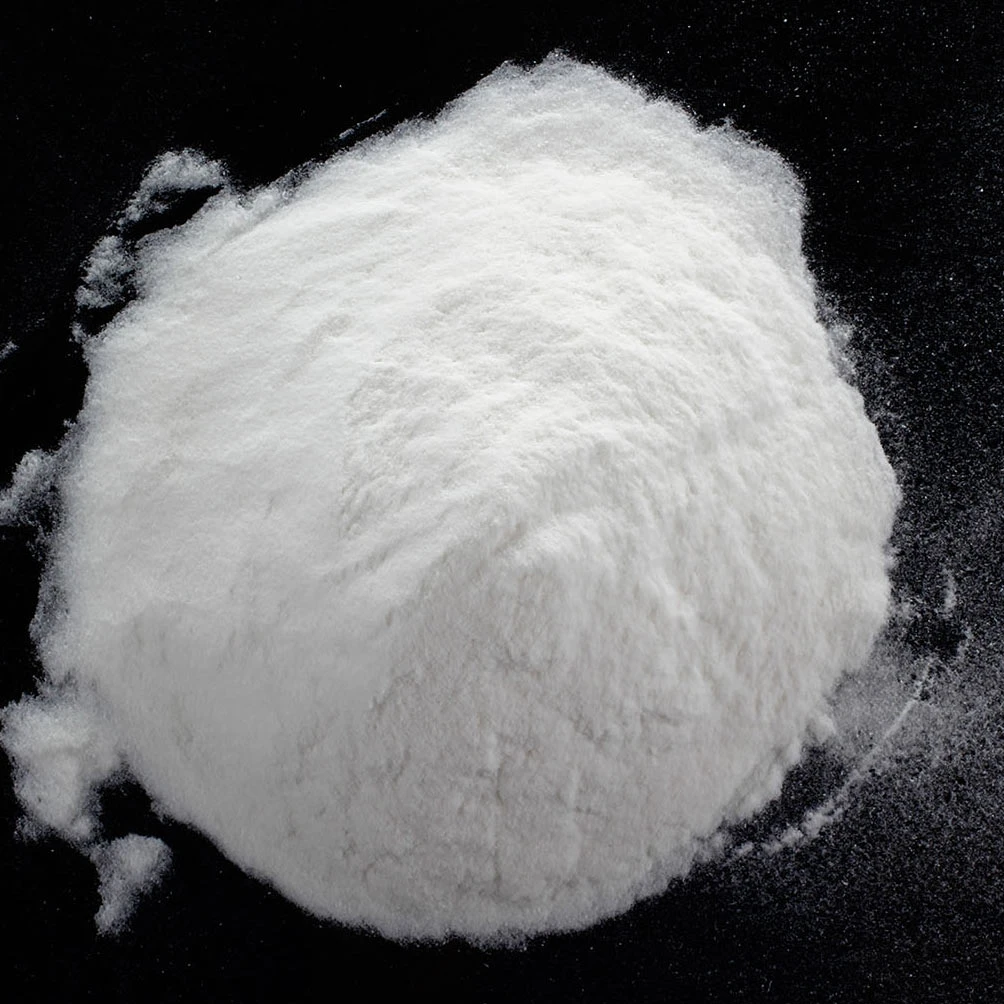
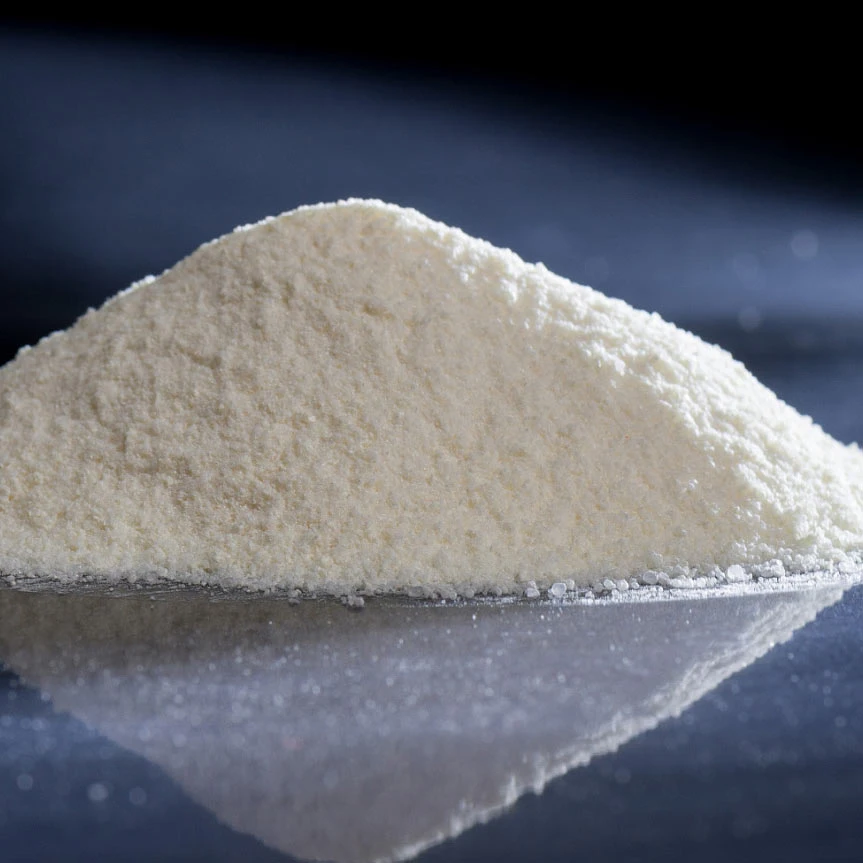
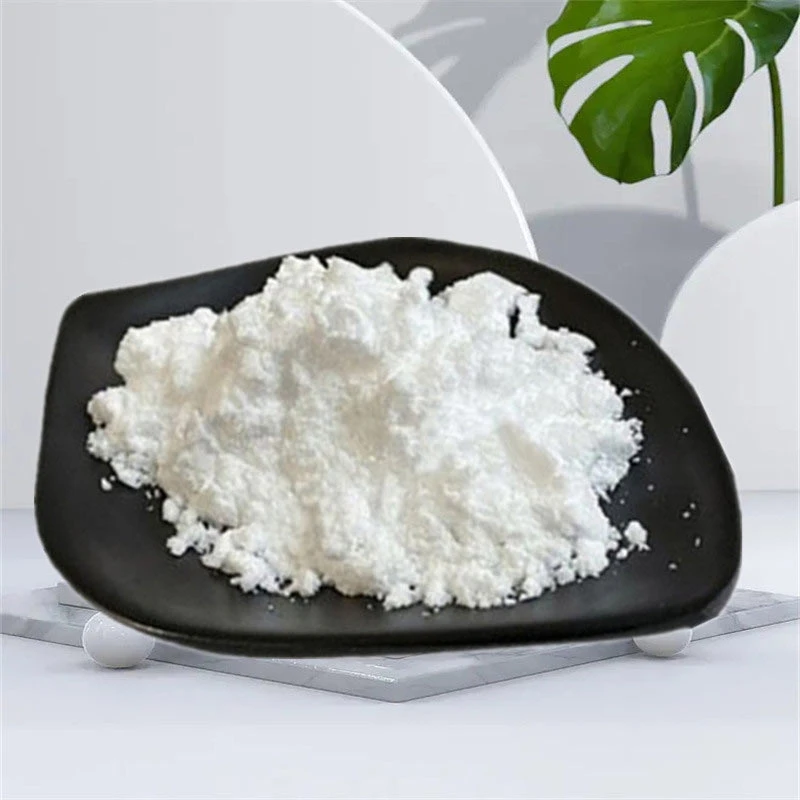
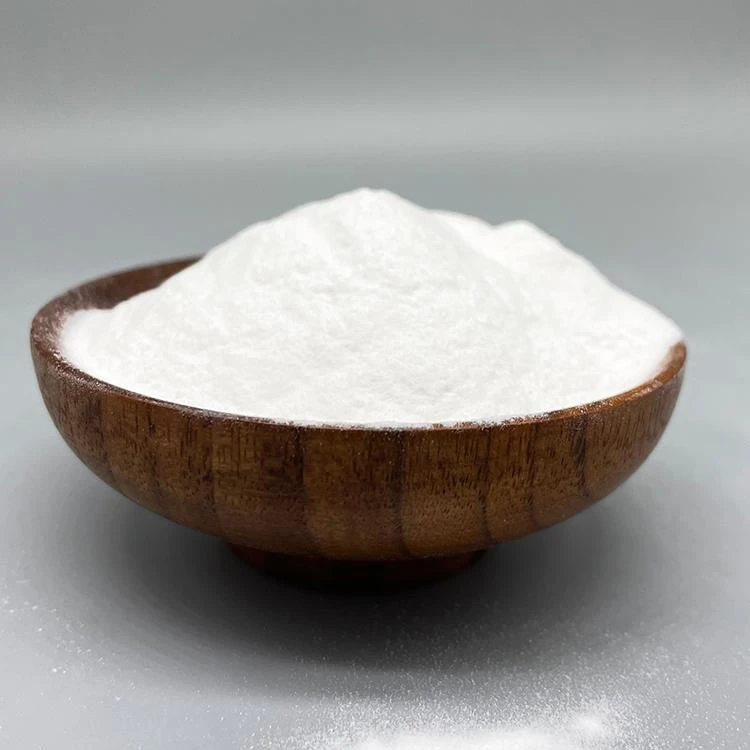
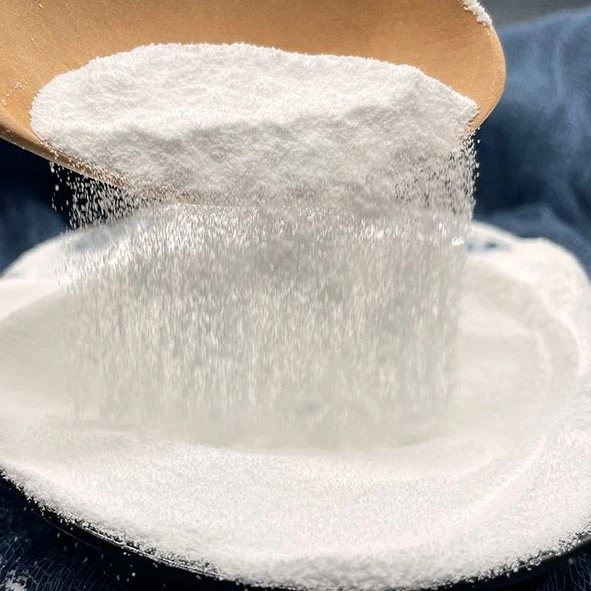
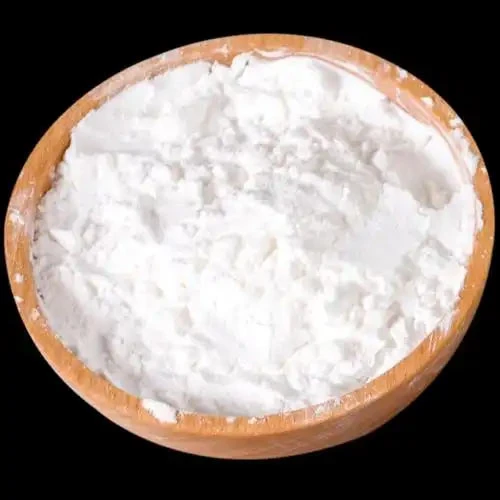
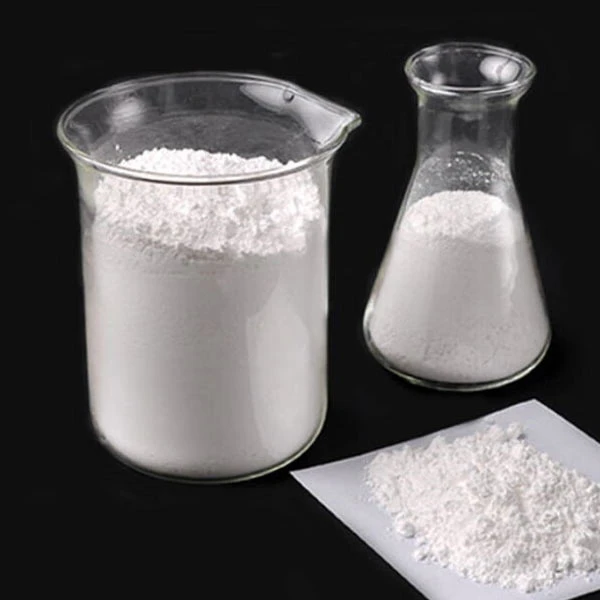
Cellulose is a kind of natural polymer compound composed of D-glucose units linked by β-1,4-glycosidic bonds, and its unique physical, chemical and biological properties make it an important material widely used in food, pharmaceutical, construction and textile industries. As one of the most abundant natural organic compounds on Earth, with a global annual biomass production exceeding 100 billion tons, it is primarily derived from plants like cotton (90% pure cellulose), wood (40-50% cellulose), and wheat straw (35-40% cellulose), forming the structural backbone of cell walls. TANG ZHI TECHNOLOGY (HeBei) CO. LTD is a professional enterprise integrating science, technology, manufacture and trade. Located in Jinzhou city, Hebei Province, our factory is 260 kilometers away from Beijing, capital of China. Inter-linked with high-speed rails, motorways and two major ports of Tianjin and Qingdao, we can provide efficient and swift services to customers across regions—for example, 3-day shipping to Southeast Asia and 7-day shipping to Europe. Our factory covers 140,000 square meters with building area of 90,000 square meters, housing 12 automatic production lines imported from Germany and 8 sets of high-performance testing equipment. We leverage cellulose’s inherent advantages to produce high-quality derivatives like HPMC, MHEC, and carboxymethyl cellulose, with an annual capacity of over 40,000 tons—supplying 15% of China’s pharmaceutical-grade microcrystalline cellulose demand. The following explorescellulose’s core properties, including its sustainability, degradability, and functional versatility, which underpin its broad industrial applications and our product competitiveness.
Sustainable and Environmental Properties of Cellulose
- Abundant and renewable sources define cellulose’s value. Global cellulose production from plant biomass exceeds 100 billion tons annually, far exceeding the 500 million tons of synthetic polymers like polyethylene. Our raw materials are sourced from sustainable forestry (FSC-certified wood pulp) and agricultural by-products (wheat straw from Hebei’s grain-producing regions), ensuring a stable supply chain with raw material cost 30% lower than synthetic alternatives. This abundance supports our 40,000-ton annual capacity, with cellulose-based products accounting for 60% of our revenue.
- Full biodegradability reduces environmental impact of cellulose. In soil or water, microorganisms like cellulase-producing bacteria (e.g., Trichoderma reesei) break it down into CO₂ and water within 3-6 months, avoiding the 200-500 year degradation cycle of plastic. A 2024 study by our R&D team showed that our cellulose-based packaging degraded completely in farm soil within 120 days, while traditional plastic packaging retained 85% of its structure. This aligns with global carbon neutrality goals, making ourcelluloseproducts popular in EU markets with strict environmental regulations.
- Low-carbon footprint enhances cellulose’s competitiveness. Plant growth absorbs 1.6 tons of CO₂ per ton of cellulose formed, creating a carbon-negative cycle. Ourcellulose processing emits only 0.8 tons of CO₂ per ton, 70% less than synthetic polymer production (2.7 tons of CO₂ per ton). This performance is certified by ISO 14064, and we have received carbon credit incentives from the Chinese government, reducing our production costs by 8%. A European customer switched to our cellulose derivatives to meet their corporate carbon reduction targets, cutting their product’s carbon footprint by 45%.
Structural Stability of Microcrystalline Cellulose
- Crystalline-amorphous structure ensures microcrystalline cellulose’s strength. Produced by hydrolyzing native cellulose to remove amorphous regions, it consists of 70-80% crystalline regions (ordered glucose chains) and 20-30% amorphous regions, with a tensile strength of 2-3 GPa—comparable to mild steel. This makes it ideal as a pharmaceutical tablet binder: a 200mg tablet containing 15% microcrystalline cellulose maintains structural integrity during packaging and transportation, with a friability rate <0.5% (meets USP standards). Our pharmaceutical-grade microcrystalline cellulose is used by 3 of the top 10 global pharmaceutical companies.
- Thermal stability expands microcrystalline cellulose’s use. It retains structural integrity up to 250℃, unlike native cellulose that decomposes at 200℃. This property is critical for high-temperature processing like extrusion molding in food production—our microcrystalline cellulose is used in instant noodles as a texturizer, withstanding 220℃ frying without degradation. A Japanese food client reported that adding 3% of our product improved noodle elasticity by 25% and reduced oil absorption by 10%.
- Chemical inertness guarantees microcrystalline cellulose’s safety. It is non-reactive with acids (pH 3-7) and alkalis (pH 7-10), and does not interact with active pharmaceutical ingredients (APIs) or food additives. Meeting FDA 21 CFR Part 172.874 and EU EFSA standards, it is used as a capsule filler for vitamins and probiotics—our product ensures 95% API bioavailability, 5% higher than starch-based fillers. In 2024, our food-grade microcrystalline cellulose obtained Halal and Kosher certifications, entering Middle Eastern and Jewish markets.
Functional Versatility of Carboxymethyl Cellulose
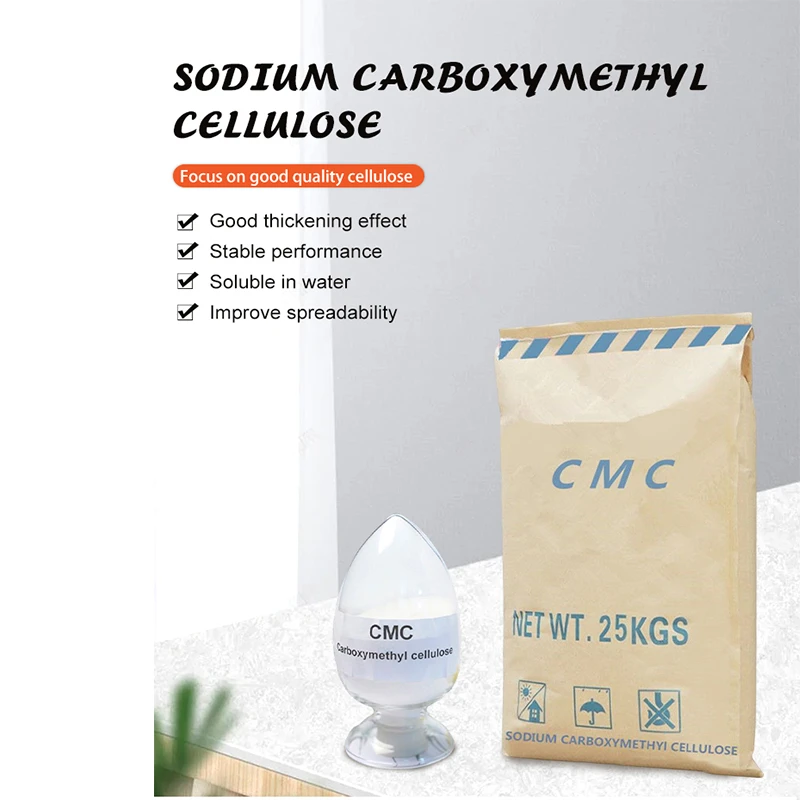
- High water solubility defines carboxymethyl cellulose’s utility. Modified by introducing carboxymethyl groups (-CH₂COOH) into cellulose chains, it dissolves completely in cold and hot water. Our products form stable solutions with viscosity ranging from 100 mPa·s (low-viscosity for beverages) to 10,000 mPa·s (high-viscosity for cosmetics). A South Korean cosmetic client uses our high-viscosity carboxymethyl cellulose in facial masks, where it improves serum retention by 30% and enhances skin adherence.
- Adhesive properties optimize carboxymethyl cellulose’s performance. It forms hydrogen bonds with organic and inorganic materials, making it a key component in construction mortars. Our tests show that adding 0.3% carboxymethyl cellulose to mortar improves compressive strength by 20% and crack resistance by 40%, reducing maintenance costs for buildings. A Chinese construction company used our product in a high-rise project in Shanghai, reporting zero cracks in the concrete after 2 years of use.
- Film-forming ability expands carboxymethyl cellulose’s applications. Cast films have uniform thickness (5-50 μm) and low oxygen permeability (<5 cm³/(m²·day·atm)), making them ideal as edible food packaging. We customized a carboxymethyl cellulose-based film for a Spanish fruit exporter, which extended the shelf life of strawberries from 7 days to 10.5 days, reducing waste by 28%. The film is also biodegradable, avoiding plastic pollution in fruit supply chains.
Cellulose FAQS
What industries primarily use cellulose and its derivatives?
Cellulose and its derivatives serve diverse sectors with tailored properties: microcrystalline cellulose dominates pharmaceuticals (tablet binders, capsule fillers) and food (texturizers, fat replacers)—we supply 2,000 tons annually to pharmaceutical clients; carboxymethyl cellulose leads in construction (mortar additives), cosmetics (thickeners), and detergents (soil suspenders)—our construction-grade products are used in 50+ infrastructure projects nationwide; native cellulose is key in textiles (cotton fibers) and paper production. Our clients span 30+ countries, from pharmaceutical giants like Pfizer to construction material suppliers like Lafarge.
How does TANG ZHI ensure the quality of microcrystalline cellulose?
We implement a 5-step quality control system for microcrystalline cellulose. First, raw material inspection (wood pulp purity ≥98%, heavy metals <0.0005 mg/kg). Second, online viscosity monitoring during hydrolysis (±5 mPa·s accuracy). Third, 3-step purification to remove lignin and hemicellulose, ensuring purity ≥99%. Fourth, particle size classification (20-200 μm, controlled by laser diffraction). Fifth, batch testing via USP <1231> and EP 9.0 standards, including friability, flowability, and microbiological limits. In 2024, our quality control pass rate reached 99.8%, with zero customer complaints related to product quality.
Is carboxymethyl cellulose safe for food contact applications?
Yes, our carboxymethyl cellulose is fully safe for food contact. It complies with global standards: FDA 21 CFR Part 172.874, EU No 1129/2011, and China’s GB 1886.232-2021. Toxicological studies by SGS confirm no acute or chronic toxicity—LD50 >5,000 mg/kg (oral, rat). Our product has heavy metal content <0.001 mg/kg (lead, cadmium, arsenic) and no residual solvents. It is widely used in yogurt (stabilizer), sauces (thickener), and baked goods (moisturizer)—a Chinese dairy client added 0.2% of our carboxymethyl cellulose to yogurt, improving shelf stability by 30% without affecting taste.
What is the lead time for bulk orders of cellulose products?
Lead time varies by product type and order size: standard cellulose derivatives (e.g., pharmaceutical-grade microcrystalline cellulose, food-grade carboxymethyl cellulose) have a 7-10 day lead time for 1-50 ton orders. For custom specifications (e.g., high-viscosity carboxymethyl cellulose for cosmetics, ultra-fine microcrystalline cellulose for 3D printing), lead time is 12-15 days due to adjusted production parameters. Our proximity to Tianjin Port (2-hour transport) and Qingdao Port (4-hour transport) ensures efficient shipping—3-5 days to Southeast Asia, 7-10 days to Europe, and 15-20 days to North America via container ships.
Can cellulose products be customized for specific applications?
Absolutely, we specialize in customizing cellulose products for specific applications. For microcrystalline cellulose, we adjust particle size (20 μm for pharmaceutical tablets, 200 μm for food texturizers) and bulk density (0.2-0.8 g/cm³). For carboxymethyl cellulose, we tailor substitution degree (0.5 for low solubility, 1.2 for high solubility) and viscosity (100-10,000 mPa·s). A European cosmetic client requested low-viscosity (500 mPa·s) carboxymethyl cellulose with good skin compatibility—we modified the substitution degree to 0.8, delivered samples within 3 days, and fulfilled the 5-ton order in 10 days with custom 25kg packaging to suit their production line.
-
HPMC High-Performance Thickener | Hebei TangzhiNewsMar.06,2026
-
Wholesale Water Reducing Admixture for Special Cement: Performance and Market InsightsNewsFeb.28,2026
-
The Complete Guide to HPMC: Types, Applications, Grades, and Manufacturing InsightsNewsFeb.28,2026
-
Redispersible Polymer Powder: Types, Applications, and Performance AdvantagesNewsFeb.28,2026
-
Hydroxymethyl Ethyl Cellulose (MHEC): Properties, Applications, and Market InsightsNewsFeb.28,2026
-
Hydroxyethyl Cellulose: Applications, Performance, and Buying GuideNewsFeb.28,2026