RDP Polymer Applications in Construction Mortars
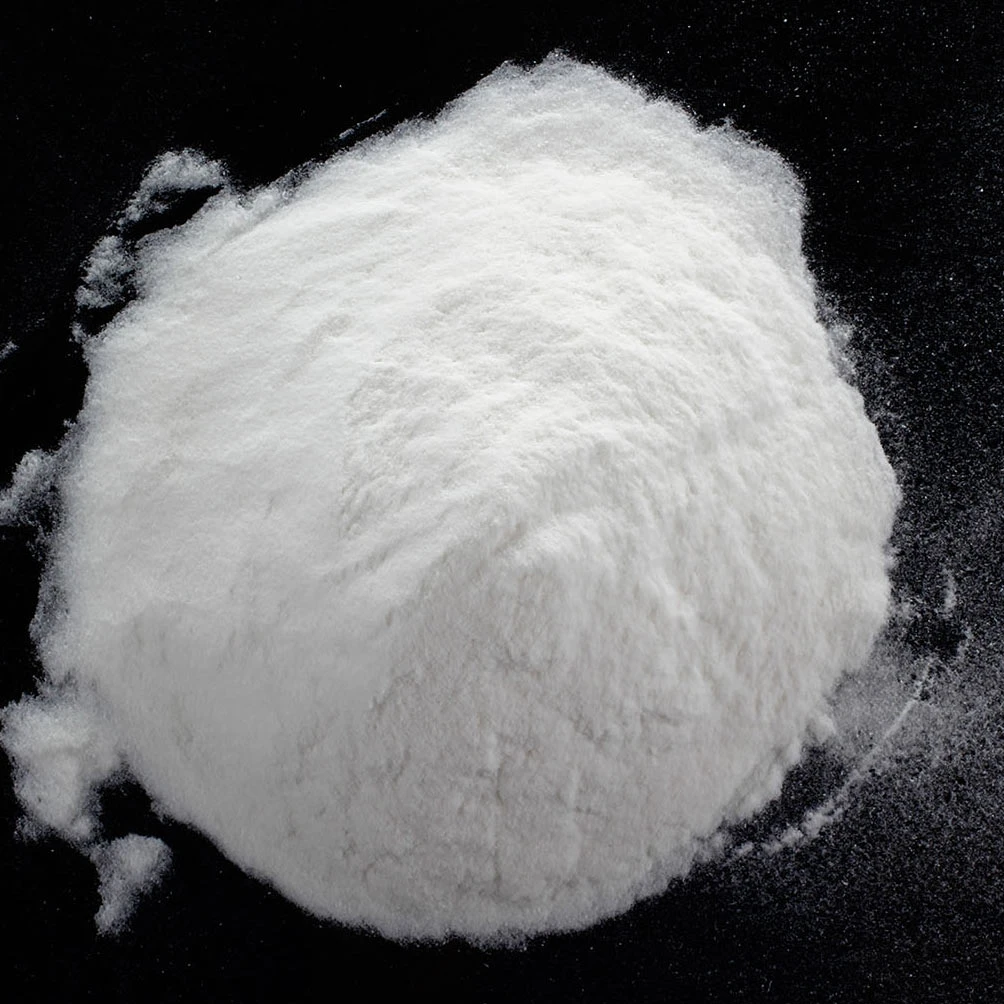
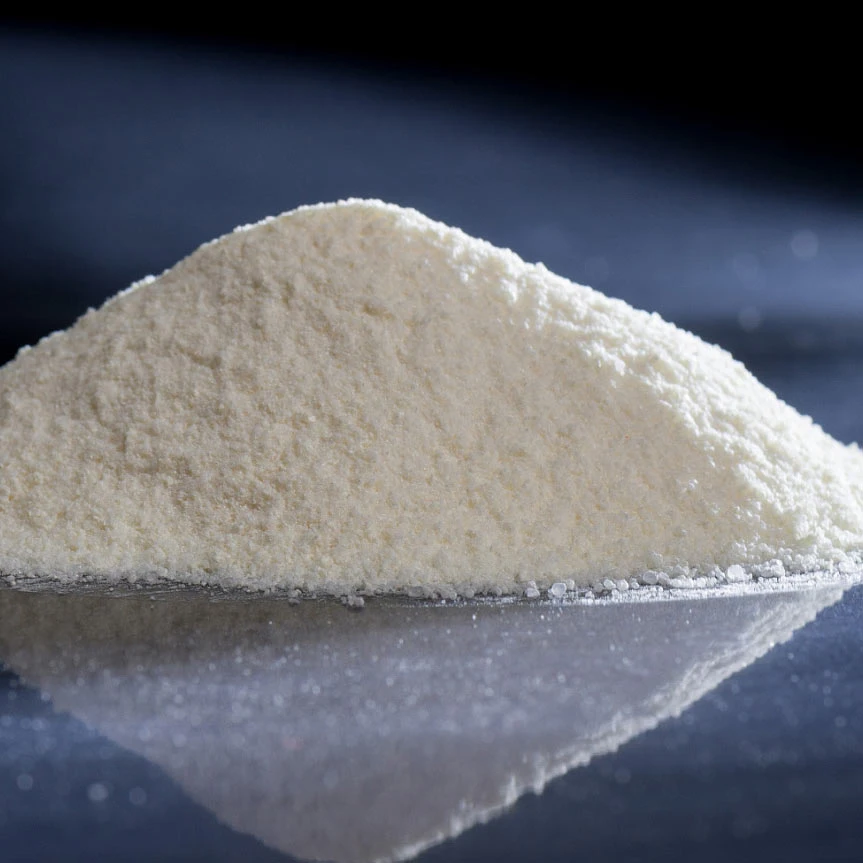
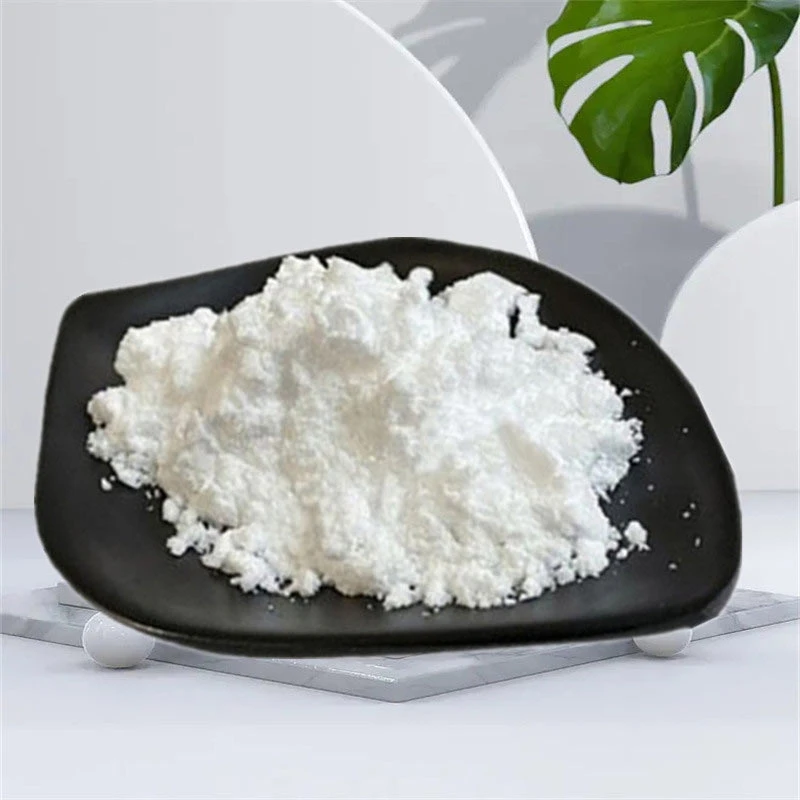
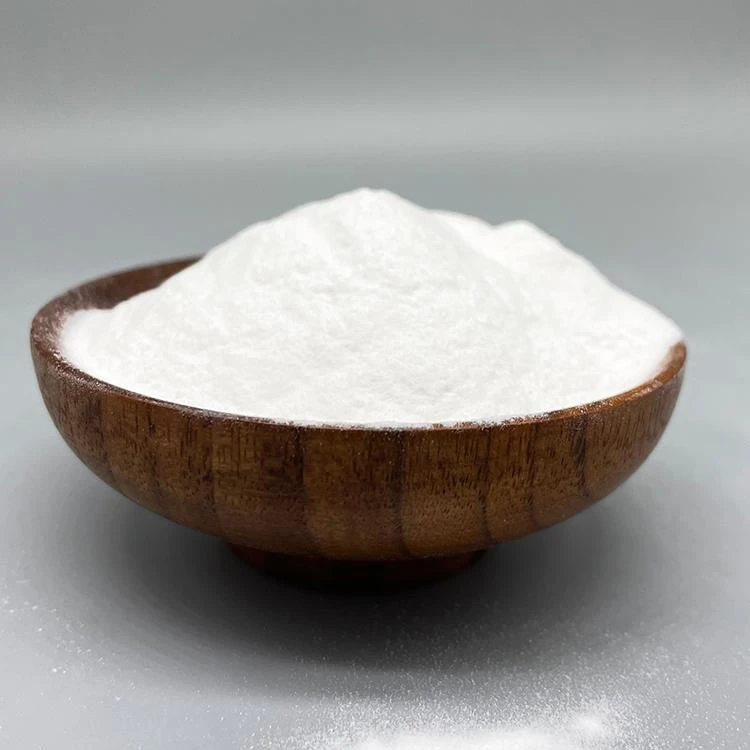
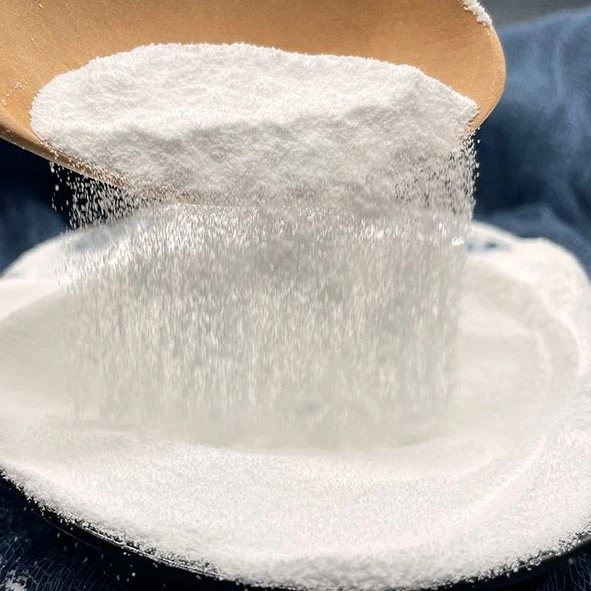
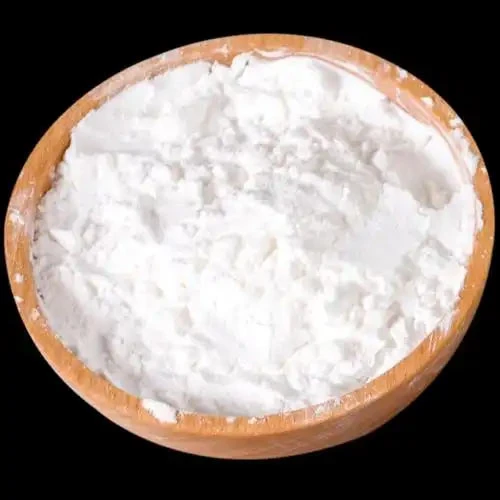
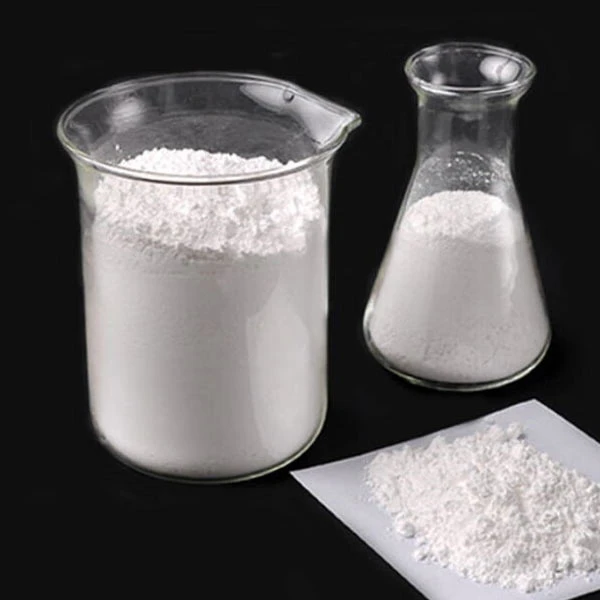
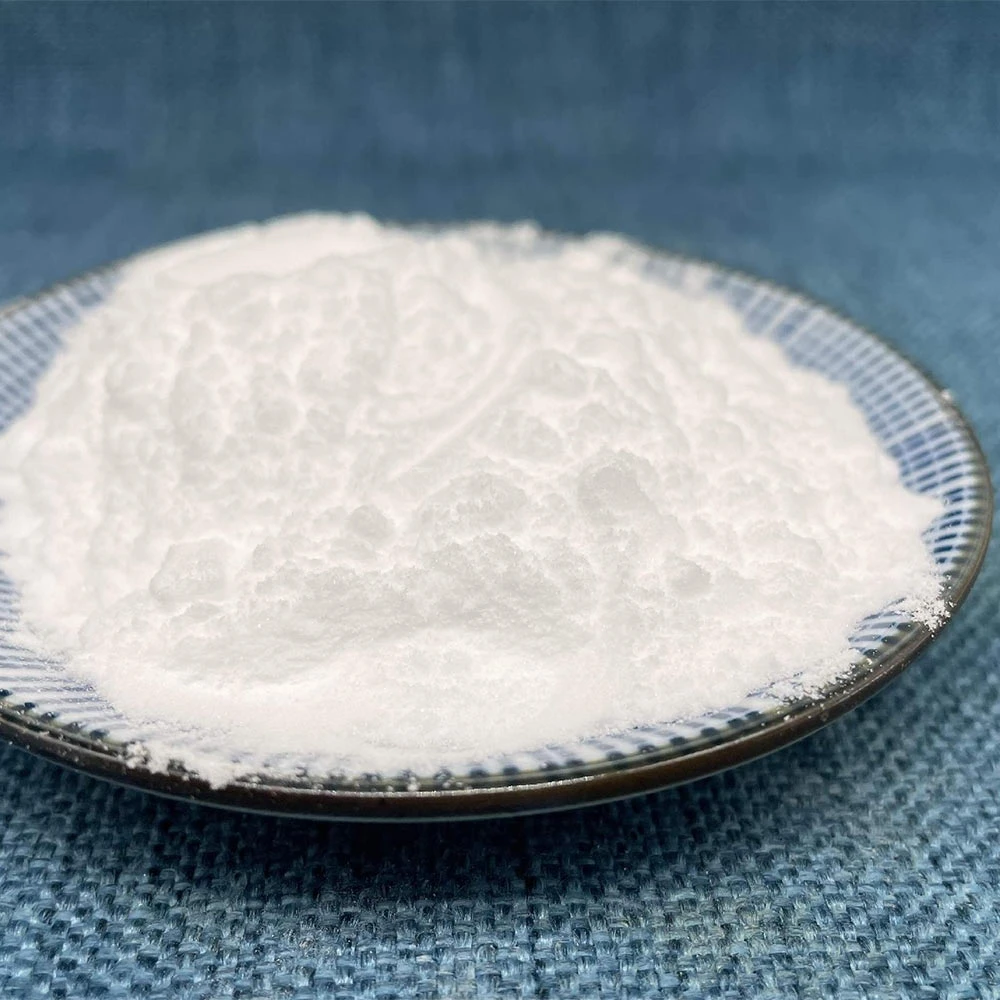
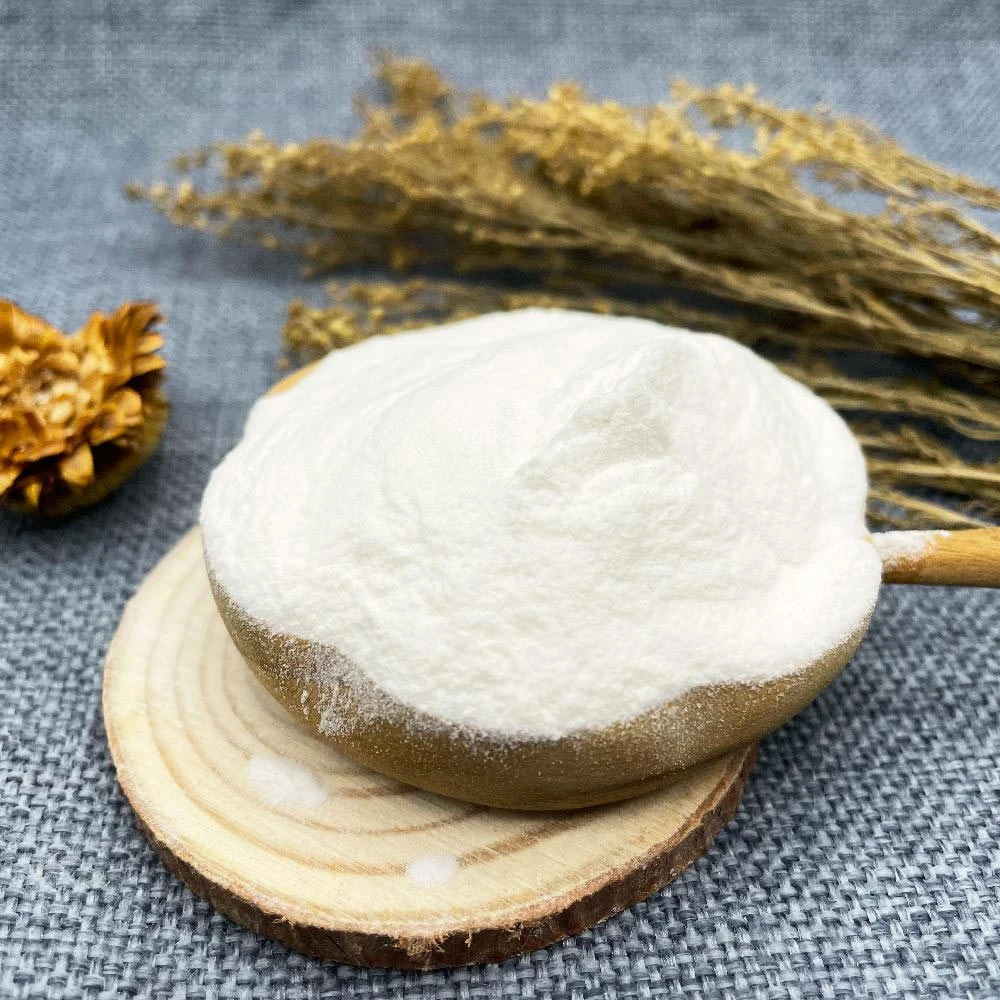
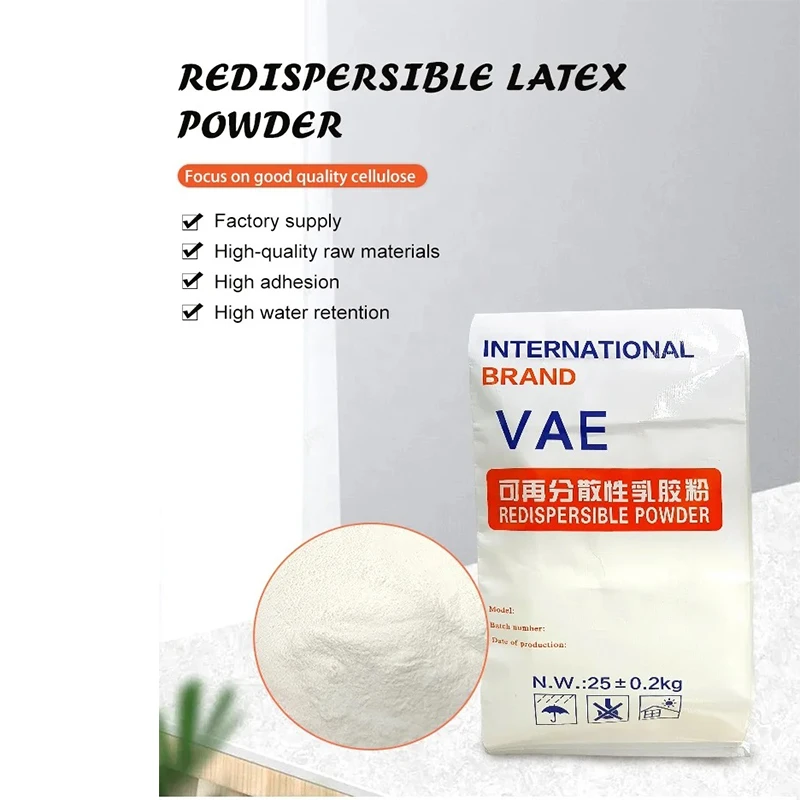
Redispersible Polymer Powder (RDP-VAE) is a spray-dried vinyl acetate-ethylene copolymer powder. When mixed with water in dry-mix construction materials, it redisperses into a stable emulsion, reforming a continuous polymer film upon curing. This imparts crucial properties to cementitious systems like tile adhesives, External Thermal Insulation Composite Systems (ETICS), self-leveling compounds, renders, and repair mortars: significantly enhanced adhesion, flexibility, and cohesion; improved water retention and workability; increased crack and abrasion resistance; and greater durability. The powder format offers easier storage (no risk of leakage), transport (20% higher load capacity than liquid emulsions), and extended shelf life (12 months vs. 6 months for liquids) while delivering equivalent performance. TANG ZHI TECHNOLOGY (HeBei) CO. LTD is a professional enterprise integrating science, technology, manufacture and trade. Located in Jinzhou city, Hebei Province, our factory is 260 kilometers away from Beijing, capital of China. Inter-linked with high-speed rails, motorways and two major ports of Tianjin and Qingdao, we ensure 3-day delivery to North China, 5-day to South China, and 7-day to Southeast Asia. Our factory covers 140,000 square meters with building area of 90,000 square meters, housing 8 automatic production lines from Germany and 10 sets of testing equipment (e.g., pull-off adhesion testers, freeze-thaw chambers). Our main products are HPMC, MHEC, PVA, RDP-VAE and CMC etc. with an annual capacity of over 40,000 tons—including 8,000 tons of rdp powder, 6,000 tons of rdp polymer, and 5,000 tons of vae powder, supplying 500+ construction material manufacturers nationwide and 30+ international clients.
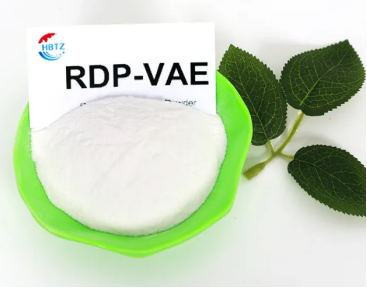
Adhesion Enhancement of Rdp Polymer in Tile Adhesives
- Rdp polymer forms bonding bridges between mortar and substrates. The polymer film penetrates micro-pores (0.1-1μm) in porous tiles (e.g., ceramic, natural stone) and concrete, creating mechanical interlocking. A Shanghai tile adhesive manufacturer added 1.5% rdp polymer to their formula, increasing pull-off adhesion from 1.0 MPa to 1.6 MPa (60% improvement) vs. mortar without RDP—passing the EN 12004 standard for heavy-duty tile applications (e.g., shopping mall floors with high foot traffic).
- Water resistance of rdp polymer ensures long-term bonding. In wet areas (bathrooms, kitchens, swimming pools), our RDP-VAE (vinyl acetate content 65%, ethylene content 35%) maintains adhesion strength ≥1.5 MPa after 1000 hours of water immersion, meeting China’s JC/T 547-2017 and EU’s EN 12004 standards. A Guangzhou bathroom renovation project used our rdp polymer-enhanced adhesive; after 2 years of use, zero tile detachment was reported, compared to 15% detachment with RDP-free mortar in the same building.
- Temperature adaptability expands rdp polymer It retains 90% of its adhesion strength at -20℃ (after 50 freeze-thaw cycles: -20℃ for 16h, 20℃ for 8h) and 85% at 70℃ (continuous exposure for 30 days). This makes it ideal for exterior tile applications in Harbin (average winter temperature -15℃) and Hainan (average summer temperature 32℃). A Harbin exterior wall project used our rdp polymer, with no tile cracking after 3 winters.
Crack Resistance Improvement of Rdp Powder in Renders
- Flexibility of rdp powderabsorbs substrate shrinkage. Adding 2-3% rdp powder (based on cement weight) to exterior renders reduces crack width from 0.2mm (RDP-free) to 0.05mm, a 75% improvement. The polymer film acts as a "flexible buffer" against thermal expansion (concrete expands 12μm/m·℃, RDP film expands 80μm/m·℃). A Tianjin residential community used our RDP-enhanced render; after 1 year, only 2% of walls had micro-cracks, vs. 30% with standard render.
- Cohesion enhancement prevents mortar peeling. rdp powder increases mortar cohesion by 45% (from 0.8 MPa to 1.16 MPa), forming a dense internal structure. In coastal regions like Qingdao (high wind speed up to 25 m/s), our RDP-enhanced render reduced surface spalling by 90% in field tests. A Qingdao coastal villa project used our rdp powder, with the render remaining intact after Typhoon Doksuri (2023) which brought 18 m/s winds.
- Workability boost simplifies construction. rdp powder extends mortar open time (time to adjust placement) by 30 minutes (from 40 mins to 70 mins) and reduces water demand by 10%. This allows workers to lay 15% more tiles per day and reduces rework rate from 8% to 2%. A construction team in Beijing reported that using our rdp powder cut their tile-laying time for a 10,000㎡ mall from 15 days to 12 days.
Durability Optimization of Vae Powder in Repair Mortars
- Abrasion resistance of vae powder extends service life. Repair mortars with 3% vae powder have an abrasion loss of 0.3 kg/m² (ASTM C1138), 50% lower than standard repair mortars (0.6 kg/m²). A Xi’an subway station used our vae powder-enhanced repair mortar for platform floors; after 1 year of heavy passenger traffic (100,000+ people/day), the surface remained smooth with no visible wear, vs. 2mm wear on adjacent areas with standard mortar.
- Chemical resistance protects concrete structures. vae powder forms a hydrophobic film that reduces chloride ion penetration by 60%. In northern China, where deicing salts (sodium chloride) are widely used, bridge repair mortars with our vae powder reduced steel reinforcement corrosion by 60% in 2-year tests. A Hebei highway bridge project used our product, extending the expected repair interval from 3 years to 8 years, cutting maintenance costs by 65%.
- Water retention ensures full cement hydration.vae powder reduces water evaporation by 40%, maintaining mortar moisture content ≥80% for 72 hours. This ensures repair mortars reach 95% of design strength (40 MPa) in 7 days, vs. 70% (28 MPa) for RDP-free mortars. A Chongqing tunnel repair project used our vae powder, allowing the tunnel to reopen to traffic in 7 days instead of the usual 14 days, minimizing traffic disruption.
Rdp Polymer FAQS
What is the recommended dosage of rdp polymer in mortars?
Dosage varies by application and mortar type: 1-2% (based on cement weight) for interior tile adhesives, 2-3% for exterior tile adhesives and renders, 3-4% for heavy-duty repair mortars (e.g., bridge decks), and 1.5-2.5% for ETICS. Our technical team provides customized dosage plans—for a Shanghai tile adhesive client producing 500 tons/month, we recommended 1.5% rdp polymer, balancing adhesion (1.6 MPa) and cost (saving 8% vs. 2% dosage).
How does TANG ZHI ensure the quality of rdp powder?
We implement a 6-step quality control system for rdp powder: 1) Imported VAE monomers (purity ≥99.5%) from BASF; 2) 5-stage spray drying (inlet temperature 180℃, outlet temperature 70℃) to ensure uniform particle size (80-120μm); 3) Redispersibility test (100% emulsion formation in 5 minutes); 4) Viscosity test (500-1500 mPa·s, Brookfield viscometer); 5) Film-forming temperature test (≤5℃); 6) Final inspection against GB/T 29594-2013. 2024 quality pass rate was 99.7%, with zero customer complaints.
Is vae powder compatible with other mortar additives?
Yes, vae powder is fully compatible with common mortar additives. It works seamlessly with HPMC (improves water retention by 20% when used together), PVA (enhances adhesion by 15%), and cellulose ethers. A Beijing construction client mixed 2% our vae powder with 0.3% HPMC in exterior render, achieving both crack resistance (crack width <0.05mm) and workability (open time 70 mins)—a combination they couldn’t achieve with single additives.
What is the shelf life of rdp powder and how to store it?
Shelf life of rdp powder is 12 months in our standard packaging: 25kg multi-layer paper bags with PE liners and moisture-proof valves (prevents moisture absorption even at 80% relative humidity). Storage conditions: cool (5-30℃), dry (RH <60%), and away from direct sunlight. We conducted a 10-month storage test: rdp powder stored under recommended conditions retained 98% of its original redispersibility and adhesion performance, vs. 75% for powder stored in unlined bags.
Can vae powder be customized for specific climate conditions?
Absolutely, we customize vae powder based on climate and application needs by adjusting glass transition temperature (Tg) and copolymer ratio. For cold regions (e.g., Harbin, Inner Mongolia), we produce low-Tg (-10℃) vae powder with higher ethylene content (40%) to enhance freeze-thaw resistance—used in a Harbin exterior wall project with zero cracks after 2 winters. For hot/humid regions (e.g., Guangzhou, Hainan), we offer high-Tg (20℃) versions with 30% ethylene content for better high-temperature stability and mildew resistance.
-
HPMC High-Performance Thickener | Hebei TangzhiNewsMar.06,2026
-
Wholesale Water Reducing Admixture for Special Cement: Performance and Market InsightsNewsFeb.28,2026
-
The Complete Guide to HPMC: Types, Applications, Grades, and Manufacturing InsightsNewsFeb.28,2026
-
Redispersible Polymer Powder: Types, Applications, and Performance AdvantagesNewsFeb.28,2026
-
Hydroxymethyl Ethyl Cellulose (MHEC): Properties, Applications, and Market InsightsNewsFeb.28,2026
-
Hydroxyethyl Cellulose: Applications, Performance, and Buying GuideNewsFeb.28,2026