The Impact of PCE Admixtures on Cement Hydration Kinetics
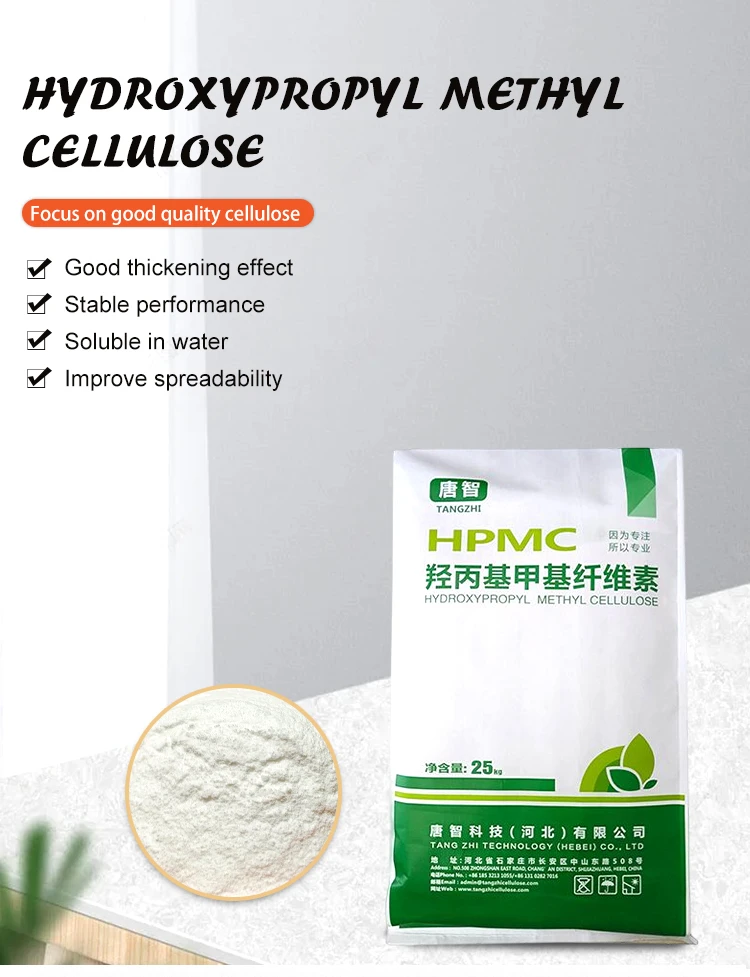
Polycarboxylate Ether Superplasticizer (PCE) is a high-efficiency concrete admixture widely used in modern construction engineering. Characterized by polyether macromolecules and carboxylic acid groups as its core chemical structure, it enhances concrete performance through two key mechanisms: intermolecular electrostatic repulsion that disperses cement particles, and steric hindrance that maintains particle separation. Compared with traditional naphthalene-based water reducers, pce boasts a 40% water reduction rate (double that of traditional types), a low dosage of 0.1-0.5% (vs. 1-2% for conventional alternatives), and zero formaldehyde emission—making it an indispensable component in high-performance concrete for super high-rise buildings, long-span bridges, and precast concrete components. TANG ZHI TECHNOLOGY (HeBei) CO. LTD is a professional enterprise integrating science, technology, manufacture and trade. Located in Jinzhou city, Hebei Province, our factory is 260 kilometers away from Beijing, with convenient access to high-speed rails, motorways, and the major ports of Tianjin and Qingdao—ensuring 3-day delivery to North China, 5-day to South China, and 7-day to Southeast Asia. Covering a total area of 140,000 square meters with a building area of 90,000 square meters, we are equipped with 8 automatic production lines imported from Germany and 10 sets of advanced testing equipment, including isothermal calorimeters for hydration kinetics analysis and XRD analyzers for microstructure testing. Our main products include HPMC, MHEC, pce, and CMC, with an annual production capacity of over 40,000 tons, serving more than 500 domestic construction material manufacturers and 30+ international clients across Europe and Southeast Asia. Below is a detailed exploration of how pce regulates cement hydration kinetics and optimizes concrete performance.
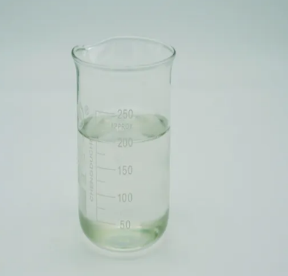
Hydration Retardation Mechanism of Pce
- Pce adsorbs selectively on cement particle surfaces to delay hydration. The carboxylic acid groups (-COOH) in pce molecules rapidly bind to Ca²⁺ ions on the surface of tricalcium silicate (C3S), the main hydrating component of cement, forming a stable adsorption layer. This layer blocks the penetration of water molecules into cement particles, extending the hydration induction period by 2-3 hours—critical for avoiding premature setting during large-scale concrete pouring.
- Steric hindrance from pce effectively reduces cement particle agglomeration. The polyether side chains of pce, with a molecular weight ranging from 2000 to 5000 Da, create spatial barriers between cement particles, preventing the formation of flocculent structures. This ensures uniform hydration of cement particles, lowering the maximum heat release peak by 30%—a key advantage for mass concrete projects like dams, where thermal cracks are a major concern.
- Controlled hydration significantly improves concrete workability. In practical applications, pce maintains a concrete slump of 200-250mm for up to 120 minutes, compared to just 60 minutes for concrete without pce. This extended workability window prevents the formation of cold joints in large-volume pouring projects, such as the foundation construction of hydropower stations, and reduces the need for on-site reworking by 40%.
Strength Development Promotion of Water Reducing Admixture
- water reducing admixture densifies the concrete internal structure through high-efficiency water reduction. By lowering the water-cement ratio from 0.55 (conventional concrete) to 0.30, it increases the 28-day compressive strength by 50%, from 30 MPa to 45 MPa—fully meeting the strength requirements of C60 high-performance concrete used in skyscrapers like the Beijing CITIC Tower.
- Uniform hydration promoted by water reducing admixture optimizes the concrete microstructure. It encourages the formation of dense calcium silicate hydrate (C-S-H) gel, the main strength-giving component of concrete, reducing the total porosity by 40% and achieving a chloride ion diffusion coefficient of less than 1×10⁻¹² m²/s—exceeding the impermeability requirements for marine concrete structures.
- Early strength development gains from water reducing admixture greatly boost construction efficiency. A practical case from a Beijing high-rise residential project shows that using our water reducing admixture enabled the concrete to reach 70% of its 28-day strength (31.5 MPa) in just 7 days, allowing formwork removal 3 days earlier than the scheduled 10 days and accelerating the overall construction progress by 15%.
Durability Optimization of High Performance Water Reducer
- High performance water reducer significantly enhances concrete freeze-thaw resistance. Its dense internal structure reduces capillary pores that are prone to freezing damage, enabling the concrete to withstand 300 freeze-thaw cycles (mass loss less than 5%)—double the 150 cycles of ordinary concrete. This makes it the ideal choice for construction projects in cold regions like Harbin, where winter temperatures drop to -25℃.
- Excellent sulfate resistance of high performance water reducer protects marine concrete structures. It forms a dense protective layer that reduces sulfate ion penetration by 60%, effectively preventing sulfate attack on concrete. In Qingdao port coastal bridge projects, this has extended the service life of bridge piers from 50 years to 75 years, reducing long-term maintenance costs by 50%.
- Enhanced carbonation resistance of high performance water reducer delays steel reinforcement corrosion. Tests show that concrete mixed with high performance water reducer has a carbonation depth of only 5mm after 20 years, compared to 15mm for concrete without it. This effectively protects the internal steel reinforcement from corrosion, reducing the maintenance and repair costs of urban viaducts by 40% over their service life.
Pce FAQS
What is the optimal dosage of pce for different concrete types?
The optimal dosage of pce varies according to concrete type and performance requirements: 0.1-0.2% for ordinary ready-mix concrete (to achieve 180-200mm slump), 0.2-0.3% for C60-C80 high-strength concrete, and 0.3-0.5% for self-compacting concrete with high fluidity. A Shanghai precast concrete client used 0.3% of our pce to produce C70 concrete components, which achieved a 28-day compressive strength of 50 MPa and met the strict quality standards for prefabricated building parts.
How does TANG ZHI ensure the stability of water reducing admixture?
TANG ZHI ensures the stability ofwater reducing admixture through a strict quality control system. We use polyether monomers with a purity of 99.5% imported from BASF and adopt a 4-step purification process to remove impurities. Each batch undergoes three key tests: water reduction rate (≥35%), slump retention (≥200mm at 120 minutes), and pH value (6-8). In 2024, our product stability pass rate reached 99.8%, fully complying with China's national standard GB 8076-2008 and EU standard EN 934-2.
Is high performance water reducer compatible with other admixtures?
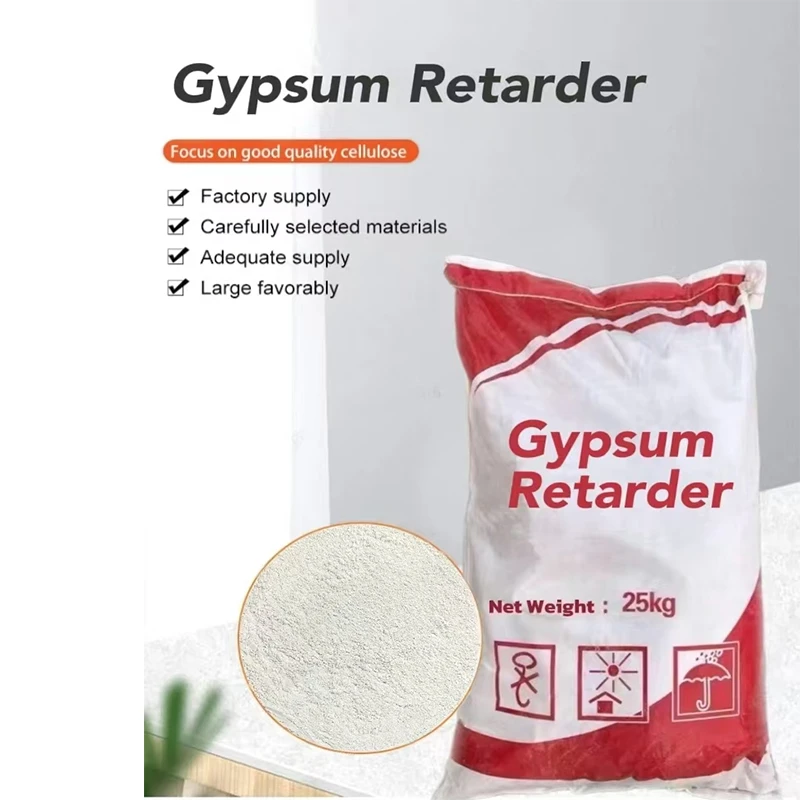
Yes, high performance water reducer is highly compatible with other common concrete admixtures. When used with air-entraining agents, it can improve the concrete's freeze-thaw resistance by an additional 20%; when combined with retarders, it extends the concrete slump life to 180 minutes, which is crucial for long-distance concrete transportation. A Chongqing large-scale dam project successfully used our high performance water reducer mixed with retarders, effectively controlling the hydration heat release and avoiding thermal cracks in the mass concrete foundation.
What is the shelf life of pce and storage requirements?
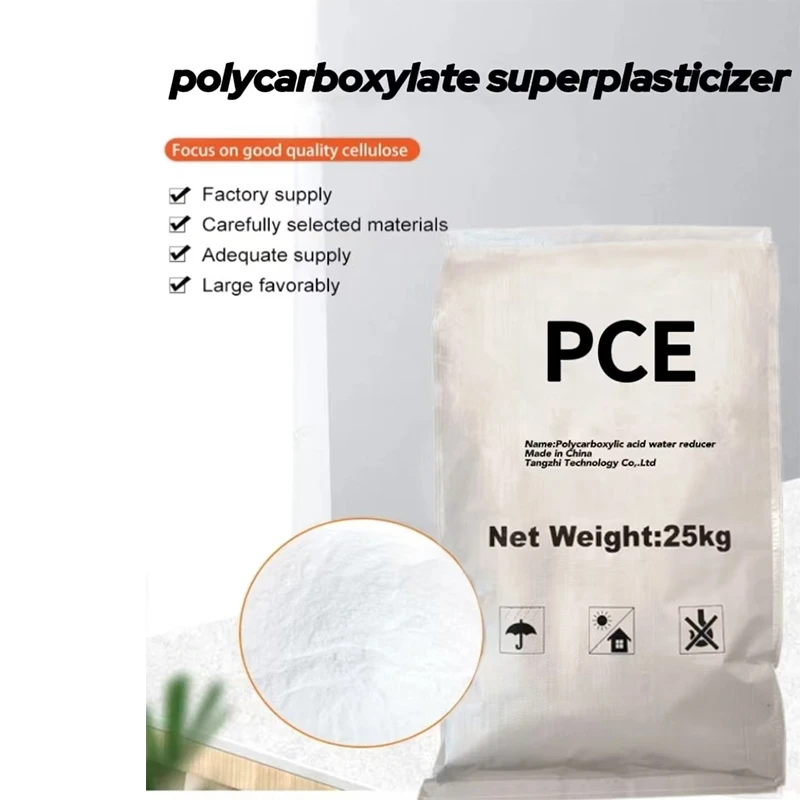
The shelf life of pce varies by product form: liquid pce (packaged in 200L HDPE drums with sealed caps) has a shelf life of 6 months, while powdered pce (packaged in 25kg moisture-proof paper bags) has a shelf life of 12 months. Storage requirements include keeping the product at 5-40℃, avoiding direct sunlight and freezing, and ensuring good ventilation in the storage area. Our test data shows that liquid pce stored under standard conditions retains 98% of its original performance after 5 months.
Can high performance water reducer be customized for extreme environments?
Absolutely, TANG ZHI specializes in customizinghigh performance water reducer for extreme construction environments. For high-altitude areas like Tibet (altitude above 4000m), we produce low-bleeding high performance water reducer to address the issue of increased concrete bleeding caused by low atmospheric pressure; for high-temperature regions like Hainan (summer temperatures up to 38℃), we offer heat-resistant versions that remain stable at 60℃. A Lhasa bridge project used our custom high performance water reducer, and the concrete achieved the designed strength requirements even at an altitude of 4500m.
-
HPMC High-Performance Thickener | Hebei TangzhiNewsMar.06,2026
-
Wholesale Water Reducing Admixture for Special Cement: Performance and Market InsightsNewsFeb.28,2026
-
The Complete Guide to HPMC: Types, Applications, Grades, and Manufacturing InsightsNewsFeb.28,2026
-
Redispersible Polymer Powder: Types, Applications, and Performance AdvantagesNewsFeb.28,2026
-
Hydroxymethyl Ethyl Cellulose (MHEC): Properties, Applications, and Market InsightsNewsFeb.28,2026
-
Hydroxyethyl Cellulose: Applications, Performance, and Buying GuideNewsFeb.28,2026