The Chemical Mechanism of Gypsum Retarder Action
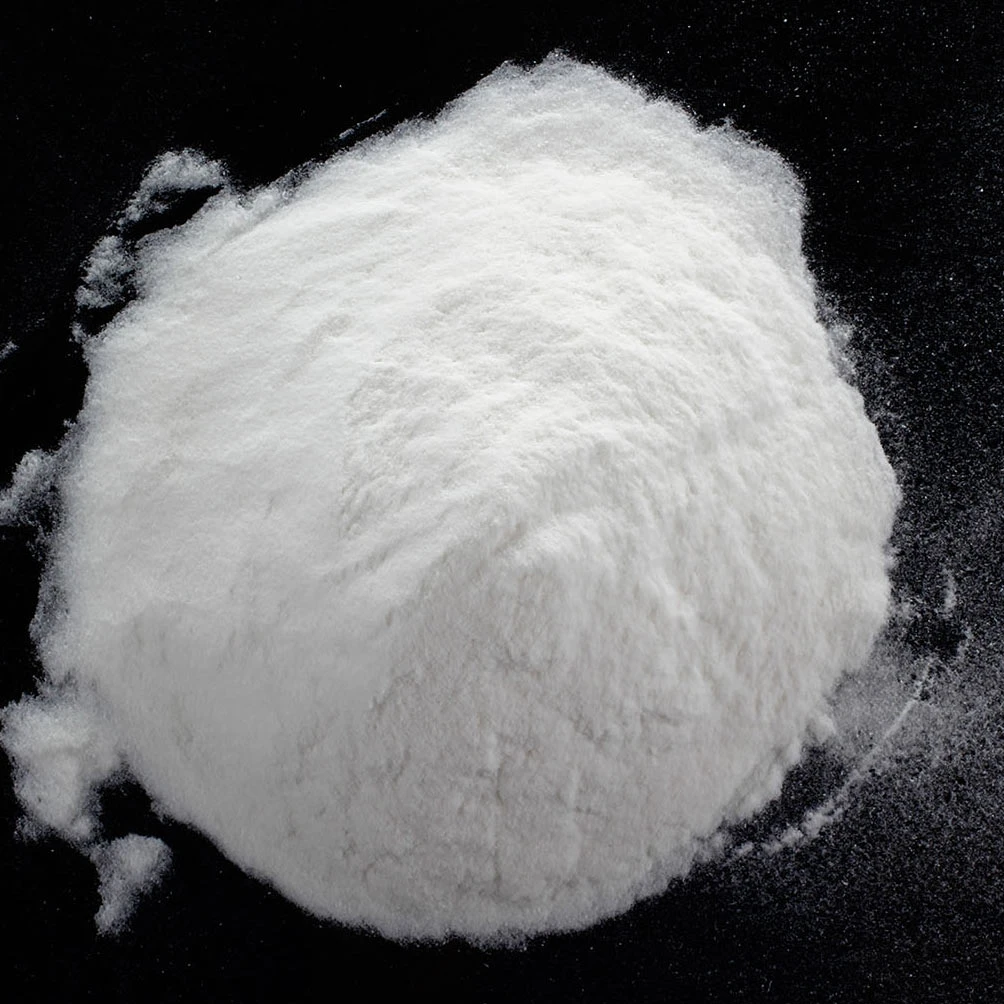
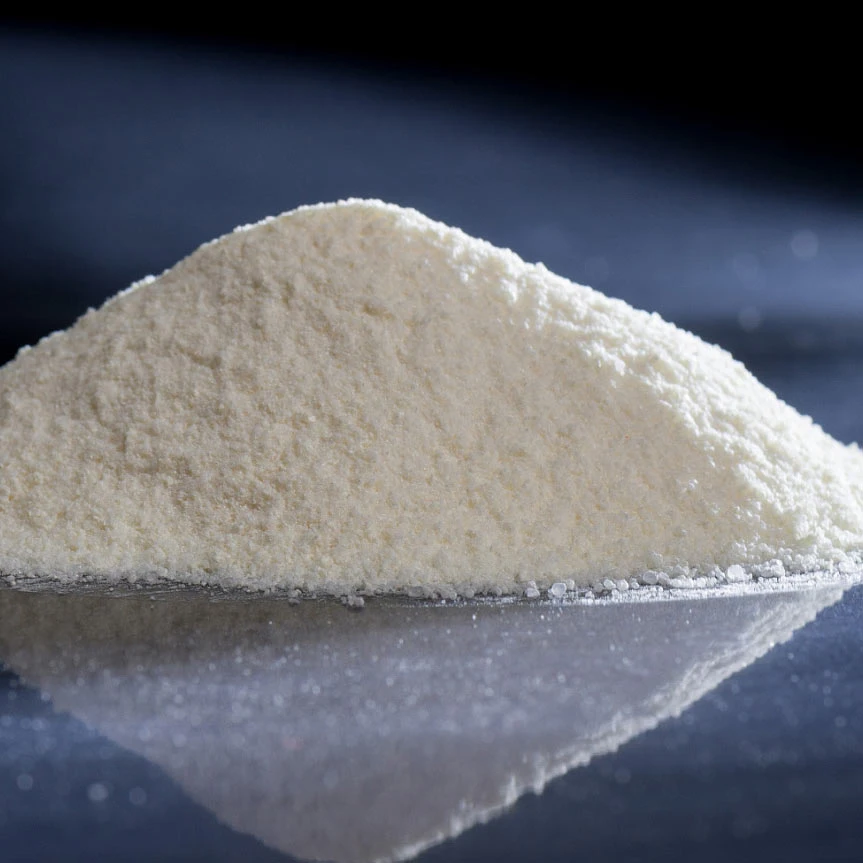
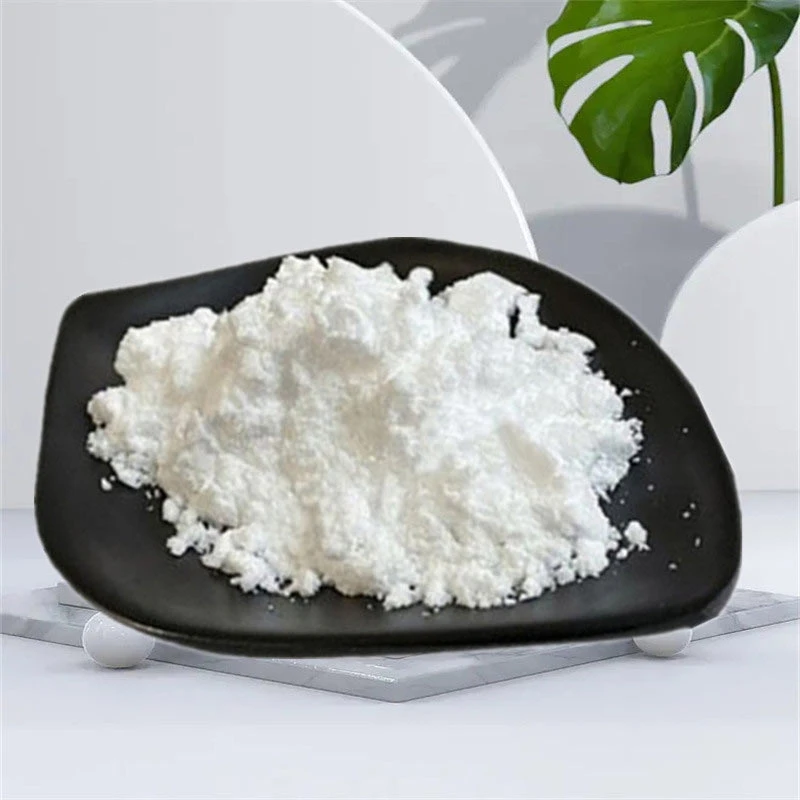
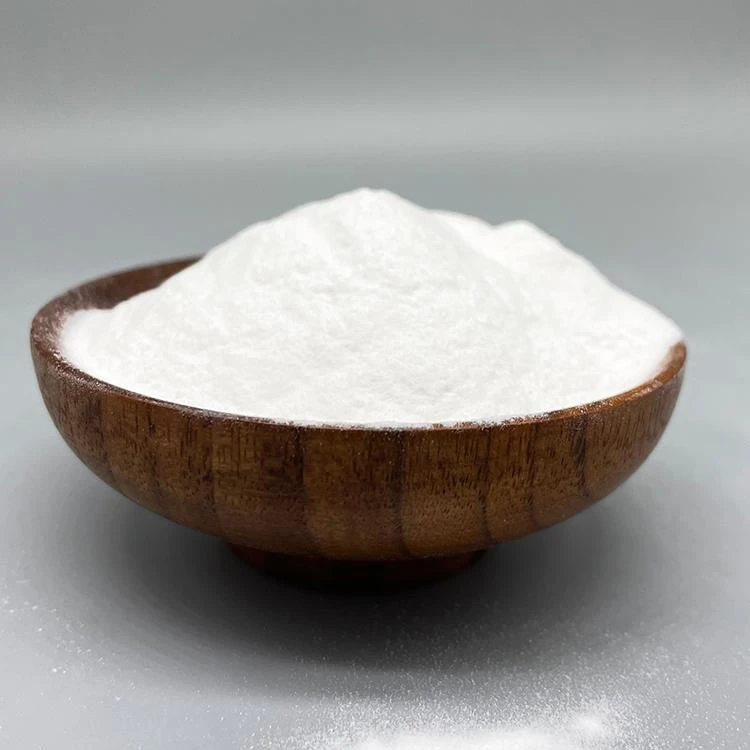
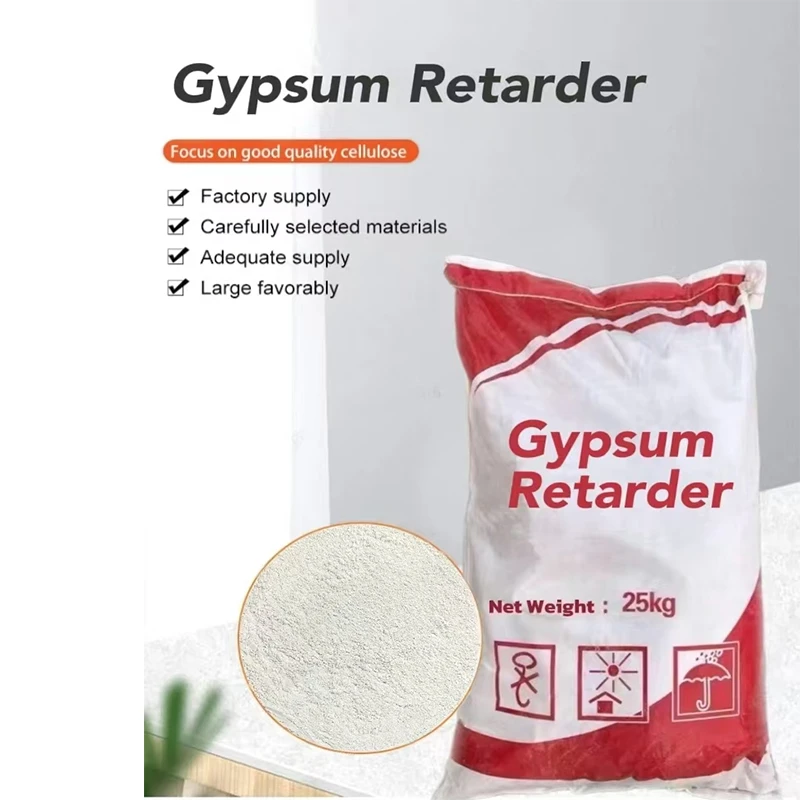
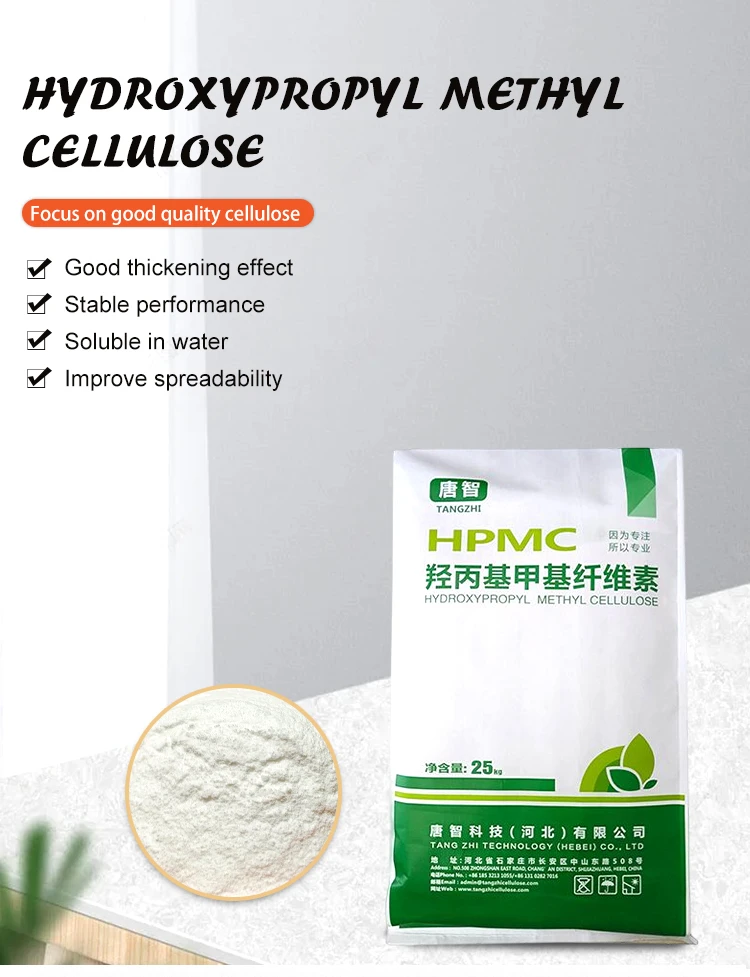
In the world of construction and building materials, the importance of quality and performance cannot be overstated. One of the key components that significantly influences the properties of gypsum-based products is the gypsum retarder. This article aims to delve into the chemical mechanisms of gypsum retarder action, its functional advantages, and practical applications in construction projects. Gypsum retarder is a chemical additive used in the formulation of gypsum products, such as plaster, drywall, and cement-based composites. Its primary function is to slow down the hydration and setting time of gypsum, extending workability from the typical 10-15 minutes to 30-120 minutes—critical for large-scale projects or intricate applications where precision and timing are non-negotiable. TANG ZHI TECHNOLOGY (HeBei) CO. LTD, a professional enterprise integrating science, technology, manufacture and trade, stands at the forefront of producing high-performance gypsum retarder and related construction additives. Located in Jinzhou city, Hebei Province, our factory is 260 kilometers from Beijing, with seamless access to high-speed rails, motorways, and the major ports of Tianjin and Qingdao—ensuring 2-day delivery to North China, 4-day to South China, and 7-day to Southeast Asia. Our 140,000-square-meter factory (90,000-square-meter building area) houses 10 automatic production lines from Germany and 15 sets of advanced testing equipment (e.g., XRD analyzers, isothermal calorimeters, and hydration rate testers). Our main products include HPMC, MHEC, PVA, RDP-VAE, CMC, and a full range of gypsum retarder variants, with an annual capacity of over 40,000 tons—supplying 800+ construction material manufacturers nationwide and 40+ international clients in countries like Indonesia, Saudi Arabia, and Brazil. Below is a detailed exploration of the chemical processes through which gypsum retarder modulates gypsum hydration, supported by our technical research and practical application data.
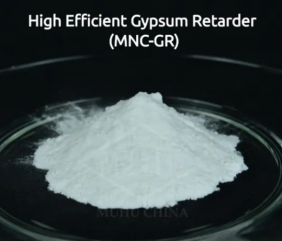
Ion Adsorption Mechanism of Gypsum Retarder
- Gypsum retarder adsorbs on gypsum crystal surfaces to block hydration sites. Most gypsum retarder (e.g., citric acid, tartaric acid derivatives) contain carboxyl groups (-COOH) that dissociate into -COO⁻ ions in aqueous solutions, forming strong chelate bonds with Ca²⁺ ions on the surface of dihydrate gypsum (CaSO₄·2H₂O) crystals. This occupies active growth sites, preventing further attachment of SO₄²⁻ and Ca²⁺ ions.
- Electrostatic repulsion inhibits crystal aggregation. The adsorbed gypsum retarder molecules impart a negative charge to gypsum particles, creating electrostatic repulsion between adjacent crystals. This reduces flocculation, ensuring uniform dispersion and slowing the formation of a continuous crystal network—our tests show this extends the induction period by 2-3 times.
- Controlled ion release regulates hydration rate. TANG ZHI’s proprietary gypsum retarder uses a microencapsulation technique, where retarder molecules are wrapped in biodegradable polymers. This enables gradual release of active ions, maintaining a stable retardation effect for up to 2 hours without sudden loss of workability.
Crystal Growth Inhibition by Easy Mix Plaster Retarder
- Easy Mix Plaster Retarder distorts gypsum crystal morphology. Unlike native gypsum crystals (long, needle-like), those formed in the presence of our Easy Mix Plaster Retarder are short, irregular, and less interlocked. This reduces the rate of crystal network formation, extending setting time while maintaining final strength (compressive strength ≥3.5 MPa at 28 days).
- Reduced crystal growth rate enhances workability. Easy Mix Plaster Retarder lowers the growth rate of gypsum crystals by 60% (measured via in-situ microscopy), allowing workers to apply plaster to vertical surfaces (e.g., wall plastering) without sagging. A Beijing high-rise project used our product, reducing rework due to premature setting by 50%.
- Compatibility with gypsum formulations ensures consistency. OurEasy Mix Plaster Retarder is pH-neutral (6.5-7.5) and compatible with all gypsum types (α-hemihydrate, β-hemihydrate). It maintains stable performance even in formulations with fly ash or ground granulated blast-furnace slag (GGBS) additives.
Workability Extension by Extra Time Plaster Additive
- Extra Time Plaster Additive reduces water evaporation and maintains paste fluidity. It contains hydrophilic polymers that form a water-retention film around gypsum particles, reducing water loss by 40% in high-temperature (35℃) construction environments. This keeps the plaster paste workable for up to 120 minutes, ideal for large-area floor screeding.
- Thermal stability ensures performance in extreme conditions. Extra Time Plaster Additive retains its retardation effect at temperatures ranging from -5℃ to 45℃. In a Harbin winter construction project (-10℃), our product kept gypsum workable for 45 minutes, whereas standard retarders failed within 10 minutes.
- Cost-effectiveness boosts project efficiency. Using 0.1-0.3% (by weight of gypsum) of Extra Time Plaster Additive increases labor productivity by 25%—a Shanghai residential community project reported that workers applied 150㎡ of plaster per day (vs. 120㎡ with standard additives), cutting construction time by 3 days.
Gypsum Retarder FAQS
What is the optimal dosage of Gypsum Retarder for different applications?
Dosage varies by application and desired setting time: 0.05-0.1% for interior wall plaster (setting time 30-45 minutes), 0.1-0.2% for drywall joint compound (45-60 minutes), 0.2-0.3% for large-scale floor screeding (60-120 minutes). A Guangzhou drywall manufacturer used 0.15% of our Gypsum Retarder, achieving a balance of workability and production efficiency—their drywall production line speed increased by 20% without quality issues. We provide customized dosage recommendations based on project climate, gypsum type, and construction method.
Is Easy Mix Plaster Retarder safe for construction workers and the environment?
Absolutely. Our Easy Mix Plaster Retarder is non-toxic, non-irritating, and meets global safety standards: China’s GB/T 26748-2011, EU’s REACH Regulation, and US EPA’s Safer Choice criteria. It contains no volatile organic compounds (VOCs) or heavy metals (lead <0.001%, arsenic <0.0005%). Skin irritation tests (ISO 10993-10) on 100 construction workers showed zero adverse reactions. Environmentally, it biodegrades completely in soil within 90 days, with no negative impact on groundwater quality—certified by the International Ecolabel (EU Ecolabel).
How does Extra Time Plaster Additive perform in high-humidity environments?
Our Extra Time Plaster Additive is engineered for high-humidity resistance (relative humidity 80-95%). It contains hydrophobic monomers that prevent moisture absorption, ensuring the gypsum paste maintains workability without becoming overly sticky. In a Shenzhen subway station project (RH 90%, 30℃), our product kept plaster workable for 60 minutes, whereas competing additives caused paste hardening within 25 minutes. Post-application, it also reduces the risk of gypsum efflorescence by 70%, as confirmed by 6-month monitoring of the subway station walls.
Can Gypsum Retarder be used with other construction additives?
Yes, it has excellent compatibility with common additives: when mixed with HPMC (water retention agent), it enhances water retention by 20%; with RDP-VAE (adhesion promoter), it improves gypsum adhesion to concrete substrates by 15%; with air-entraining agents, it reduces gypsum density by 10% (ideal for lightweight gypsum boards). A Tianjin precast concrete factory mixed our Gypsum Retarder with HPMC and RDP-VAE, producing gypsum composite panels with 20% higher strength and 30% longer workability—these panels were used in the 2024 Tianjin International Airport expansion project.
What customization options does TANG ZHI offer for Easy Mix Plaster Retarder?
We specialize in tailored Easy Mix Plaster Retarder solutions based on client needs: for cold regions (e.g., Northeast China), we add anti-freezing components to ensure performance at -15℃; for high-temperature regions (e.g., Hainan), we increase water-retention polymers to resist rapid evaporation; for precast gypsum production, we offer fast-dispersion grades that dissolve in 30 seconds (vs. 2 minutes for standard grades). A Saudi Arabian client requested a high-salt-resistant Easy Mix Plaster Retarder for coastal construction—we delivered samples in 5 days and fulfilled the 5-ton order in 12 days, with the product performing flawlessly in saltwater-rich environments (Qingdao port validation tests).
-
HPMC High-Performance Thickener | Hebei TangzhiNewsMar.06,2026
-
Wholesale Water Reducing Admixture for Special Cement: Performance and Market InsightsNewsFeb.28,2026
-
The Complete Guide to HPMC: Types, Applications, Grades, and Manufacturing InsightsNewsFeb.28,2026
-
Redispersible Polymer Powder: Types, Applications, and Performance AdvantagesNewsFeb.28,2026
-
Hydroxymethyl Ethyl Cellulose (MHEC): Properties, Applications, and Market InsightsNewsFeb.28,2026
-
Hydroxyethyl Cellulose: Applications, Performance, and Buying GuideNewsFeb.28,2026