Cationic Hydroxyethyl Cellulose | Versatile Industrial Polymer
Cationic Hydroxyethyl Cellulose: A Trusted Workhorse in Industrial Applications
Having spent more than a decade working around industrial chemicals and formulations, I’ve seen a fair share of polymers come and go in popularity. However, cationic hydroxyethyl cellulose (often abbreviated as cationic HEC) has quietly but firmly maintained its spot as a versatile additive. It's that kind of ingredient which doesn’t grab headlines but shows up reliably in everything from cosmetics to oilfield drilling fluids.
Oddly enough, people outside the sector often underestimate how tailored something as seemingly simple as cellulose derivatives can be. In real terms, cationic HEC is a modified cellulose ether where a positive charge is introduced into the hydroxyethyl cellulose backbone. This tweak dramatically changes how it interacts with other materials, especially negatively charged substrates. Frankly, this adjustment opens up a world of use cases.
One of my earliest encounters with cationic HEC was during a project optimizing water-based drilling muds. The polymer helped improve viscosity and suspension of solids, which means better wellbore stability and fewer costly interruptions. It feels like the perfect blend of chemistry and practical engineering because it's tailored right down to molecular interactions yet easily measurable in the field.
Let's talk about some core product specs you’ll want to keep an eye on when considering cationic hydroxyethyl cellulose for your project:
| Specification | Typical Value | Notes |
|---|---|---|
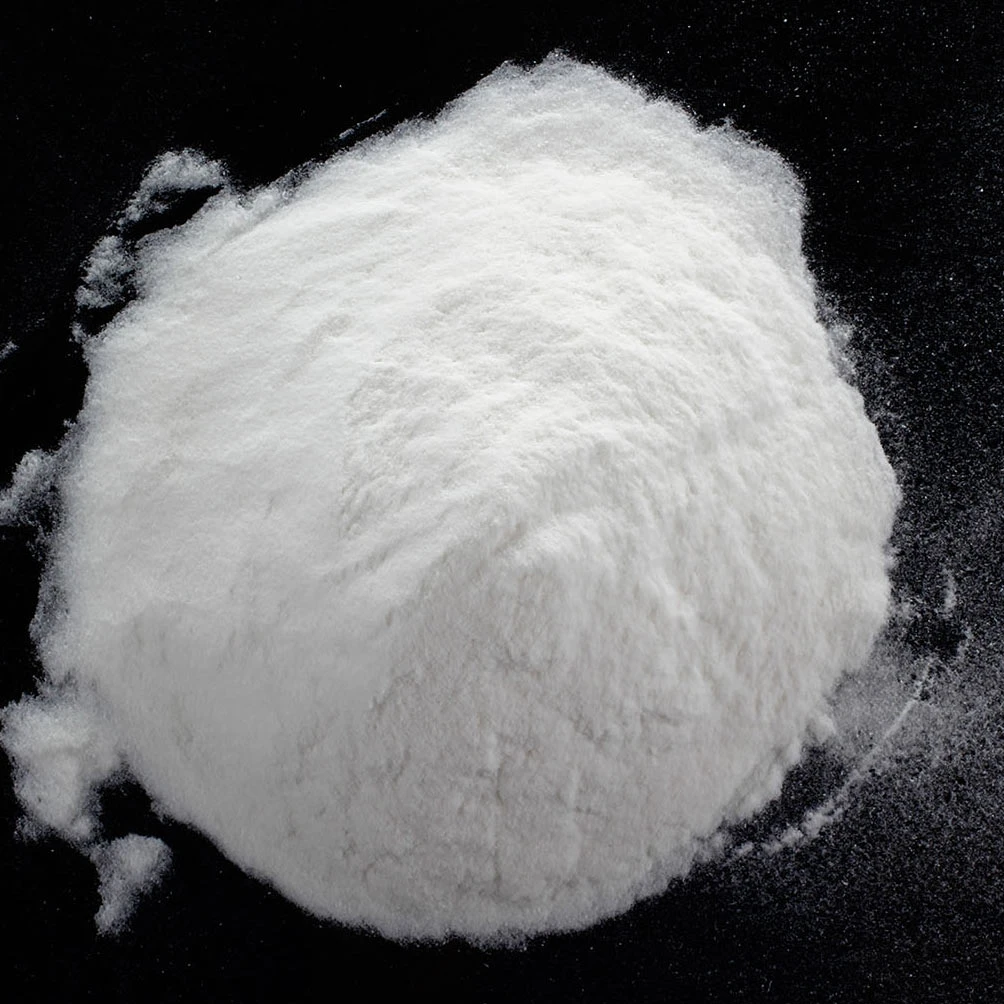
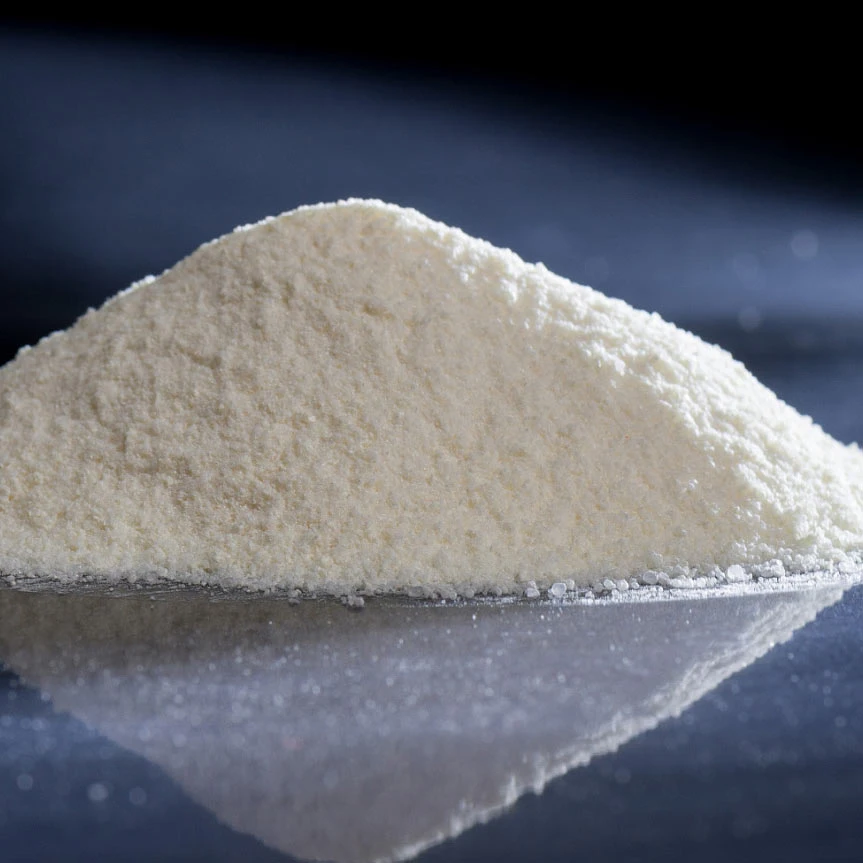
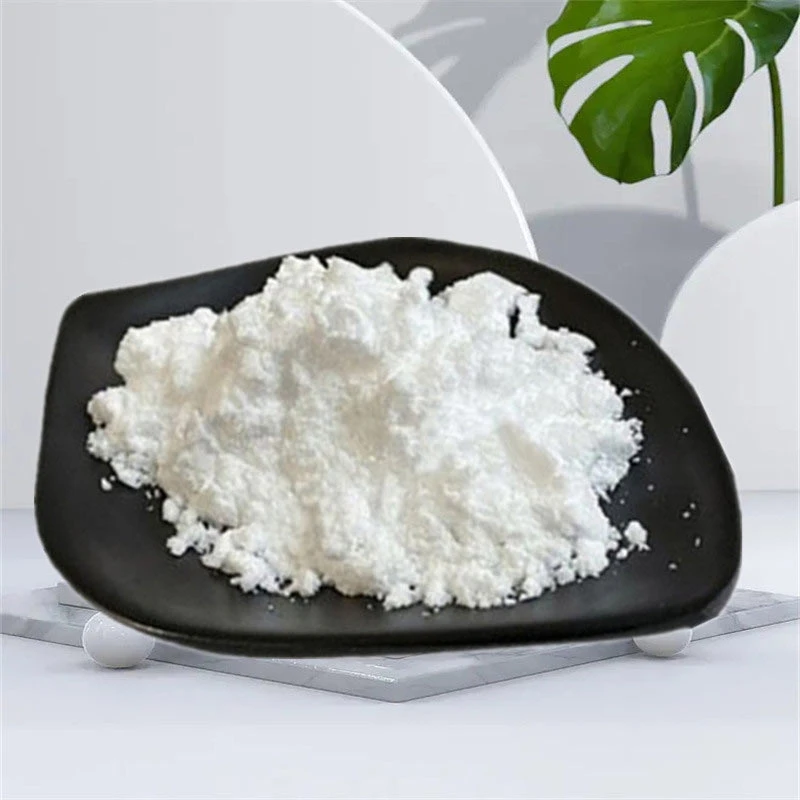
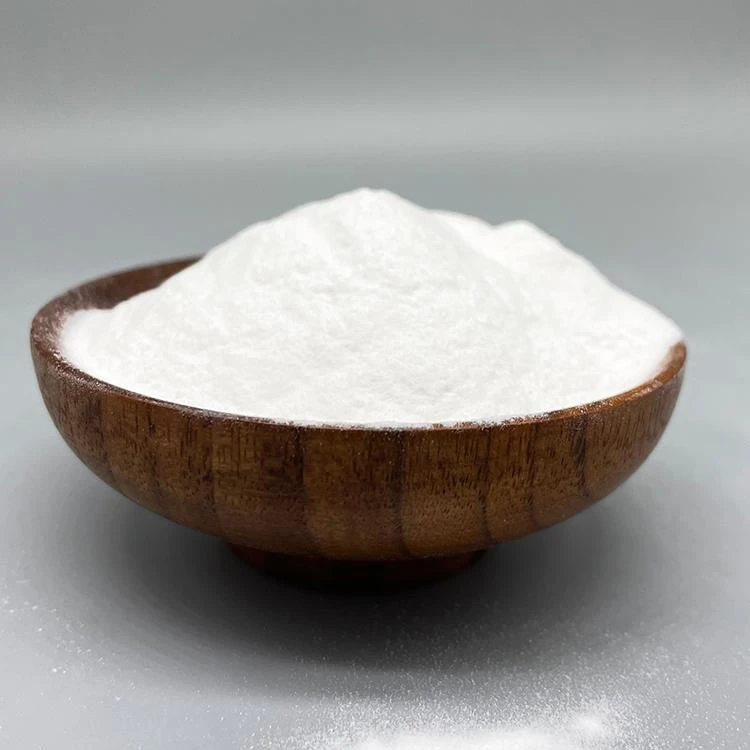
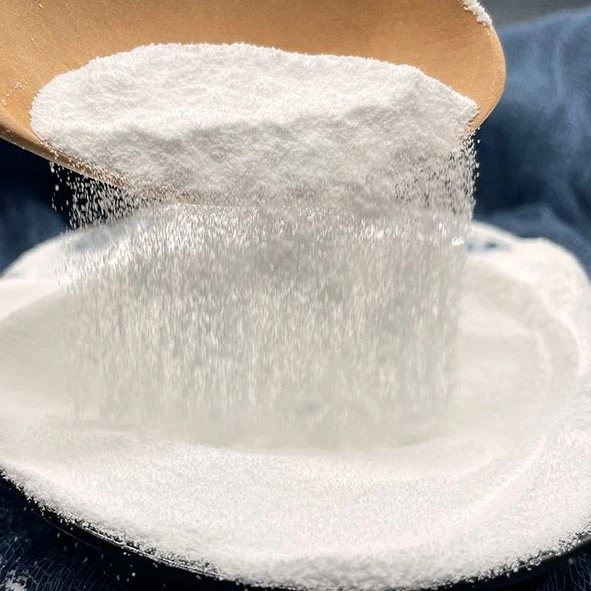
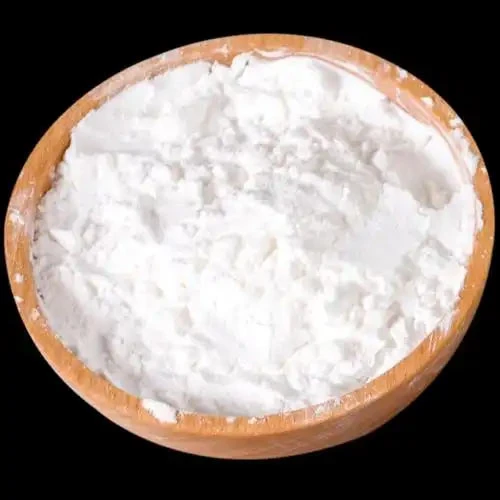
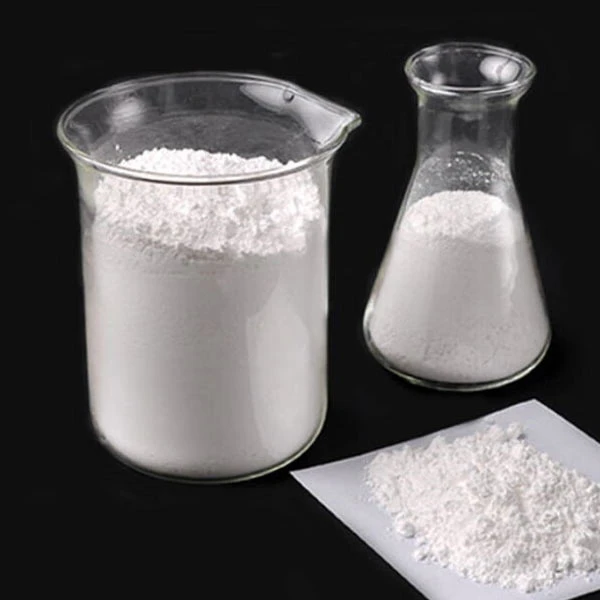
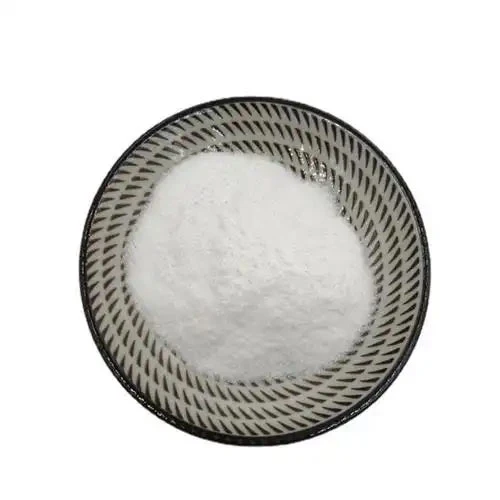
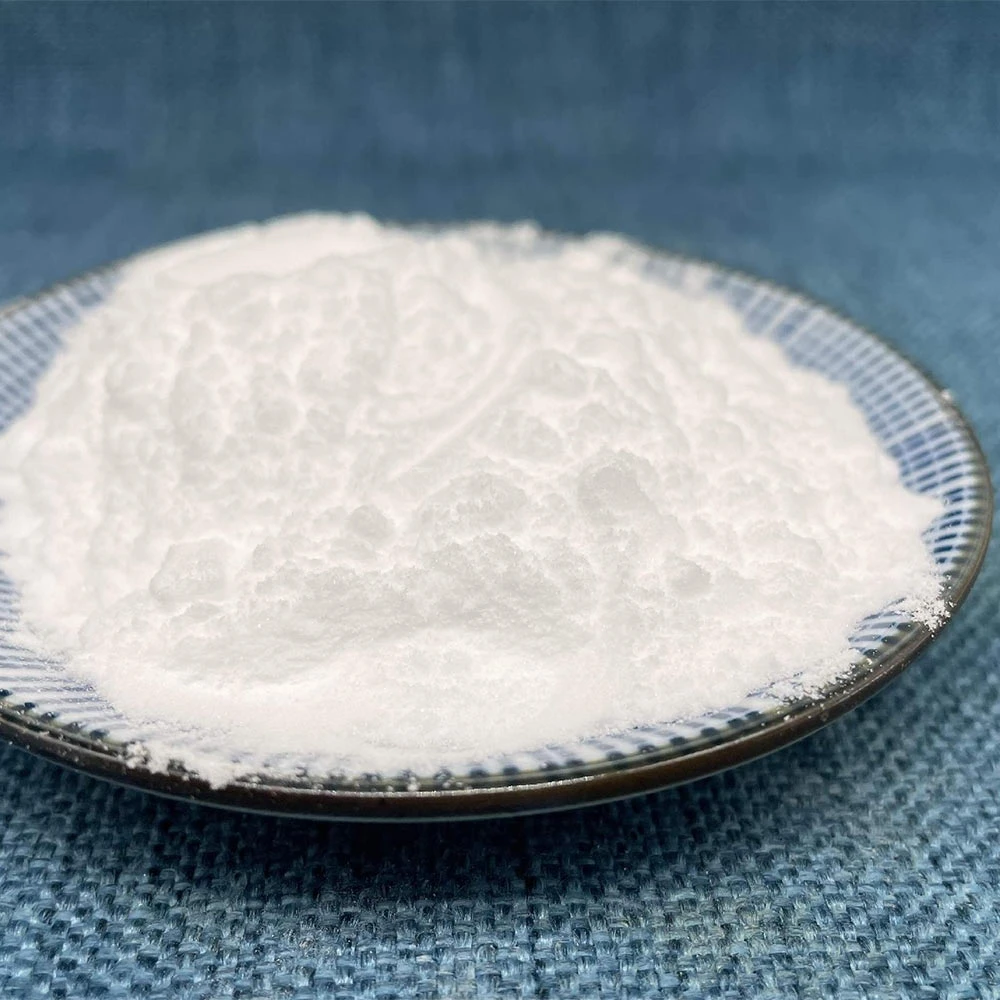
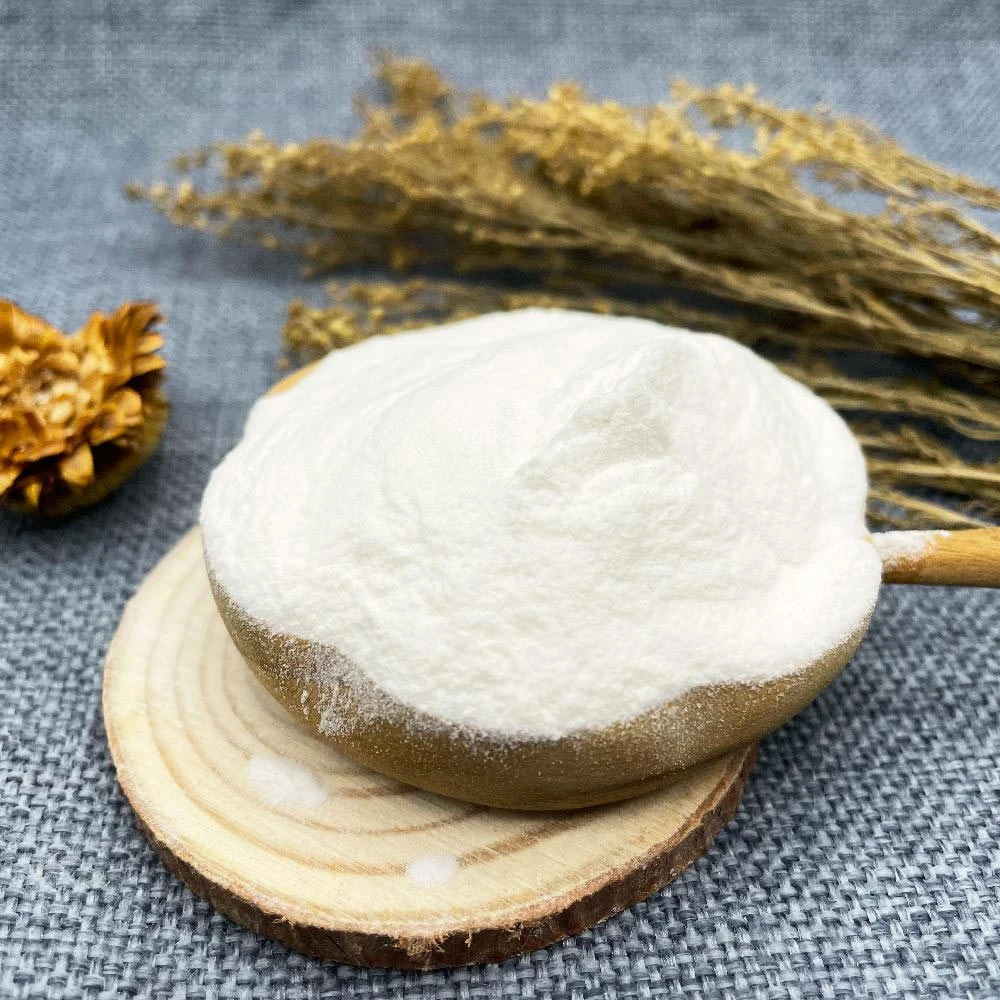
| Appearance | White to Off-white Powder | Free flowing, easy to disperse |
| Degree of Substitution (DS) | 0.15 - 0.30 | Cationic charge level |
| Viscosity (2% solution, 25°C) | 3000 - 12000 mPa·s | Adjustable by molecular weight |
| Solubility | Water soluble | Dissolves readily, clear gel formation |
| pH Stability Range | 4 - 10 | Works in mildly acidic to basic systems |
You know, one trend I've noticed is the growing demand for cationic HEC grades tailored for cosmetics and personal care—think shampoos and conditioners. The positive charge improves binding to hair fibers, lending softness and better moisture retention. A colleague once remarked, "It’s kind of like the polymer version of a gentle hug for hair." I get that—it speaks to how chemistry can translate into user experience.
If you’re weighing options among suppliers, it’s not just about price or lead time. Quality consistency, technical support, and customization capabilities often make or break your long-term success. Here’s a quick rundown I put together based on some industry players I’ve worked with or vetted:
| Vendor | Product Range | Technical Support | Customization | Lead Time |
|---|---|---|---|---|
| Tangzhi | Broad, incl. cosmetic grades | Strong application guidance | Yes, tailored formulations | Typically 2-4 weeks |
| Vendor B | Selective specialty grades | Limited; mainly documentation | Minimal | 4-6 weeks |
| Vendor C | Standard industrial grades | Moderate; in-region reps | Limited | 3-5 weeks |
When working with these materials, of course, testing is crucial. Viscosity, charge density, solubility in your exact process water—these parameters can vary due to raw material sources or batch differences. I always recommend on-site trial batches coupled with supplier technical support for best results.
Many engineers say that cationic hydroxyethyl cellulose offers an unmatched balance between performance and cost, especially versus some synthetic polymers. It’s biodegradable, compatible with a wide pH range, and adaptable for many formulations. Of course, no product is perfect, but cationic HEC comes remarkably close, especially when sourced from reliable vendors.
Oddly enough, one of my more memorable stories involves a mid-sized manufacturer who switched to a cationic HEC from Tangzhi without changing any other part of their formulation. The result? Improved product stability and customer feedback praising smoother texture—all within a single production cycle. It’s these little wins that keep me fascinated with polymers and their subtle magic.
If you want to dive deeper or explore product grades, the folks at Tangzhi have always provided helpful insights and samples, which can save you weeks of development time.
So, in the grand scheme of industrial additives, cationic hydroxyethyl cellulose is kind of a quiet champion—you may not see it in flashy headlines but its role is critical. As always, knowing your material, your formulation, and your vendor is the key to ensuring it works like a charm.
Reflection: Balancing the fine art of chemistry with day-to-day industrial needs, cationic HEC reminds me how nuanced and rewarding this field can be.
- Technical Data Sheets from trusted suppliers
- Industry case studies in drilling and cosmetics
- Practical experience from manufacturing plants
-
Exploring the Benefits of Hydroxyethyl Cellulose in Cosmetics FormulationsNewsJan.30,2026
-
Comprehensive Guide to Hydroxyethyl Cellulose Gel Properties and Industrial ApplicationsNewsJan.28,2026
-
Enhancing Hair Care Formulations with Hydroxyethyl Cellulose for HairNewsJan.27,2026
-
Exploring Hydrophobically Modified Hydroxyethyl Cellulose and Its Diverse ApplicationsNewsJan.27,2026
-
Understanding Hydroxyethyl Cellulose Structure: Benefits & Industry Insights | Tangzhi HPMCNewsJan.06,2026
-
Hydroxyethyl Cellulose Solubility in Water: Expert Insights & SpecsNewsJan.06,2026