Hydroxyethylcellulose For Sale – High Quality & Industrial Solutions from Tangzhi
Hydroxyethylcellulose For Sale is a key solution in the industry, specifically within manufacturing, cosmetics, and oilfield chemicals. This article explores how https://www.tangzhihpmc.com supports professionals with durable, high-performance products, and explains why this product is an ideal choice for businesses in these sectors.
Table of Contents
- Hydroxyethylcellulose For Sale Overview
- Benefits & Use Cases of Hydroxyethylcellulose For Sale
- Cost, Maintenance & User Experience
- Sustainability & Market Trends
Hydroxyethylcellulose For Sale Overview
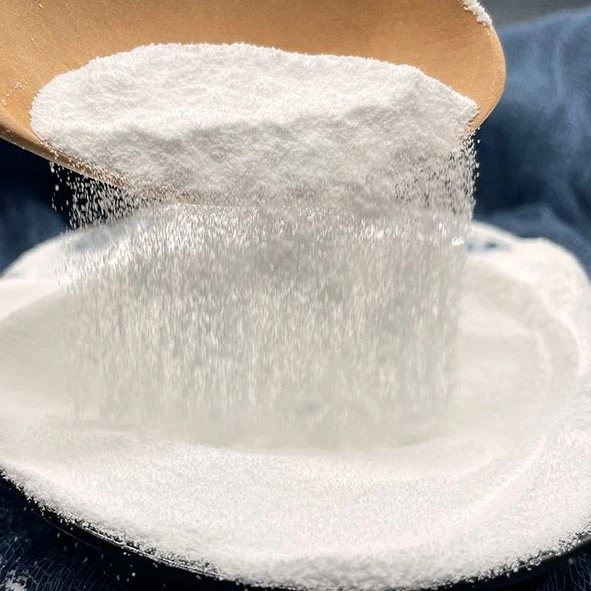
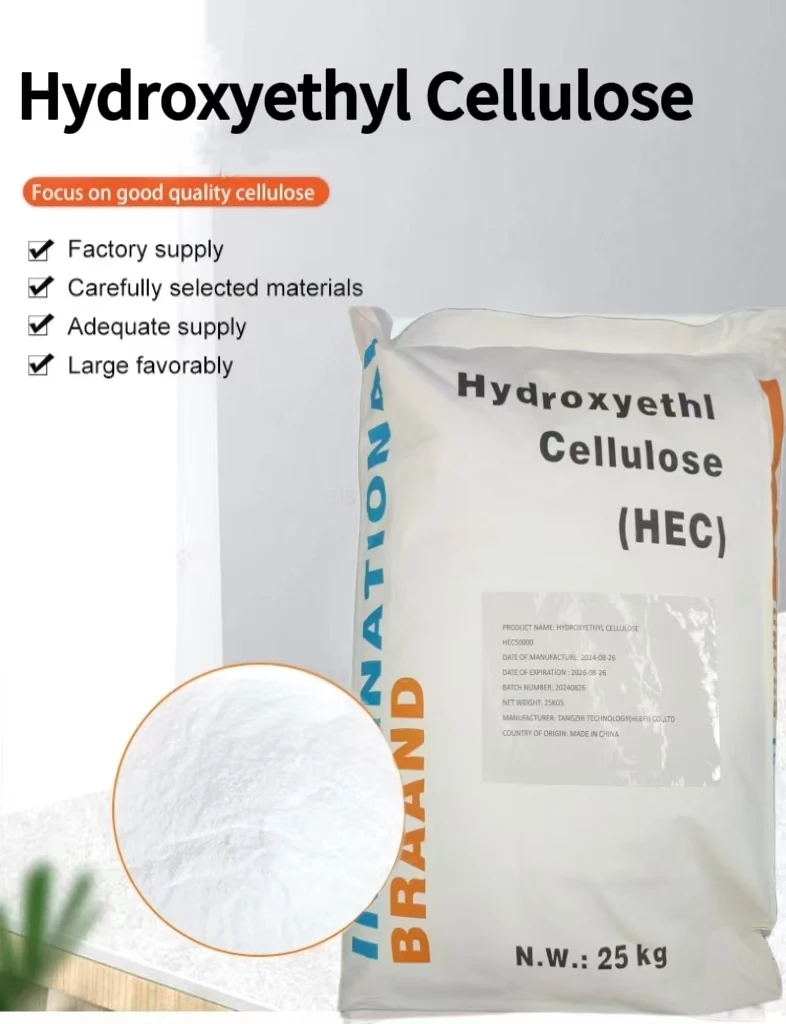
Hydroxyethylcellulose (HEC) is a non-ionic, water-soluble polymer derived from cellulose, widely used as a thickening agent, stabilizer, and binder across multiple industries. When you search for reliable Hydroxyethylcellulose For Sale, it's crucial to understand its chemical versatility and physical properties that cater to demanding industrial applications.
Technically speaking, HEC exhibits excellent viscosity control, film formation, and water retention capabilities. Tangzhi’s variants are renowned for consistent particle size distribution and purity — qualities tested rigorously, reflecting in their stability over varying pH and temperature ranges. Oddly enough, despite being derived from a natural polymer, they perform remarkably under synthetic manufacturing environments.
| Specification | Typical Value | Unit |
|---|---|---|
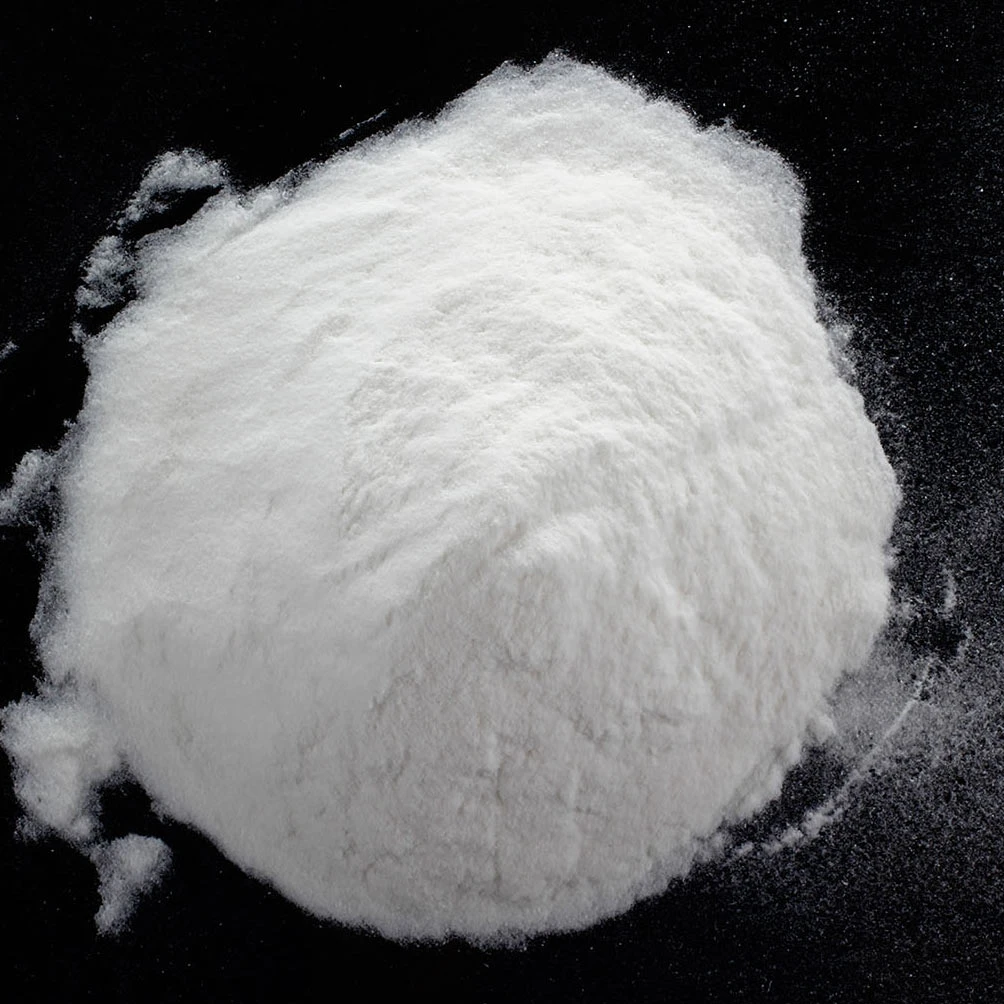
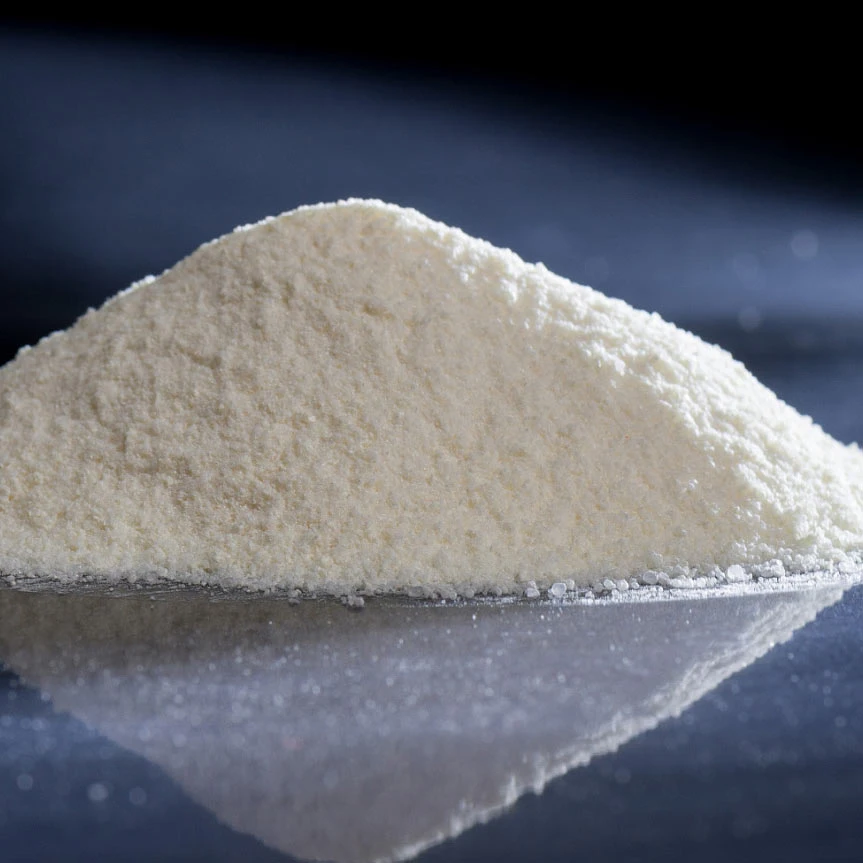
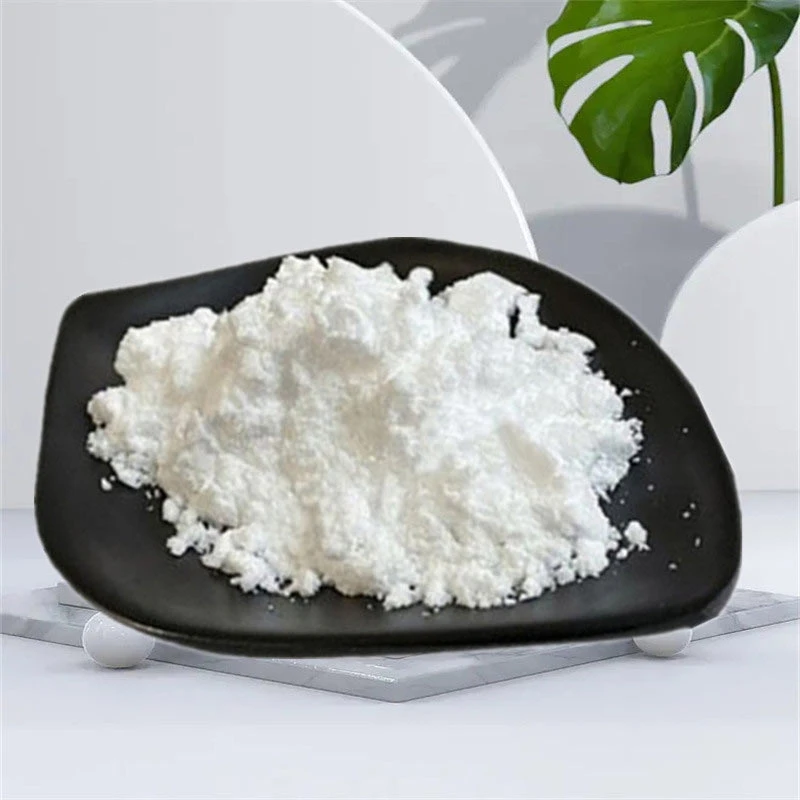
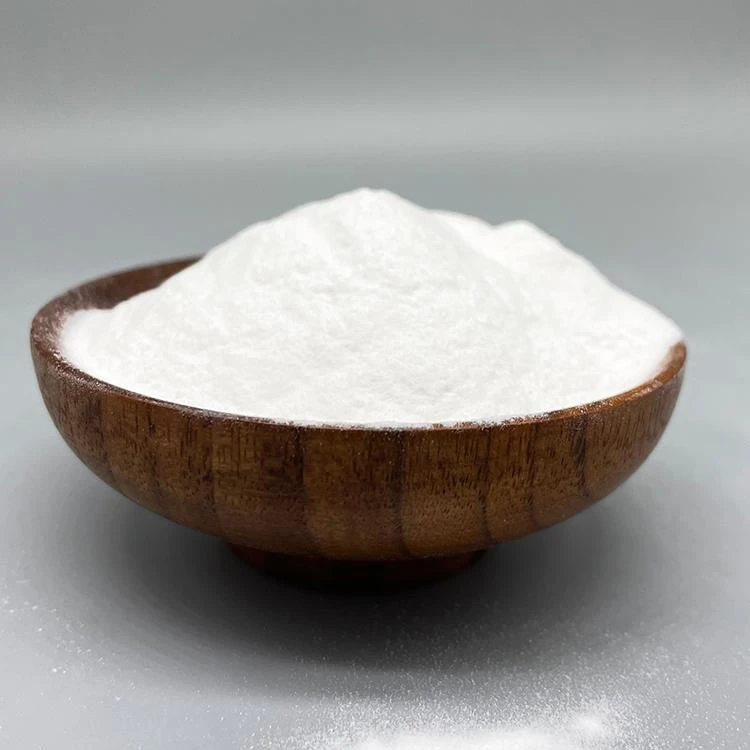
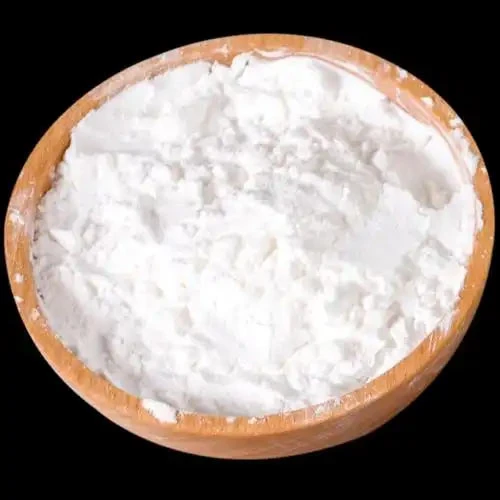
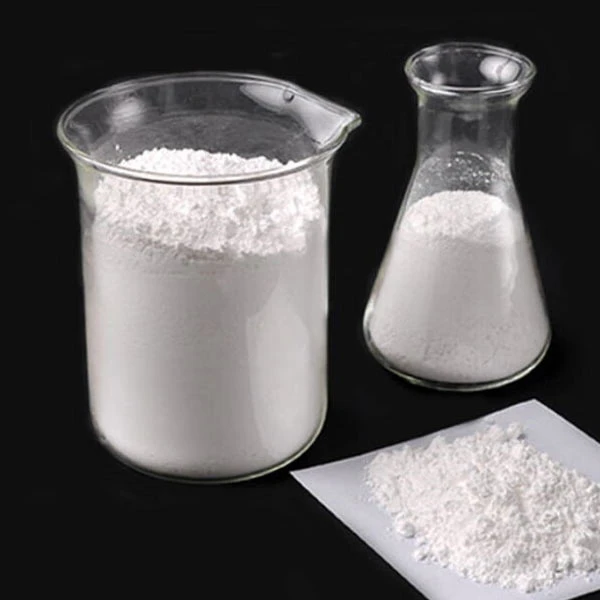
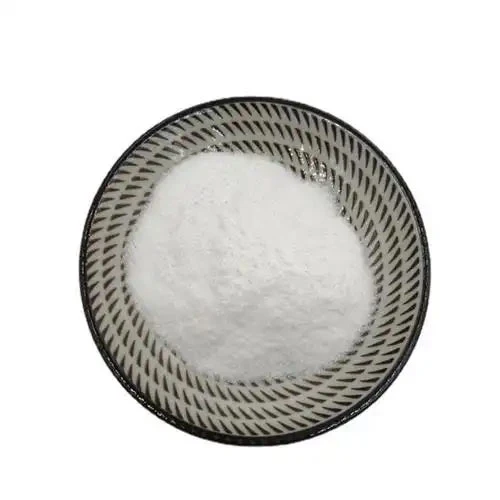
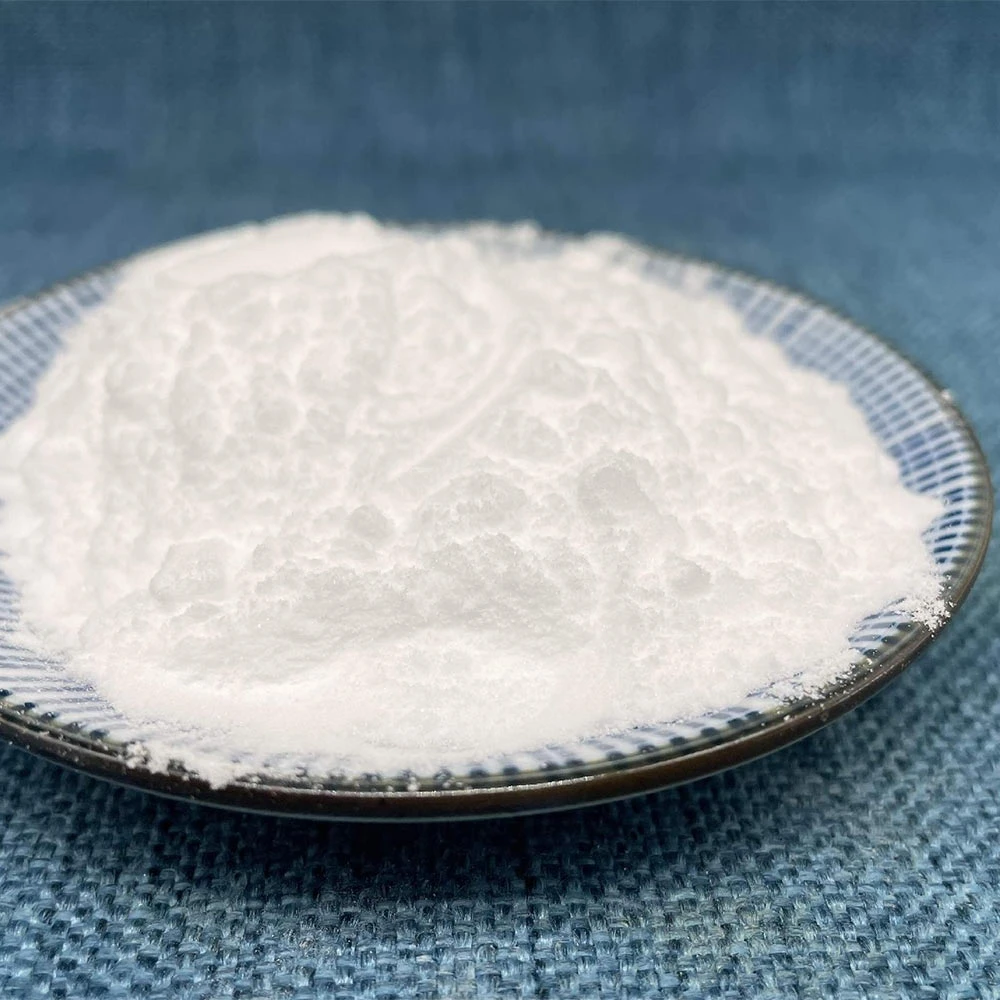
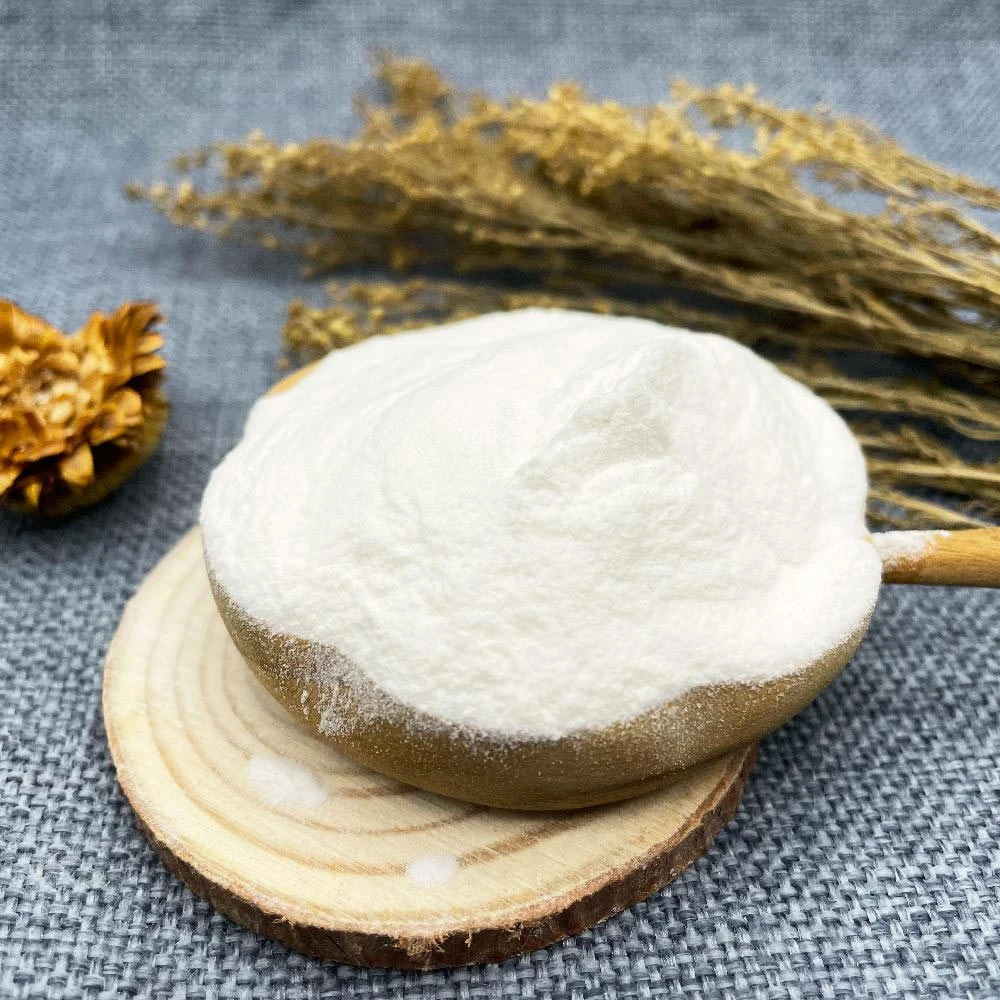
| Appearance | White Powder | |
| Viscosity (2% solution) | 500-3000 | mPa·s |
| pH (1% solution) | 6.0 - 8.0 | |
| Moisture Content | < 5% |
Benefits & Use Cases of Hydroxyethylcellulose For Sale
In real terms, HEC is a multitasker in several industries. For example, in the cosmetics world, it acts as a binder and viscosity enhancer in creams and lotions, improving texture and shelf life. Meanwhile, construction sectors rely on it for tile adhesives and cement-based waterproofing, thanks to its excellent binding and thickening performances.
Oilfields and paints also benefit from HEC’s water-retention and suspension properties. What’s fascinating is how its non-ionic nature minimizes reactivity, making it a safer alternative to other cellulose derivatives. Tangzhi’s product line, available at Hydroxyethylcellulose For Sale, boasts lower batch-to-batch variability, which is a huge plus when you’re dealing with large scale industrial processes.
| Vendor | Viscosity Range (mPa·s) | MOQ | Typical Lead Time | Price Competitiveness |
|---|---|---|---|---|
| Tangzhi | 500-3000 | 1000 kg | 2-3 weeks | High |
| Competitor A | 300-2500 | 500 kg | 3-4 weeks | Moderate |
| Competitor B | 600-3500 | 1500 kg | 4-5 weeks | Low |
Cost, Maintenance & User Experience
When it comes to the total cost of ownership, choosing Hydroxyethylcellulose carefully can mean significant savings. Tangzhi’s HEC products tend to deliver better viscosity stability, which often means less frequent adjustments in processing. This can save time (and money), which frankly, most decision makers appreciate.
Many users I’ve spoken to mention that the product’s ease of integration reduces maintenance headaches. Instead of dealing with unpredictable viscosity dips or batch inconsistencies, you get reliable performance—something that can otherwise add hidden costs downstream. In some industrial evaluations, ROI appears within months, particularly when scaled.
Sustainability & Market Trends
Sustainability is no longer just a buzzword — it’s a real, driving force behind product development. Hydroxyethylcellulose’s natural origin from cellulose fits well within green chemistry trends, offering biodegradable and non-toxic characteristics. For companies navigating tightening regulations and corporate ESG commitments, sourcing suppliers like Tangzhi that emphasize environmentally responsible methods can be a strategic win.
The market for HEC is also expanding, especially as it finds new applications in eco-friendly paints, personal care products, and enhanced oil recovery techniques—sectors actively seeking less harmful additives. Overall, it feels like a product that ticks many boxes: high performance, regulatory compliance, and sustainability. Quite a trio.
Frequently Asked Questions about Hydroxyethylcellulose For Sale
- What is Hydroxyethylcellulose For Sale and how does it work?
- Hydroxyethylcellulose is a chemical derivative of cellulose used primarily as a thickener, stabilizer, and binder. It works by absorbing water and forming a gel-like consistency, helping improve texture and stability in various products.
- What are the main benefits of using Hydroxyethylcellulose For Sale in industrial applications?
- Key advantages include excellent thickening properties, chemical stability, non-toxicity, ease of use, and cost-effectiveness, all contributing to enhanced product performance and efficiency.
- How does Hydroxyethylcellulose For Sale compare to traditional alternatives?
- Compared to other cellulose derivatives or synthetic thickeners, Hydroxyethylcellulose offers superior solubility, consistent viscosity, and better compatibility with diverse formulations.
- What industries can benefit most from Hydroxyethylcellulose For Sale implementation?
- Major industries include personal care and cosmetics, construction materials, oil and gas, paints and coatings, and food processing.
Conclusion on Hydroxyethylcellulose For Sale from china
The value of Hydroxyethylcellulose For Sale is clear once you consider its versatility, reliability, and alignment with modern industry demands. For B2B decision makers, selecting a tested, high-quality supplier like Tangzhi — available at https://www.tangzhihpmc.com — is not just an operational choice but a strategic one. It’s about ensuring smooth production, regulatory fit, and long-term cost benefits all in one.
In sum, Hydroxyethylcellulose is very much worth a serious look if your business deals with product texture, stability, or flow—whether it’s paint, cement, or skincare. It feels right, and the data backs it up.
-
Exploring the Benefits of Hydroxyethyl Cellulose in Cosmetics FormulationsNewsJan.30,2026
-
Comprehensive Guide to Hydroxyethyl Cellulose Gel Properties and Industrial ApplicationsNewsJan.28,2026
-
Enhancing Hair Care Formulations with Hydroxyethyl Cellulose for HairNewsJan.27,2026
-
Exploring Hydrophobically Modified Hydroxyethyl Cellulose and Its Diverse ApplicationsNewsJan.27,2026
-
Understanding Hydroxyethyl Cellulose Structure: Benefits & Industry Insights | Tangzhi HPMCNewsJan.06,2026
-
Hydroxyethyl Cellulose Solubility in Water: Expert Insights & SpecsNewsJan.06,2026