Antifoam and Defoamer - Fast-Acting, Silicone & Food Safe
Field Notes on Antifoam & Defoamer: What Works, What Doesn’t
When production lines start sounding like a bubble bath, it’s time to call in antifoam and defoamer. I’ve watched paints, fermenters, even wastewater clarifiers get kneecapped by stubborn foam. And—surprisingly—it’s rarely just “too much surfactant.” It’s shear, temperature spikes, contamination, stabilizers… you get the picture. The industry’s answer keeps evolving: silicone-based systems for brutal conditions, EO/PO types for food contact, mineral-oil blends for cost-sensitive runs.
What’s trending (and why it matters)
Three trends dominate: sustainability (low-VOC, label-friendly), tighter compliance (REACH, food-contact rules), and process analytics (actually measuring foam collapse and persistence, not just eyeballing). To be honest, buyers want “plug-and-play”—drop-in defoamers that don’t crater gloss, adhesion, or enzyme activity. Many customers say silicone emulsions hit that sweet spot, especially under heat or high shear.
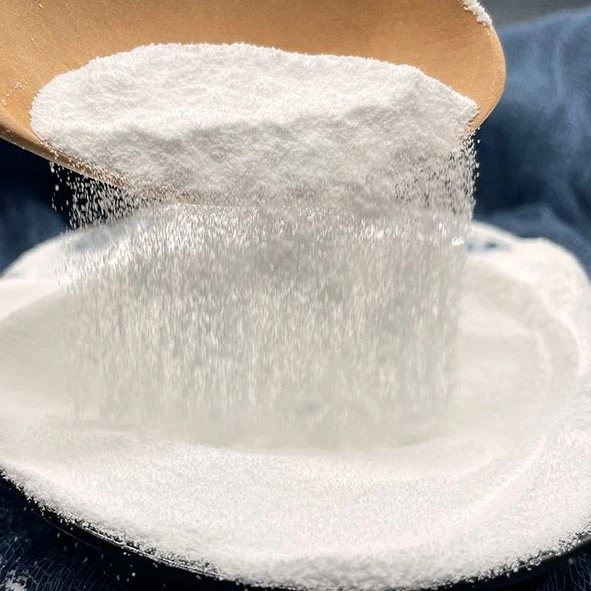
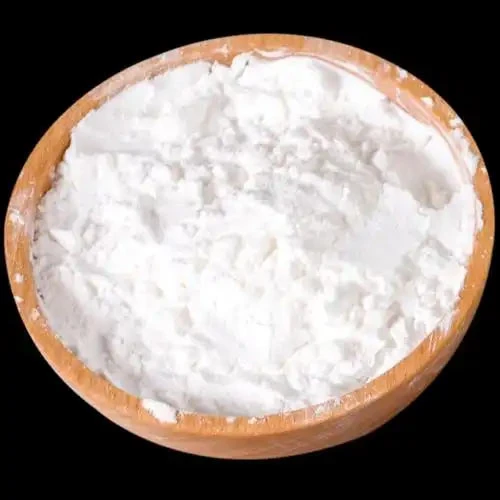
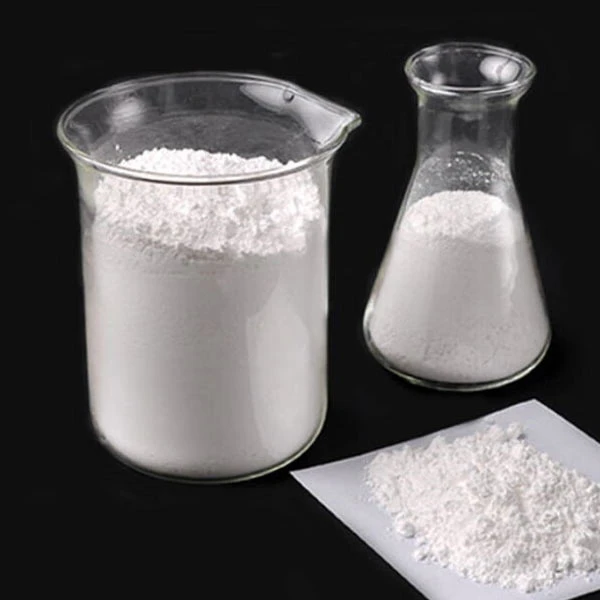
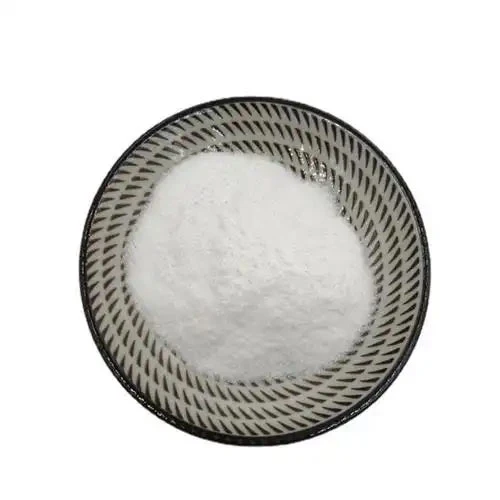
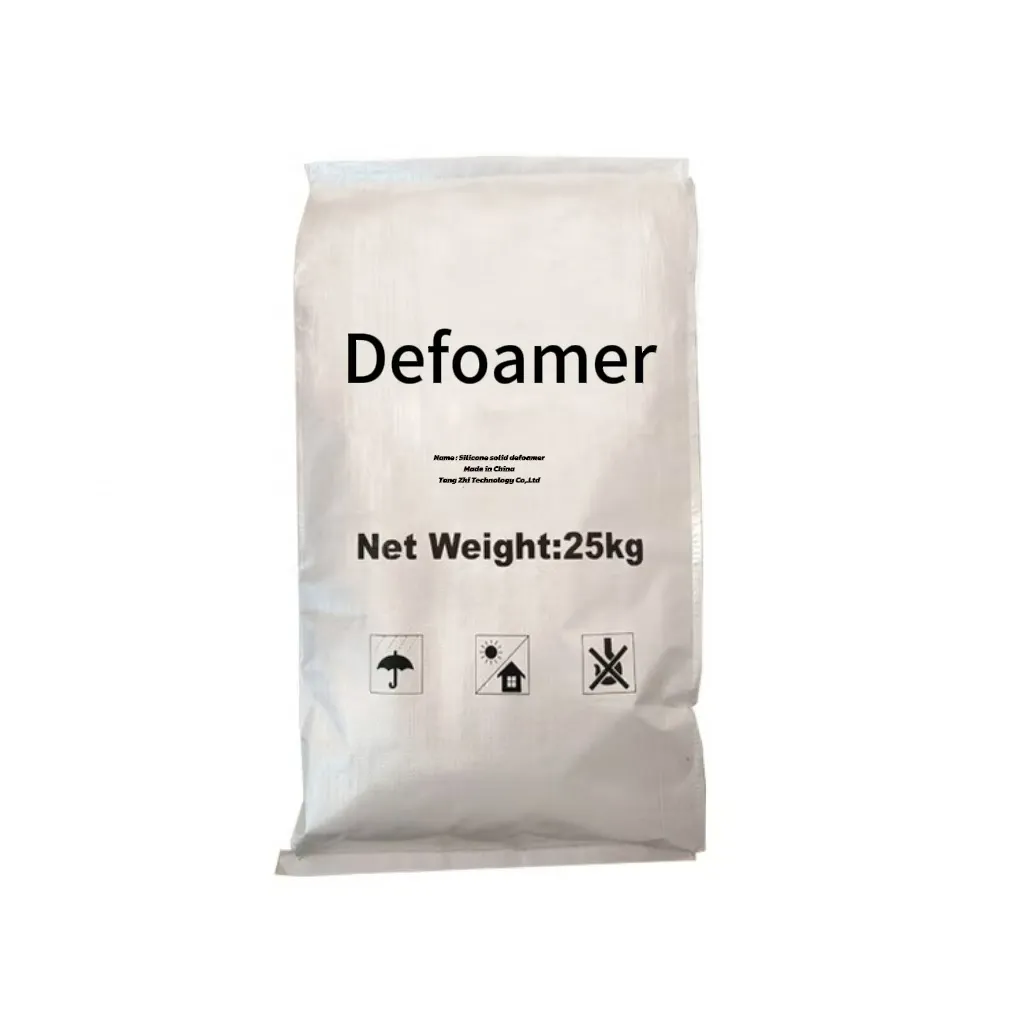
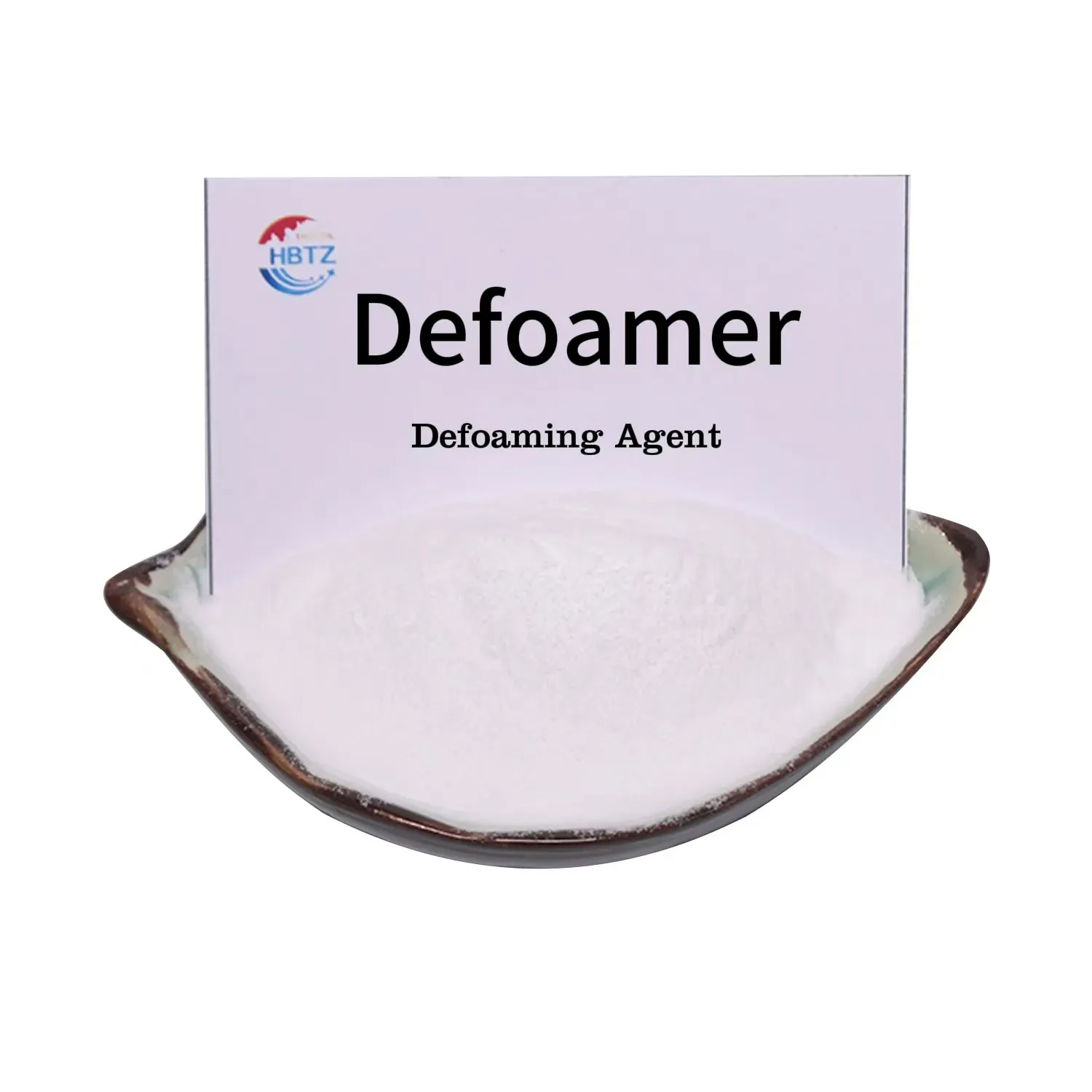
Technical snapshot: Defoamer (Defoaming Agent)
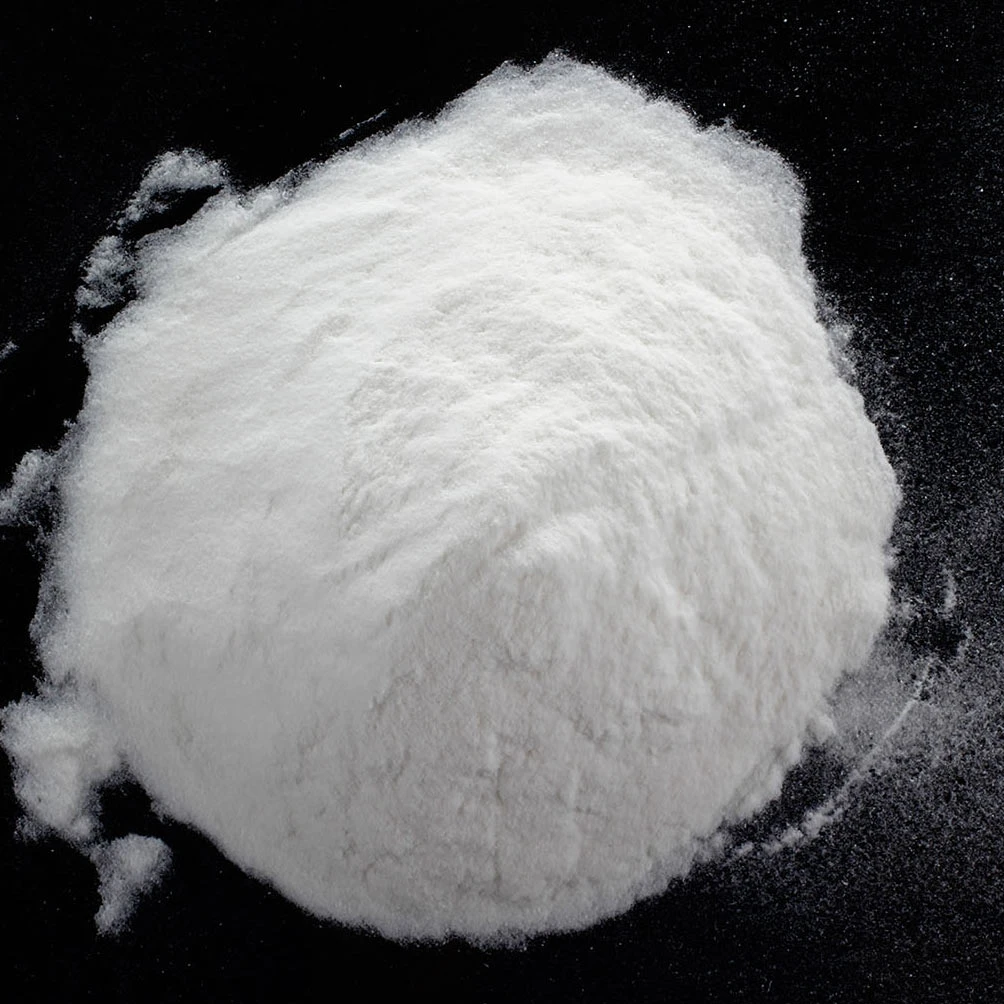
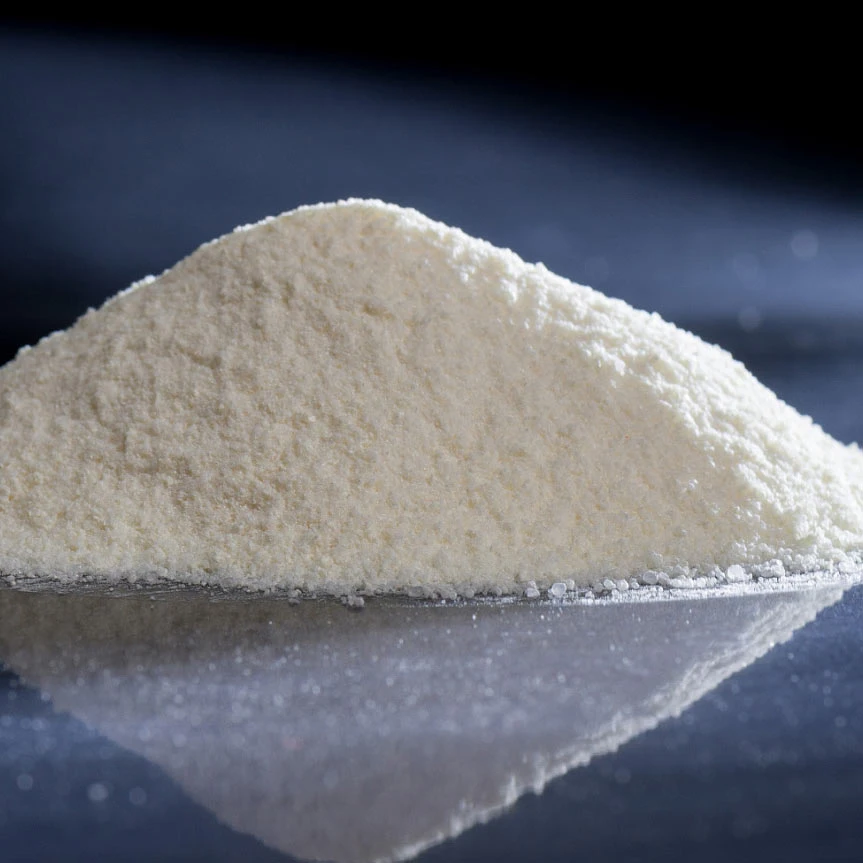
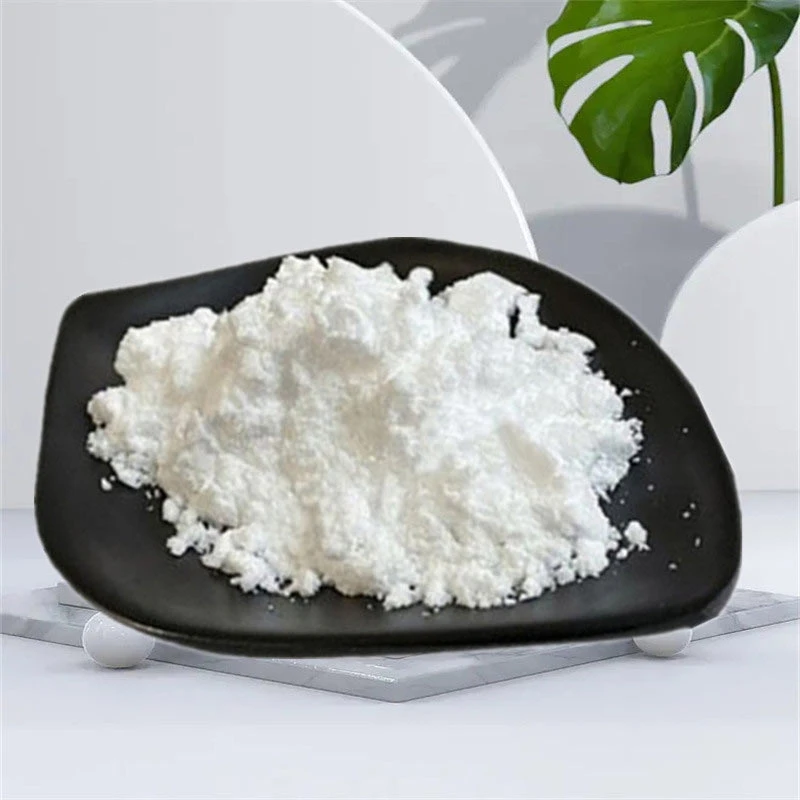
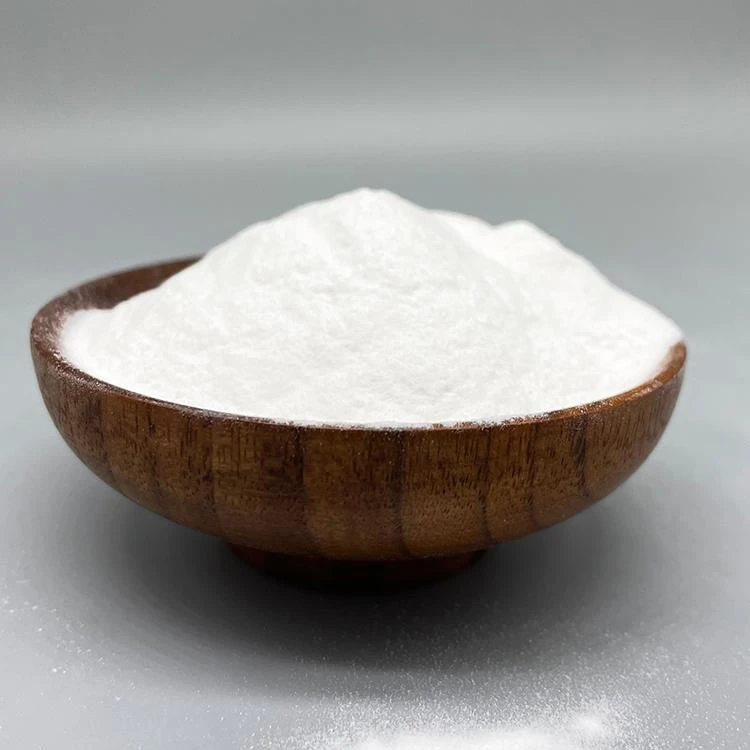
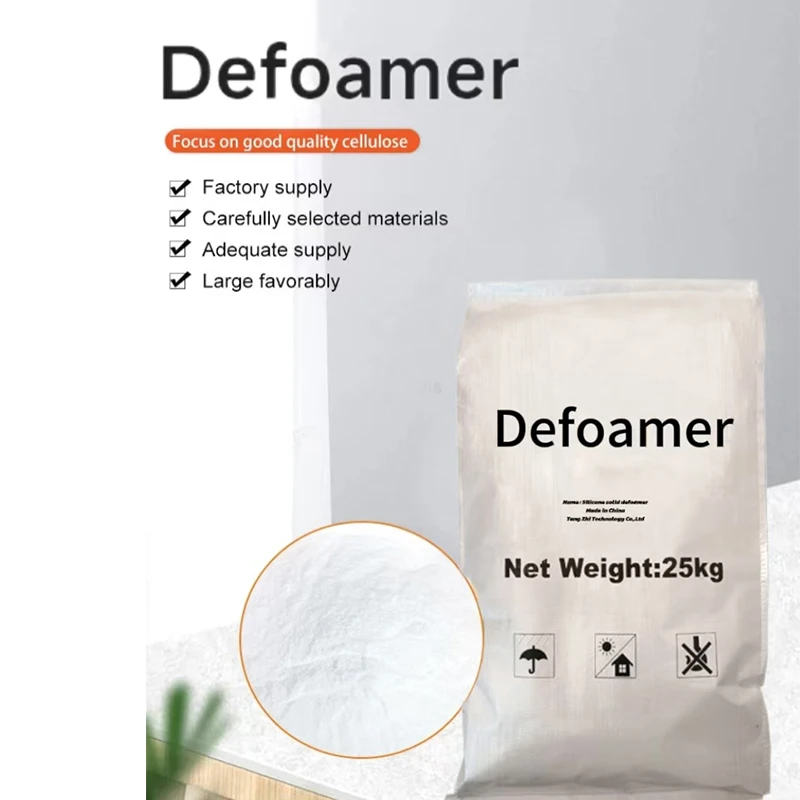
Origin: Room 2308, Dongsheng Plaza 2, No. 508 Zhongshan East Road, Chang’an District, Shijiazhuang, Hebei, China. Base chemistry is silicone oil—non-volatile, water-insoluble, thermally robust, and chemically inert. In fact, that inertness is why it plays nicely across paints, paper, fermentation, and water treatment.
| Property | Typical Spec (≈ / real-world may vary) |
|---|---|
| Base | Silicone oil with hydrophobic silica (emulsified or neat) |
| Active content | 10–100% (form-dependent) |
| Viscosity @25°C | ≈ 300–3,000 cSt (silicone fraction) |
| pH (emulsion) | 6.0–8.5 |
| Temperature window | -20°C to 200°C continuous |
| Storage/service life | 12–24 months sealed; 6–12 months after opening if clean handling |
| Compliance (typical) | REACH-registered, ISO 9001 supplier; food-contact versions must align with 21 CFR 173.340 |
Process flow (how pros deploy it)
- Materials: silicone oil, hydrophobized silica, emulsifiers (if waterborne), carriers.
- Methods: pre-dilution to 1–5% for metering; add at high-turbulence points (feed tank, inline static mixer).
- Dosage: ≈ 50–1000 ppm; start low, titrate up. Overdosing can cause craters or fisheyes in coatings.
- Testing standards: Ross–Miles foam (ASTM D1173), lubricants foam (ASTM D892), coating defect checks (visual/ASTM methods), microbial impact checks for fermentation.
- Industries: paints & coatings, pulp & paper, fermentation, wastewater, detergents, cement admixtures, inks, lubricants.
Applications, tips, and test data notes
Coatings: add during grind for macro-foam, post-add for micro-foam. Wastewater: dose upstream of aeration surge. Fermentation: use food-grade only, and validate no enzyme inhibition. In lab screens, teams typically track initial foam height, collapse time, and after-5-min persistence under ASTM/industry protocols; acceptable results often mean fast collapse with no surface defects afterward. I guess the headline is simple: fast knockdown, low side effects.
For continuous lines, many plants install closed-loop dosing triggered by foam probes—less drama, fewer operator calls.
Vendor comparison (quick scan)
| Vendor | Chemistry | Strengths | Notes |
|---|---|---|---|
| Tangzhi (CN) | Silicone-based | High temp stability, broad compatibility | Origin: Shijiazhuang, Hebei; good lead times into APAC |
| Vendor A (US) | EO/PO copolymer | Food-contact oriented | Check CFR compliance and local inventory |
| Vendor B (EU) | Mineral oil blend | Cost-effective in paper & water | Watch VOC and odor specs |
Customization
Tailor the antifoam and defoamer to your matrix: tweak silica loading for persistence, switch emulsifier packages for alkaline cleaners, or go solvent-free for sensitive coatings. Real-world use may vary—pilot before plant.
Case snapshots (illustrative)
- Coatings mill: post-add silicone antifoam and defoamer cut deaeration time noticeably without cratering after laydown.
- Wastewater DAF: intermittent dosing of antifoam and defoamer stabilized skimming during peak surfactant loads.
- Fermentation: food-grade antifoam and defoamer maintained headspace while preserving oxygen transfer targets.
Compliance and documentation
Ask for ISO 9001/14001 certificates, REACH statements, and if food-contact is in scope, confirmation against FDA 21 CFR 173.340. For lubricants or process fluids, align foam tests with ASTM D892; for surfactant-rich systems, Ross–Miles is a reliable yardstick.
Citations
- FDA 21 CFR 173.340 — Defoaming agents: https://www.ecfr.gov/current/title-21/part-173/section-173.340
- ASTM D892 — Standard Test Method for Foaming Characteristics of Lubricating Oils: https://www.astm.org/d0892
- ASTM D1173 — Ross–Miles Foam Test for Surface-Active Agents: https://www.astm.org/d1173
- ISO 9001 — Quality management systems: https://www.iso.org/standard/62085.html
-
Exploring the Benefits of Hydroxyethyl Cellulose in Cosmetics FormulationsNewsJan.30,2026
-
Comprehensive Guide to Hydroxyethyl Cellulose Gel Properties and Industrial ApplicationsNewsJan.28,2026
-
Enhancing Hair Care Formulations with Hydroxyethyl Cellulose for HairNewsJan.27,2026
-
Exploring Hydrophobically Modified Hydroxyethyl Cellulose and Its Diverse ApplicationsNewsJan.27,2026
-
Understanding Hydroxyethyl Cellulose Structure: Benefits & Industry Insights | Tangzhi HPMCNewsJan.06,2026
-
Hydroxyethyl Cellulose Solubility in Water: Expert Insights & SpecsNewsJan.06,2026