Comprehensive Guide to hpmc k100m use: Applications, Benefits & Global Trends
Understanding hpmc k100m use: A Critical Material in Modern Applications
If you haven’t yet encountered hpmc k100m use in your professional circle, it’s time to take note. This particular grade of hydroxypropyl methylcellulose (HPMC) K100M is a fascinating material with broad industrial and humanitarian relevance. Globally, it plays an unnoticed yet crucial role—from enabling advanced pharmaceutical formulations to improving building materials that boost sustainability efforts. Frankly, understanding its uses unlocks a lot about how modern products and solutions are crafted for durability, consistency, and safety.
Introduction: Why hpmc k100m use Matters Worldwide
To put it into perspective, the global specialty chemicals market is projected to reach several hundred billion dollars by 2027 (UNIDO data). HPMC, particularly the K100M grade, stands out for its unique viscosity and film-forming properties. It answers the challenge of enhancing product stability in extremely varied environments—think pharmaceuticals that must remain effective in remote tropical climates or construction materials aimed to reduce carbon footprints. The demand for hpmc k100m use solutions is especially high in emerging economies focusing on improved infrastructure and health sectors, where quality and cost-efficiency must go hand in hand.
What Is hpmc k100m Use?
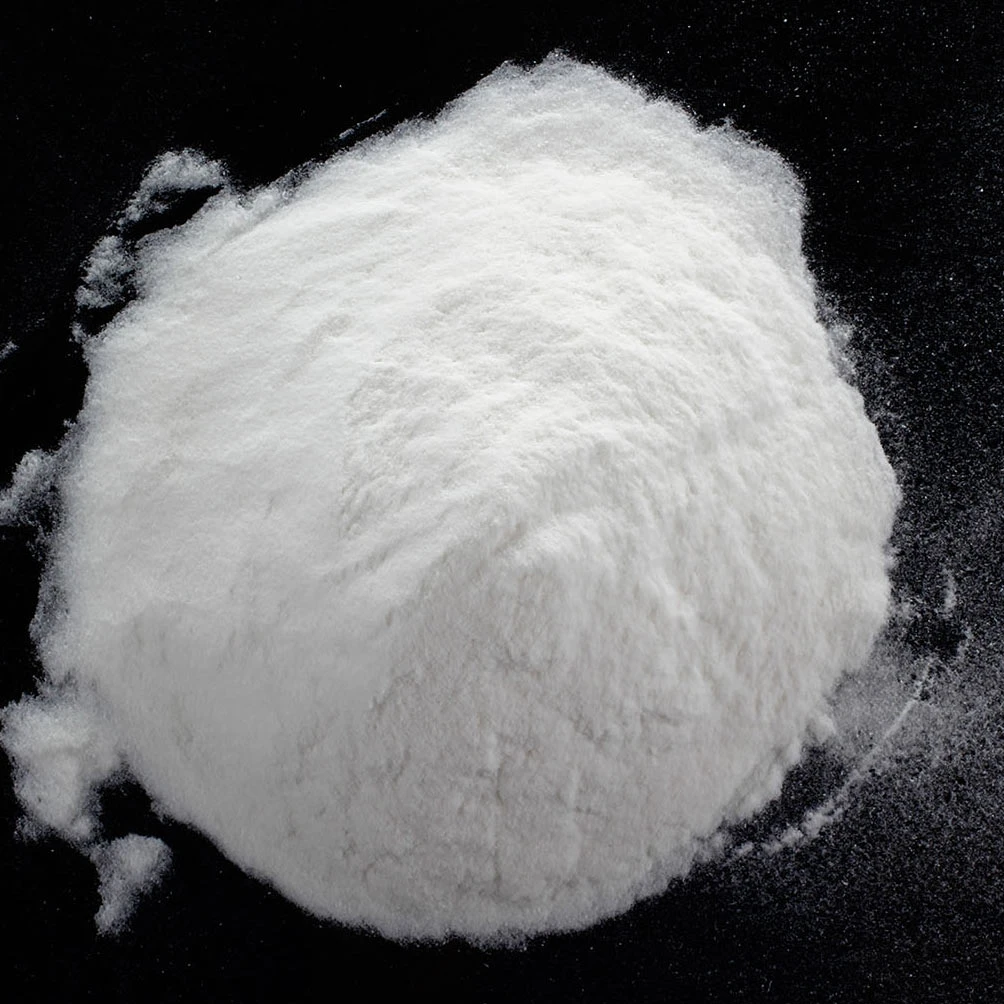
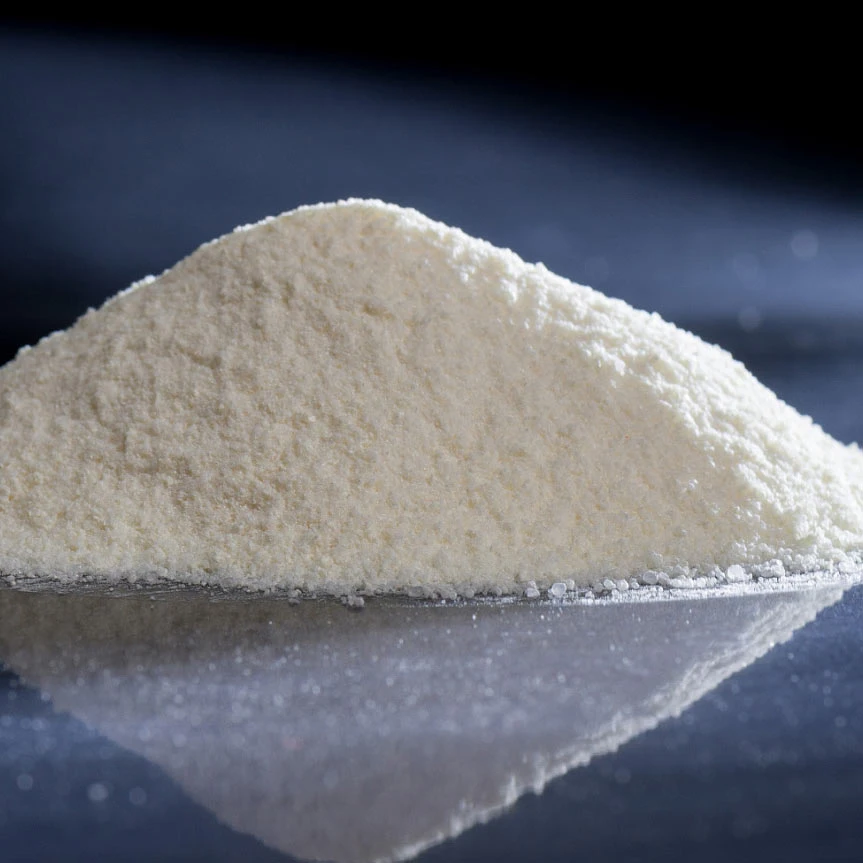
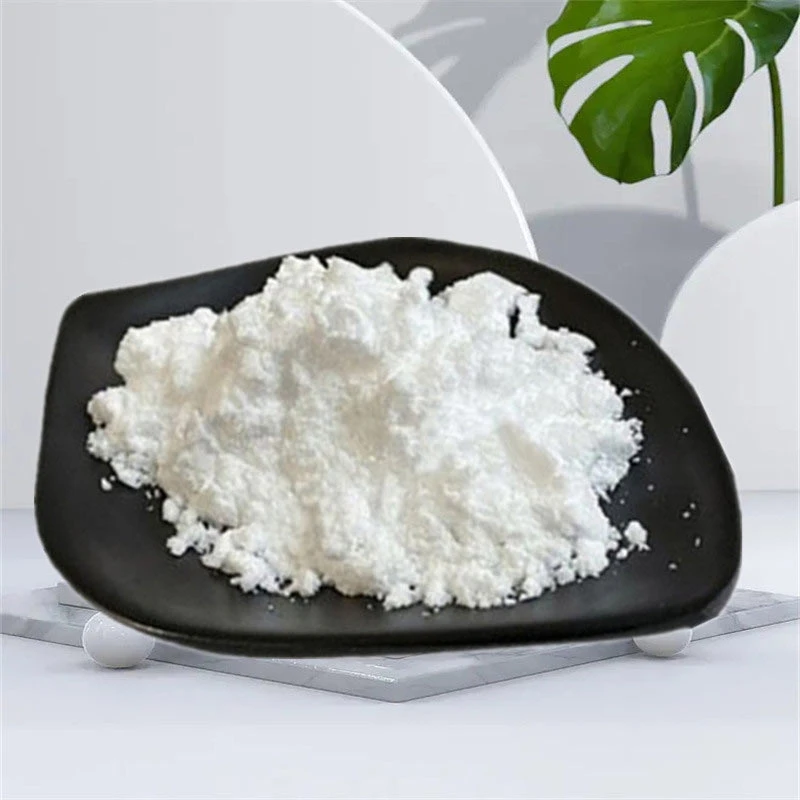
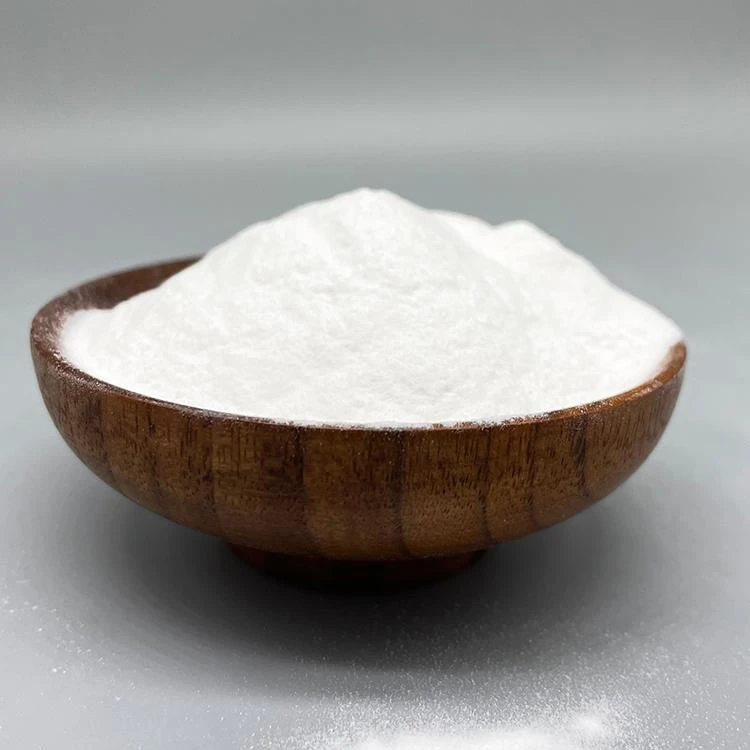
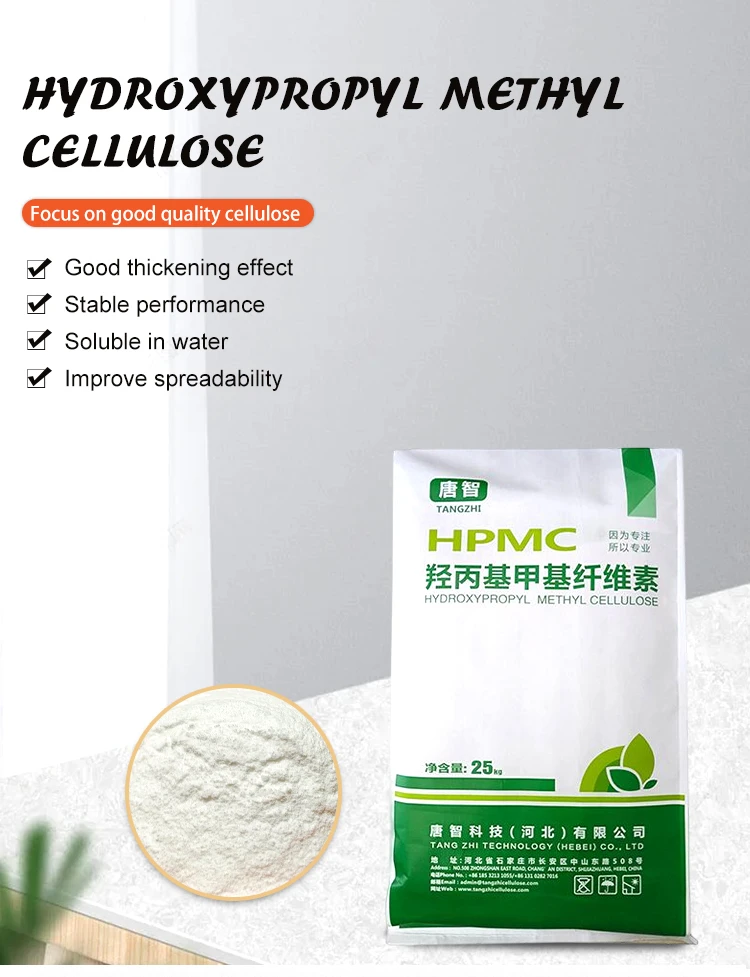
In simple terms, hpmc k100m use refers to the applications of hydroxypropyl methylcellulose with a viscosity grade of 100,000 mPa·s (K100M). It’s a cellulose ether derivative used primarily as a thickener, stabilizer, and binder. This material is water-soluble, non-toxic, and biocompatible, which explains its popularity in pharmaceuticals, food products, and construction materials. Oddly enough, the versatility it offers in controlling viscosity while maintaining non-reactivity makes it almost indispensable in sectors looking for reliable, customizable additives.
Key Factors Shaping hpmc k100m Use
Viscosity & Thickening Performance
The K100M grade is prized for its high viscosity, making it perfect for thickening formulations—from creams and gels to mortar and plaster. Its consistent behavior helps manufacturers achieve product homogeneity without unwanted separation or settling.
Biocompatibility and Safety
Being non-toxic and approved by major regulatory bodies, including the FDA and EP (European Pharmacopeia), hpmc k100m use is safe for human contact and ingestion, which is why it’s used widely in drug delivery systems and food coatings.
Water Retention
In construction, its water retention ability greatly improves workability and final product strength by preventing rapid drying and shrinkage.
Film-Forming Capability
The material produces flexible, transparent films, beneficial in capsules, tablets, and some adhesive products, where controlled release or protective barriers are required.
Compatibility with Other Ingredients
It mixes well with a variety of polymers and excipients without destabilizing the formulation, which speaks volumes about its adaptability.
Product Specification Snapshot: hpmc k100m Typical Properties
| Property | Typical Value | Unit |
|---|---|---|
| Viscosity (2% solution, 20°C) | 100,000 ± 10,000 | mPa·s |
| Substitution Degree (Methoxy) | 19-24 | % |
| Substitution Degree (Hydroxypropyl) | 4-12 | % |
| pH of 2% solution | 5.0-8.0 | - |
| Loss on drying | ≤5 | % |
Global Applications & Real-World Use Cases
The applications of hpmc k100m use spread across continents and industries. In Asia, manufacturers leverage it in advanced pharmaceutical coatings for controlled drug release. In Europe, it plays a role in environmentally friendly construction materials thanks to its water retention and adhesion properties. North America sees it in cosmetic formulations for creams and lotions, where texture and user experience are everything.
One memorable example is in disaster relief housing: lightweight cement mixtures including hpmc K100M provide faster-setting, crack-resistant panels, helping rebuild communities after earthquakes. The versatility has even extended to specialized food coatings that protect sensitive nutrients during transport—crucial in regions battling supply chain disruptions.
Vendor Comparison: hpmc k100m Suppliers at a Glance
| Vendor | Purity (%) | Supply Capacity (tons/yr) | Typical Price (USD/kg) | Certifications |
|---|---|---|---|---|
| Tangzhi HPMC | ≥99.5 | 5000+ | 3.50 - 4.00 | ISO9001, FSSC22000 |
| Vendor B | ≥98.0 | 3000 | 4.20 - 4.60 | GMP Certified |
| Vendor C | ≥99.0 | 2000 | 3.80 - 4.30 | ISO14001 |
Advantages & Long-Term Value of hpmc k100m Use
There’s an emotional element here too—products using hpmc K100M often deliver reliability, and frankly, peace of mind. Imagine a medication coating that protects a crucial dose literally where it’s needed most, or construction materials that hold up through years of weather and wear, preserving safety and dignity. Long-term, it’s these qualities that push companies and governments to invest in such materials despite slightly higher upfront costs.
Sustainability matters more than ever. Since hpmc comes from cellulose, a renewable resource, it complements green initiatives across industries. It also reduces waste through better product stability, which aligns nicely with global circular economy goals.
Emerging Trends & Innovations
The future of hpmc k100m use is geared toward even greener, more bio-based variants enhanced with nanotechnology for improved performance. Digital formulation platforms enable precision customization, tailoring viscosity and film properties to highly specific needs. Expect policies encouraging eco-friendly additives to further accelerate uptake, notably in Europe and North America.
Common Challenges & Expert Solutions
No material is perfect. Some users report that hpmc K100M’s thickening effect can vary with temperature, and handling powder form requires care to avoid dust generation. But with modern processing techniques—like spray drying and micronization—these issues are steadily minimized, making hpmc both easier and safer to use at scale.
FAQ: Addressing Your Most Pressing Questions About hpmc k100m Use
- Q: How does hpmc K100M improve pharmaceutical formulations?
A: It acts as a release modifier and binder, ensuring active ingredients remain stable and dissolve predictably, enhancing drug efficacy and shelf life. - Q: Can hpmc k100m be used in eco-friendly construction materials?
A: Yes, it improves mortar workability and reduces cracking without toxic additives, supporting sustainable building practices. - Q: Is hpmc K100M compatible with gluten-free food products?
A: Absolutely, it’s plant-based and gluten-free, making it suitable for thickening and stabilizing gluten-free doughs and sauces. - Q: Where can I source high-quality hpmc K100M reliably?
A: Vendors like Tangzhi HPMC offer certified products with solid supply chains and competitive pricing.
Conclusion: Why Invest in hpmc k100m Use?
Ultimately, hpmc K100M’s unique combination of performance, safety, and sustainability make it a smart choice for industries worldwide that want to innovate responsibly. Whether it’s a pharmaceutical company seeking precise drug delivery, a construction business aiming to boost material durability, or a food processor enhancing texture naturally—understanding and leveraging hpmc k100m use delivers long-term value. If you’re interested in exploring high-grade formulations or partnerships, visit our website for more detailed info and expert guidance.
One takeaway: In a world increasingly driven by quality, safety, and sustainability, materials like hpmc k100m quietly enable the future of better products for all.
References:
1. Wikipedia - Hydroxypropyl methylcellulose
2. ISO 9001 Quality Management
3. UNIDO, Industrial Data Reports 2023
-
Exploring the Benefits of Hydroxyethyl Cellulose in Cosmetics FormulationsNewsJan.30,2026
-
Comprehensive Guide to Hydroxyethyl Cellulose Gel Properties and Industrial ApplicationsNewsJan.28,2026
-
Enhancing Hair Care Formulations with Hydroxyethyl Cellulose for HairNewsJan.27,2026
-
Exploring Hydrophobically Modified Hydroxyethyl Cellulose and Its Diverse ApplicationsNewsJan.27,2026
-
Understanding Hydroxyethyl Cellulose Structure: Benefits & Industry Insights | Tangzhi HPMCNewsJan.06,2026
-
Hydroxyethyl Cellulose Solubility in Water: Expert Insights & SpecsNewsJan.06,2026