What is HPMC? Insider Guide to Hydroxypropyl Methylcellulose
What is HPMC? A Veteran’s Take on Hydroxypropyl Methylcellulose
If you’ve ever dipped a toe into the world of industrial materials, construction additives, or even pharmaceutical formulations, you’ve probably bumped into HPMC — that enigmatic acronym for Hydroxypropyl Methylcellulose. I’ve spent more than a decade working in industrial sectors where HPMC quietly plays a starring role, and honestly, it’s one of those substances that feels deceptively simple but is surprisingly pivotal.
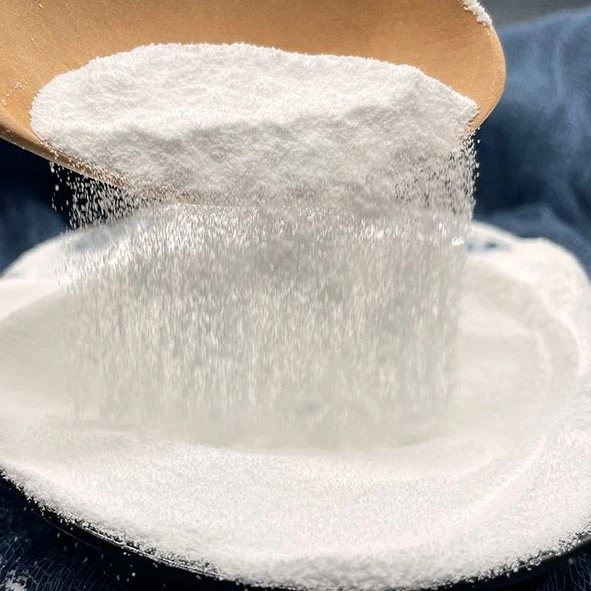
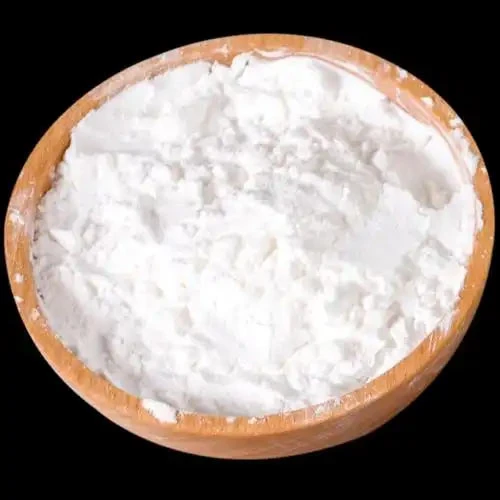
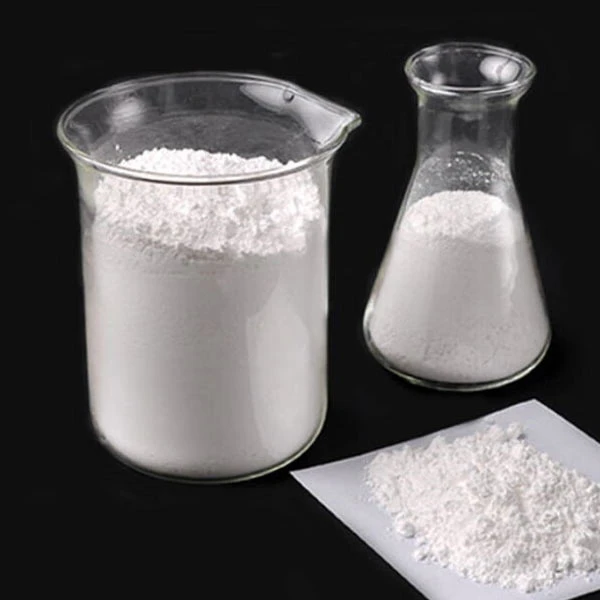
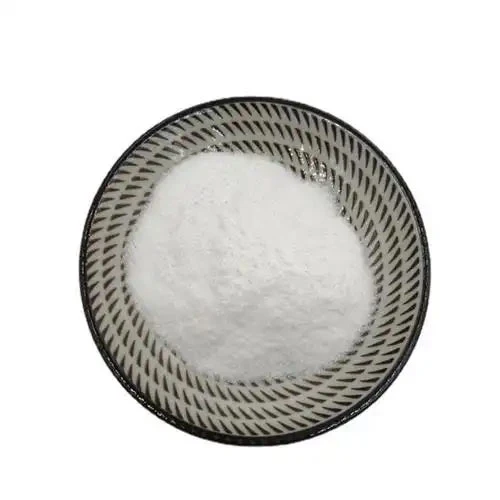
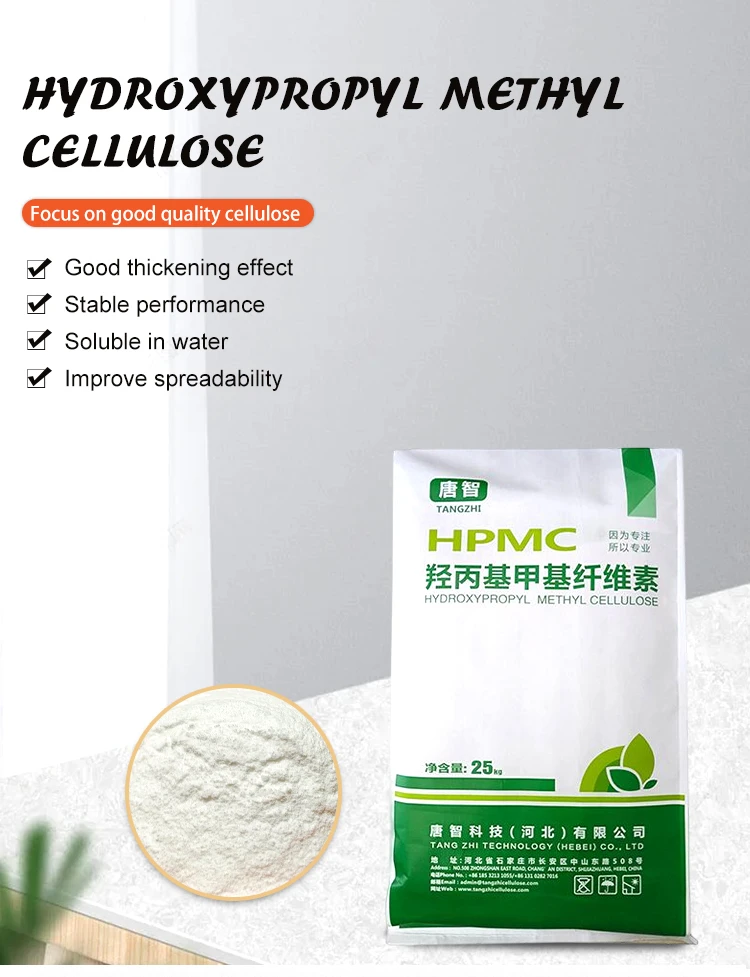
So, what is HPMC? In simple terms, it’s a semi-synthetic polymer derived from cellulose, meaning it's plant-based, then chemically modified to gain water solubility and unique functional properties. It’s widely used as a thickener, binder, film former, and stabilizer—kind of a jack-of-all-trades in countless industrial and commercial applications.
Why the Industry Loves HPMC
Frankly, the versatility of HPMC is astonishing. For starters, it’s non-toxic and biodegradable—which makes it a go-to ingredient for pharmaceuticals and food additives. But in my line of work, I mostly see it in construction materials. It improves water retention, workability, and adhesion in cement-based products like tile adhesives, plaster, and mortar. Many engineers I've worked with swear by it for preventing cracking and improving application ease.
Beyond that, it adapts well to varied climates and working conditions. I recall a project where we used HPMC-modified mortar in a region with intense heat and wind; the product performance exceeded expectations. It’s often the small ingredient behind a big success.
A Quick Look at HPMC’s Key Properties
| Property | Value / Detail |
|---|---|
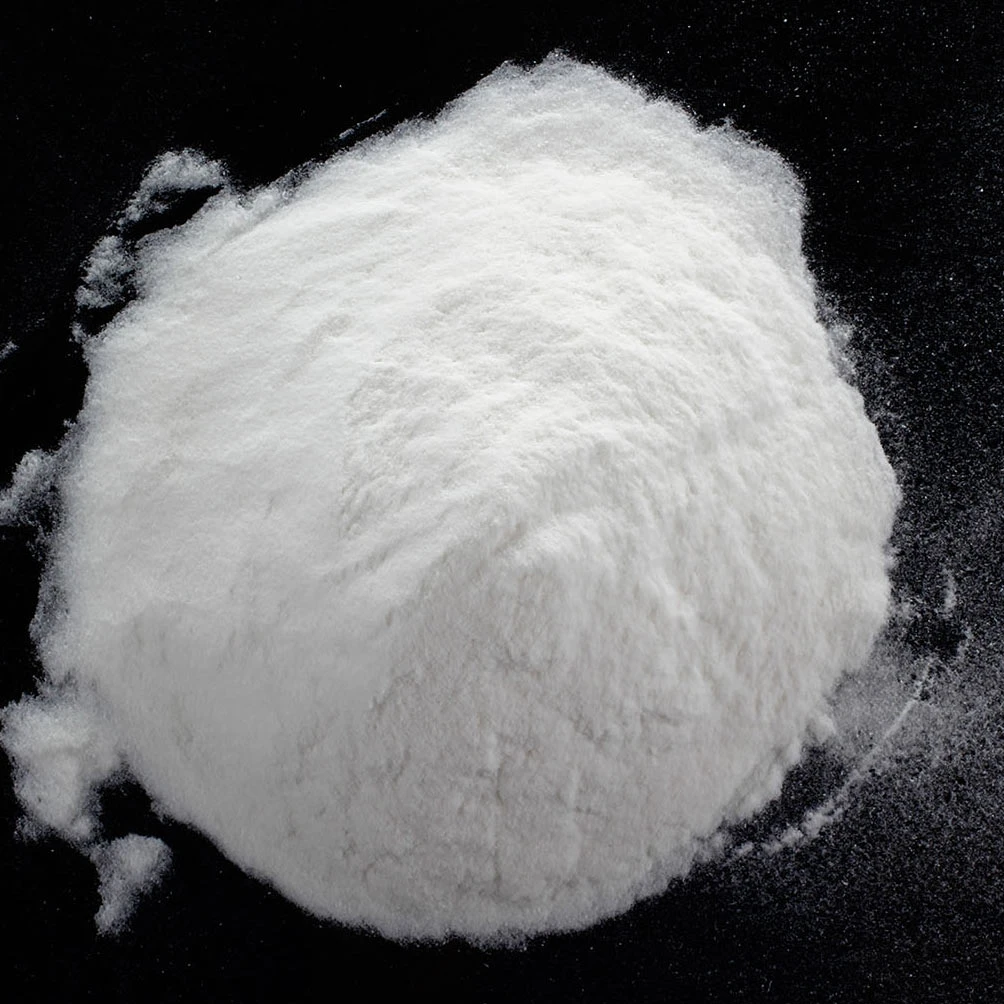
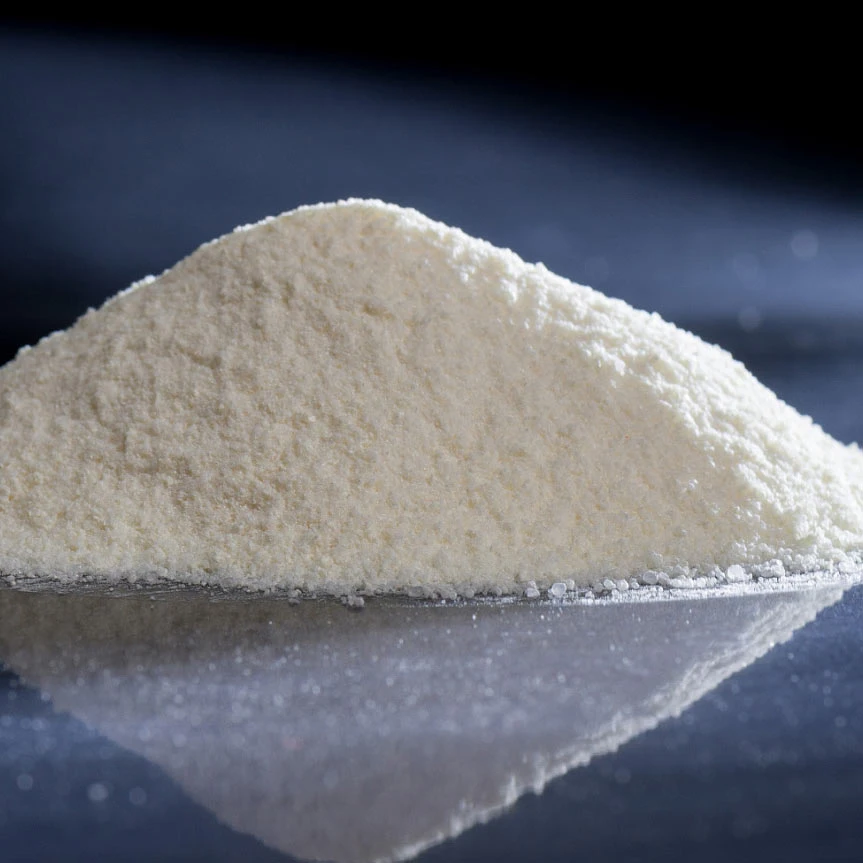
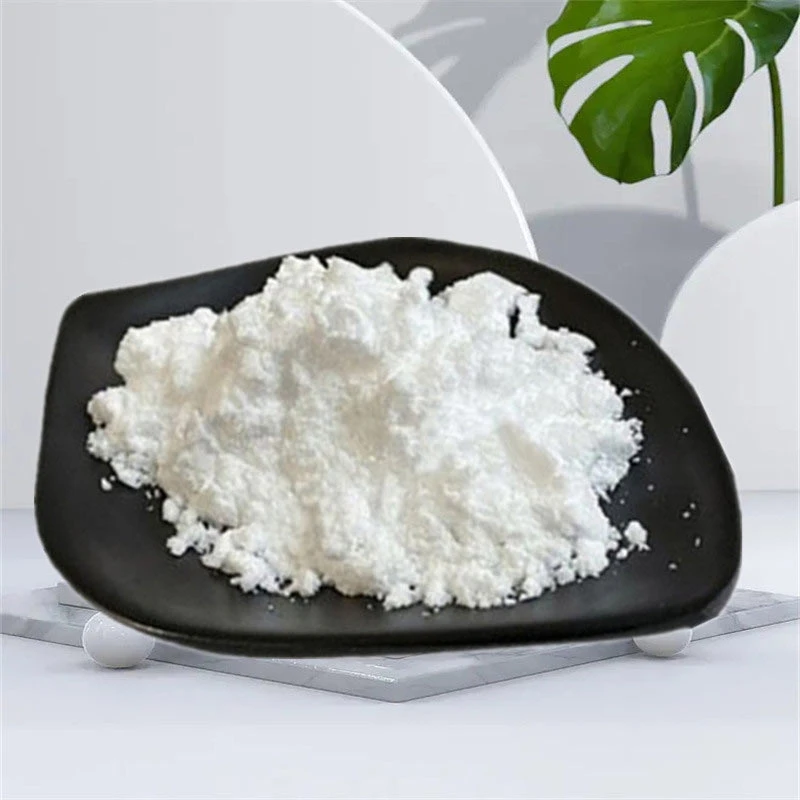
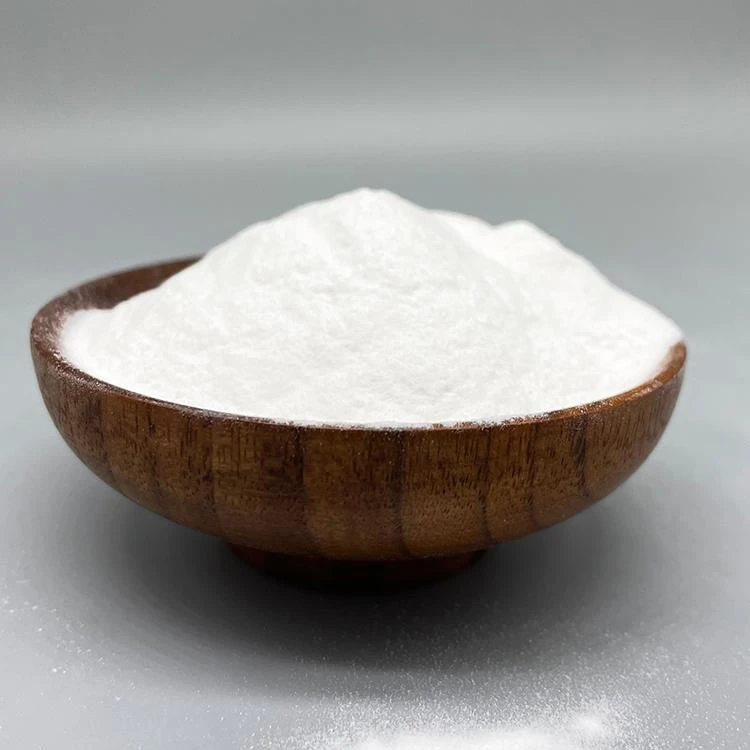
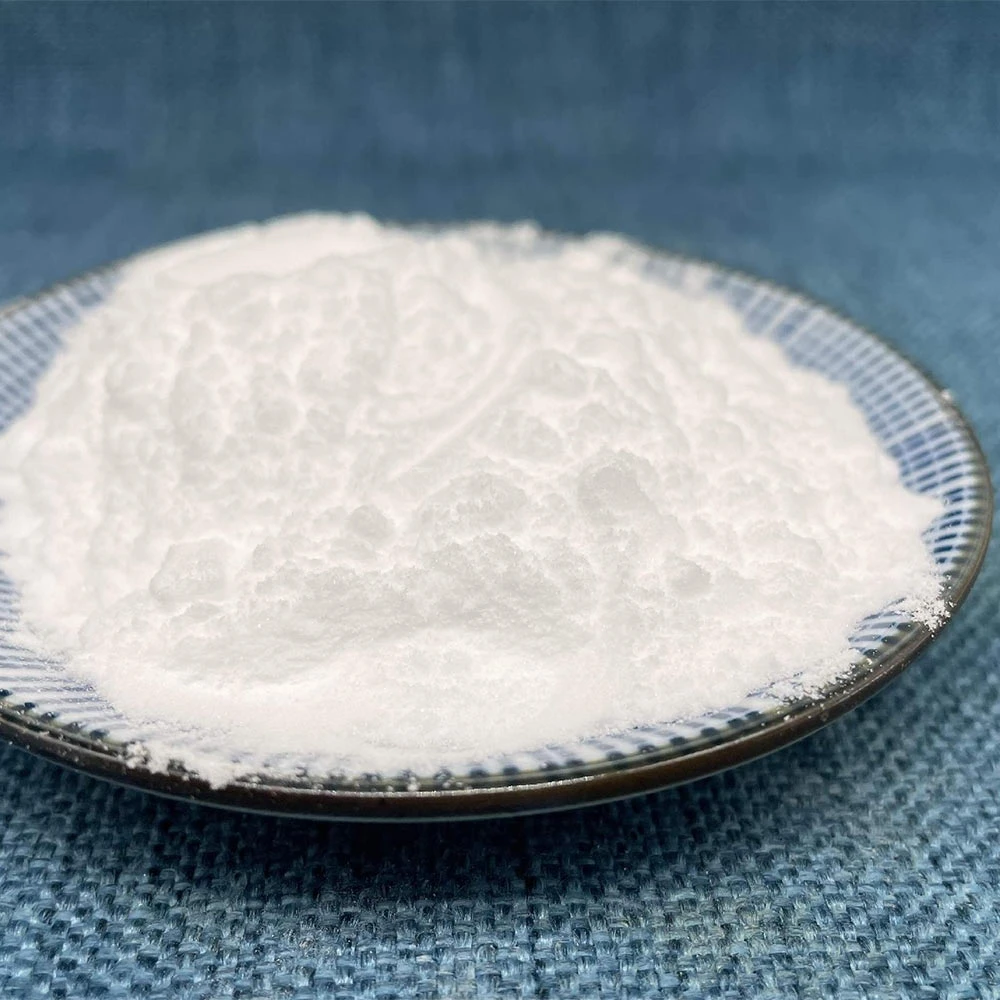
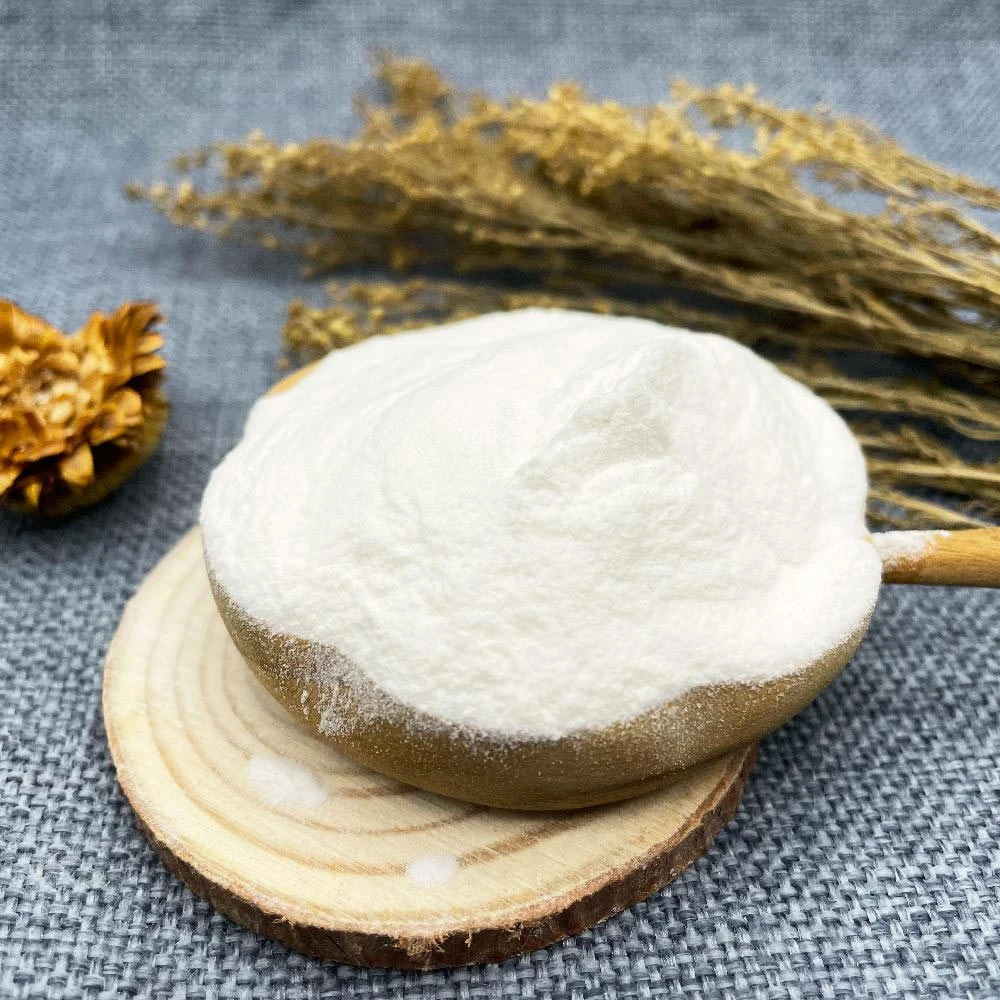
| Appearance | White or light yellow powder |
| Solubility | Cold water soluble |
| Viscosity Range | 10,000 to 200,000 mPa·s (varies by grade) |
| PH Stability | Stable between 3 - 11 |
| Moisture Content | ≤ 5% |
| Typical Uses | Construction, pharma, food, cosmetics |
How Does It Stack Up? A Vendor Comparison
Now, not all HPMC suppliers are cut from the same cloth. For companies looking to integrate HPMC into their products, selecting the right vendor is crucial. Here’s a quick comparison I compiled from my industry experience:
| Vendor | Grade Range | Typical Price (USD/kg) | Product Consistency | Technical Support |
|---|---|---|---|---|
| Tangzhi | Wide (10k-200k mPa·s) | 1.5 - 2.5 | High (batch-to-batch consistency) | Excellent, technical team on call |
| Competitor A | Narrow (30k-100k mPa·s) | 2.0 - 3.0 | Moderate | Limited, mostly documentation |
| Competitor B | Wide (15k-150k mPa·s) | 2.2 - 3.2 | Good | Average, with some on-site visits |
I’ve personally worked with Tangzhi HPMC in several projects and, if I’m honest, reliability and the quick technical feedback often make the difference—not just the specs on paper.
Customization? It’s Often Possible
Another interesting tidbit from the trenches: many suppliers, including Tangzhi, offer customizable grades. So, if your application requires a specific viscosity or setting profile, discussing it upfront can save you loads of hassle. I remember a client who needed ultra-fine tuning for a pharmaceutical tablet coating; the ability to specify viscosity and purity made all the difference.
Final Thoughts on HPMC
To sum up, HPMC is, well, a bit of an unsung hero. Whether you’re mixing mortars in a dusty job site or formulating cutting-edge pharma products, its subtle properties are vital. If you’re exploring new suppliers or products, consider your required performance, batch consistency, and support—those factors usually outweigh the price tag.
It’s one of those ingredients that quietly supports entire product lines behind the scenes. You might not see it spotlighted in ads, but if it’s missing, you’ll definitely notice.
Thanks for reading this little industry insider’s reflection on HPMC. Sometimes, it’s the small things that build the biggest foundations.
References
- Industry reports on cellulose ethers and construction additives, 2023
- Personal experience working with construction materials and pharmaceutical excipients
- Technical data sheets from leading HPMC manufacturers
-
Exploring the Benefits of Hydroxyethyl Cellulose in Cosmetics FormulationsNewsJan.30,2026
-
Comprehensive Guide to Hydroxyethyl Cellulose Gel Properties and Industrial ApplicationsNewsJan.28,2026
-
Enhancing Hair Care Formulations with Hydroxyethyl Cellulose for HairNewsJan.27,2026
-
Exploring Hydrophobically Modified Hydroxyethyl Cellulose and Its Diverse ApplicationsNewsJan.27,2026
-
Understanding Hydroxyethyl Cellulose Structure: Benefits & Industry Insights | Tangzhi HPMCNewsJan.06,2026
-
Hydroxyethyl Cellulose Solubility in Water: Expert Insights & SpecsNewsJan.06,2026