Comprehensive Guide to Hemc Cellulose: Industrial Benefits & Market Insights
Hemc Cellulose is a key solution in the industry, specifically within various manufacturing and chemical processing sectors. This article explores how https://www.tangzhihpmc.com supports professionals with durable, high-performance products, and explains why this product is an ideal choice for businesses in these sectors.
Table of Contents
- Hemc Cellulose Overview
- Benefits & Use Cases of Hemc Cellulose
- Cost, Maintenance & User Experience
- Sustainability & Market Trends
Hemc Cellulose Overview
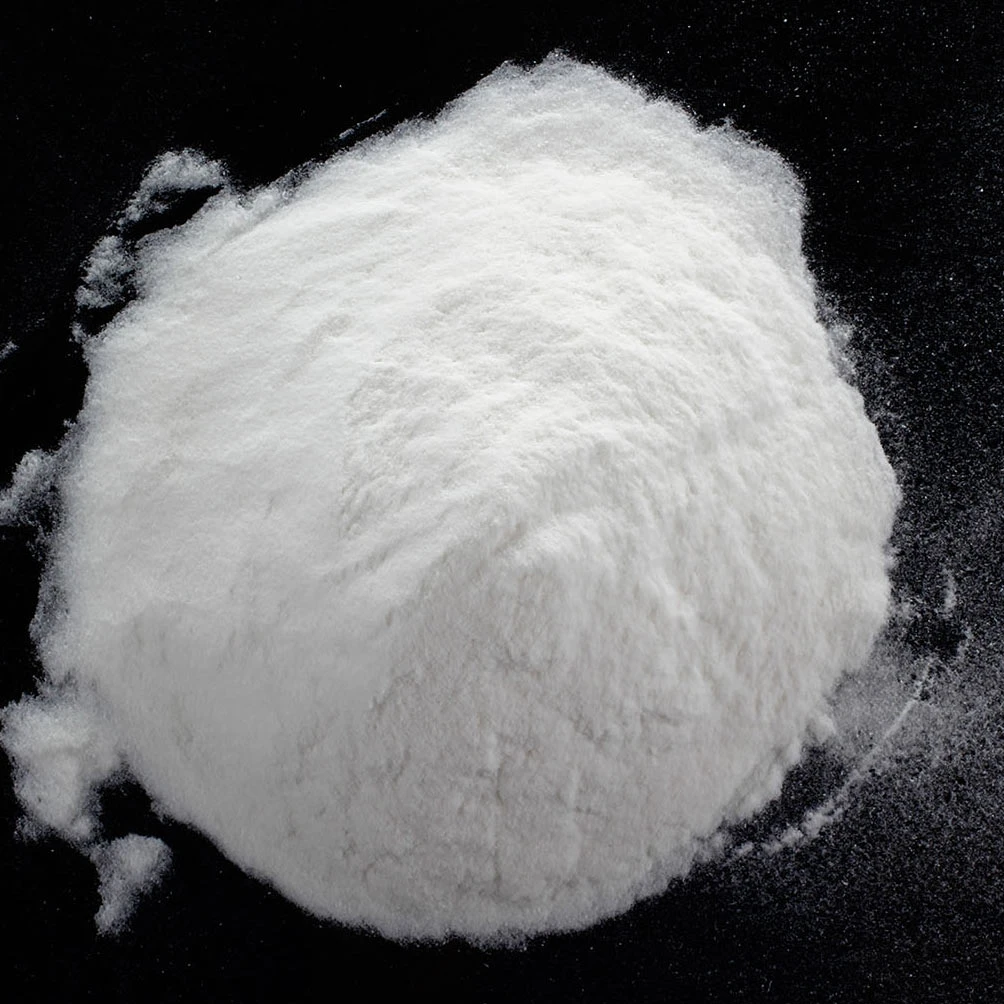
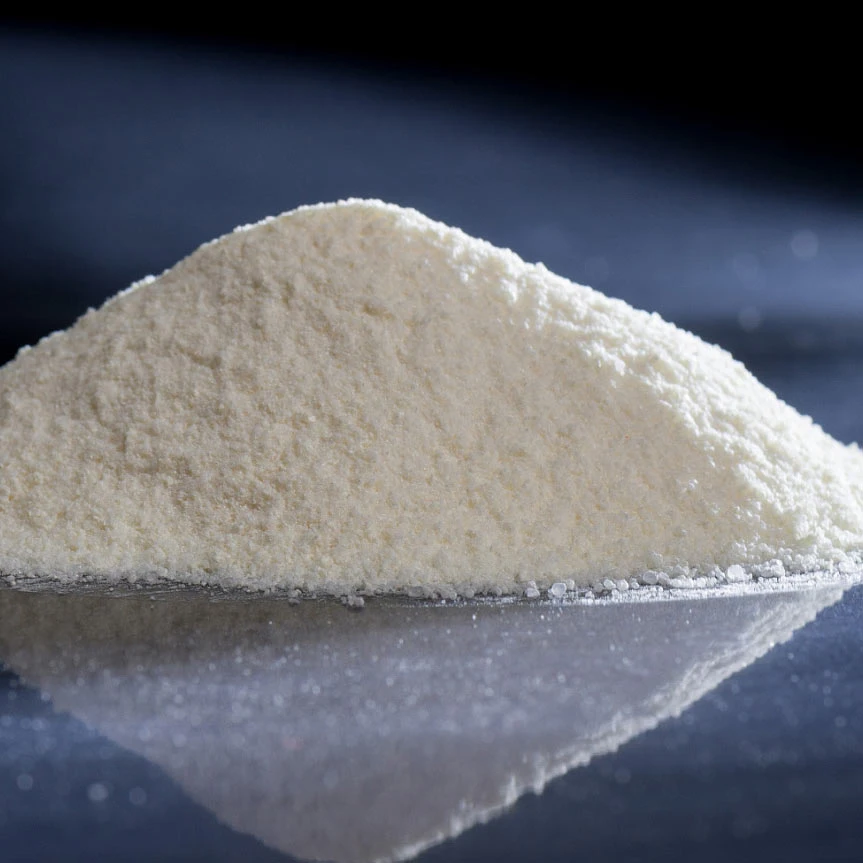
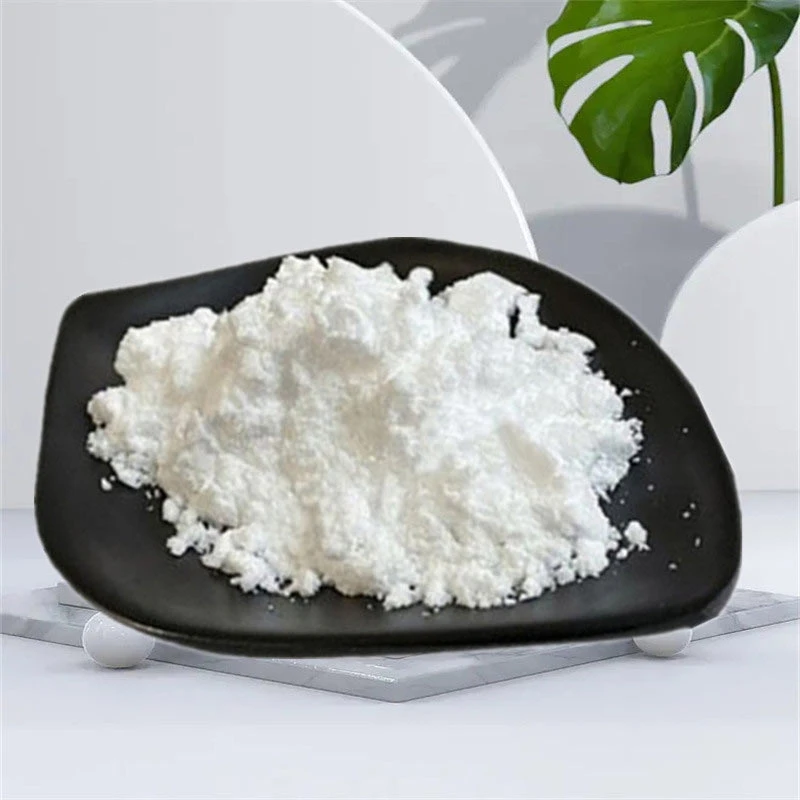
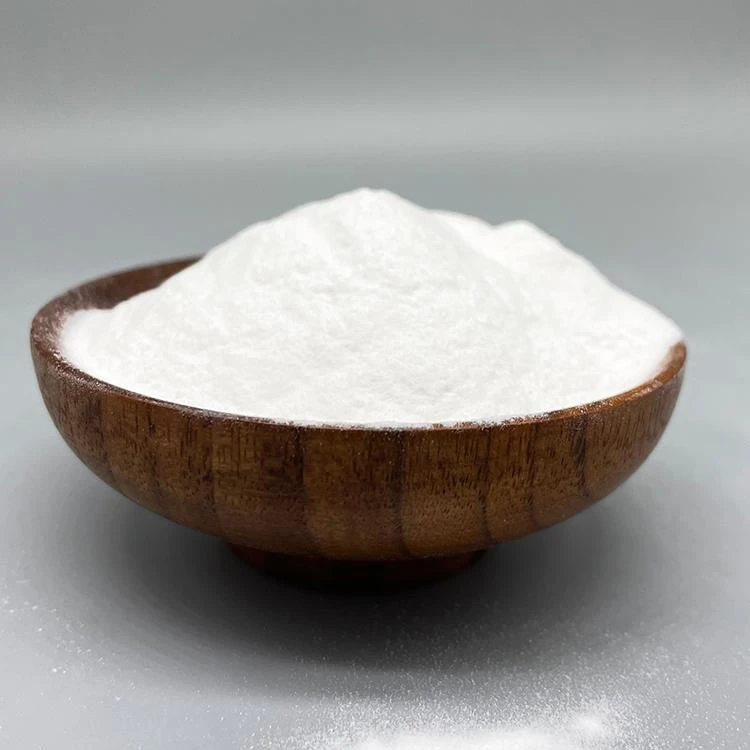
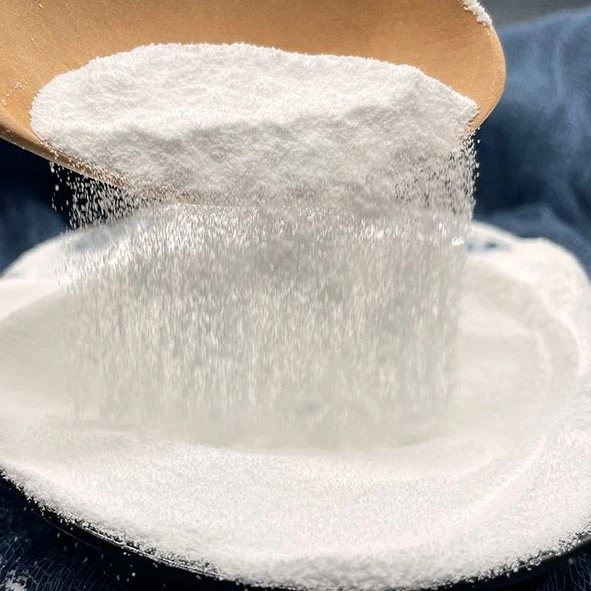
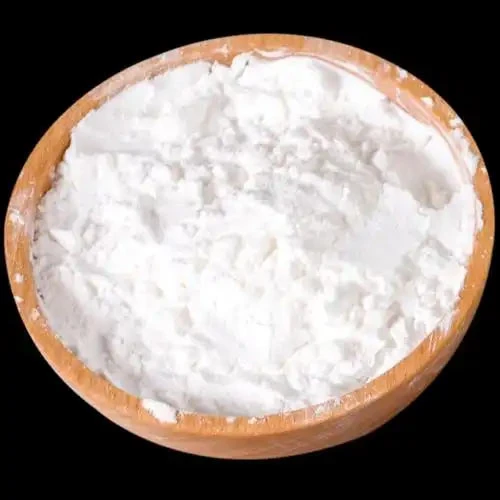
If you’re stepping into the world of industrial polymers, Hemc Cellulose often pops up as a staple. Essentially, this is hydroxyethyl methyl cellulose—a derivative of cellulose chemically treated to gain unique properties like solubility in cold water and excellent thickening behavior. Why does that matter? Well, for industries ranging from construction to paints and even pharmaceuticals, these characteristics are vital. It’s fascinating how this compound, sourced from natural cellulose, is chemically modified to achieve such versatility.
Technically, Hemc Cellulose boasts a molecular weight that typically ranges in the tens of thousands, contributing to its ability to form gels and films. According to data from https://www.tangzhihpmc.com, their variants maintain consistent viscosity profiles and thermal stability, which, frankly, makes processing a lot smoother. There’s a particular case study I recall—a European coatings manufacturer adopted Hemc Cellulose to optimize their product’s application ease while enhancing surface finish. The results were notable, reducing production times by 15%.
| Property | Value | Unit |
|---|---|---|
| Viscosity (2% aqueous solution) | 1000 - 5000 | mPa·s |
| pH Range | 5.0 - 8.0 | - |
| Methoxy Content | 28 – 30 | % w/w |
| Hydroxyethyl Content | 6 – 7 | % w/w |
Benefits & Use Cases of Hemc Cellulose
One of the reasons Hemc Cellulose has a loyal following in the B2B world stems from its adaptable nature. In industries like adhesives, construction, and personal care, it acts as a thickener, binder, and stabilizer. The key here is not just its mechanical properties but also how it behaves chemically—it’s compatible with a wide array of formulations, which frankly isn’t the case for all cellulose derivatives.
For example, in cement mortars and plasters, it improves water retention and workability, which means smoother application and less cracking. In personal care, its ability to boost viscosity while remaining gentle to skin has led to its inclusion in lotions and shampoos. One competitive advantage to highlight is how Hemc Cellulose can be tailored with specific viscosity grades, making it fit for everything from lightweight sprays to heavy-duty industrial coatings.
Cost, Maintenance & User Experience
When it comes to cost-effectiveness, Hemc Cellulose offers a solid return on investment, if you think about total cost of ownership rather than just initial price. This is often overlooked. The product's durability in formulations typically means less frequent replacements or downtimes—something many production heads insist is a game-changer.
User feedback, especially within the coatings sector, consistently points to improved processing stability and fewer product failures, which in real terms translates to operational savings. Plus, because it’s fairly straightforward to integrate into existing production lines, the maintenance overhead is low. Many clients I’ve spoken with from Asia to Europe mention how the supplier’s support, like that at https://www.tangzhihpmc.com, with technical service is a plus that shouldn’t be underestimated.
Sustainability & Market Trends
Sustainability is no longer a buzzword—it's a concrete driver in raw material choices. Hemc Cellulose’s origin in renewable cellulose makes it naturally attractive as industries pivot to more eco-friendly solutions. Regulatory frameworks in Europe and North America increasingly favor materials with a lower environmental impact, which arguably positions Hemc Cellulose well ahead of some synthetic polymer competitors.
Market data suggests growth for cellulose ethers at around 5-7% annually worldwide, with demand spurred by innovations in green building materials and biodegradable product formulations. Oddly enough, this resurgence in “traditional” materials, but with modern tweaks, is driven by both consumer preference and stricter environmental policies.
| Feature | Tangzhi HPMC | Competitor A | Competitor B |
|---|---|---|---|
| Viscosity Range | 1000 - 5000 mPa·s | 800 - 4500 mPa·s | 1200 - 4000 mPa·s |
| Customization Options | Wide range | Limited | Moderate |
| Technical Support | Comprehensive | Basic | Moderate |
| Sustainability Credentials | Certified Eco-friendly | Not Certified | Partial |
Frequently Asked Questions about Hemc Cellulose
- What is Hemc Cellulose and how does it work?
- Hemc Cellulose is a chemically modified form of natural cellulose that dissolves easily in water to increase viscosity. It works by forming a gel-like network in liquid formulations which helps with thickening, binding, or suspending other components.
- What are the main benefits of using Hemc Cellulose in industrial applications?
- It offers improved product consistency, enhanced durability, and flexibility in formulation. Plus, it is cost-effective and environmentally friendly compared to some synthetic alternatives.
- How does Hemc Cellulose compare to traditional alternatives?
- Compared to traditional cellulose ethers and synthetic thickeners, Hemc Cellulose often provides better water retention, thermal stability, and ease of use, making it a go-to for modern industrial formulations.
- What industries can benefit most from Hemc Cellulose implementation?
- Industries such as construction, paints and coatings, personal care, pharmaceuticals, and adhesives have found Hemc Cellulose extremely valuable for optimizing product performance.
Conclusion on Hemc Cellulose from china
In essence, Hemc Cellulose stands out as a robust and adaptable ingredient that helps industries raise the bar on quality and sustainability. With consistent specifications, extensive customization, and solid support from providers like those at https://www.tangzhihpmc.com, it’s a no-brainer for businesses aiming for long-term success. I suppose the real win here is that it combines performance with environmental consciousness—a rare pairing these days.
- Recap the value of Hemc Cellulose.
- - Visit our website: https://www.tangzhihpmc.com
This overview reflects my years working alongside industrial chemists and materials scientists. It’s always intriguing how a traditional material like cellulose keeps evolving thanks to smart chemistry — sustainable and effective, all in one.
- Industrial polymers and their applications – Journal of Industrial Chemistry, 2022
- Global cellulose ethers market insights – MarketWatch, 2023
- Tangzhi HPMC technical datasheets and case studies – tangzhihpmc.com
-
Exploring the Benefits of Hydroxyethyl Cellulose in Cosmetics FormulationsNewsJan.30,2026
-
Comprehensive Guide to Hydroxyethyl Cellulose Gel Properties and Industrial ApplicationsNewsJan.28,2026
-
Enhancing Hair Care Formulations with Hydroxyethyl Cellulose for HairNewsJan.27,2026
-
Exploring Hydrophobically Modified Hydroxyethyl Cellulose and Its Diverse ApplicationsNewsJan.27,2026
-
Understanding Hydroxyethyl Cellulose Structure: Benefits & Industry Insights | Tangzhi HPMCNewsJan.06,2026
-
Hydroxyethyl Cellulose Solubility in Water: Expert Insights & SpecsNewsJan.06,2026