Methyl Hydroxyethyl Cellulose Uses: Ultimate Guide for B2B Decision Makers
Methyl Hydroxyethyl Cellulose Uses is a key solution in the industry, specifically within sectors ranging from construction to personal care products. This article explores how https://www.tangzhihpmc.com supports professionals with durable, high-performance products, and explains why this product is an ideal choice for businesses in these sectors.
Table of Contents
- Methyl Hydroxyethyl Cellulose Uses Overview
- Benefits & Use Cases of Methyl Hydroxyethyl Cellulose Uses
- Cost, Maintenance & User Experience
- Sustainability & Market Trends
Methyl Hydroxyethyl Cellulose Uses Overview
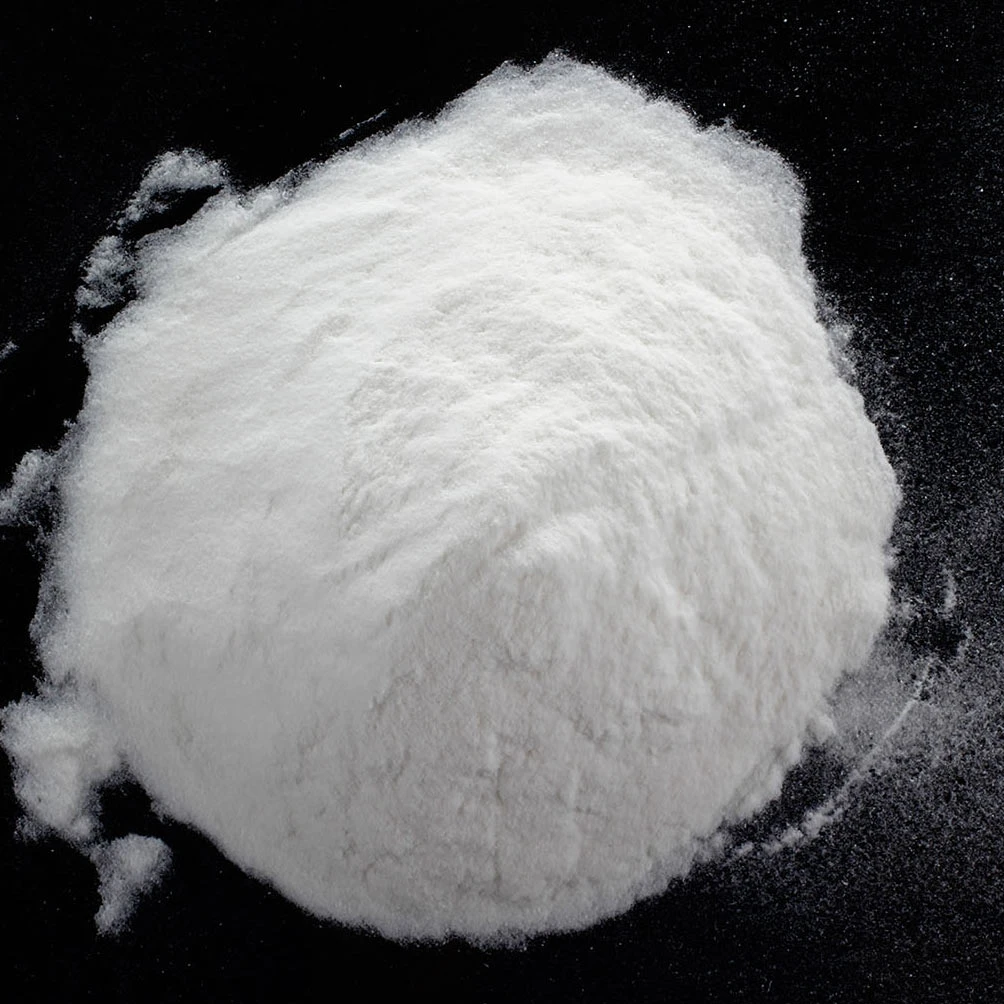
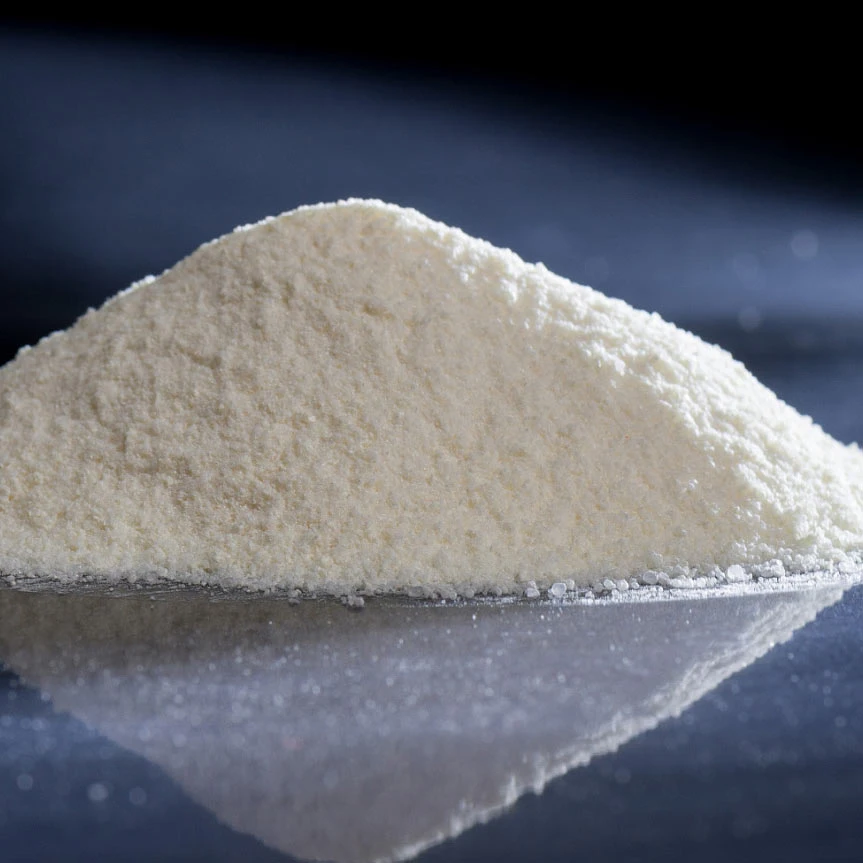
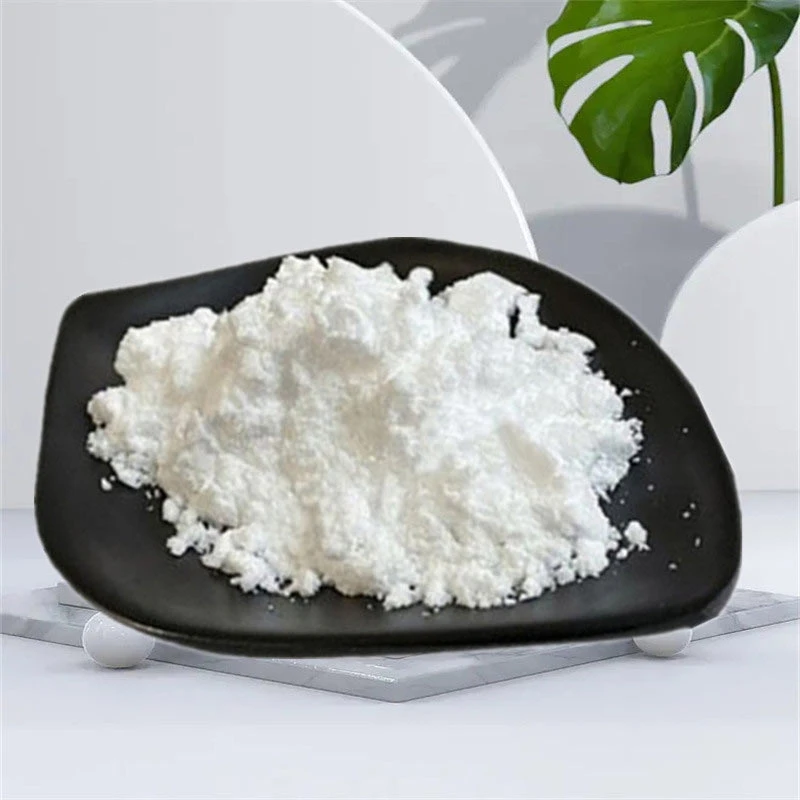
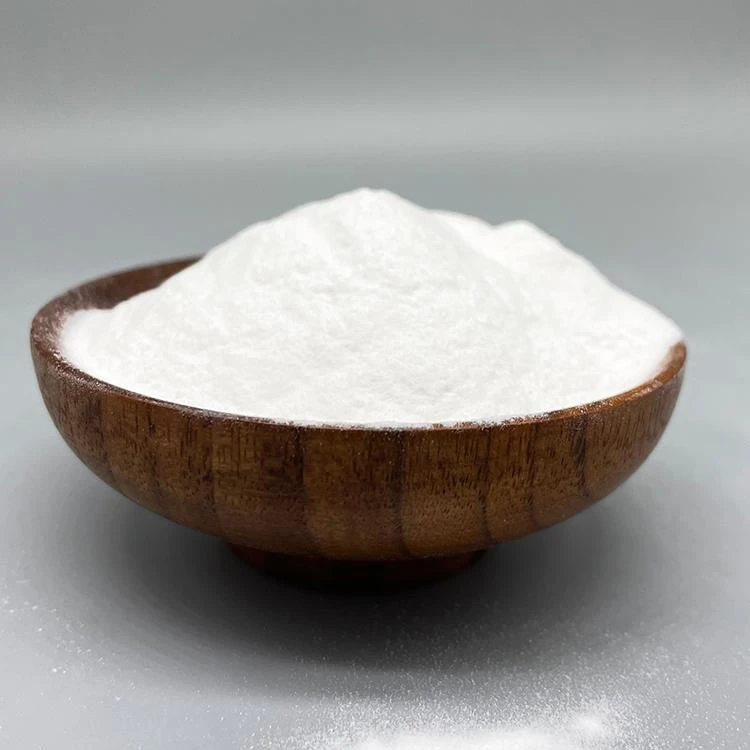
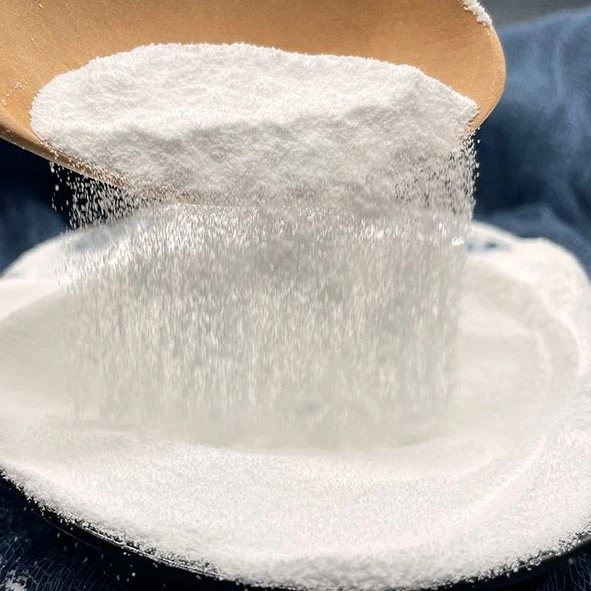
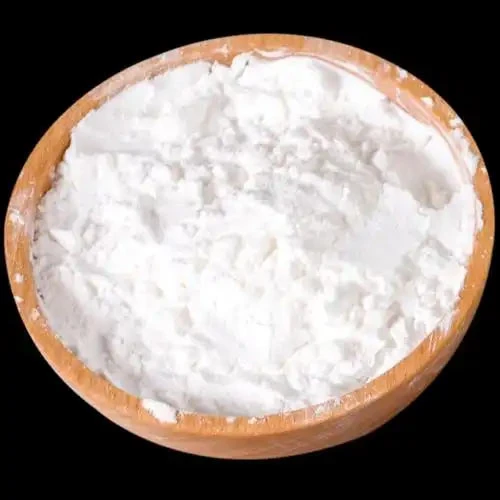
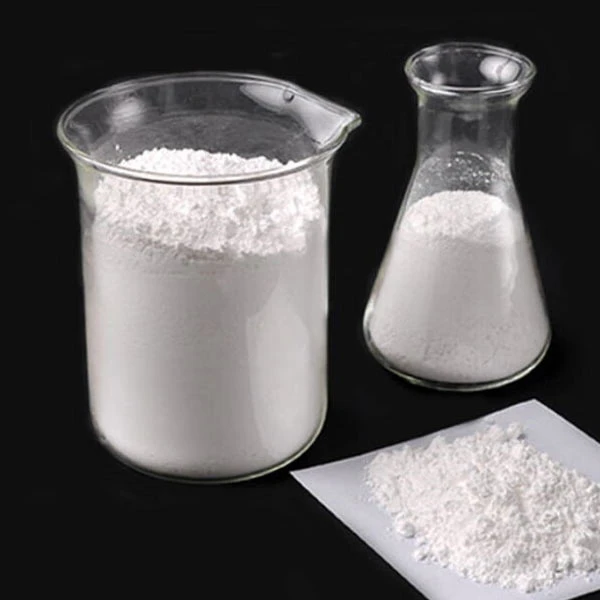
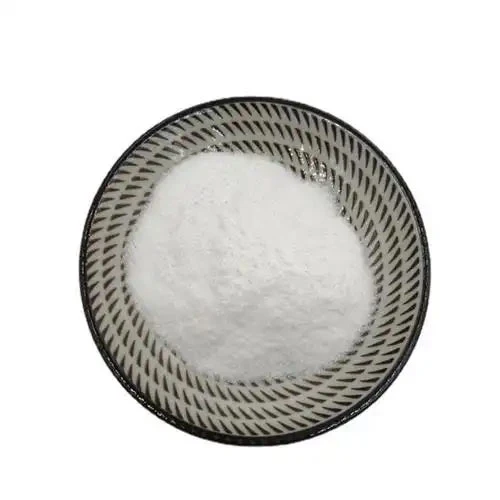
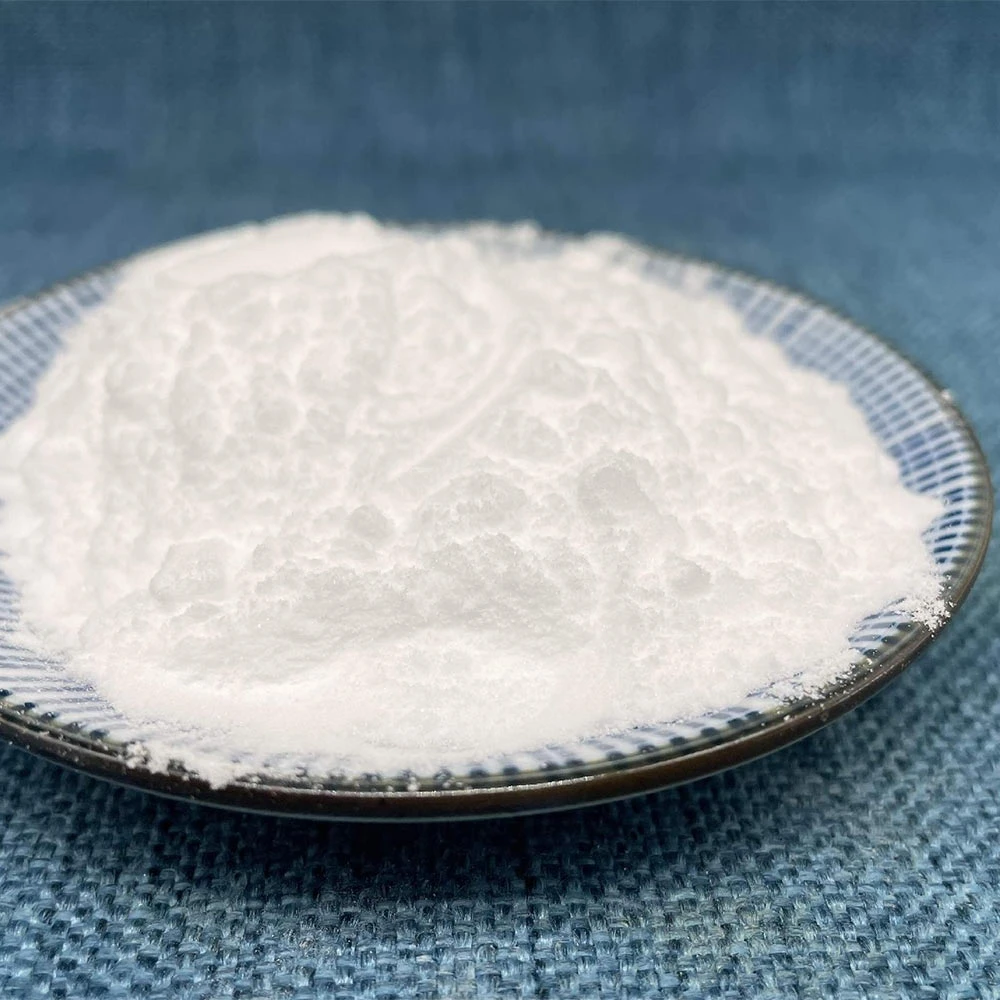
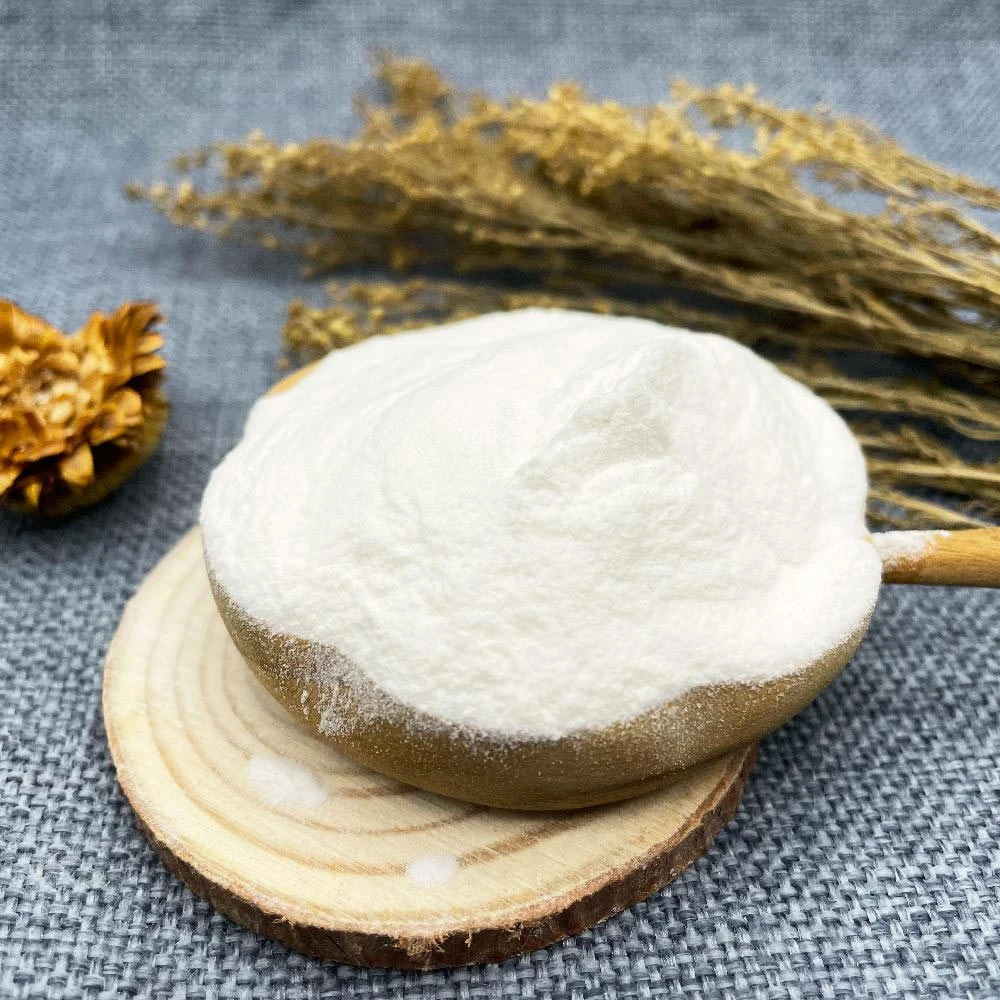
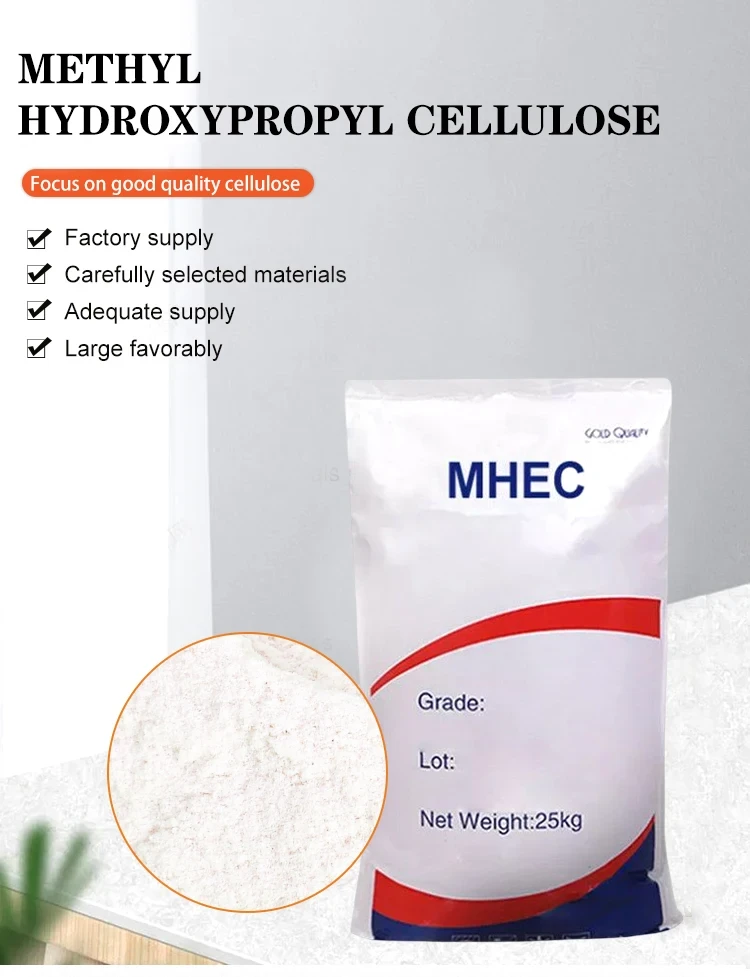
To put it simply, Methyl Hydroxyethyl Cellulose (MHEC) is a water-soluble polymer widely used as a thickening, binding, and film-forming agent. Its unique combination of methyl and hydroxyethyl groups on the cellulose backbone provides excellent stability and versatility — which frankly, is why many industries lean on it heavily.
- MHEC is valued for improving viscosity and workability in products like cement, adhesives, and cosmetics.
- Technically, it offers excellent thermal stability and water retention, important for product consistency under varying conditions.
- For example, a case study in tile adhesive manufacturing showed that using MHEC improved adhesion by 15% and maintained open time without compromising flow.
| Specification | Typical Range |
|---|---|
| Appearance | White Powder |
| Methoxy Content | 19-24% |
| Hydroxyethyl Content | 17-25% |
| Viscosity (2%, 20°C) | 1000-8000 mPa.s |
| pH (2% solution) | 7.0-9.0 |
Benefits & Use Cases of Methyl Hydroxyethyl Cellulose Uses
Industries like construction, paints, adhesives, and personal care have found MHEC’s performance quite indispensable. Oddly enough, its ability to balance thickening for easy application with keeping flowability is a rare find. Think about tile adhesives: MHEC helps the adhesive stay flexible without cracking or drying too fast.
- In drywall compound formulations, it increases water retention and workability, reducing cracking during drying.
- In cosmetic creams, it acts as a stabilizer and thickener, improving texture and shelf-life.
- Compared to other cellulose ethers, MHEC offers better temperature tolerance and film strength.
| Vendor | Viscosity Range | Application Focus | Typical Price Range |
|---|---|---|---|
| Tangzhi Chemical | 1000-8000 mPa.s | Construction, Cosmetics | Competitive |
| Vendor B | 500-4000 mPa.s | Paints, Adhesives | Moderate |
| Vendor C | 2000-10000 mPa.s | Industrial, Specialty | Higher |
Cost, Maintenance & User Experience
When considering total cost of ownership, the durability and performance of MHEC often translate into fewer defects and less waste — which ultimately increases ROI. In real terms, customers in construction have reported up to 12% savings in materials because MHEC allows better product control and reduces the need for rework.
- MHEC-based formulations typically require lower maintenance due to stable viscosity and resistance to microbial growth.
- End users often praise the smooth consistency and ease of application, which can speed up work on-site or in manufacturing.
- Some companies also highlight the quick dispersion rate of Tangzhi’s product, reducing mixing time and labor costs.
Sustainability & Market Trends
Sustainability isn’t just a buzzword here. MHEC derives from cellulose, a natural polymer mainly sourced from wood pulp, making it renewable and biodegradable to an extent. The industry continues to push toward greener solutions, and MHEC’s compatibility with low-VOC (volatile organic compound) formulations aligns well with tightening environmental regulations.
- The global market for cellulose ethers, including MHEC, is expected to grow steadily, driven by increasing demand in construction and personal care.
- Regulatory frameworks in Europe and North America support the adoption of bio-based materials, enhancing MHEC’s market prospects.
- Interestingly, innovation around MHEC formulations is ongoing, focusing on improved efficiency and lower environmental impact.
Frequently Asked Questions about Methyl Hydroxyethyl Cellulose Uses
- What is Methyl Hydroxyethyl Cellulose Uses and how does it work?
- Methyl Hydroxyethyl Cellulose is a chemical additive derived from cellulose, modified to improve water solubility and functionality. It works mainly by thickening and stabilizing mixtures, enabling consistent texture and durability in various products.
- What are the main benefits of using Methyl Hydroxyethyl Cellulose Uses in industrial applications?
- Key benefits include enhanced viscosity control, improved adhesion in construction materials, water retention in plaster and drywall compounds, and excellent film-forming properties in cosmetics and coatings.
- How does Methyl Hydroxyethyl Cellulose Uses compare to traditional alternatives?
- Compared to traditional cellulose ethers, MHEC offers superior thermal stability, higher water retention, and better film strength, resulting in longer-lasting products with better performance under stress.
- What industries can benefit most from Methyl Hydroxyethyl Cellulose Uses implementation?
- The construction industry, personal care product manufacturers, paints and coatings producers, and even specialty adhesives companies find it extremely beneficial due to its multifunctional properties.
Conclusion on Methyl Hydroxyethyl Cellulose Uses from china
All in all, Methyl Hydroxyethyl Cellulose remains a standout solution for industries looking to improve product performance without compromising eco-consciousness or cost efficiency. Suppliers like Tangzhi Chemical offer tailor-made, consistent quality MHEC that meets today's stringent demands. If you’re scouting for reliable cellulose ethers that strike the right balance across application, cost, and sustainability, this product is certainly worth your attention.
- Recap the value of Methyl Hydroxyethyl Cellulose Uses.
- - Visit our website: https://www.tangzhihpmc.com
It always feels like these cellulose ethers quietly do the hard work behind the scenes, but their impact on everyday industrial and consumer products is profound. As markets evolve, keep an eye on how MHEC adapts — there’s surely more innovation coming down the pipeline.
-
Exploring the Benefits of Hydroxyethyl Cellulose in Cosmetics FormulationsNewsJan.30,2026
-
Comprehensive Guide to Hydroxyethyl Cellulose Gel Properties and Industrial ApplicationsNewsJan.28,2026
-
Enhancing Hair Care Formulations with Hydroxyethyl Cellulose for HairNewsJan.27,2026
-
Exploring Hydrophobically Modified Hydroxyethyl Cellulose and Its Diverse ApplicationsNewsJan.27,2026
-
Understanding Hydroxyethyl Cellulose Structure: Benefits & Industry Insights | Tangzhi HPMCNewsJan.06,2026
-
Hydroxyethyl Cellulose Solubility in Water: Expert Insights & SpecsNewsJan.06,2026