Comprehensive Guide to Hmec: Benefits, Costs, and Industry Applications
Hmec is a key solution in the industry, specifically within manufacturing and chemical processing sectors. This article explores how https://www.tangzhihpmc.com supports professionals with durable, high-performance products, and explains why this product is an ideal choice for businesses in these sectors.
Table of Contents
- Hmec Overview
- Benefits & Use Cases of Hmec
- Cost, Maintenance & User Experience
- Sustainability & Market Trends
Hmec Overview
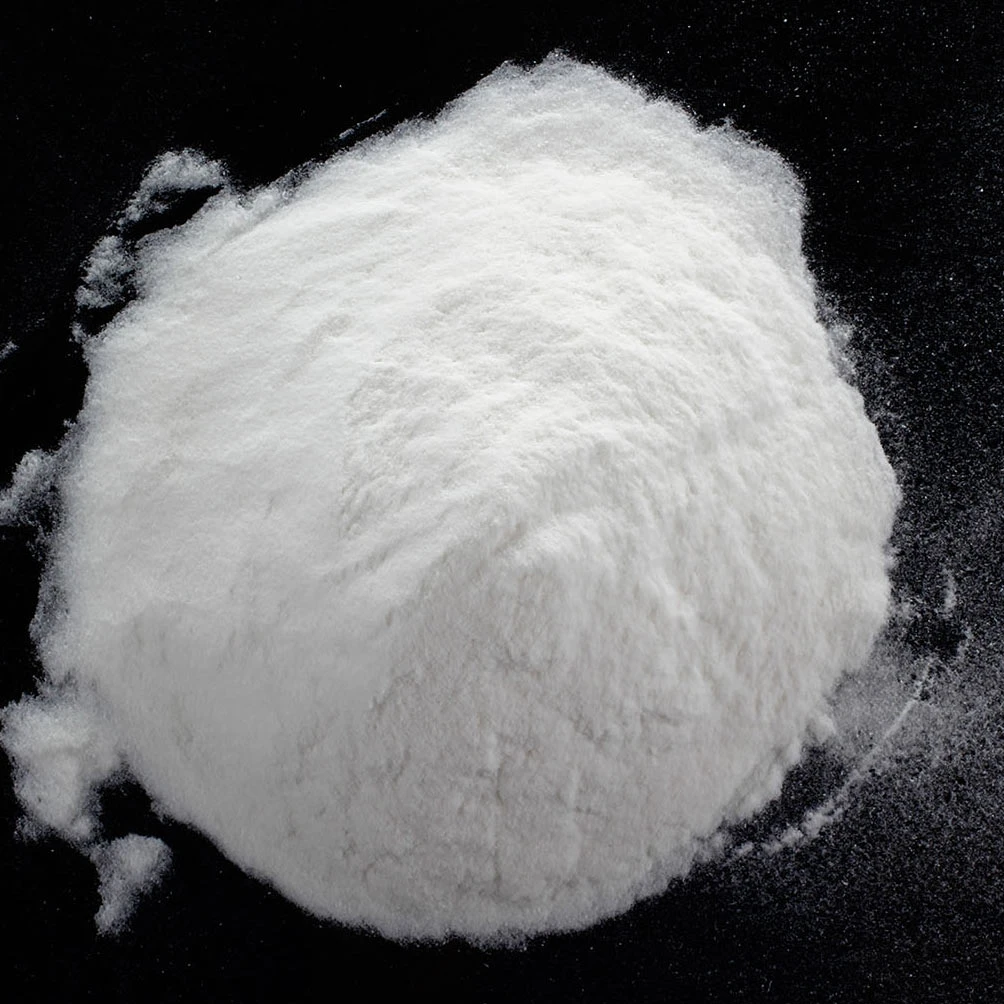
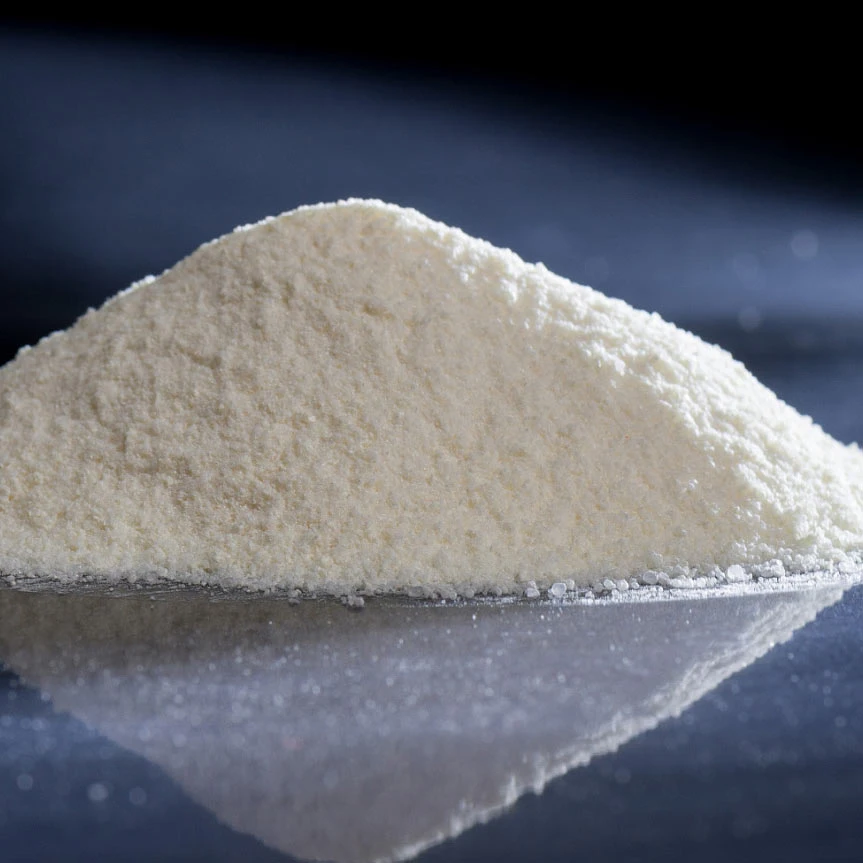
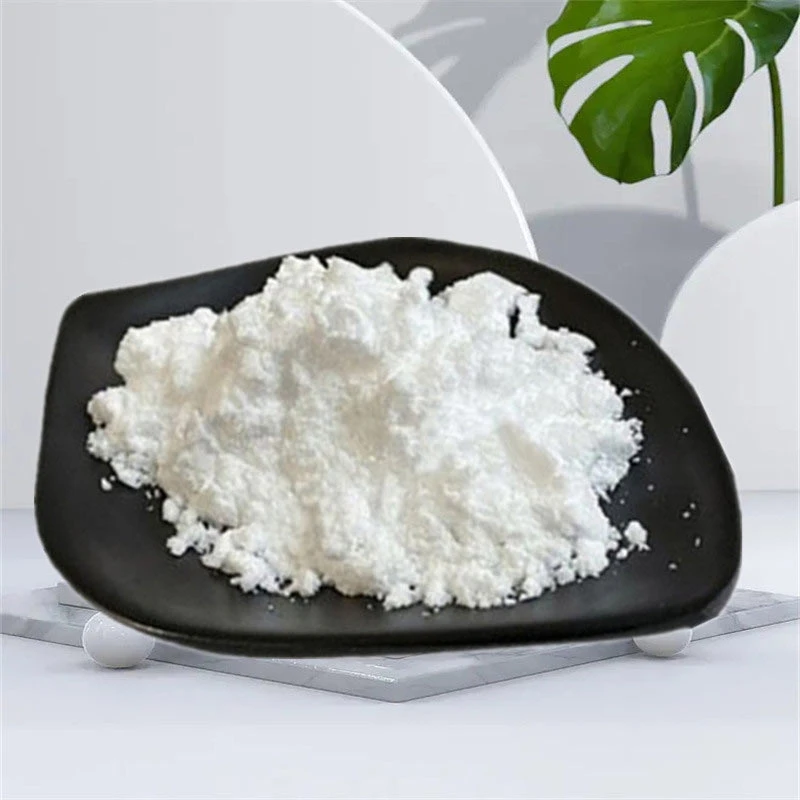
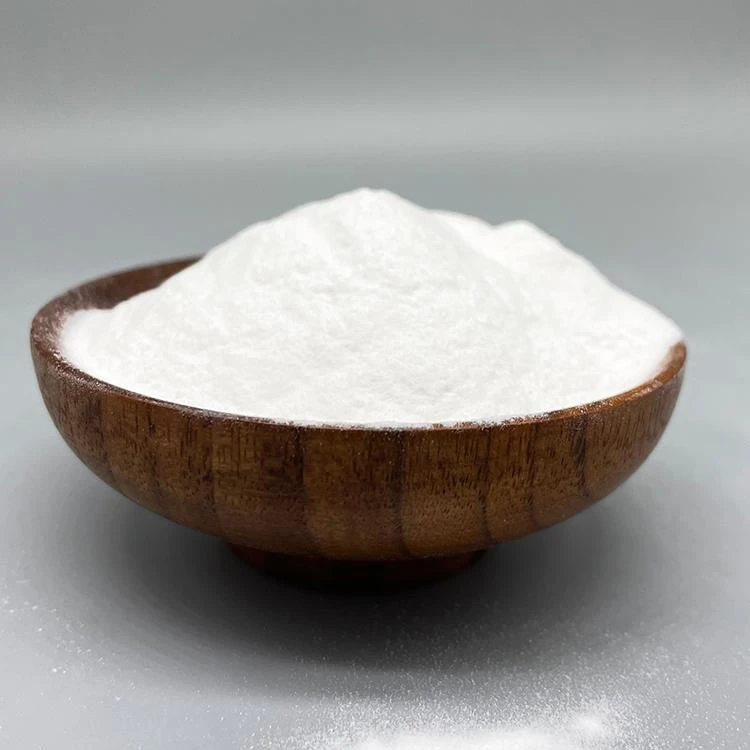
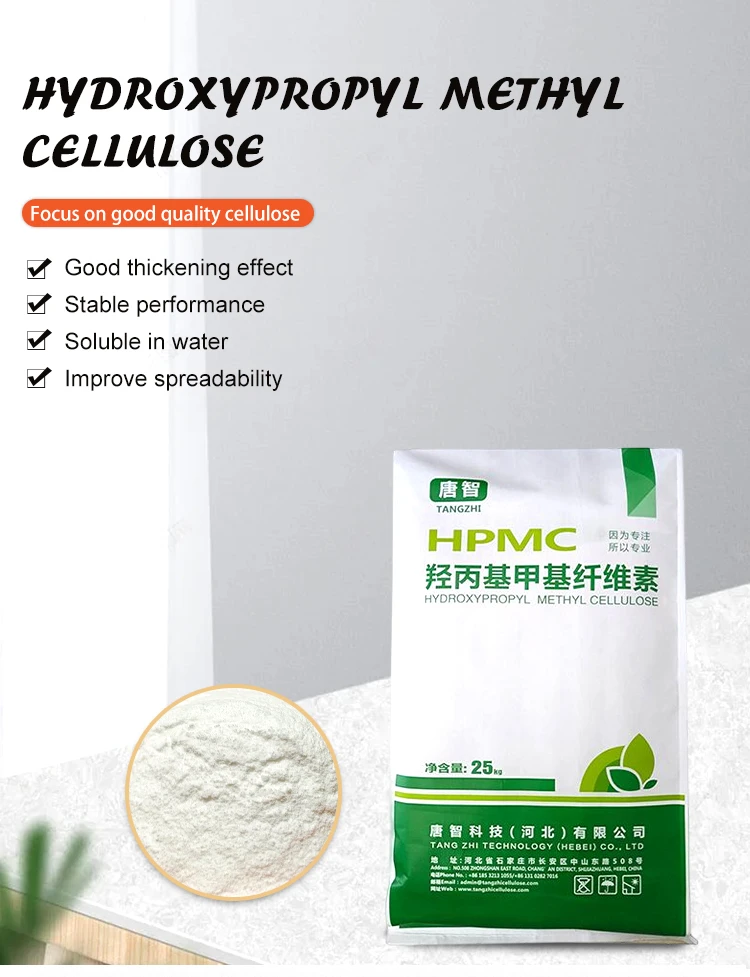
Hmec is a specialized product widely recognized for enhancing process efficiency and product stability in industrial applications. At its core, Hmec serves as a hydroxypropyl methylcellulose derivative, known for its excellent thickening, binding, and film-forming properties. Frankly, this combination of traits makes it a linchpin in sectors like paints, adhesives, and pharmaceuticals.
- Hmec is chemically designed to improve viscosity and provide durable film coatings.
- Typical specs include a viscosity range of 2000-40000 mPa·s and a substitution degree tuned for solubility and thermal stability.
- One notable case study from Tangzhi HPMC shows significant improvement in cement slurry stability using Hmec-enhanced formulations.
Benefits & Use Cases of Hmec
The real charm of Hmec lies in its versatility. In real terms, it’s not just a thickener; it also improves the quality and durability of end products. Its use spans across coatings, wall putties, and even food packaging, where stability and form retention are crucial.
- In paints and coatings, Hmec enhances water retention which reduces cracking and improves finish quality.
- Adhesive manufacturers appreciate its binding properties, improving substrate adhesion and flexibility.
- Compared to some alternatives, Hmec boasts higher thermos-stability and solubility which translate to better performance under environmental stresses.
| Property | Range/Value | Notes |
|---|---|---|
| Viscosity (mPa·s) | 2,000 - 40,000 | Measured at 2% aqueous solution, 20°C |
| Moisture Content (%) | 5% max | Ensures stability on storage |
| pH (1% solution) | 5 - 8 | Near neutral, compatible with many formulations |
| Substitution Degree | 0.1 - 0.3 | Tailored for solubility and heat resistance |
Cost, Maintenance & User Experience
When it comes to cost, I suppose many B2B decision makers immediately think about upfront price—but with Hmec, you’re looking at the bigger picture. It’s about total cost of ownership. Its durability and performance reduce the need for frequent replacements or repair, which honestly makes a solid business case for ROI.
- Users report that formulations including Hmec require less frequent maintenance thanks to improved stability.
- Tangzhi HPMC offers tailored blends that minimize production downtime and waste.
- As one customer from the adhesives sector mentioned, switching to Hmec reduced defects by 15% within six months.
| Feature | Tangzhi HPMC | Competitor A | Competitor B |
|---|---|---|---|
| Product Range | Wide (various viscosity grades) | Limited (focused on low viscosity) | Moderate (mid-range viscosities) |
| Customization | Yes, tailored for clients | No | Limited options |
| Delivery Time | 7-10 days | 15+ days | 10-15 days |
| Price Competitiveness | Good balance | Higher | Lower, but variable quality |
Sustainability & Market Trends
Oddly enough, the push for sustainability has made cellulose derivatives like Hmec even more relevant. Being derived from natural polymers, these products align well with stricter environmental regulations and circular economy goals. Industry growth projections also point toward increased demand especially in eco-friendly coatings and biodegradable packaging.
- Regulatory bodies increasingly favor additives with low environmental impact.
- Hmec’s compatibility with bio-based plastics makes it a catalyst for R&D in sustainable product lines.
- The market trend is toward multi-functional additives that reduce the total chemical load.
Frequently Asked Questions about Hmec
- What is Hmec and how does it work?
- Hmec stands for hydroxypropyl methylcellulose, a modified cellulose polymer that works primarily as a thickener, binder, and film former. It dissolves in water forming viscous solutions that improve texture, stability, and adhesion in mixtures.
- What are the main benefits of using Hmec in industrial applications?
- The big perks include enhanced viscosity control, improved film formation that resists cracking, increased durability, and generally better product consistency—which all contribute to cost savings and product quality.
- How does Hmec compare to traditional alternatives?
- Compared to older additives like unmodified cellulose or synthetic thickeners, Hmec offers better thermal stability, solubility, and customizable substitution, making it more versatile and reliable in tough industrial environments.
- What industries can benefit most from Hmec implementation?
- Primarily, Hmec is widely used in construction materials, paints and coatings, adhesives, and even pharmaceuticals. Each sector appreciates its performance boost, whether it’s through improved mixture flow or product stability.
Conclusion on Hmec from china
To wrap up, Hmec truly represents a smart investment for B2B sectors needing reliability, performance, and sustainability rolled into one. It’s the kind of product that quietly upgrades your entire workflow once you integrate it. For more technical info and tailored solutions, visiting https://www.tangzhihpmc.com is the best next step.
- Recap the value of Hmec.
- - "Visit our website: https://www.tangzhihpmc.com"
Reflecting on Hmec’s growing footprint, it’s clear this product will only become more pivotal—both environmentally and economically—in the years ahead.
References:
1. Tangzhi HPMC Product Data Sheets
2. Industry Whitepapers on Cellulose Ethers
3. Market Reports on Sustainable Additives 2023
-
Exploring the Benefits of Hydroxyethyl Cellulose in Cosmetics FormulationsNewsJan.30,2026
-
Comprehensive Guide to Hydroxyethyl Cellulose Gel Properties and Industrial ApplicationsNewsJan.28,2026
-
Enhancing Hair Care Formulations with Hydroxyethyl Cellulose for HairNewsJan.27,2026
-
Exploring Hydrophobically Modified Hydroxyethyl Cellulose and Its Diverse ApplicationsNewsJan.27,2026
-
Understanding Hydroxyethyl Cellulose Structure: Benefits & Industry Insights | Tangzhi HPMCNewsJan.06,2026
-
Hydroxyethyl Cellulose Solubility in Water: Expert Insights & SpecsNewsJan.06,2026