Comprehensive Guide to Mhec Cellulose for B2B Industrial Applications
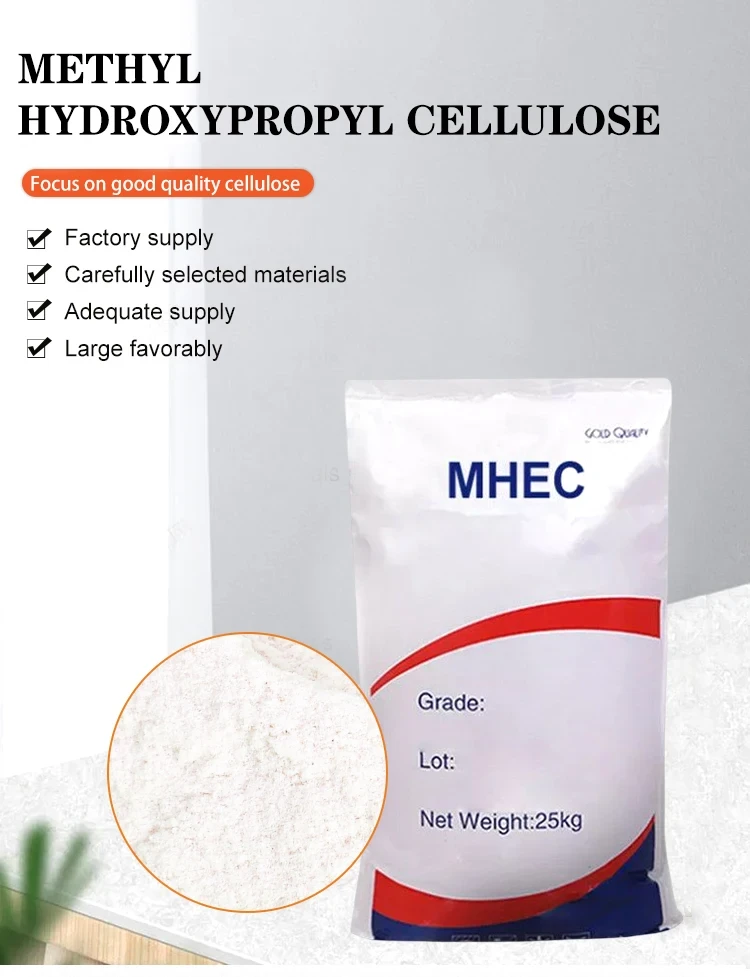
Mhec Cellulose is a key solution in the industry, specifically within sectors relying heavily on rheology modifiers and water retention agents. This article explores how Tangzhi HPMC’s Mhec Cellulose supports professionals with durable, high-performance products, and explains why this product is an ideal choice for businesses in these sectors.
Table of Contents
- Mhec Cellulose Overview
- Benefits & Use Cases of Mhec Cellulose
- Cost, Maintenance & User Experience
- Sustainability & Market Trends
Mhec Cellulose Overview
Mhec Cellulose, or methyl hydroxyethyl cellulose, plays a surprisingly versatile role as a water-soluble polymer derivative of cellulose. As a thickener, binder, and stabilizer, it’s widely embraced in industries ranging from construction to paints and coatings. The key, frankly, lies in its unique molecular structure which offers outstanding water retention and viscosity control, even under varying temperatures and pH levels. The folks using this stuff often highlight how it adapts — it’s kind of like a reliable but flexible partner in formulations.
- Mhec Cellulose chemically modifies natural cellulose, combining methyl and hydroxyethyl groups to achieve enhanced thickening properties.
- Typical viscosity ranges from 1000 to 8000 mPa·s, adjustable based on molecular weight and substitution degree.
| Specification | Typical Value |
|---|---|
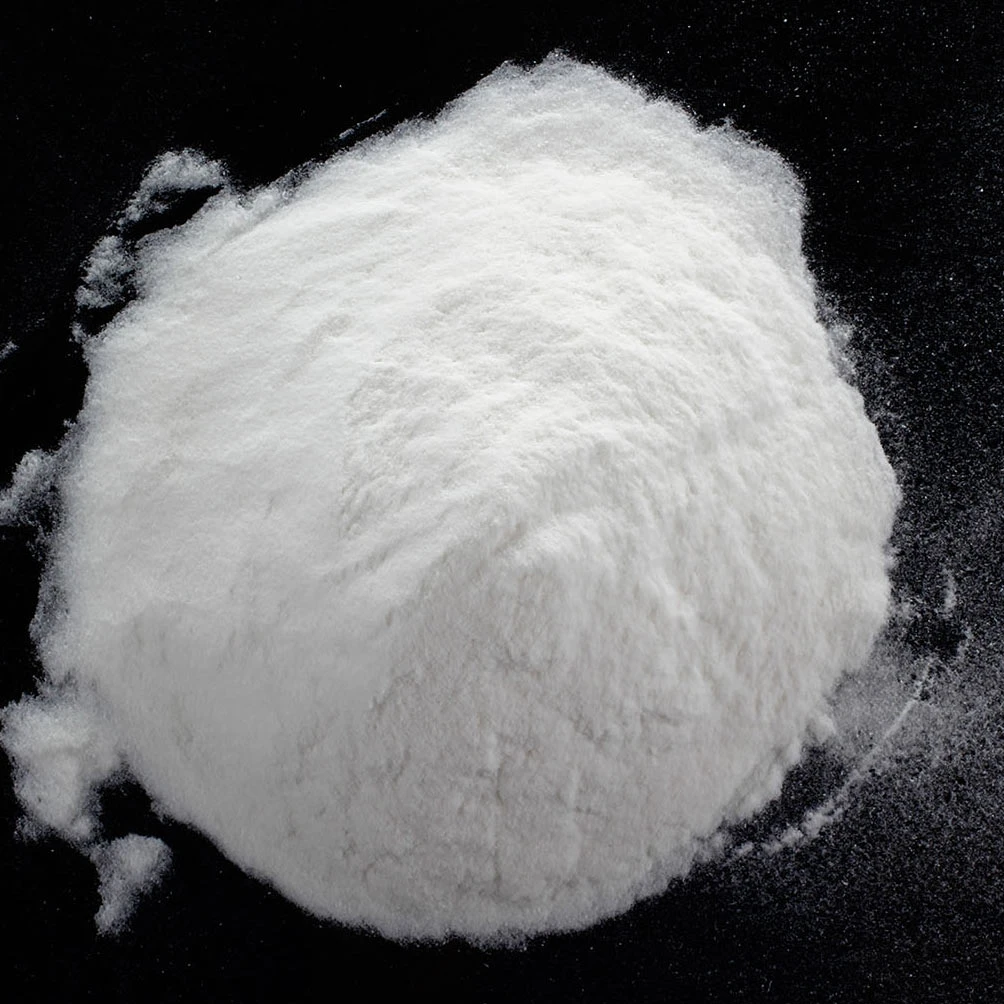
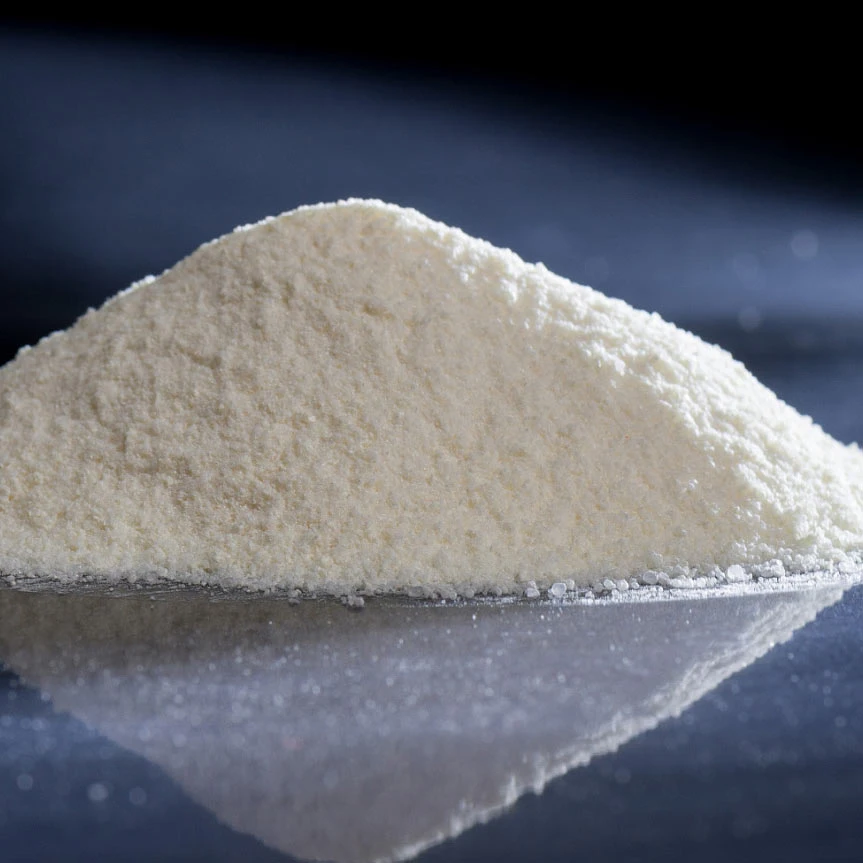
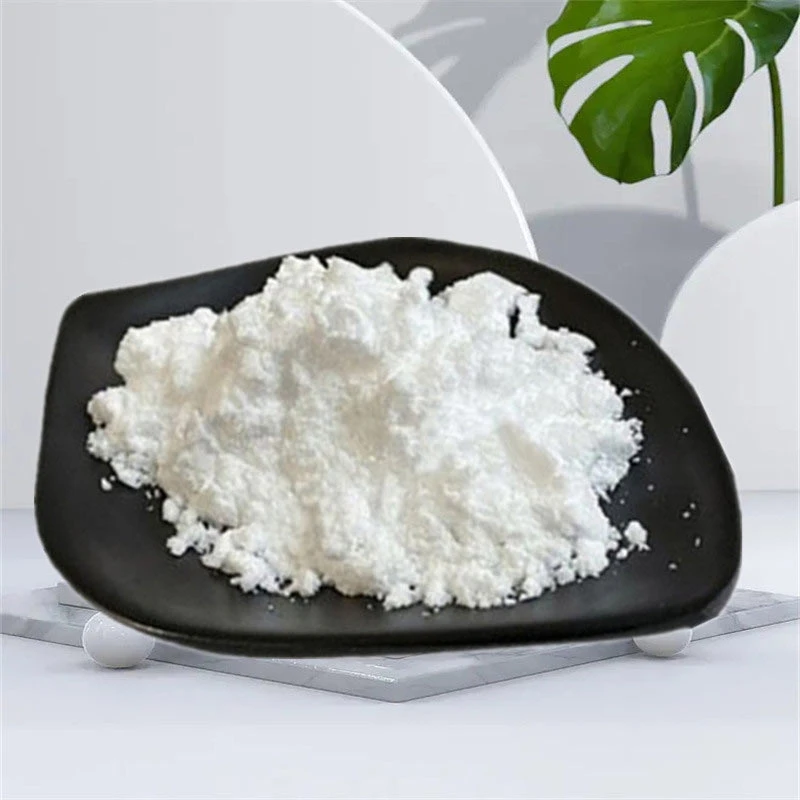
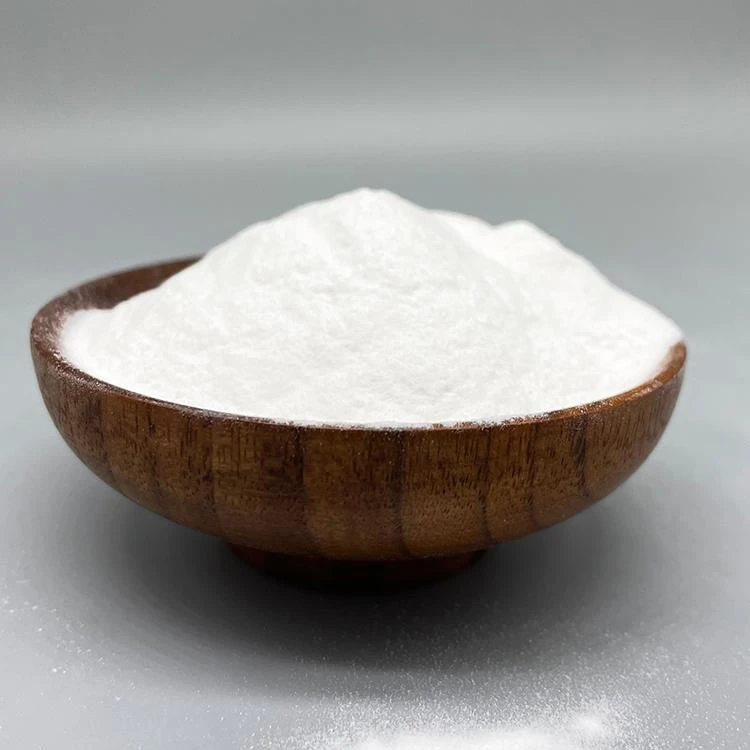
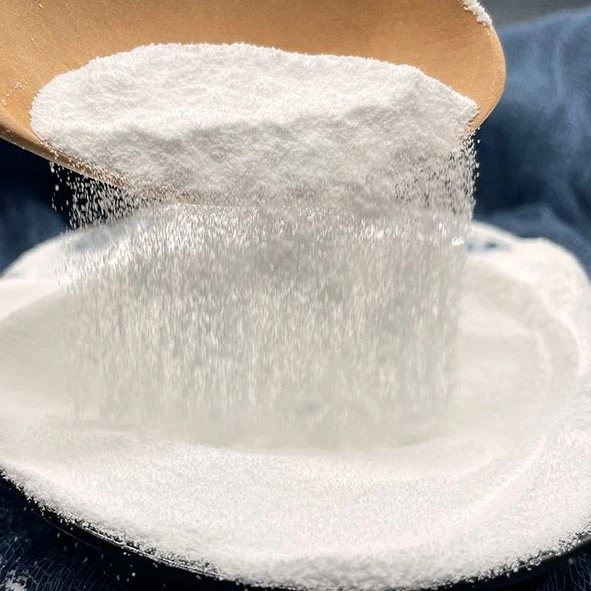
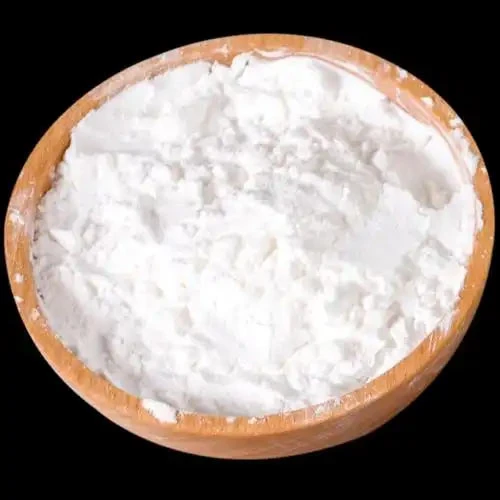
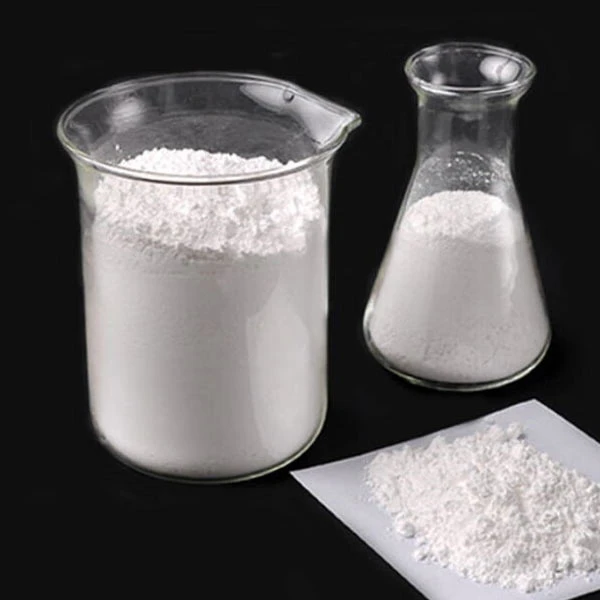
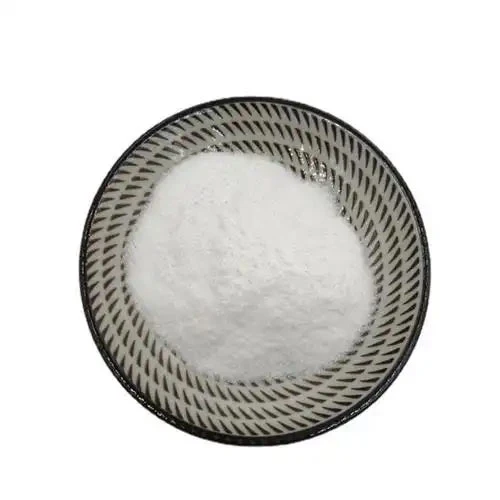
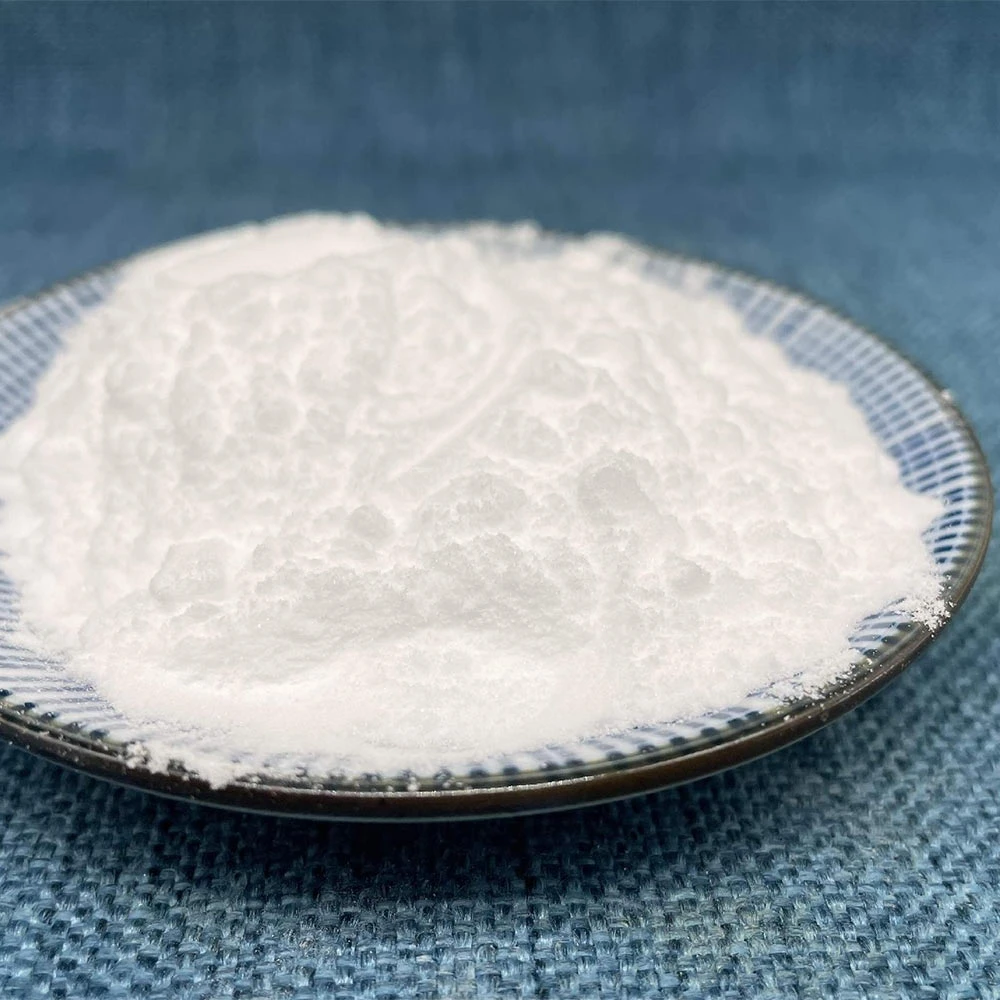
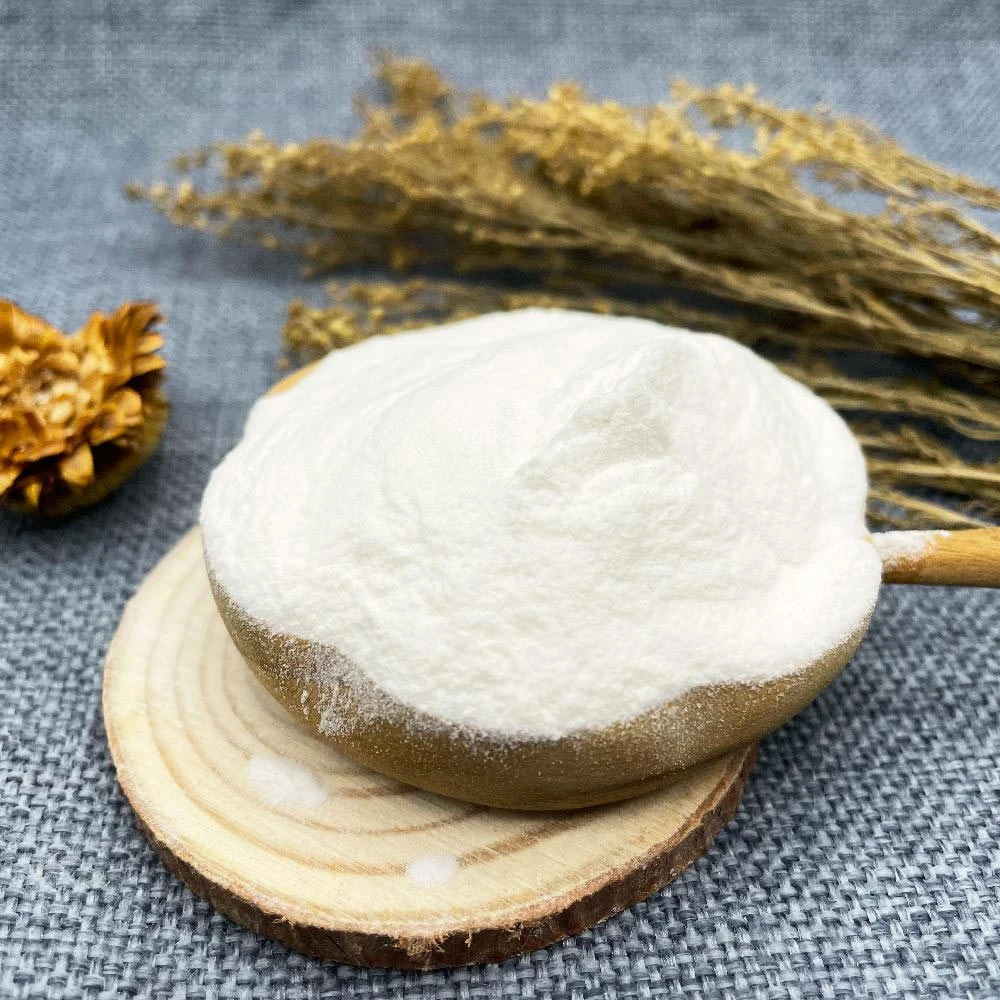
| Appearance | White Powder |
| Viscosity (2% aqueous) | 2000 – 6000 mPa·s |
| pH (1% solution) | 6.5 – 8.0 |
| Moisture Content | ≤5% |
| Substitution Degree | Methyl 1.4–1.8; Hydroxyethyl 0.2–0.5 |
Benefits & Use Cases of Mhec Cellulose
So, what truly makes Mhec Cellulose a go-to in industrial applications? If you’re in construction, for example, it improves mortar adhesion and workability — you can think of it as that critical ingredient ensuring smooth application and minimal shrinkage. In paints and coatings, it works as an excellent rheology modifier, keeping pigments dispersed evenly and preventing sagging. This tailored performance makes products more durable, which frankly matters when you’re aiming for long-term client satisfaction.
- Used in tile adhesives to enhance binding and reduce cracking risk under stress.
- Effective as a stabilizer in water-based paints, helping control viscosity under temperature changes.
- Offers superior compatibility with a wide variety of co-formulants versus traditional cellulose ethers.
Vendor Comparison
| Feature | Tangzhi HPMC | Competitor A | Competitor B |
|---|---|---|---|
| Viscosity Range (mPa·s) | 1000 - 8000 | 1500 - 7000 | 2000 - 9000 |
| Water Retention (%) | >98 | ~95 | 90-95 |
| Shelf Life (months) | 24 | 18 | 12 |
| Compliance Certifications | ISO9001, REACH | ISO9001 | None |
Cost, Maintenance & User Experience
Talking numbers, Mhec Cellulose is often seen as a worthwhile investment. While upfront costs might be a bit higher than some conventional cellulose ethers, you typically get longer shelf life and better consistency — which limits waste and reorders. Many engineers I've spoken to mention the solid ROI thanks to less material needed per batch and fewer production hiccups. Also, because it feels less sensitive to temperature swings and remains stable, downtime drops, and maintenance costs are reduced.
- Durability extends product lifespan and reduces rework.
- High compatibility with other components lowers formulation complexity.
- Positive feedback loops from customers noting enhanced performance and stability.
Sustainability & Market Trends
Oddly enough, cellulose derivatives like Mhec Cellulose align well with growing sustainable manufacturing goals — they’re based on renewable resources compared to synthetic polymers. Regulatory pressure and client demand are pushing industries to go greener, and Cellulose derivatives fit that bill perfectly. The global market is predicted to grow steadily, driven by expanding construction projects and rising demand in personal care and paints sectors. Tangzhi HPMC has kept pace by improving production efficiency, reducing emissions, and ensuring waste management complies with stricter environmental rules.
- Renewable raw materials reduce carbon footprint versus petrochemical alternatives.
- Increasing REACH and FDA compliance boosts market acceptance internationally.
- Innovation in biodegradable and low-VOC formulations gains traction.
Frequently Asked Questions about Mhec Cellulose
- What is Mhec Cellulose and how does it work?
- Mhec Cellulose is a water-soluble cellulose ether modified with methyl and hydroxyethyl groups. It works by thickening liquids, retaining water, and stabilizing mixtures, which enhances the texture and performance of formulated products like adhesives and paints.
- What are the main benefits of using Mhec Cellulose in industrial applications?
- Key benefits include improved water retention, viscosity control, and compatibility with various chemicals. It enhances durability and workability, leading to cost savings and better end-product quality.
- How does Mhec Cellulose compare to traditional alternatives?
- Compared to traditional cellulose ethers, Mhec offers better thermal stability, higher water retention, and a broader viscosity range. This means formulations using Mhec perform better under stress and last longer.
- What industries can benefit most from Mhec Cellulose implementation?
- Industries like construction, paints & coatings, adhesives, and even some personal care sectors find Mhec Cellulose indispensable. Its role stretches from improving tile adhesives to stabilizing latex paints, enhancing performance along the way.
Conclusion on Mhec Cellulose from china
To wrap up, Mhec Cellulose stands out as a reliable and adaptable material that delivers both performance and sustainability. Its ability to improve water retention, control viscosity, and add durability makes it highly valuable across multiple industries. For businesses invested in dependable, eco-conscious solutions, exploring options from suppliers like Tangzhi HPMC definitely pays off.
- Recap the value of Mhec Cellulose.
- Visit our website: https://www.tangzhihpmc.com
Oddly enough, materials like Mhec Cellulose might feel a bit under the radar in discussions, but their impact on product quality and sustainable innovation is quietly significant.
References
- Tangzhi HPMC Product Data Sheets, 2024
- Industry White Paper on Cellulose Derivatives, Journal of Polymer Science, 2023
- Market Trends in Sustainable Polymers, Global Materials Report, 2023
-
Exploring the Benefits of Hydroxyethyl Cellulose in Cosmetics FormulationsNewsJan.30,2026
-
Comprehensive Guide to Hydroxyethyl Cellulose Gel Properties and Industrial ApplicationsNewsJan.28,2026
-
Enhancing Hair Care Formulations with Hydroxyethyl Cellulose for HairNewsJan.27,2026
-
Exploring Hydrophobically Modified Hydroxyethyl Cellulose and Its Diverse ApplicationsNewsJan.27,2026
-
Understanding Hydroxyethyl Cellulose Structure: Benefits & Industry Insights | Tangzhi HPMCNewsJan.06,2026
-
Hydroxyethyl Cellulose Solubility in Water: Expert Insights & SpecsNewsJan.06,2026