HPMC Thickening Agent for Industrial Use | Tangzhi HPMC Supplier
Understanding HPMC thickening agent in Industrial Applications
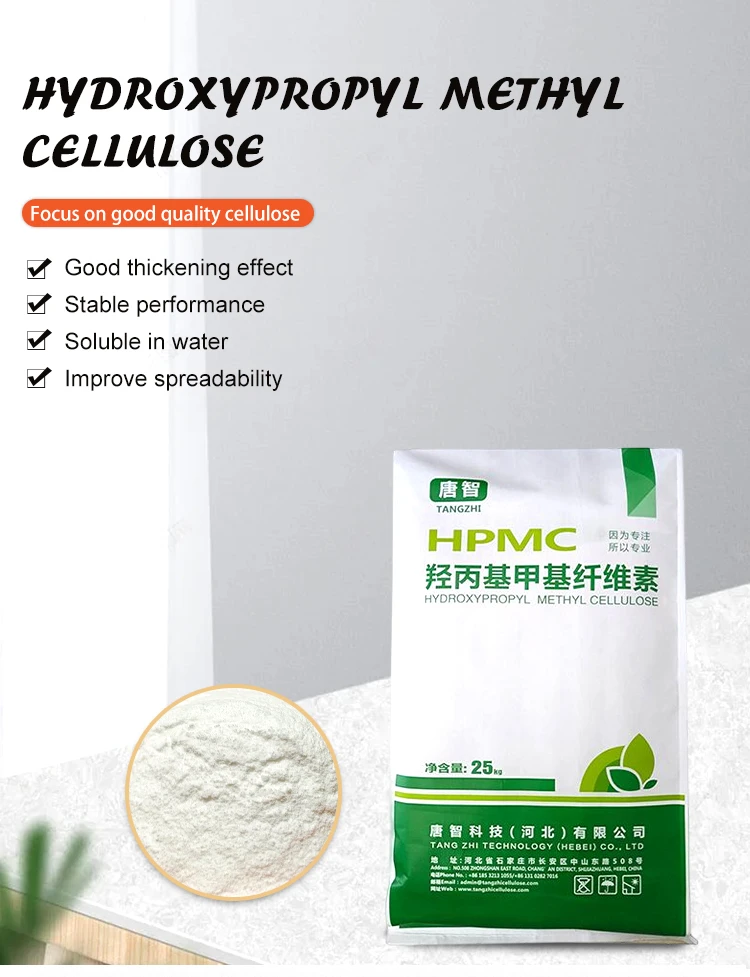
Having worked in industrial equipment for over a decade, I've come across my fair share of materials and additives — but HPMC thickening agent remains one of the more versatile and reliable ones. For those not deeply entrenched in the sector, HPMC (hydroxypropyl methylcellulose) is a cellulose derivative that’s widely used as a thickener, stabilizer, and binder across many applications. But frankly, it’s the thickening role that often steals the show.
In real terms, what I find fascinating is how adaptable HPMC is. Whether you’re dealing with cement-based mixtures in construction, paints, cosmetics, or even food-grade formulations, HPMC’s ability to provide consistent viscosity, even at varying temperatures, makes it invaluable. Oddly enough, despite its synthetic-sounding name, it’s derived from natural cellulose — so you could think of it as nature and industry shaking hands.
Over the years, I’ve noticed that many engineers and formulators appreciate how HPMC improves workability without heavy reliance on other costly additives. It helps prevent material sagging, controls water retention, and contributes to a smooth finish — things that, honestly, can make or break product quality, especially on larger jobsites.
For a quick snapshot, here’s a spec table summarizing typical HPMC thickening agent properties you’ll come across when selecting a product — keep in mind, these can vary somewhat by vendor and grade:
| Property | Typical Range/Value | Notes |
|---|---|---|
| Methoxy Group (%) | 19–24% | Influences solubility and thickening |
| Hydroxypropyl Group (%) | 4–12% | Adjusts viscosity and thermal gelation |
| Viscosity (mPa·s) | 30,000 – 100,000 (2% solution) | Measured at 20°C; varies by grade |
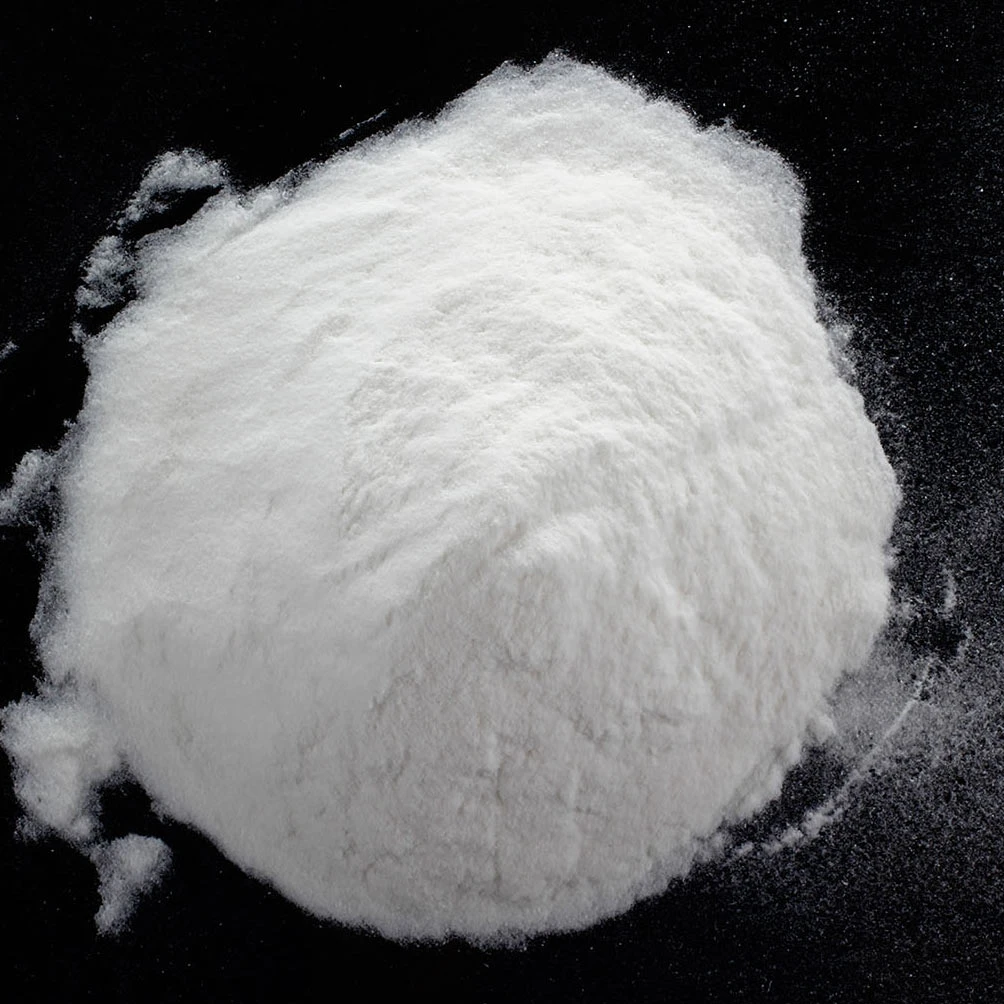
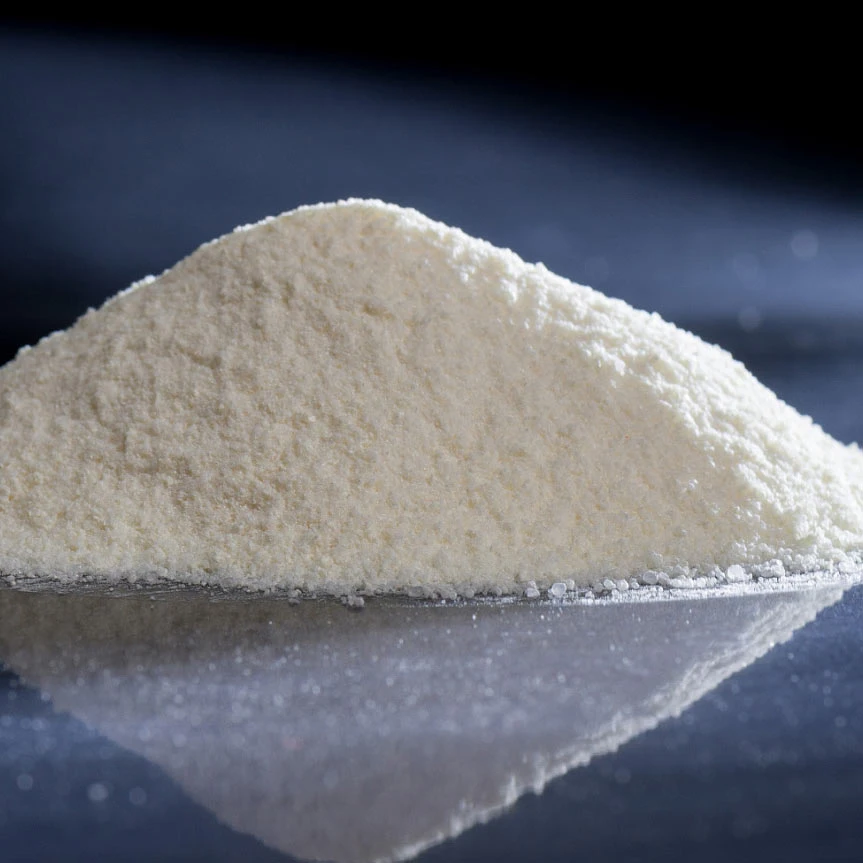
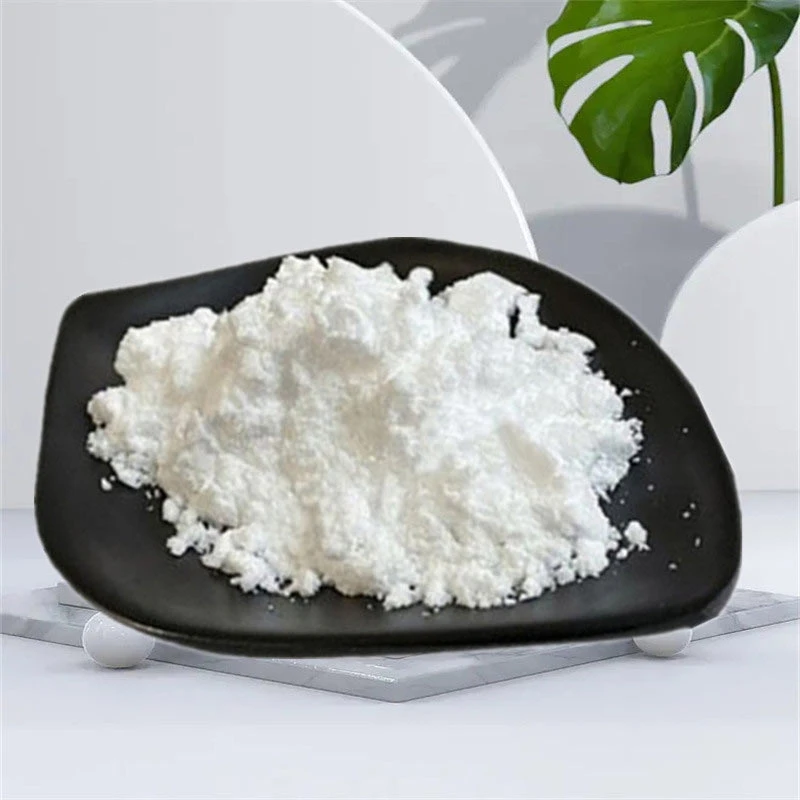
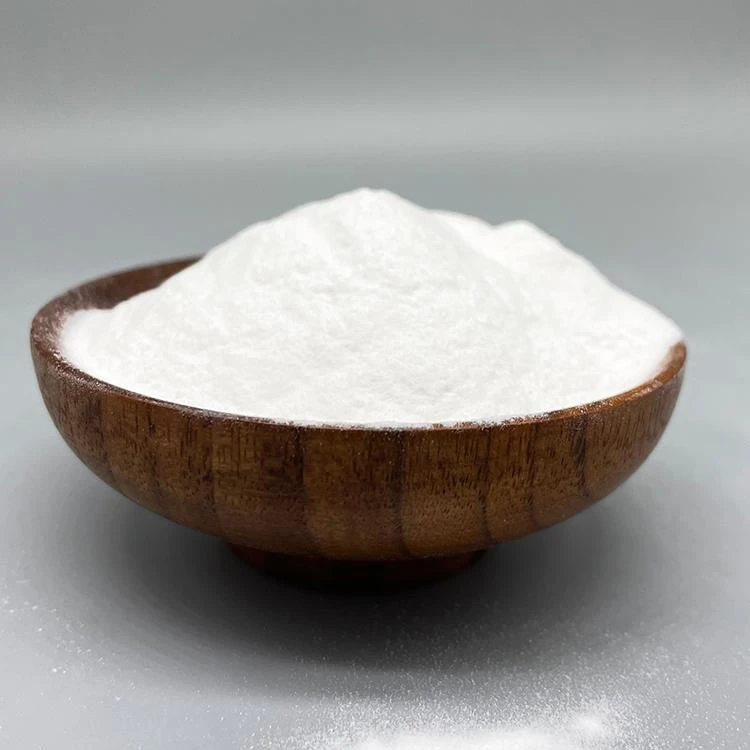
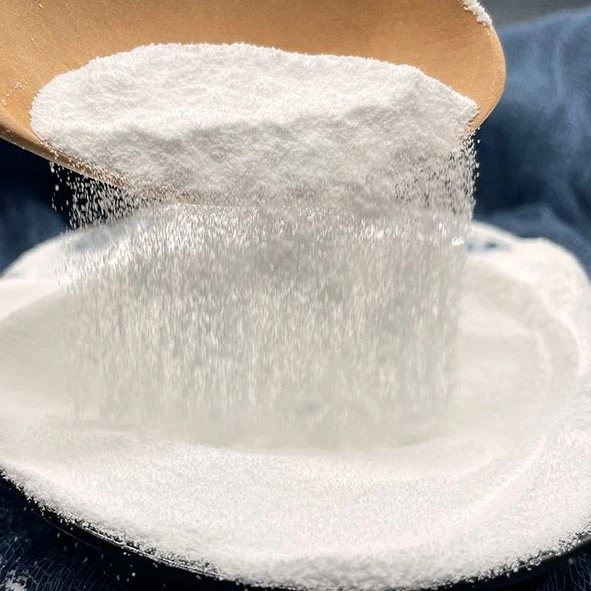
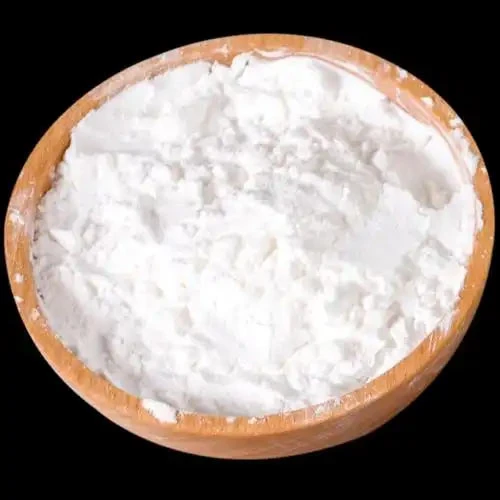
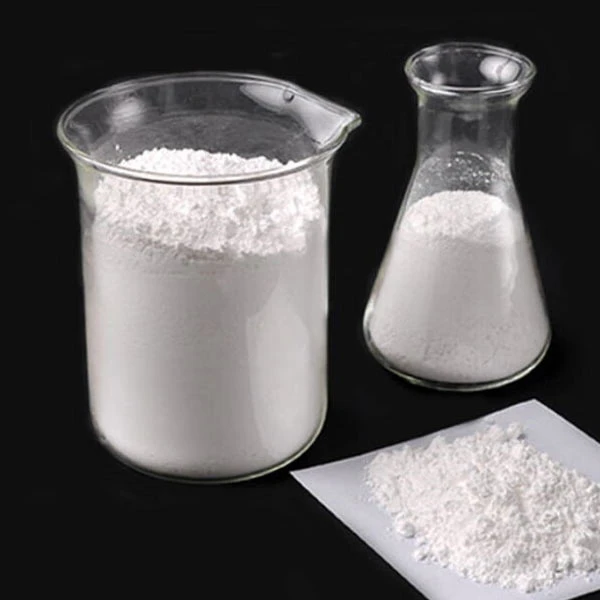
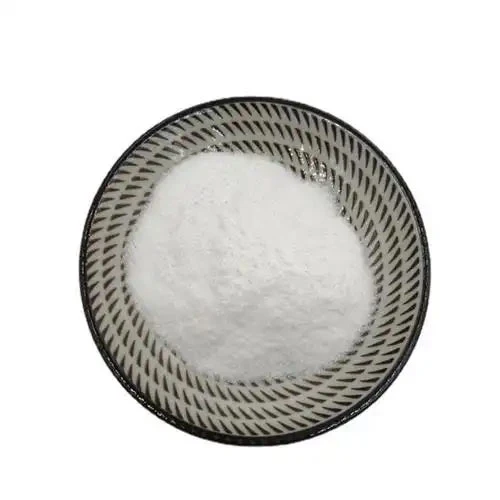
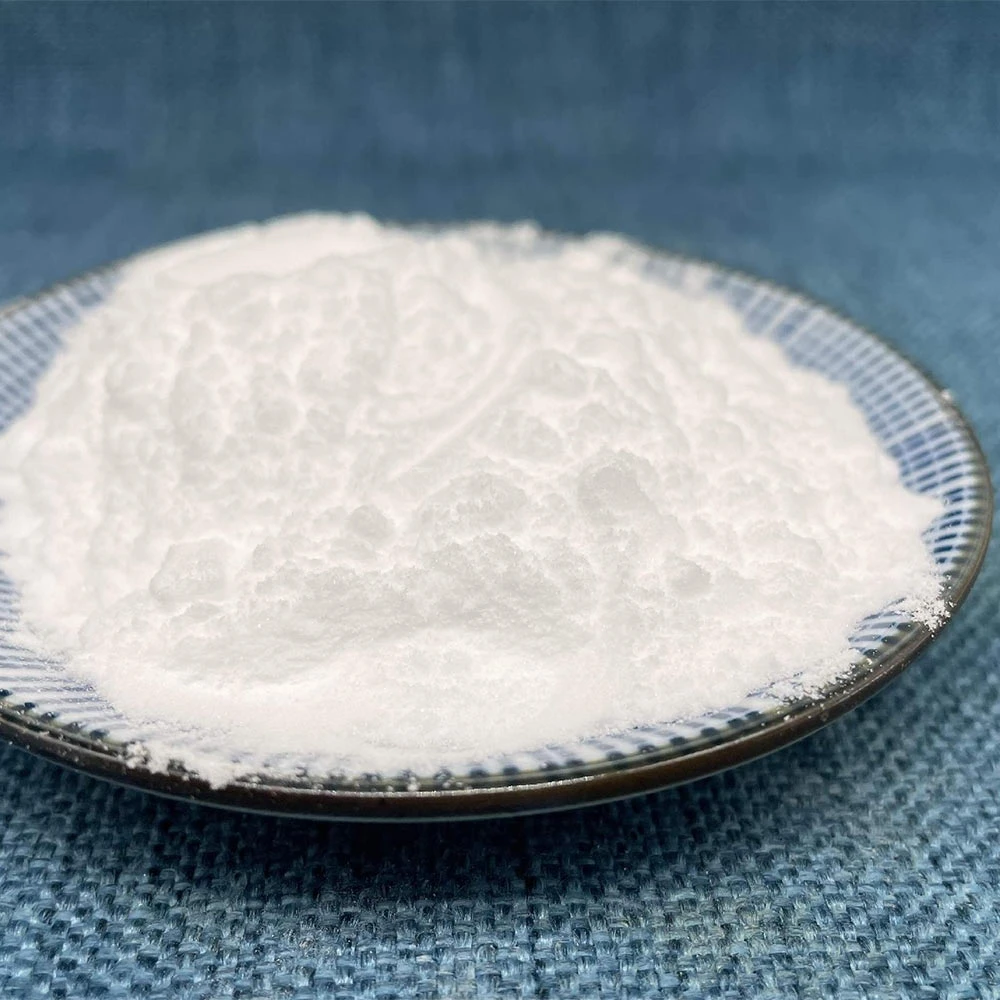
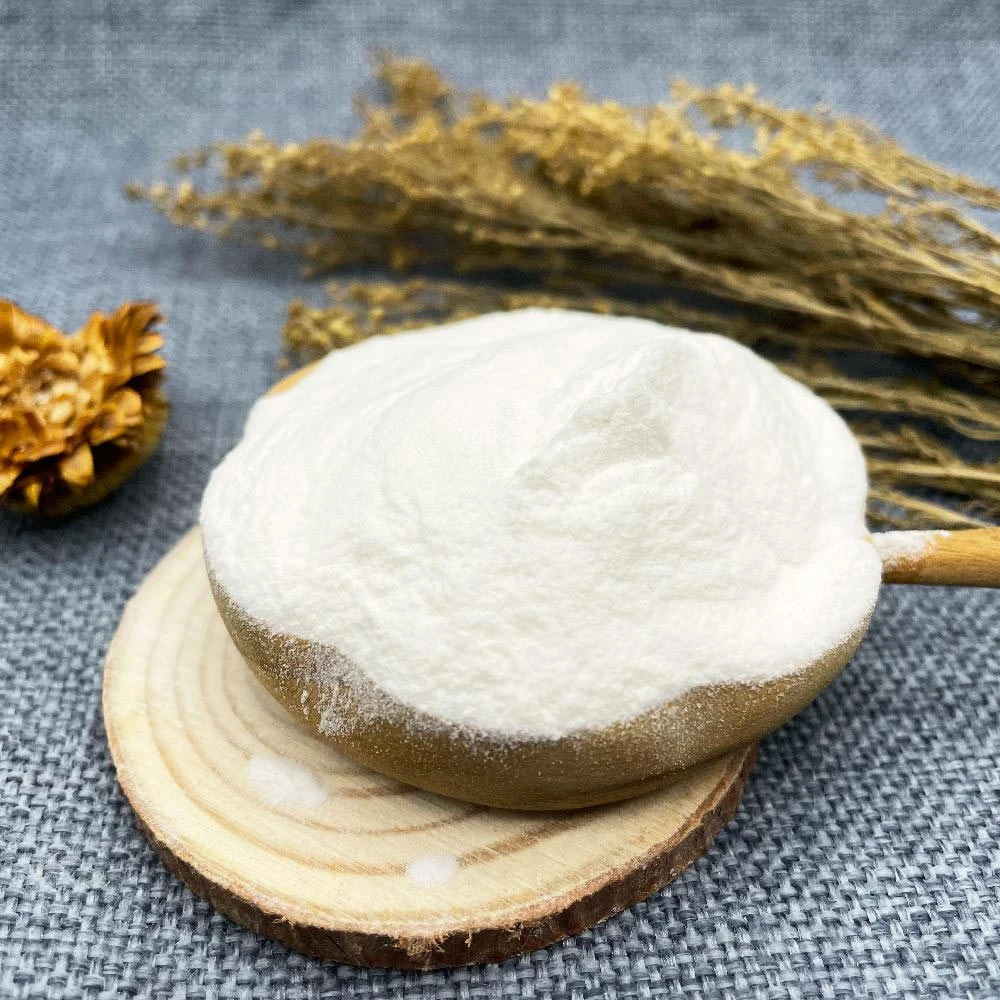
| Appearance | White or off-white powder | Good flow properties |
| pH (1% solution) | 5.0 – 8.0 | Near neutral, suitable for many systems |
Choosing the right supplier for HPMC can make a significant difference. You want quality consistency, timely deliveries, and technical support that genuinely helps. I once worked with a project where inconsistent HPMC batches threw off the mixture viscosity — not fun during a midnight shift on site. Since then, we’ve gravitated to vendors who not only meet specs but also explain product nuances. Here's a straight-up comparison I tacked together to clarify vendor offerings:
| Vendor | Viscosity Range (mPa·s) | Typical Applications | Support & Customization |
|---|---|---|---|
| Tangzhi HPMC | 30,000 – 100,000 | Construction, paints, adhesives | High; offers tailored grades |
| Competitor A | 20,000 – 80,000 | General industrial | Moderate; standard grades only |
| Competitor B | 40,000 – 110,000 | Cosmetics, pharmaceuticals | Good; niche market focus |
You know, in all my years, it’s the subtle things like moisture control and compatibility with other ingredients where HPMC truly shines. One memorable case was a tile adhesive mix that didn’t hold well in humid tropical conditions—once we integrated a properly dosed HPMC thickening agent, application performance improved massively. I suppose the lesson is: don’t underestimate these cellulose derivatives just because they sound technical or complex.
It’s also worth mentioning that customization options have come a long way. Nowadays, many suppliers offer tailored viscosity grades or special functional groups to match specific workflows or environmental conditions. That flexibility can save you time, reduce waste, and even cut costs.
As with any material, testing before large-scale implementation remains critical. A quick note of caution: while HPMC tolerates a wide pH range, highly alkaline or acidic environments can affect performance. Also, hydration speed varies by type, so mixing protocols matter more than you might guess at first.
If you’re sourcing a HPMC thickening agent, I’d recommend starting discussions early with your vendor. Share your application details, expected environmental conditions, and batch size so they can help nail down the optimal product.
To sum up, whether you’re formulating cement slurries or specialty coatings, HPMC remains that quietly indispensable agent behind many successful formulations. From my experience, its consistent quality and adaptability make it a smart pick — one that engineers and formulators alike often rely on when it counts.
Takeaway? Having the right HPMC supplier and grade is sometimes the difference between a smooth project and a frustrating one.
References
- Industrial Additives Handbook, 2023 Edition.
- Cellulose Derivatives: Properties and Applications, Journal of Materials Science, 2022.
- Technical Whitepaper, Tangzhi HPMC Supplier Documentation, 2024.
-
Exploring the Benefits of Hydroxyethyl Cellulose in Cosmetics FormulationsNewsJan.30,2026
-
Comprehensive Guide to Hydroxyethyl Cellulose Gel Properties and Industrial ApplicationsNewsJan.28,2026
-
Enhancing Hair Care Formulations with Hydroxyethyl Cellulose for HairNewsJan.27,2026
-
Exploring Hydrophobically Modified Hydroxyethyl Cellulose and Its Diverse ApplicationsNewsJan.27,2026
-
Understanding Hydroxyethyl Cellulose Structure: Benefits & Industry Insights | Tangzhi HPMCNewsJan.06,2026
-
Hydroxyethyl Cellulose Solubility in Water: Expert Insights & SpecsNewsJan.06,2026