Hydroxy Propyl Methyl Cellulose: Industrial Uses & Vendor Insights
Why Hydroxy Propyl Methyl Cellulose (HPMC) Still Rules Industrial Formulations
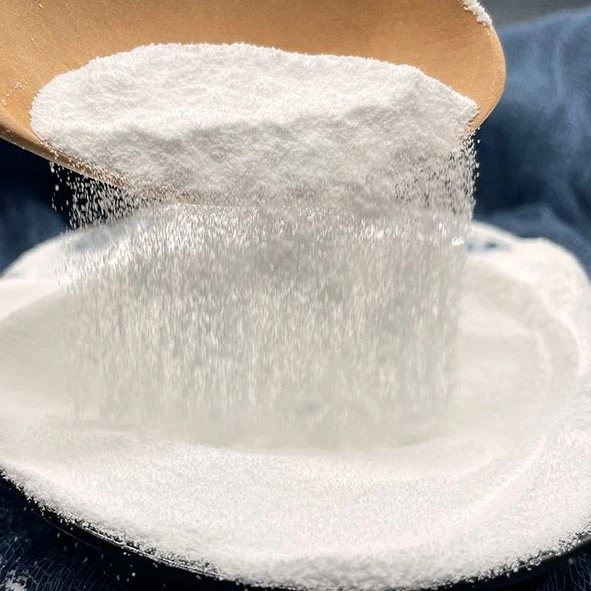
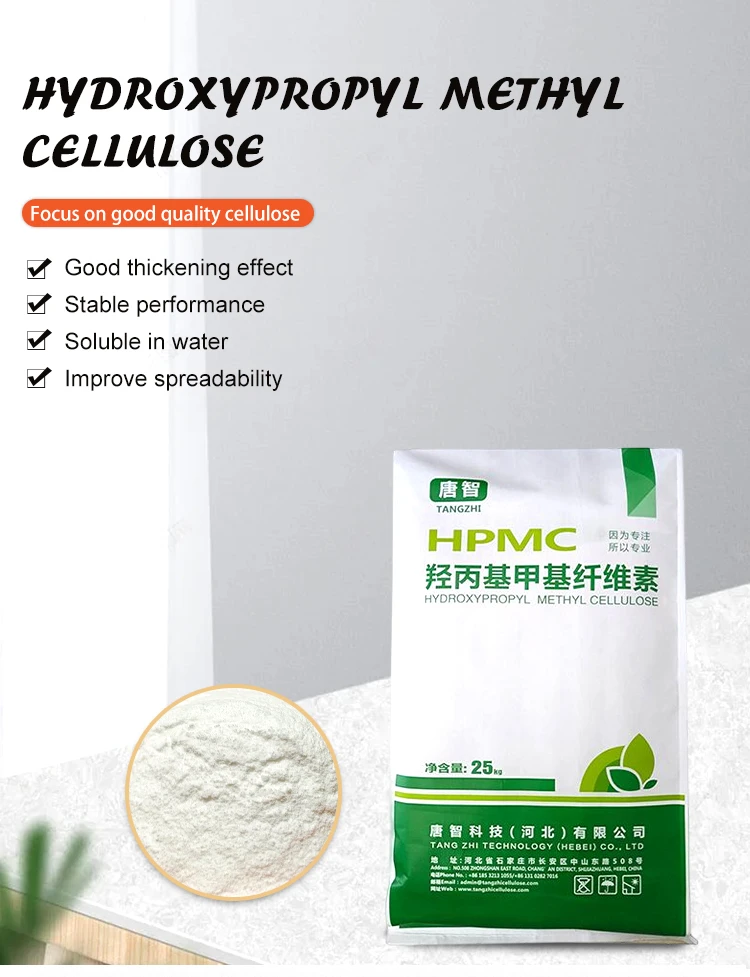
Having worked in industrial equipment and materials for close to two decades, I’ve come to appreciate that some raw materials stand the test of time simply because they perform—and hydroxy propyl methyl cellulose (you’ll often hear folks call it HPMC) is one of those go-to compounds. Oddly enough, it’s a name that can feel a bit tongue-twisting on first hearing, but once you’re knee-deep in applications like adhesives, coatings, or cement, you quickly see what a versatile hero it is.
HPMC’s popularity is not a fluke. The polymer is prized because it can deliver thickening, water retaining, and binding properties without resorting to harsh chemicals. In real terms, that means smoother processing, better control over dried film appearance, and improved workability. I suppose you could say it’s the industrial Swiss Army knife in the cellulose family—adaptable and reliable.
One of the things I noticed early on is how customizable hydroxy propyl methyl cellulose can be. Different manufacturers offer slight tweaks to viscosity or substitution levels, impacting everything from setting times in cement to texture in paints. Engineers tend to have strong preferences, which often revolve around the minimum clumping and maximum dispersibility in slurries—qualities that can make or break the on-site mixing process.
| Specification | Typical Range/Value |
|---|---|
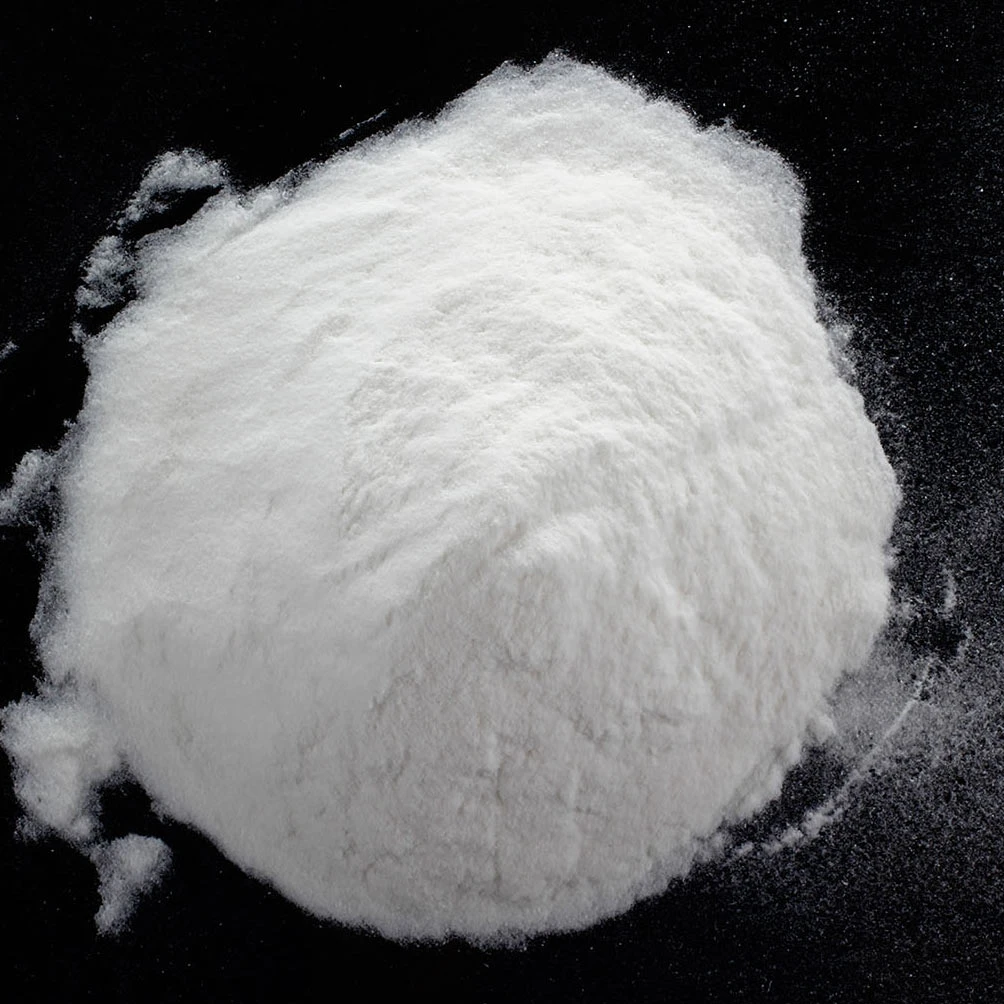
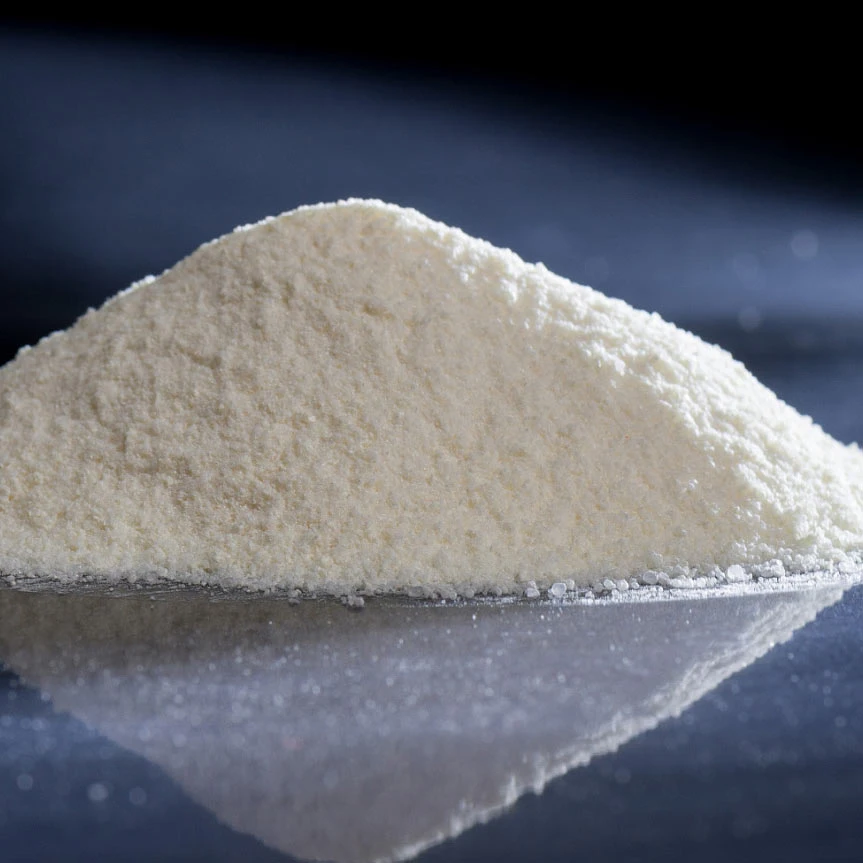
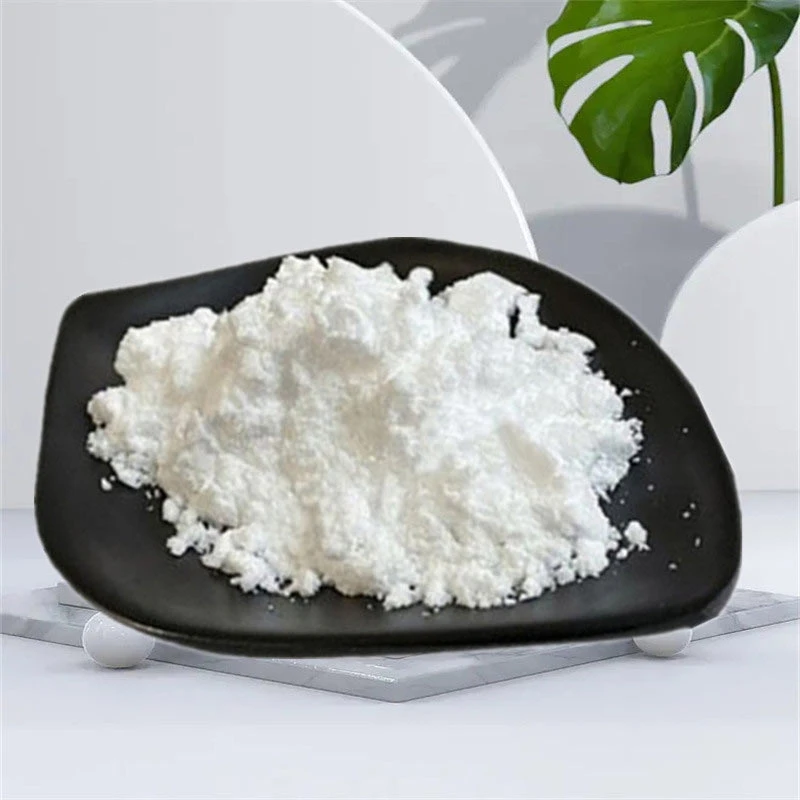
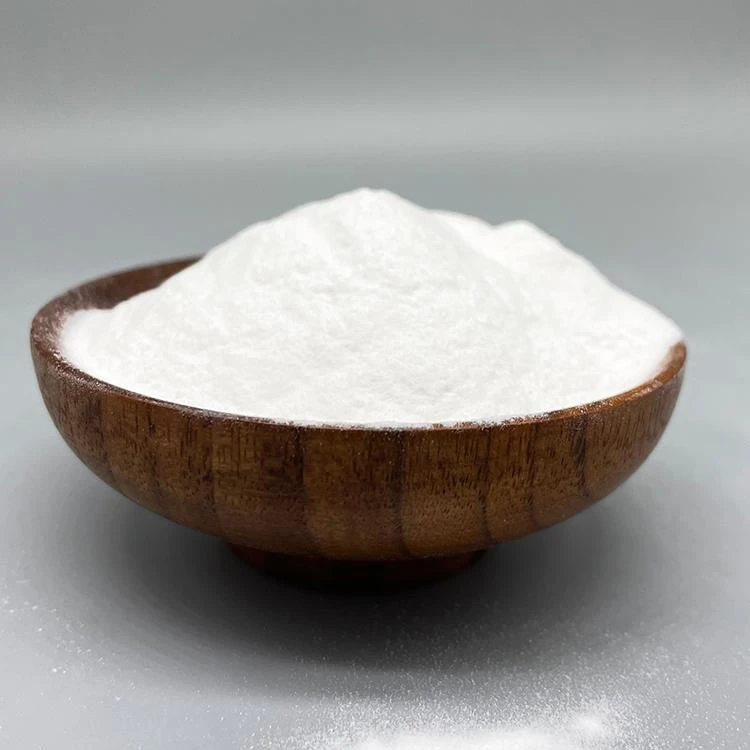
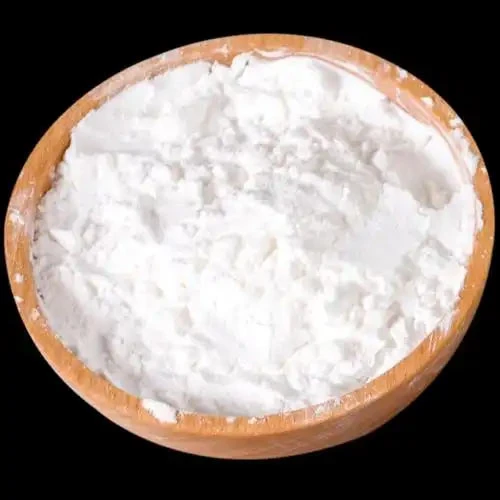
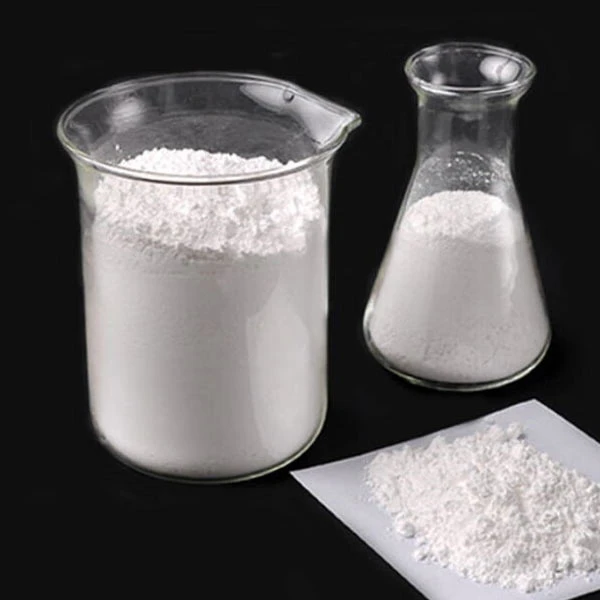
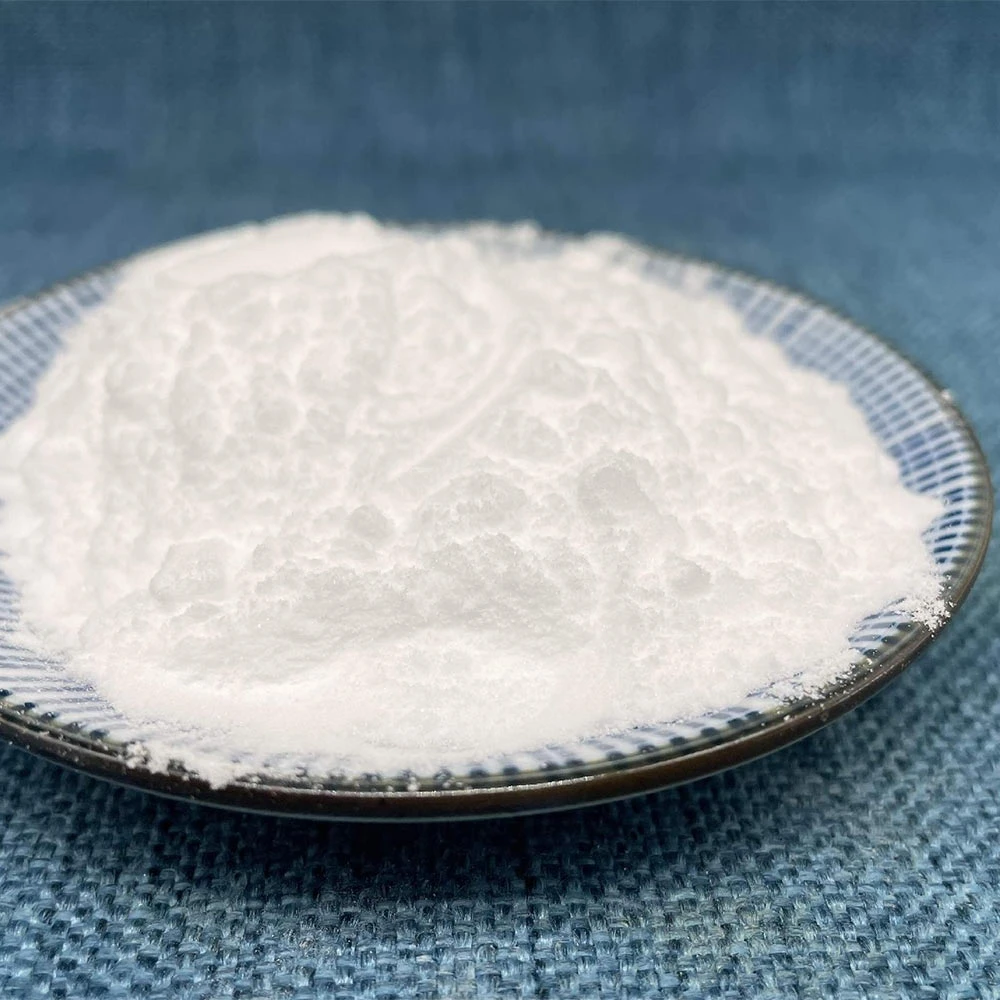
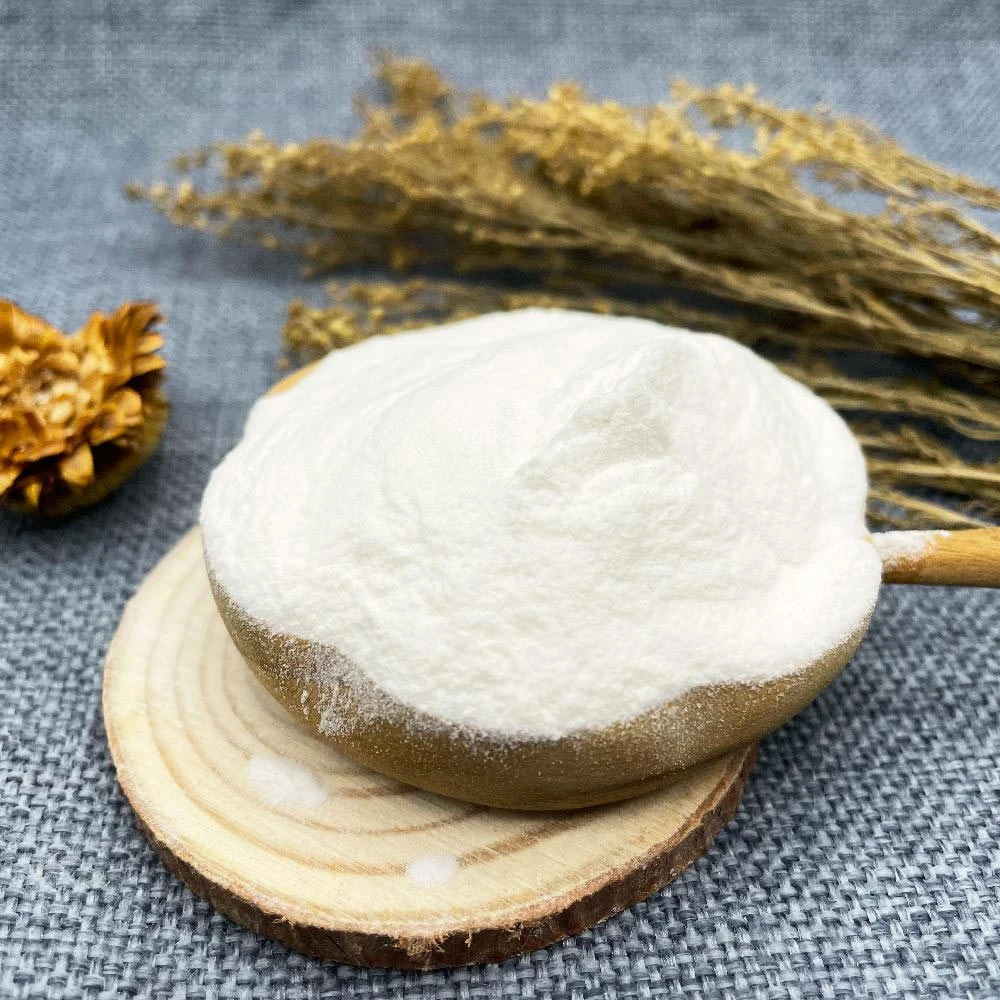
| Appearance | White to off-white powder |
| Molecular Weight | 80,000 – 2,000,000 g/mol (varies) |
| Viscosity (2% solution, 20°C) | 1000 – 100,000 mPa·s |
| pH (2% solution) | 5.0 – 8.0 |
| Substitution Degree | Methoxy: 19–30%, Hydroxypropyl: 4–12% |
Manufacturers generally tailor these specs based on the industry requirements. For example, specialty cement formulations often require higher heat resistance and lower bleeding, which influences the choice of HPMC grade. I remember a client once switched suppliers mid-project because of inconsistent slurry viscosity—problems like these highlight how critical supplier choice really is.
Comparing Leading Hydroxy Propyl Methyl Cellulose Vendors
You might think all HPMC powders are created equally... but you'd be surprised. To keep things practical, here’s a quick vendor snapshot based on my on-site evaluations and industry feedback.
| Vendor | Viscosity Range | Product Consistency | Lead Time | Price Range |
|---|---|---|---|---|
| Tangzhi HPMC | 1000–80,000 mPa·s | High - Batch uniformity & purity | 2-3 weeks | Competitive |
| Supplier A | 500–50,000 mPa·s | Medium - Occasional variations | 3-4 weeks | Moderate |
| Supplier B | 2000–100,000 mPa·s | High - Premium grade | 1-2 weeks | Higher |
Frankly, picking a vendor depends heavily on your project timelines and budget. Tangzhi, in particular, impressed me during a recent site visit with how consistent their batches were—they have this knack for hitting specs reliably, which, you know, saves headaches down the line.
One anecdote worth sharing: a batch of tile adhesive was underperforming because the HPMC powder dissolved inconsistently. The client switched to a product from Tangzhi and immediately noticed fewer clumps and better workability. It’s a small thing but it made a huge difference in day-to-day operations.
Of course, testing is key. In my experience, running your own viscosity and dispersion tests with your target substrate will save you a lot of guesswork. It’s not rocket science, but skipping this step can be costly if delays occur.
In closing, if you’re navigating the vast pool of hydroxy propyl methyl cellulose options, lean toward suppliers with proven consistency and flexible product grades. They make such a dramatic difference in mixing efficiency and end-product quality, it’s well worth the effort.
Stay curious, and keep testing—that’s part of the seasoned professional’s ethos.
References:
1. Technical Data Sheet, Tangzhi HPMC, accessed 2024
2. Industrial Adhesives Handbook, 3rd Ed., 2022
3. Practical Cement Formulation, J. Chen, 2023
-
Exploring the Benefits of Hydroxyethyl Cellulose in Cosmetics FormulationsNewsJan.30,2026
-
Comprehensive Guide to Hydroxyethyl Cellulose Gel Properties and Industrial ApplicationsNewsJan.28,2026
-
Enhancing Hair Care Formulations with Hydroxyethyl Cellulose for HairNewsJan.27,2026
-
Exploring Hydrophobically Modified Hydroxyethyl Cellulose and Its Diverse ApplicationsNewsJan.27,2026
-
Understanding Hydroxyethyl Cellulose Structure: Benefits & Industry Insights | Tangzhi HPMCNewsJan.06,2026
-
Hydroxyethyl Cellulose Solubility in Water: Expert Insights & SpecsNewsJan.06,2026