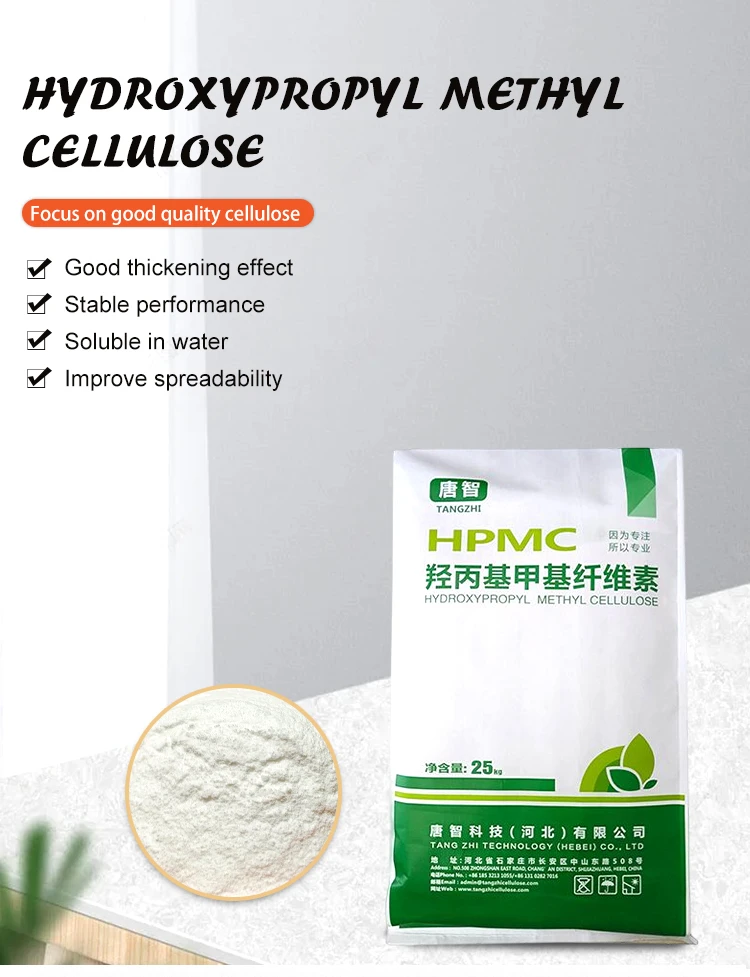
Hydroxypropyl Methylcellulose Cosmetics: Benefits, Uses & Industry Insights
Hydroxypropyl Methylcellulose Cosmetics: A Vital Ingredient for Modern Beauty
Hydroxypropyl methylcellulose cosmetics might sound like a mouthful, but its role in the beauty industry is surprisingly foundational — and frankly, quite fascinating. Globally, the cosmetic sector is booming, valued at over $400 billion as per recent market analyses, one driver being consumers’ increasing demand for clean, effective, and safe products. Among the numerous ingredients, hydroxypropyl methylcellulose (HPMC) stands out for its versatility and benefits. Understanding it helps brands innovate, regulators ensure safety, and consumers choose products that align with both beauty and environmental goals.
Introduction: The Global Context of Hydroxypropyl Methylcellulose in Cosmetics
Worldwide, the cosmetics industry is not just about glamour; it's a complex ecosystem involving chemistry, health, and sustainability. According to the United Nations Environment Programme (UNEP), cosmetic and personal care products contribute significantly to microplastic pollution and chemical emissions. Here's where hydroxypropyl methylcellulose comes in — a cellulose derivative that offers eco-friendlier alternatives to synthetic polymers in cosmetics. It's used extensively as a thickener, film former, and stabilizer.
But there’s a challenge: balancing performance with environmental impact. Many formulas depend on ingredients that pose risks, so HPMC’s biodegradability and skin-friendly profile address this crucial concern.
What Is Hydroxypropyl Methylcellulose in Cosmetics?
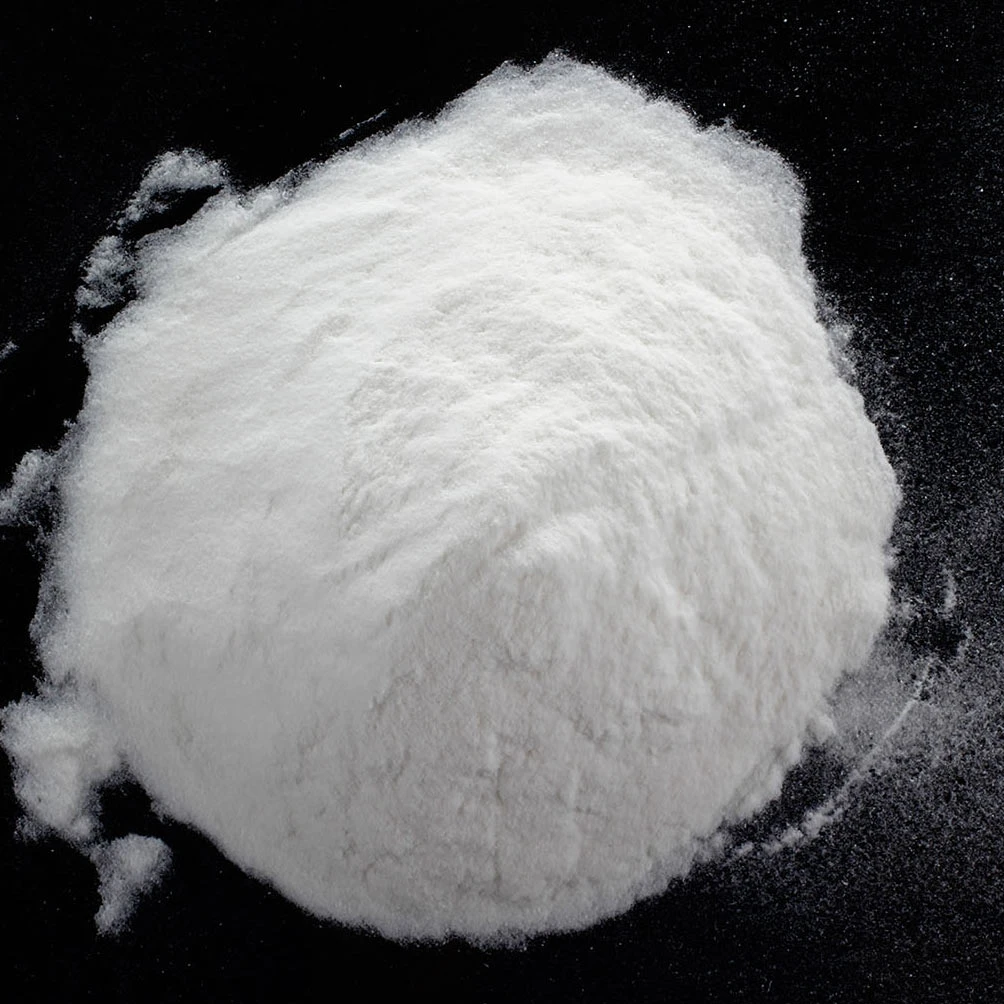
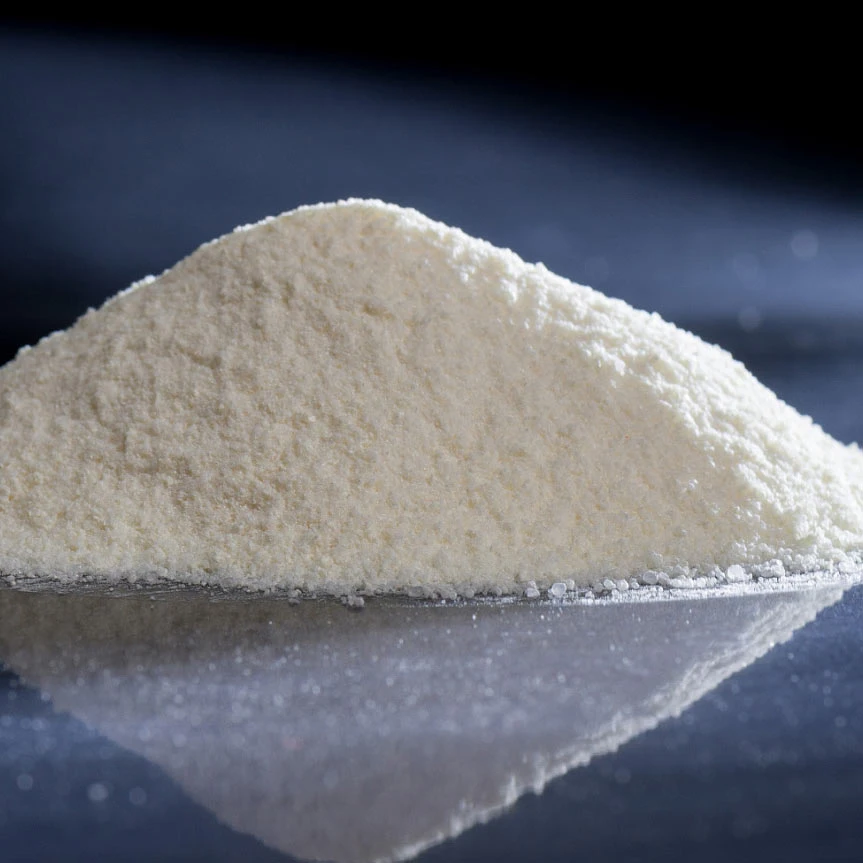
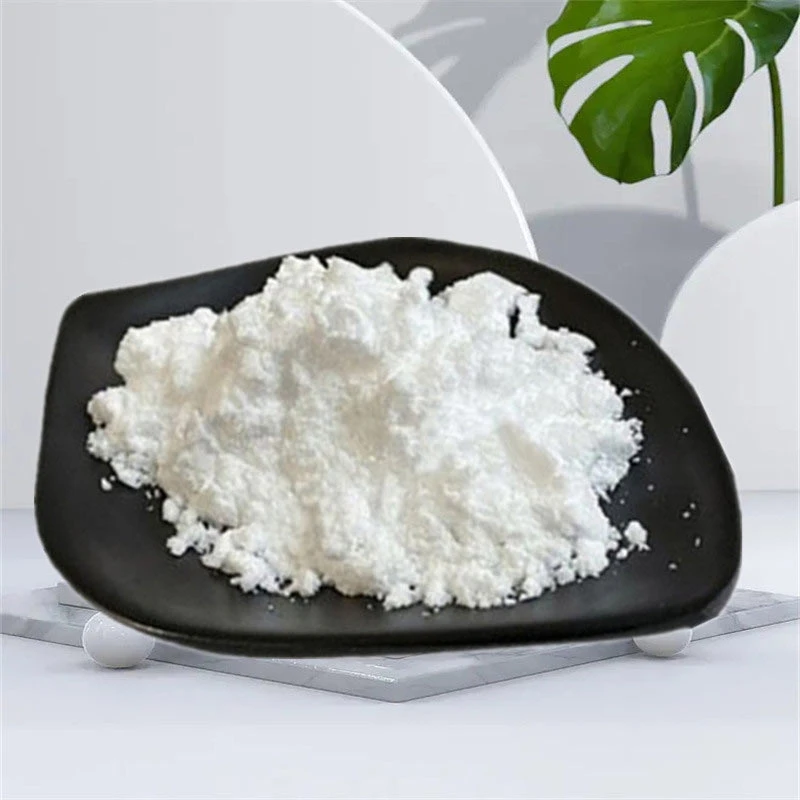
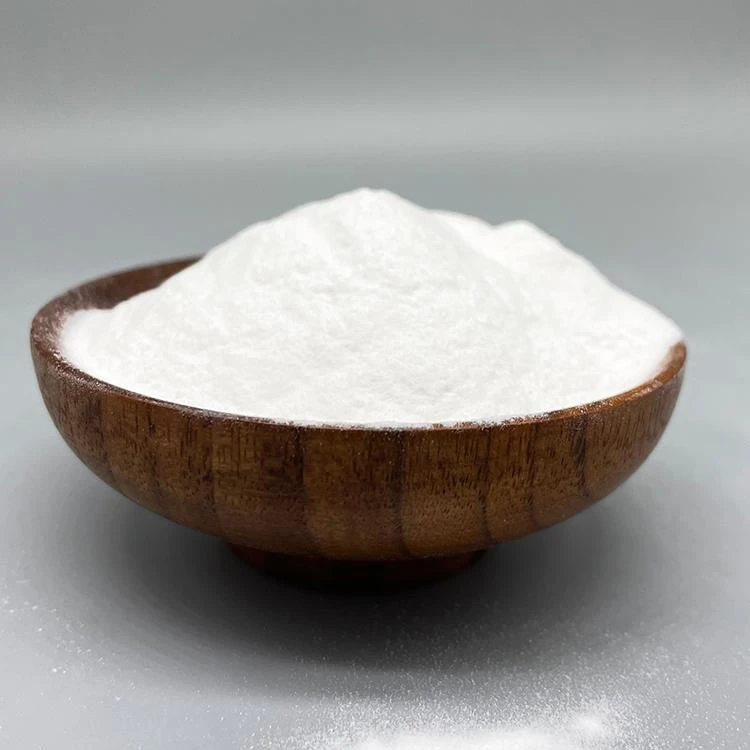
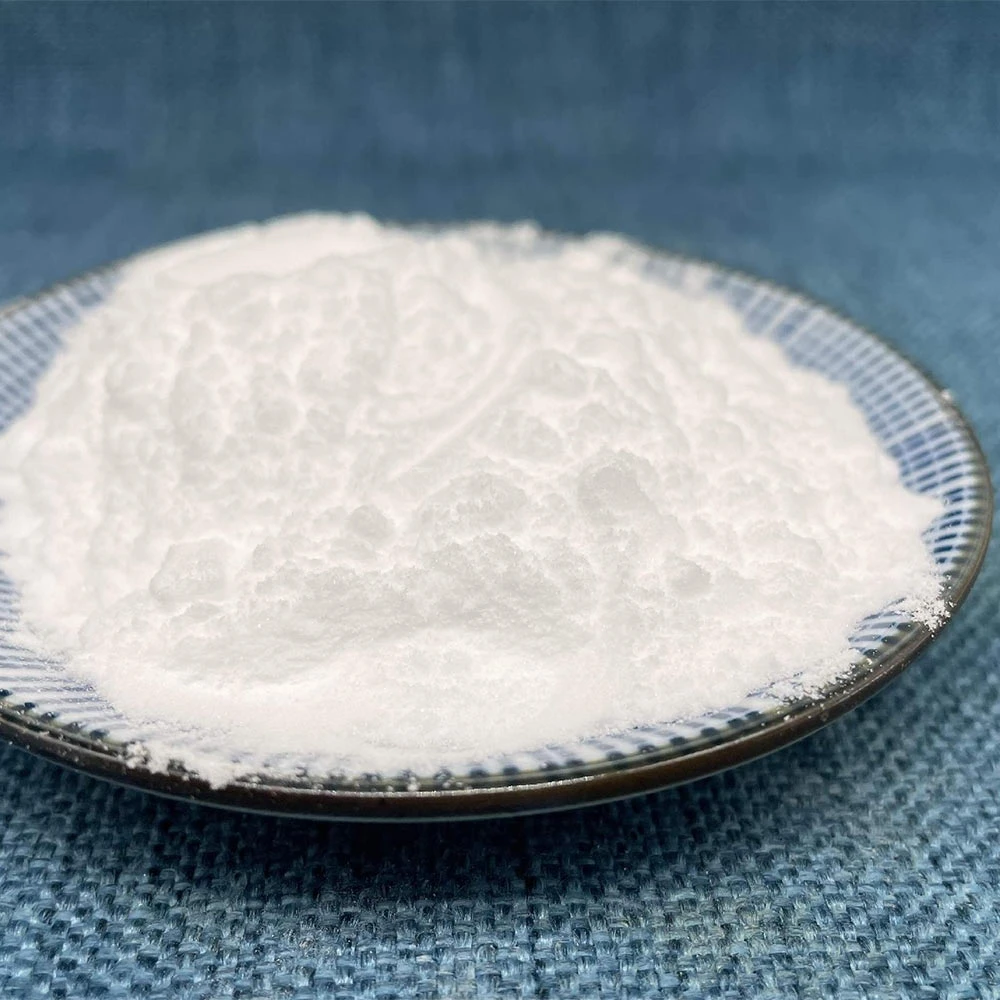
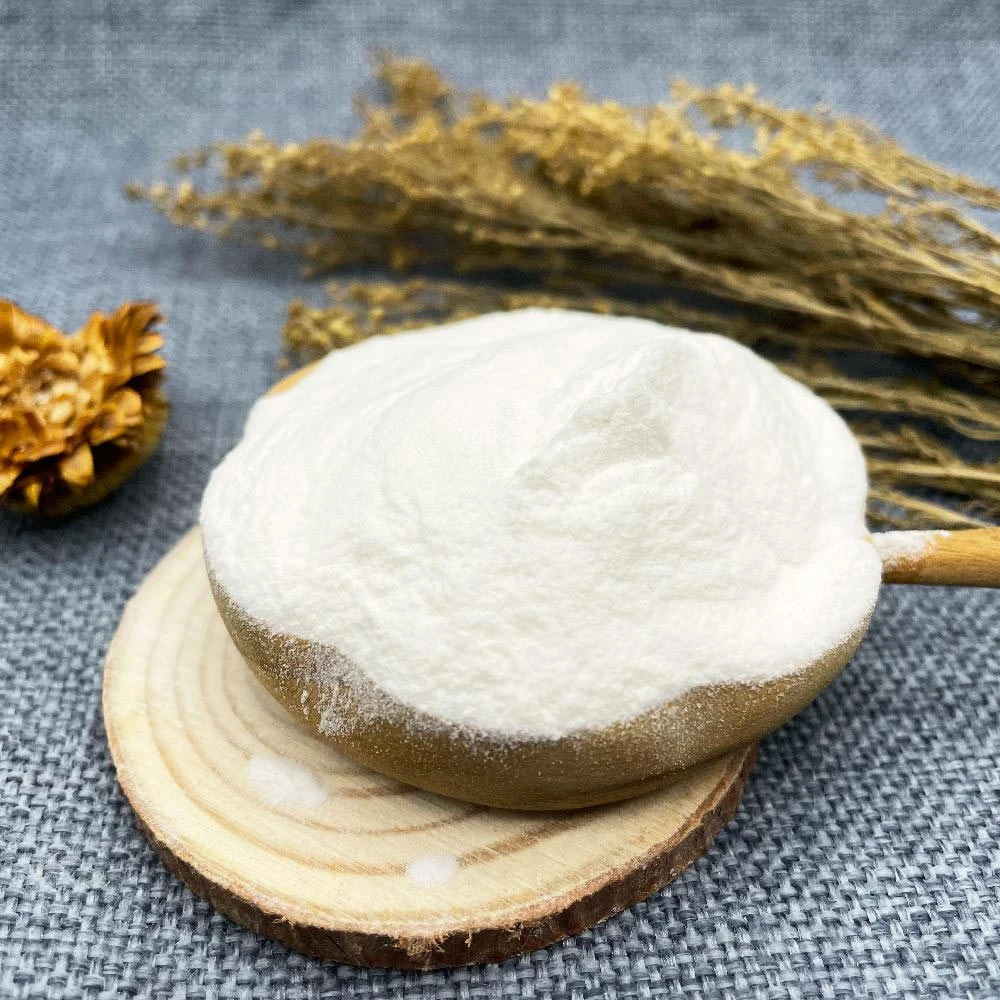
Simply put, hydroxypropyl methylcellulose is a chemically modified cellulose, derived from plant fibers, adapted to dissolve in water and form gels or films. Think of it as a natural polymer cousin to synthetic polymers but with better biodegradability and fewer irritants. In cosmetics, it’s widely used to improve texture, stabilize emulsions, and add moisture retention without feeling heavy or oily on skin or hair.
Hydroxypropyl methylcellulose cosmetics, therefore, combine science and nature’s best to meet modern consumer demands.
Core Components & Key Characteristics
1. Viscosity Control and Thickening
HPMC allows formulators to control the viscosity of creams, lotions, and gels effortlessly. This means better spreadability and sensory experience — attributes that consumers immediately notice and appreciate.
2. Film Forming Ability
The capacity to form a thin, invisible film on skin or hair helps retain moisture and protect against environmental pollutants.
3. Biodegradability and Safety
Unlike many synthetic alternatives, HPMC is biodegradable and generally regarded as safe (GRAS) for topical applications, reducing environmental footprint and allergic risks.
4. Compatibility with Ingredients
It plays nicely with other components, ranging from natural oils to active vitamins, ensuring stable, homogenous products.
5. Cost Efficiency
Compared with exotic polymers or complex synthetic chemicals, HPMC is cost-effective, which helps brands keep products affordable without compromising quality.
| Parameter | Typical Range | Unit |
|---|---|---|
| Methoxy content | 19.0 – 24.0 | % |
| Hydroxypropyl content | 4.0 – 12.0 | % |
| Viscosity (2% solution, 20°C) | 1000 – 4000 | mPa·s |
| pH (2% aqueous solution) | 5.0 – 8.0 | – |
| Moisture content | 5.0 – 8.0 | % |
Mini Takeaway: Hydroxypropyl methylcellulose’s chemical profile suits diverse cosmetic uses, combining safety, functionality, and cost-effectiveness — truly the unsung hero behind many beloved products.
Global Applications & Use Cases
Hydroxypropyl methylcellulose cosmetics are a mainstay in personal care products worldwide — from luxury moisturizers in Europe to affordable sunscreens in Asia-Pacific. Several factors make it invaluable:
- Post-disaster relief cosmetics: Formulators create gentle, multi-purpose skin care creams that preserve moisture on stressed skin.
- Eco-conscious brands in Europe and North America: Use HPMC as a natural thickener to reduce reliance on synthetic thickeners which have higher carbon footprints.
- Emerging markets: Affordable cosmetic products often depend on versatile polymers—HPMC can enhance both feel and shelf life.
Oddly enough, in some remote industrial zones, cosmetic and skincare manufacturers rely heavily on HPMC to maintain quality amid challenging storage and transport conditions.
Advantages & Long-Term Value
The benefits are both tangible and intangible:
- Sustainability: Biodegradable and sourced from cellulose — renewable resources — reducing long-term environmental burdens.
- Cost savings: Efficient at low usage rates, decreasing the amount of raw material needed.
- Consumer trust: As a known safe ingredient, HPMC builds brand reputations.
- Innovation foundation: Encourages new formulations toward more natural and “clean” beauty products.
From the consumer’s perspective, it feels like reliability paired with conscience — a product that cares not just about radiance, but also about dignity and safety in formulation.
Future Trends & Innovations
Looking ahead, the shifts toward sustainability and digital transformation will only boost hydroxypropyl methylcellulose cosmetics. Green chemistry initiatives aim to optimize cellulose sourcing and processing to lower carbon footprints even further.
Additionally, automation in cosmetic formulation allows for more precise use of HPMC, reducing waste. Some brands explore smart cosmetics where film-forming polymers like HPMC carry active ingredients that respond to skin conditions.
Challenges & Solutions
Despite its many perks, HPMC isn’t without challenges. Because it’s water-soluble, formulations must ensure stability in humid environments. Also, sourcing quality cellulose sustainably on a mass scale is often a headache for manufacturers.
Innovators counter this by blending HPMC with other polymers or developing co-polymers for enhanced moisture resistance and robustness. Moreover, supply chain collaborations with sustainable forestry programs are gaining momentum to secure raw materials responsibly.
| Vendor | Grade Range | Sustainability Certifications | Typical Application | Price Tier |
|---|---|---|---|---|
| Tangzhi Chemical | 500–4000 mPa·s | ISO 9001, FSC Raw Material | Skin lotions, conditioners | Mid |
| Dow Chemical | 1000–5000 mPa·s | ISO 14001 | Creams, gels | High |
| Ashland Inc. | 750–3500 mPa·s | ISO 9001 | Sunscreens, shampoos | Mid-High |
Frequently Asked Questions About Hydroxypropyl Methylcellulose Cosmetics
- Q: Is hydroxypropyl methylcellulose safe for sensitive skin?
- A: Yes, HPMC is generally non-irritating and non-toxic, making it suitable for sensitive skin formulations. However, patch tests are recommended for specific products.
- Q: Can hydroxypropyl methylcellulose improve the shelf life of cosmetics?
- A: While HPMC contributes to stability and viscosity, it does not act as a preservative. Proper preservatives are needed to ensure shelf life against microbial growth.
- Q: How does HPMC compare to other natural thickeners?
- A: HPMC offers superior water solubility, clarity, and consistency than many natural thickeners like xanthan gum, plus it forms protective films on the skin.
- Q: Are products containing hydroxypropyl methylcellulose environmentally friendly?
- A: Due to its plant-based origin and biodegradability, HPMC is more eco-friendly than many synthetic polymers, helping brands reduce their environmental impact.
Conclusion: Embracing Hydroxypropyl Methylcellulose for Future-Ready Cosmetics
The skincare and cosmetics landscape is evolving rapidly, driven by consumer awareness and sustainability imperatives. Hydroxypropyl methylcellulose cosmetics embody this shift, offering benefits like safety, efficacy, environmental responsibility, and economic viability. If you’re looking to innovate or improve your cosmetic product lines, exploring hydroxypropyl methylcellulose cosmetics is a wise step.
Visit https://www.tangzhihpmc.com to learn more about sourcing high-quality HPMC tailored to your needs.
Final thought: It’s remarkable how an ingredient derived from simple plant fibers can weave such a vital thread in the fabric of global cosmetics — combining function, safety, and sustainability all in one.
-
Exploring the Benefits of Hydroxyethyl Cellulose in Cosmetics FormulationsNewsJan.30,2026
-
Comprehensive Guide to Hydroxyethyl Cellulose Gel Properties and Industrial ApplicationsNewsJan.28,2026
-
Enhancing Hair Care Formulations with Hydroxyethyl Cellulose for HairNewsJan.27,2026
-
Exploring Hydrophobically Modified Hydroxyethyl Cellulose and Its Diverse ApplicationsNewsJan.27,2026
-
Understanding Hydroxyethyl Cellulose Structure: Benefits & Industry Insights | Tangzhi HPMCNewsJan.06,2026
-
Hydroxyethyl Cellulose Solubility in Water: Expert Insights & SpecsNewsJan.06,2026