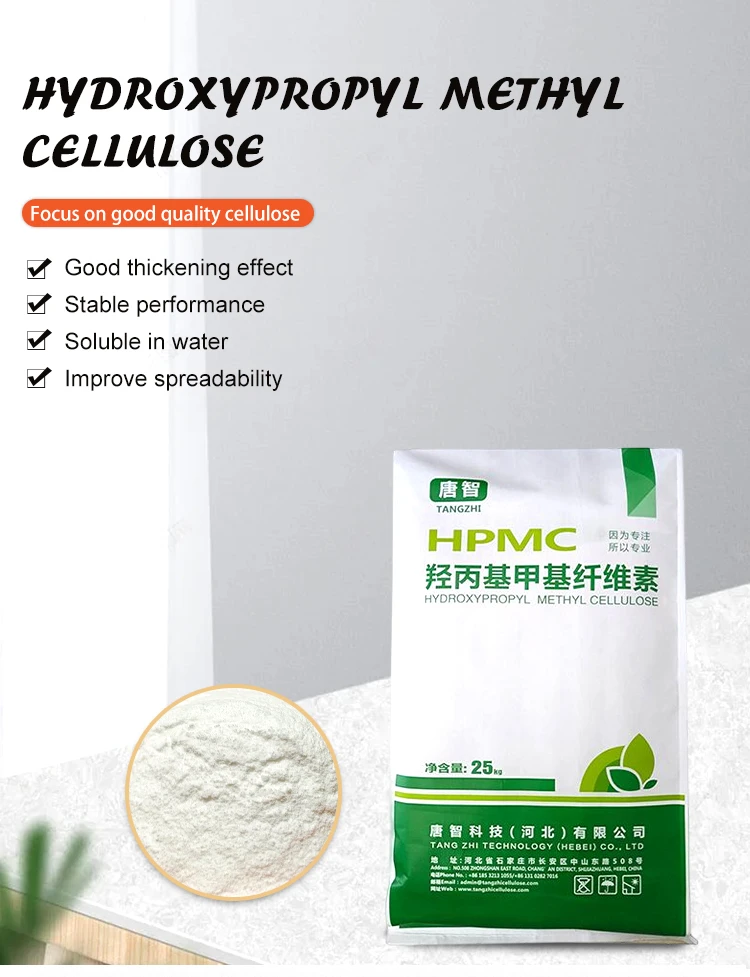
Hydroxyethyl Cellulose For Paint – Benefits, Specifications & Industry Use | Tangzhi HPMC
Hydroxyethyl Cellulose For Paint is a key solution in the industry, specifically within paint formulation and coatings production. This article explores how Tangzhi HPMC supports professionals with durable, high-performance products, and explains why this product is an ideal choice for businesses in these sectors.
Table of Contents
- Hydroxyethyl Cellulose For Paint Overview
- Benefits & Use Cases of Hydroxyethyl Cellulose For Paint
- Cost, Maintenance & User Experience
- Sustainability & Market Trends
- Frequently Asked Questions about Hydroxyethyl Cellulose For Paint
- Conclusion on Hydroxyethyl Cellulose For Paint from China
Hydroxyethyl Cellulose For Paint Overview
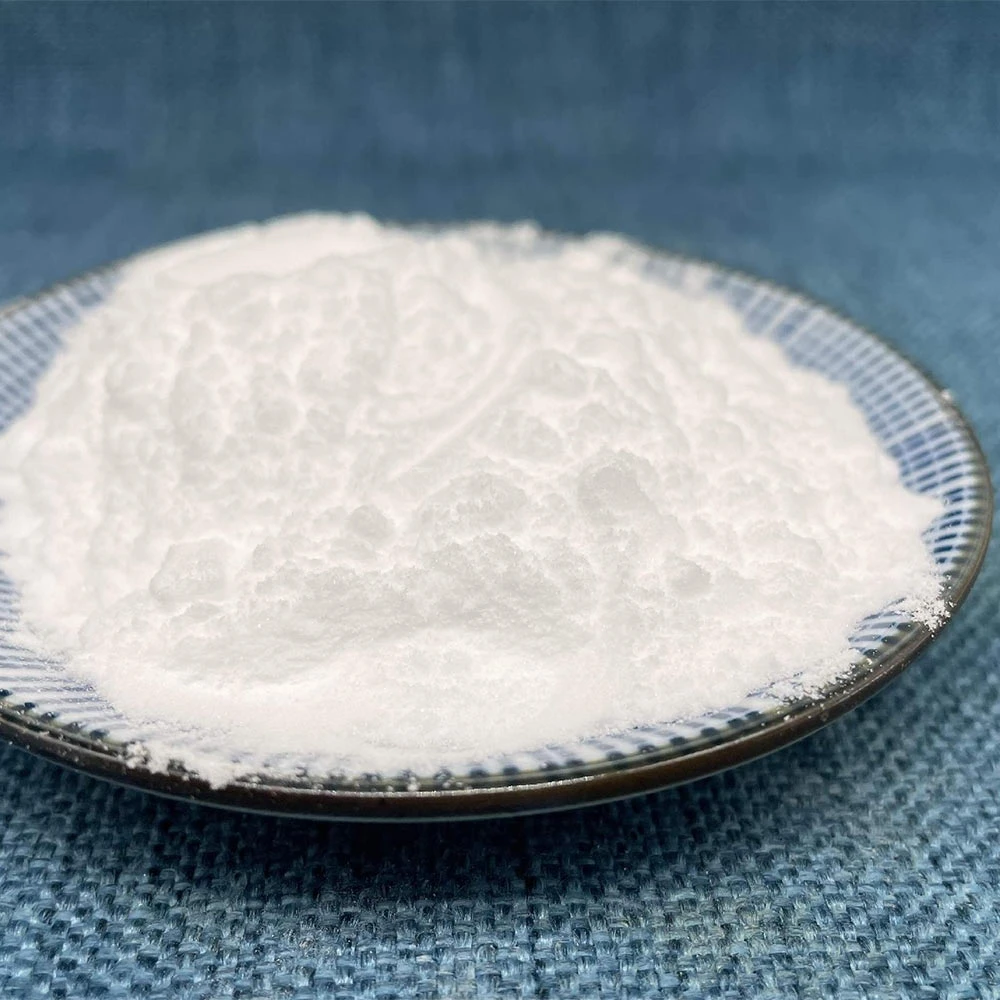
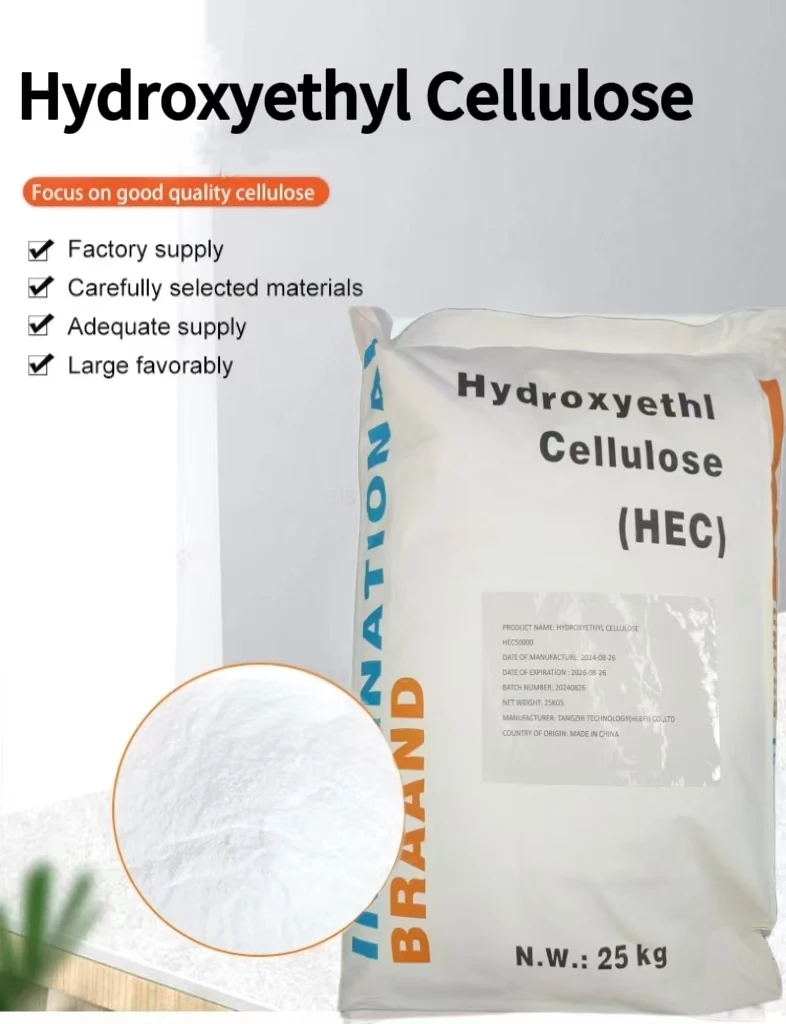
Hydroxyethyl Cellulose (HEC) is a non-ionic, water-soluble polymer derived from cellulose, widely used as a thickener, binder, and stabilizer in paints and coatings. Its importance in the paint sector can’t be overstated – it essentially controls viscosity and enhances paint’s application properties. If you’ve ever struggled with paint dripping or poor leveling, you can thank HEC for preventing exactly those problems.
Technically speaking, Hydroxyethyl Cellulose works by thickening water-based formulations, improving water retention and pigment suspension. For example, Tangzhi’s HEC demonstrates consistent molecular weight distribution, which means it can reliably deliver viscosity control even during production scale-up. One recent case study showed Tangzhi’s product helping a mid-sized coatings manufacturer cut down waste by 12% while improving smoothness.
| Specification | Typical Value | Test Method |
|---|---|---|
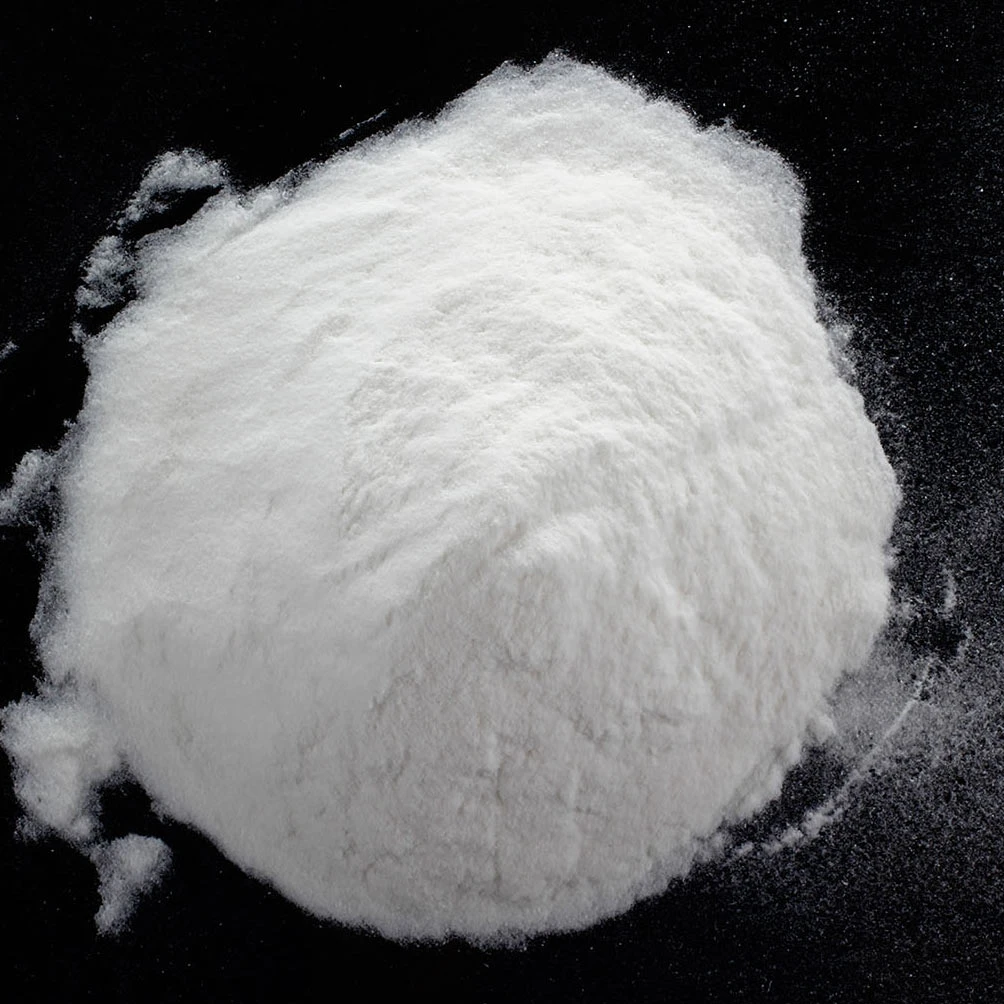
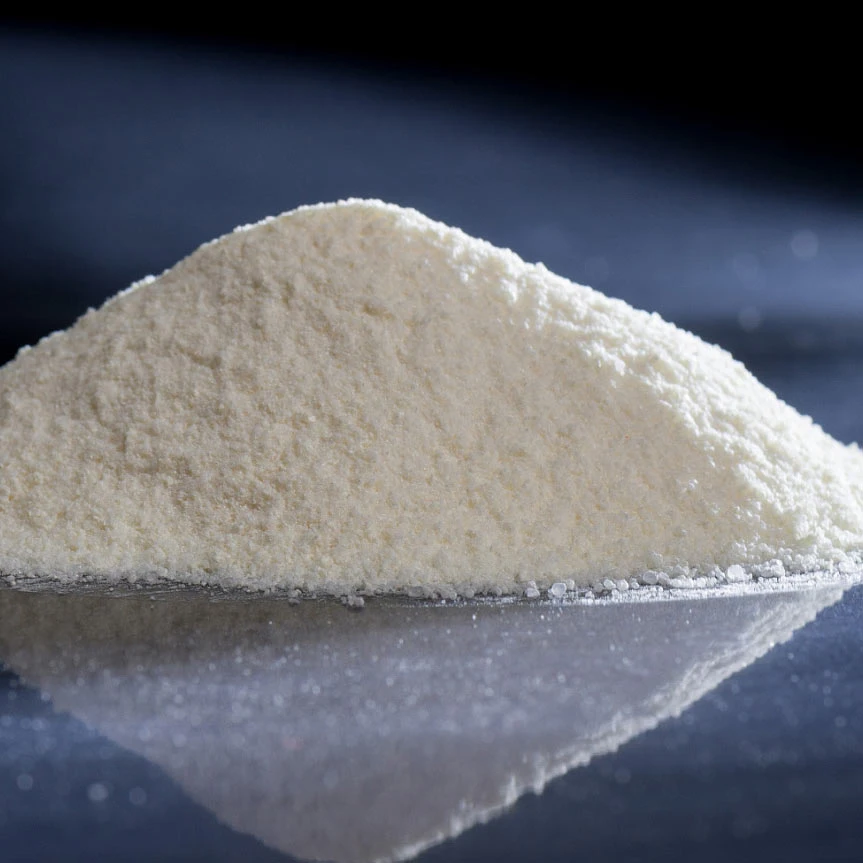
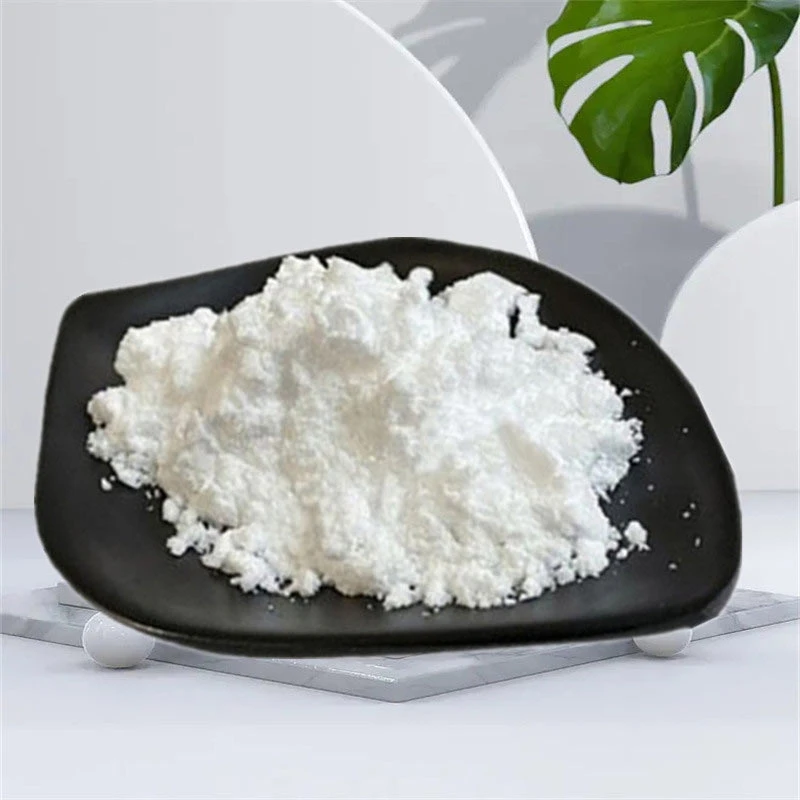
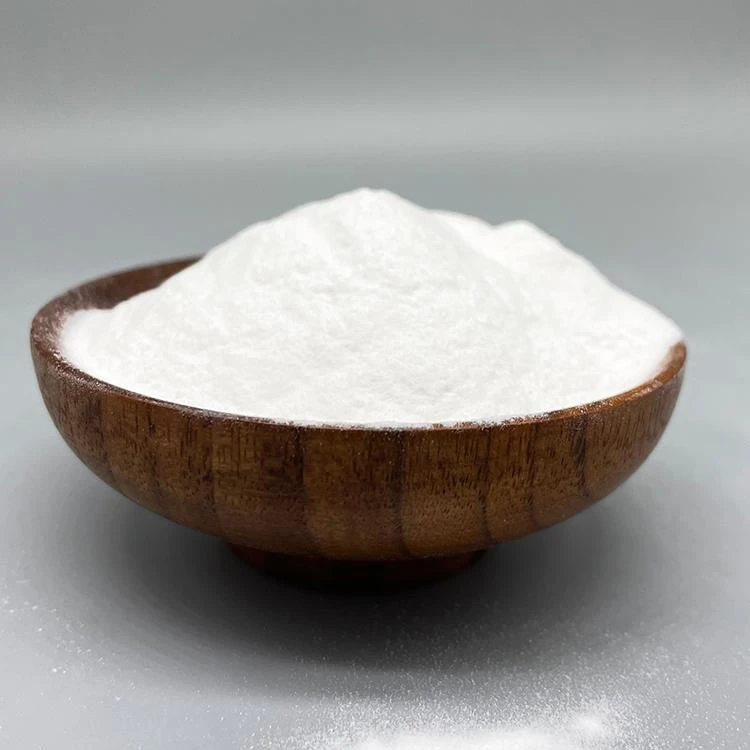
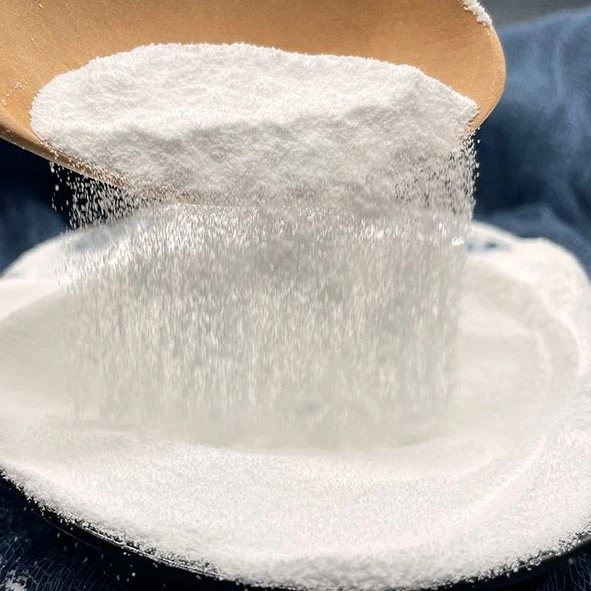
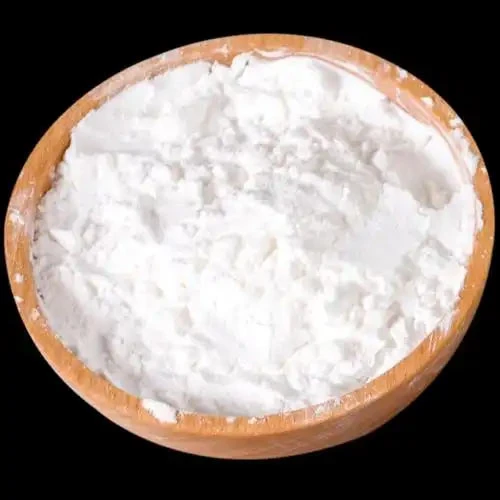
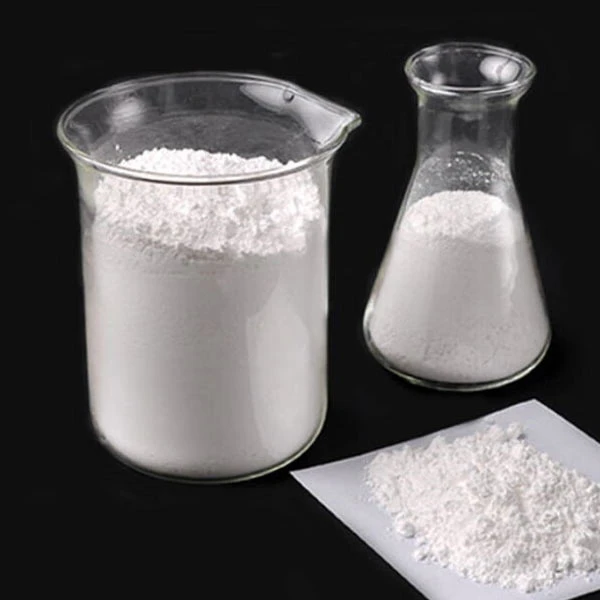
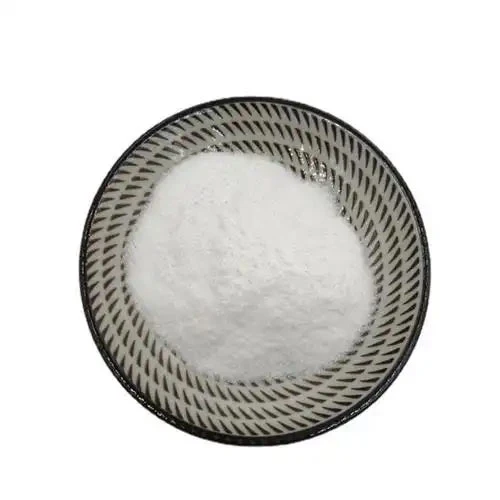
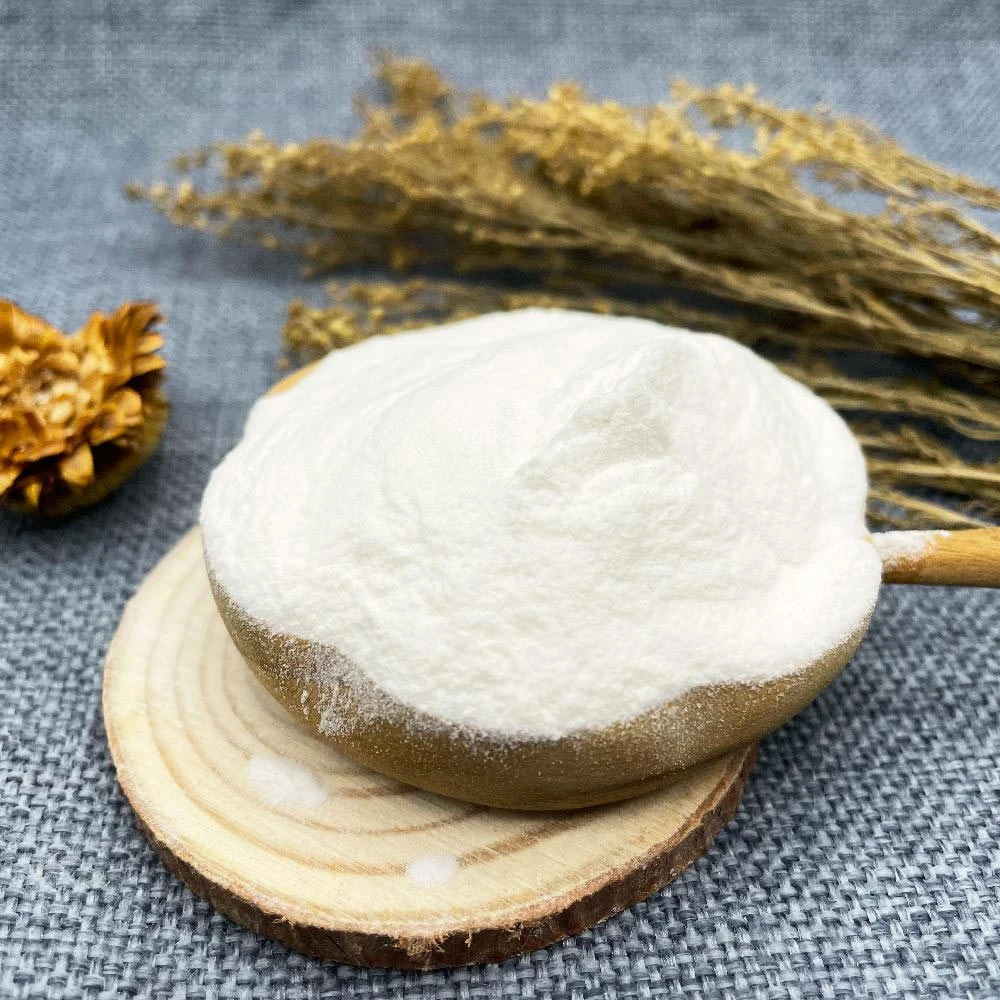
| Appearance | White to off-white powder | Visual inspection |
| Viscosity (2% solution, 25°C) | 2000 ± 300 mPa.s | Brookfield viscometer |
| pH (1% solution) | 6.5 – 8.0 | pH meter |
| Moisture | ≤ 5% | Oven drying method |
Benefits & Use Cases of Hydroxyethyl Cellulose For Paint
Why do so many industrial paint producers turn to Hydroxyethyl Cellulose? Well, for starters, it offers unparalleled thickening control which means that paints maintain their ideal flow and leveling during application. Particularly in waterborne paints, it prevents pigment settling and aids in smooth sprayability — things that literally make or break the final product’s quality.
Moreover, Tangzhi’s Hydroxyethyl Cellulose adds water retention capacity, ensuring paints dry evenly without surface defects. This is huge for companies aiming for consistent finishes across diverse climates or application methods. Its chemical stability also means that formulations have a longer shelf life, which frankly can save operational headaches.
Use cases go beyond just indoor paints: exterior coatings, wood varnishes, and even adhesives use HEC to optimize their properties. What stands out is Tangzhi's ability to customize viscosity grades, suiting different manufacturing demands. Honestly, having a partner who understands those nuances makes a significant difference in production.
Cost, Maintenance & User Experience
When it comes to cost, Hydroxyethyl Cellulose generally fits well within a paint producer’s budget—but it boils down to total cost of ownership. While the initial purchase might seem slightly higher than some traditional thickeners, the material’s efficiency often translates to using less product per batch. This improved yield positively impacts ROI.
Durability in storage and formulation stability means fewer rejects and retrials. I recall speaking with a coatings engineer who mentioned that switching to Tangzhi’s HEC cut downtime related to viscosity adjustments by almost half. Also, from a maintenance perspective, the non-ionic nature makes it less prone to reactions with other additives, so you avoid unexpected viscosity spikes.
Customer feedback often points out the ease of dispersion in water and consistency from batch to batch — small things that really improve the working environment and reduce stress on manufacturing lines.
Sustainability & Market Trends
Sustainability is no longer just buzz — it’s increasingly pivotal in raw material choices. Hydroxyethyl Cellulose, being cellulose-based, aligns with green chemistry goals, as cellulose is renewable and biodegradable. Tangzhi’s production methods also emphasize low emissions and energy efficiency, which helps manufacturers meet tighter environmental regulations in Europe, North America, and increasingly in Asia.
Market trends suggest a growing preference for water-based paints over solvent-based ones, driven by VOC (Volatile Organic Compounds) regulation and consumer demand for eco-friendly products. This shift puts Hydroxyethyl Cellulose front and center as a key functional ingredient that enables those formulations to work well.
| Vendor | Price per kg | Viscosity Range (mPa.s) | Customization | Sustainability Certifications |
|---|---|---|---|---|
| Tangzhi HPMC | $4.50 | 500-5000 | High | ISO 14001 |
| Competitor A | $5.00 | 1000-4000 | Medium | None |
| Competitor B | $3.80 | 800-3000 | Low | None |
Frequently Asked Questions about Hydroxyethyl Cellulose For Paint
- What is Hydroxyethyl Cellulose For Paint and how does it work?
- Simply put, Hydroxyethyl Cellulose (HEC) is a cellulose-based polymer that thickens and stabilizes water-based paints. It works by increasing the viscosity of the liquid, which helps keep pigments evenly suspended and prevents dripping, while also improving the overall texture of the paint.
- What are the main benefits of using Hydroxyethyl Cellulose For Paint in industrial applications?
- The key advantages include consistent viscosity control, enhanced water retention during drying, longer product shelf life, and improved application properties such as leveling and adhesion. These benefits drive better product performance and reduce waste.
- How does Hydroxyethyl Cellulose For Paint compare to traditional alternatives?
- Compared to traditional thickeners like natural clays or synthetic polymers, HEC offers more precise viscosity control, compatibility with a wider range of additives, and better stability in storage. This means manufacturers get more predictable results and less batch-to-batch variation.
- What industries can benefit most from Hydroxyethyl Cellulose For Paint implementation?
- Beyond decorative paints and coatings, HEC finds use in automotive finishes, wood varnishes, adhesives, and even construction materials. Its versatility makes it a go-to additive wherever water-based formulations are involved.
Conclusion on Hydroxyethyl Cellulose For Paint from china
To sum it up, Hydroxyethyl Cellulose For Paint from Tangzhi HPMC offers an excellent balance of performance, cost-efficiency, and sustainability. For B2B decision makers looking to optimize paint formulations and increase production reliability, it’s a solution worth considering. Visit our website: https://www.tangzhihpmc.com
Reflecting on sources and industry chatter, it’s clear that HEC is quietly powering better paints around the globe — a somewhat unsung hero in coatings chemistry.
-
Exploring the Benefits of Hydroxyethyl Cellulose in Cosmetics FormulationsNewsJan.30,2026
-
Comprehensive Guide to Hydroxyethyl Cellulose Gel Properties and Industrial ApplicationsNewsJan.28,2026
-
Enhancing Hair Care Formulations with Hydroxyethyl Cellulose for HairNewsJan.27,2026
-
Exploring Hydrophobically Modified Hydroxyethyl Cellulose and Its Diverse ApplicationsNewsJan.27,2026
-
Understanding Hydroxyethyl Cellulose Structure: Benefits & Industry Insights | Tangzhi HPMCNewsJan.06,2026
-
Hydroxyethyl Cellulose Solubility in Water: Expert Insights & SpecsNewsJan.06,2026