MHEC Powder: Key Features, Uses & Vendor Insights
Understanding mhec powder: Insights from Industry Experience
Having spent more than a decade working hands-on in the industrial equipment sector, I’ve come across a variety of specialty materials, but mhec powder always seems to be one that sparks curiosity—and for good reason. It’s one of those components that’s quietly critical in many manufacturing and construction processes. If you haven’t heard of it before, I suppose it feels a little technical or niche at first, but once you dive into its properties and applications, it reveals itself as a genuinely versatile, dependable player.
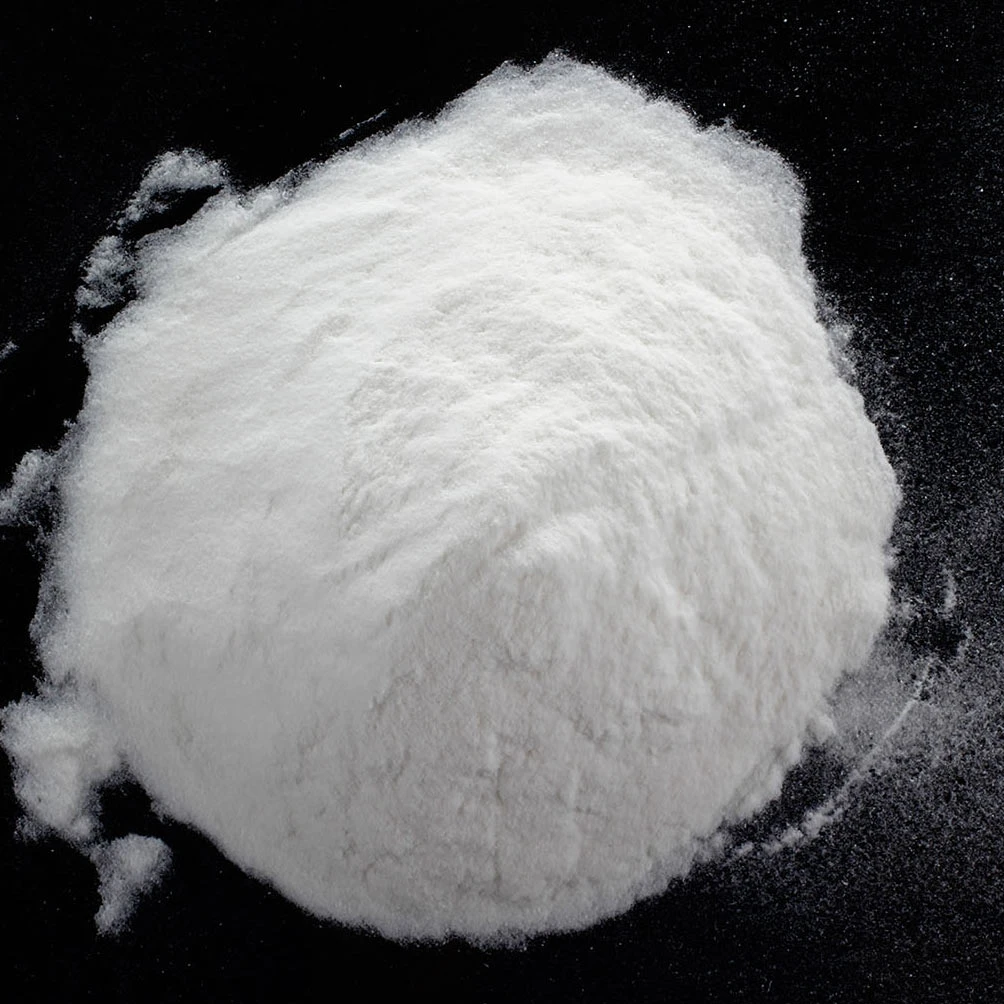
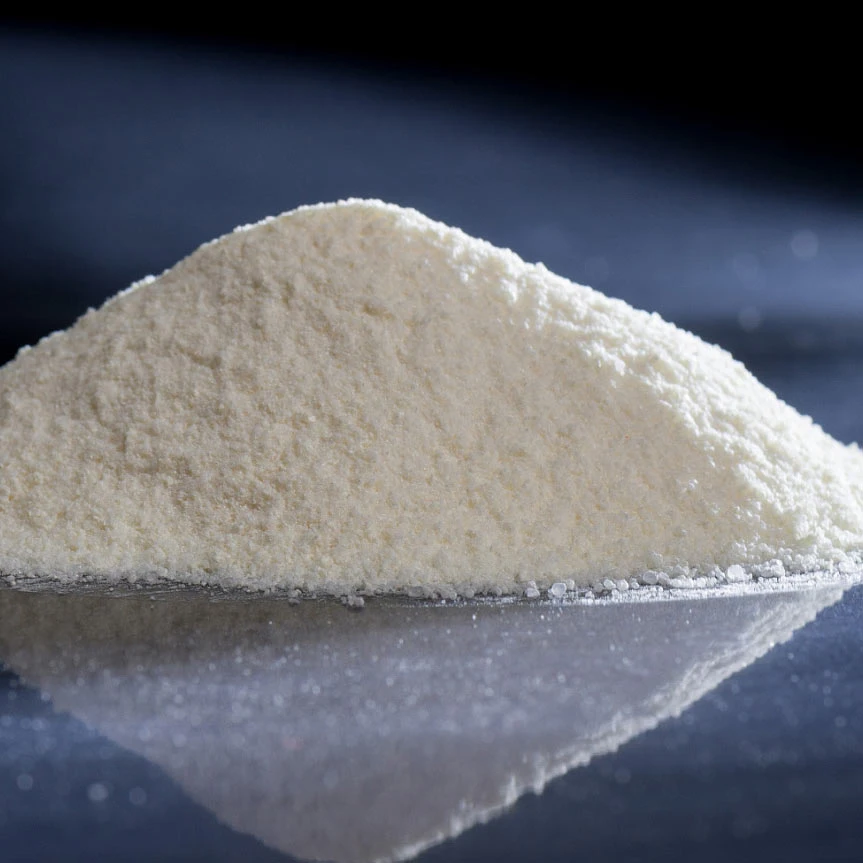
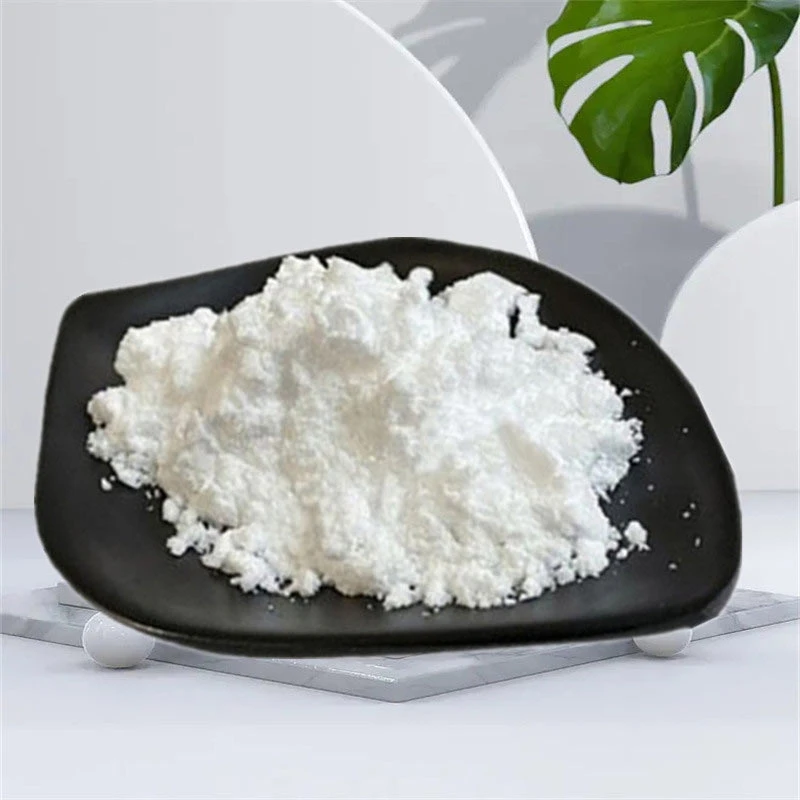
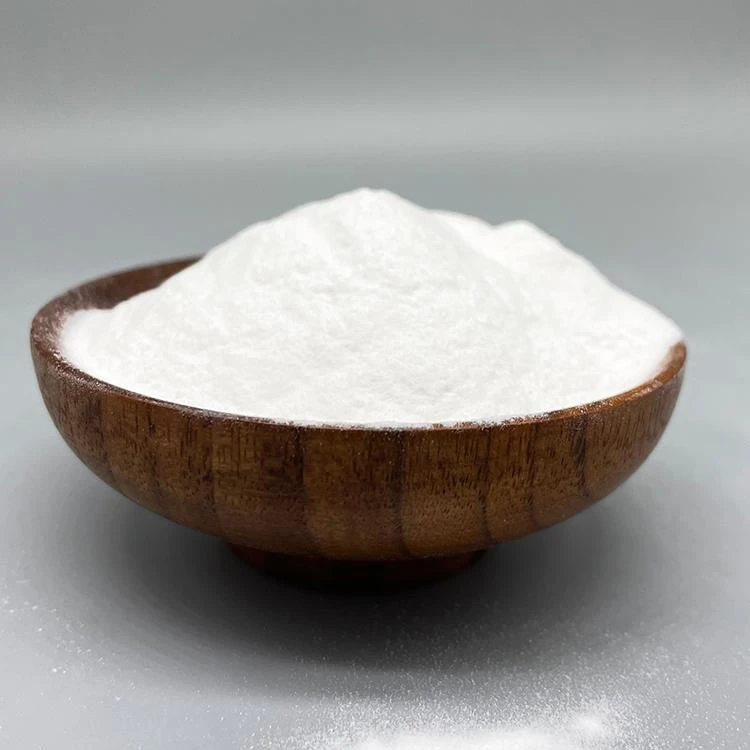
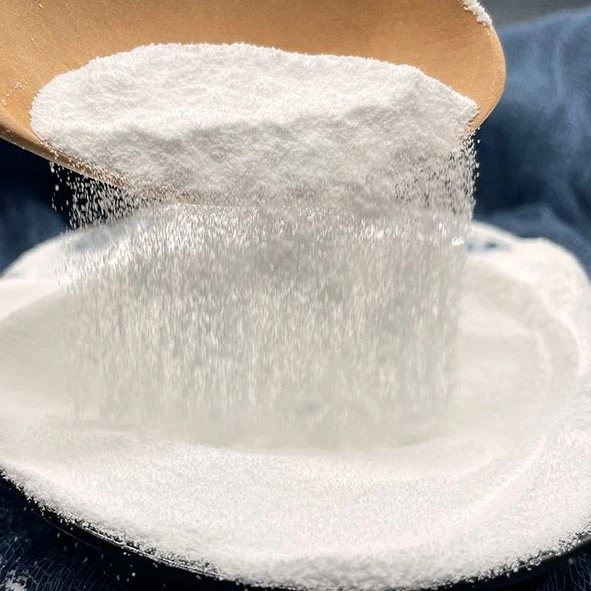
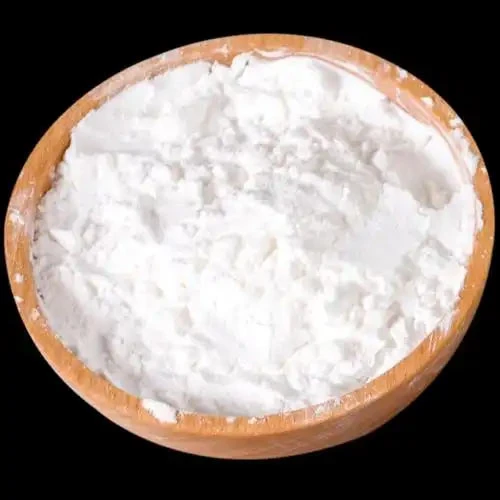
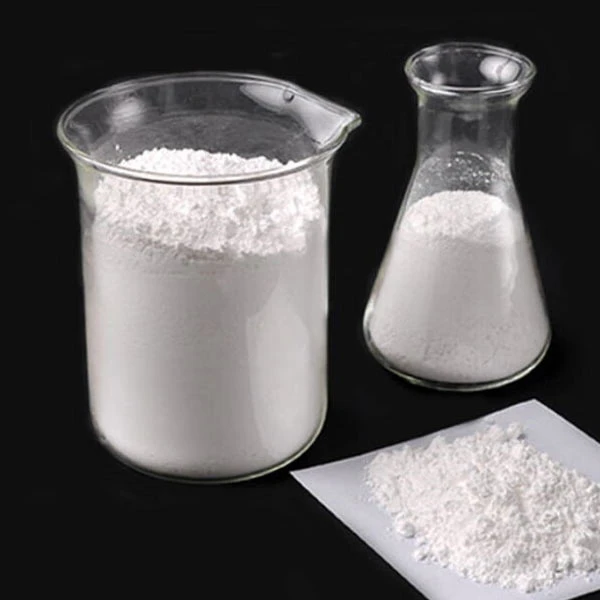
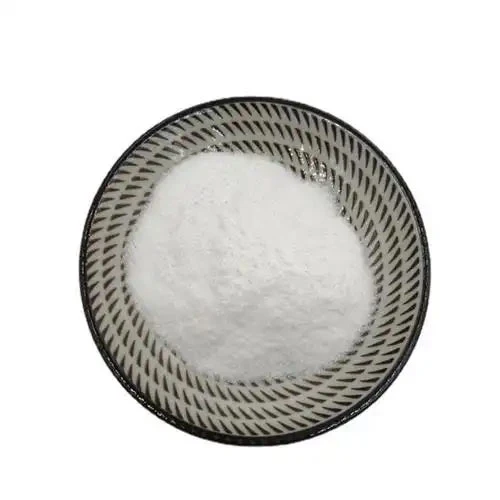
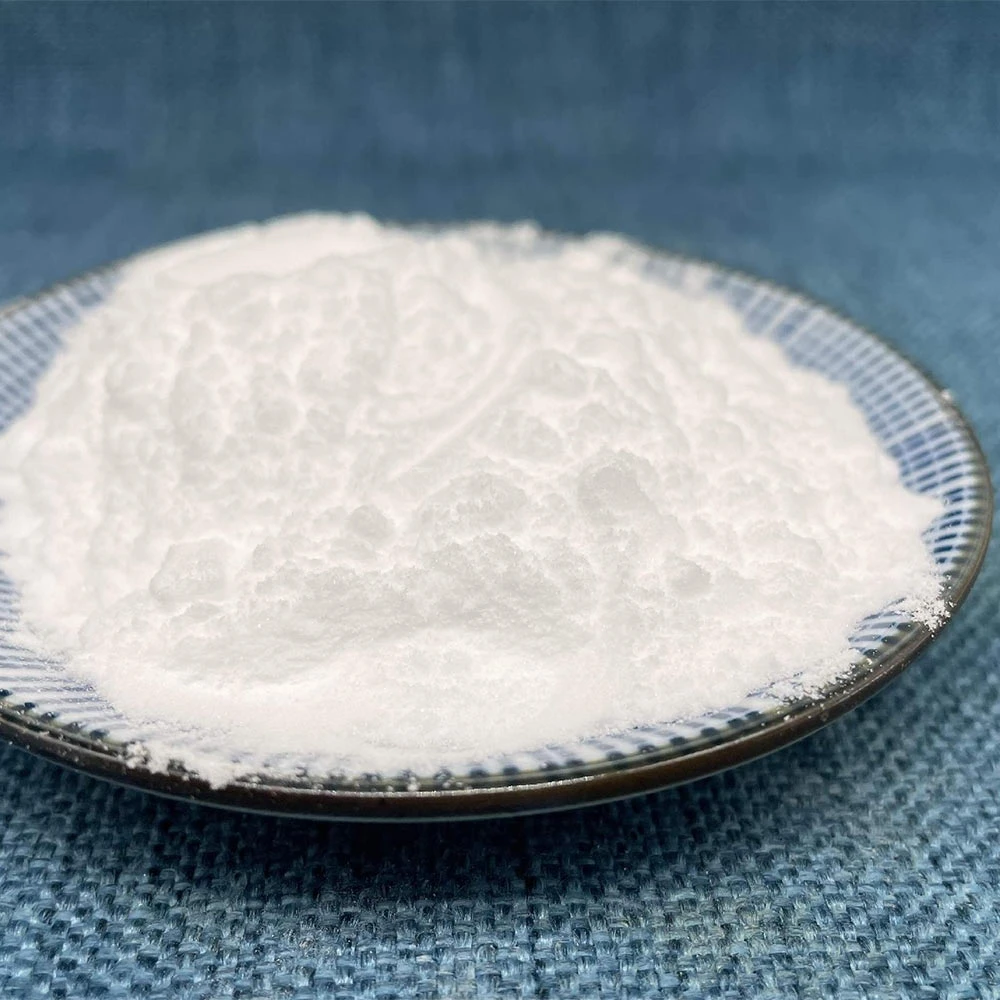
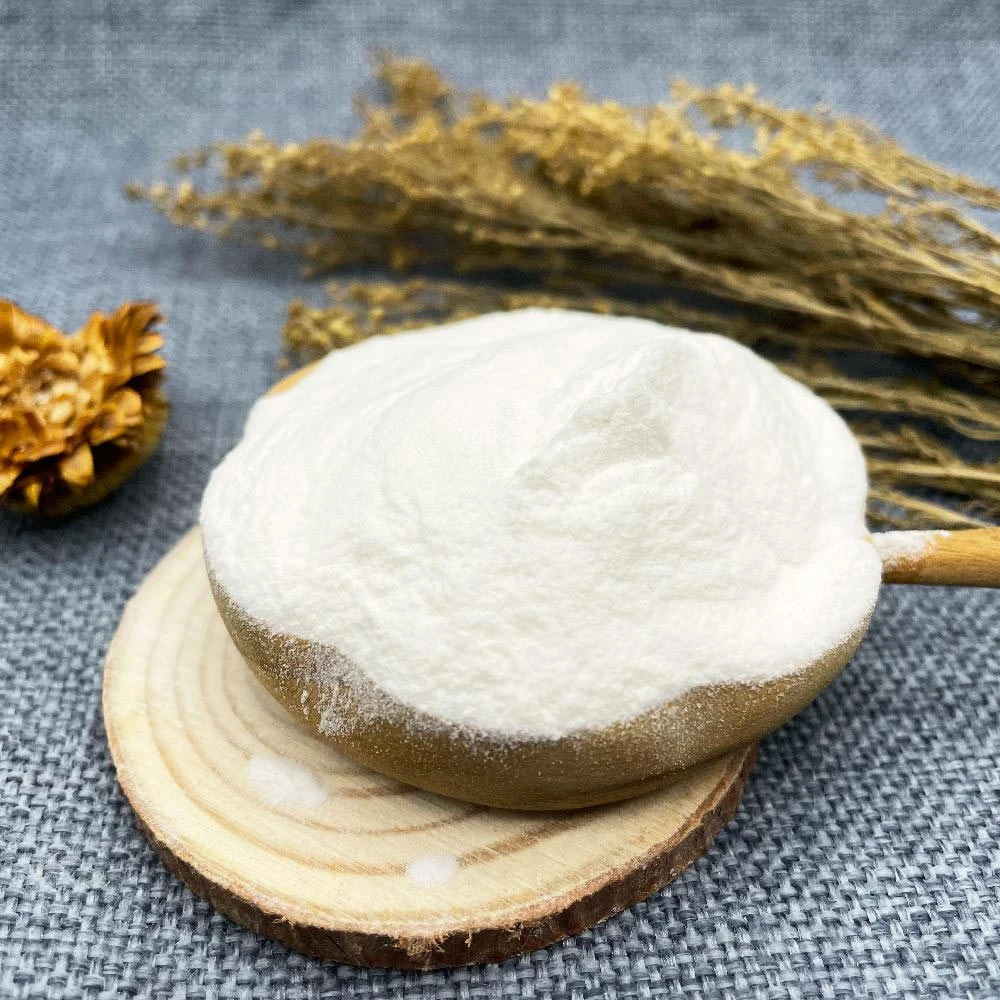
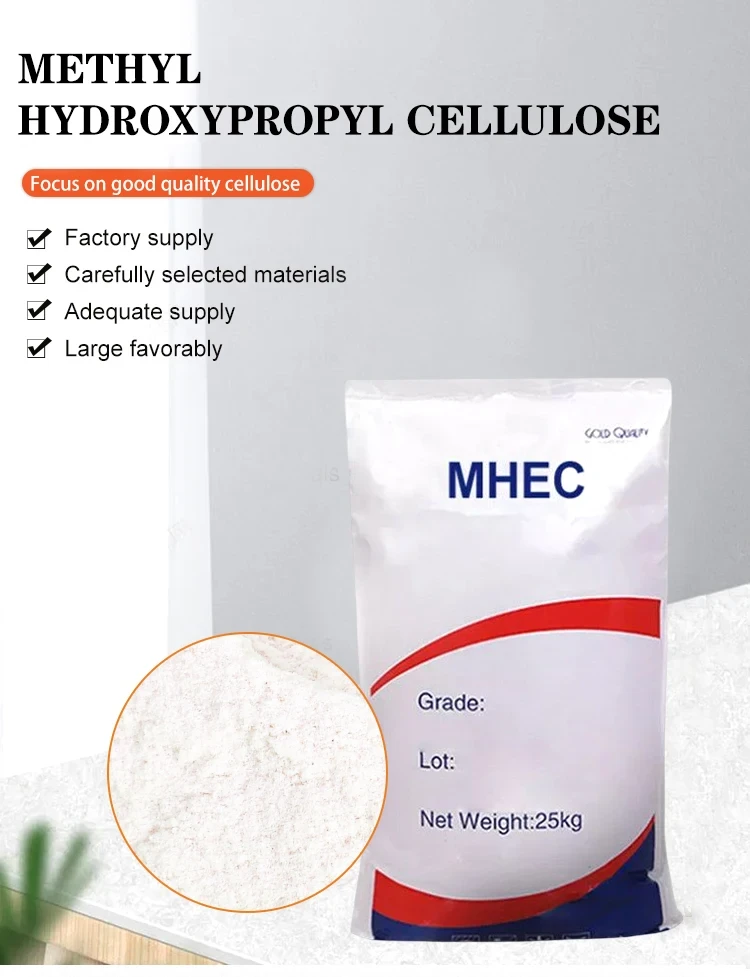
So, what exactly is mhec powder? At its core, it’s a kind of cellulose ether derivative widely prized for its thickening, binding, and water-retention capabilities. In real terms, mhec powder helps ensure mixes hold their consistency without separating or drying out prematurely. If you’ve tinkered with anything from cementitious mortars to paints or coatings, you’ve probably encountered a product where mhec plays a subtle but critical role.
Oddly enough, despite its widespread use, it’s not always given the spotlight it deserves—that is, until something goes wrong without it. I remember a project where the wrong additive was used, and the mortar wouldn’t hold up under humid conditions. Swapping in mhec powder turned things around quickly, which kind of solidified my respect for it as more than just another additive.
Key Features and Typical Specifications
| Property | Value | Units |
|---|---|---|
| Appearance | White Powder | - |
| Methoxy content | 28-30 | % |
| Viscosity (2% solution) | 10000-12000 | mPa·s |
| pH (2% solution) | 5.0-7.5 | - |
| Water retention | ≥ 95 | % |
What I notice about the specifications is the balance between viscosity and water retention. Many engineers say mhec powder’s ability to keep water locked inside mixes without making them too thick is almost an art form. For instance, in tile adhesive production, it helps manage workability without sacrificing adhesion. That subtlety in performance often comes from meticulous quality control at the vendor level.
Comparing Vendor Options for mhec Powder
| Vendor | Viscosity Range (mPa·s) | Purity (%) | Water Retention (%) | Customization |
|---|---|---|---|---|
| Tangzhi HPMC | 10000-12000 | >99.5 | ≥95 | Yes, tailored viscosity & purity |
| Vendor B | 9000-11000 | 97-98 | 90-93 | Limited |
| Vendor C | 11000-13000 | 99.0 | ≥94 | Standard grades |
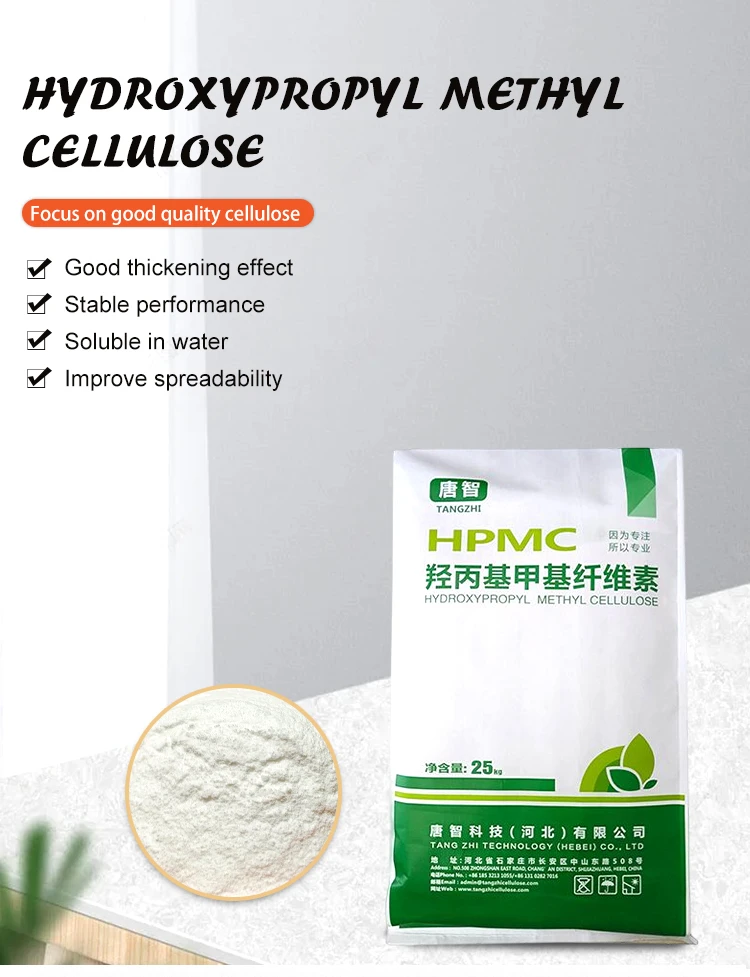
From my experience, choosing the right mhec powder supplier really boils down to how consistent and customizable their product is. Tangzhi HPMC, for example, stands out for combining high purity with tailored viscosity options, which frankly makes it easier for formulation engineers to hit their target properties faster. You know, the whole "reduce trial-and-error" factor.
Speaking of practical usage, I remember a small local client who struggled with inconsistent tile adhesive quality. After switching to mhec powder from Tangzhi, their mixing process stabilized significantly, leading to fewer complaints and better shelf life. These kinds of real-world outcomes, beyond the lab specs, are what sell me on a supplier’s reliability.
In wrapping up, mhec powder continues to prove its value across diverse industrial applications. Its seemingly simple chemistry masks a complex performance profile that demands respect. For anyone working on cement additives, paints, or other specialty mixes, understanding and selecting the right mhec powder can be a game changer.
Honestly, it feels a bit like one of those unsung heroes—quiet, effective, and absolutely essential.
References:
- Technical datasheets from Tangzhi HPMC
- Industrial mortar mix formulation guides
- Discussions with formulation engineers in the field
-
Exploring the Benefits of Hydroxyethyl Cellulose in Cosmetics FormulationsNewsJan.30,2026
-
Comprehensive Guide to Hydroxyethyl Cellulose Gel Properties and Industrial ApplicationsNewsJan.28,2026
-
Enhancing Hair Care Formulations with Hydroxyethyl Cellulose for HairNewsJan.27,2026
-
Exploring Hydrophobically Modified Hydroxyethyl Cellulose and Its Diverse ApplicationsNewsJan.27,2026
-
Understanding Hydroxyethyl Cellulose Structure: Benefits & Industry Insights | Tangzhi HPMCNewsJan.06,2026
-
Hydroxyethyl Cellulose Solubility in Water: Expert Insights & SpecsNewsJan.06,2026