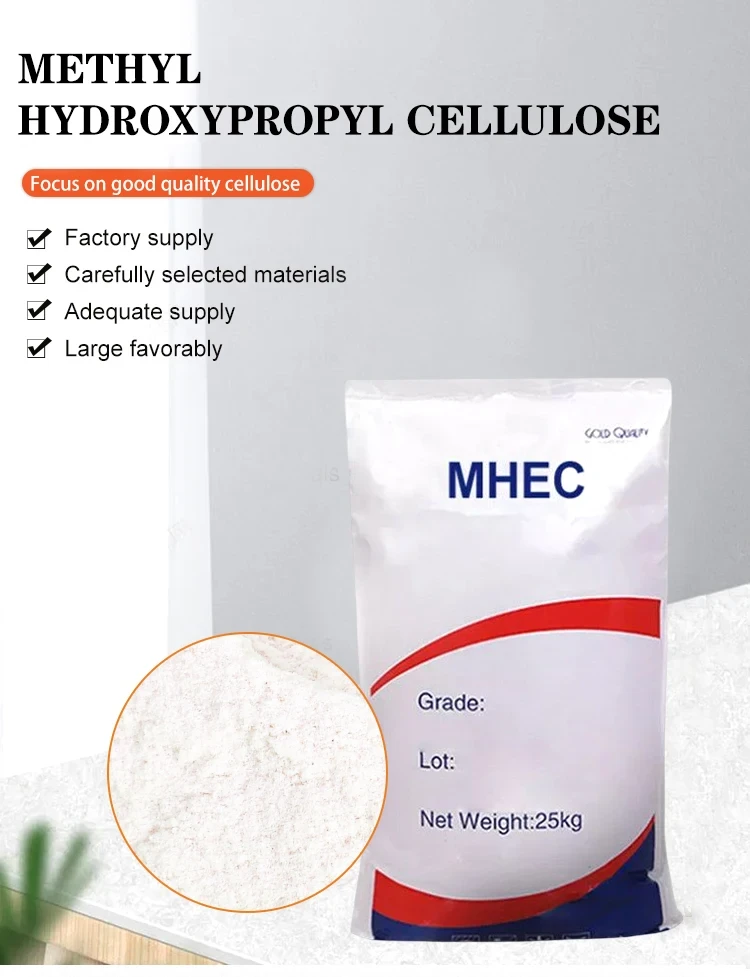
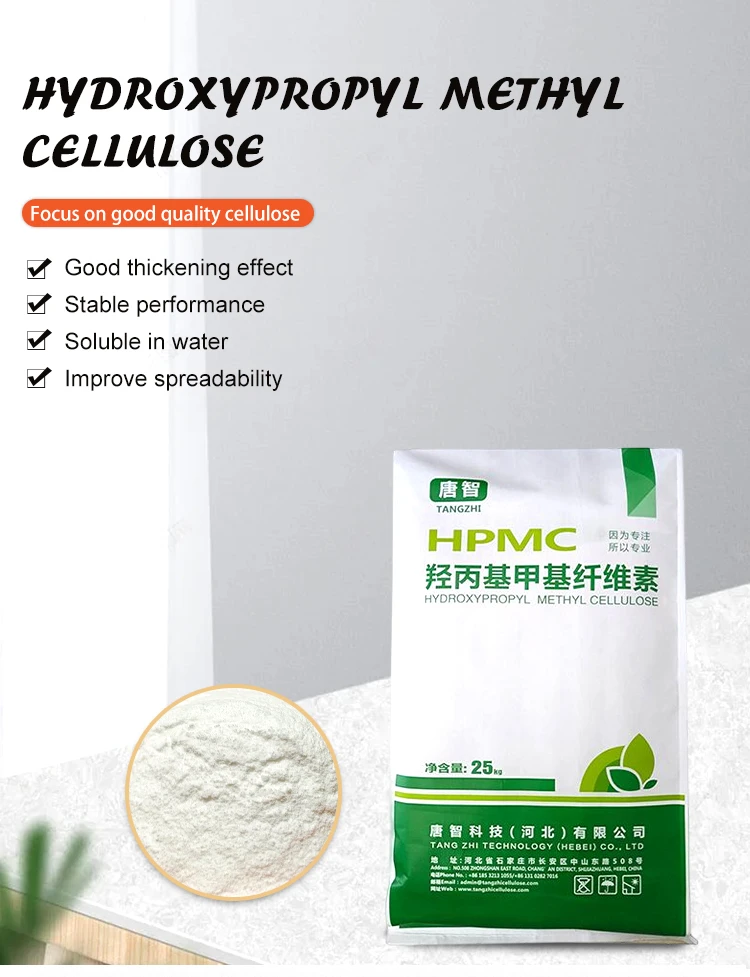
Hydroxyethyl Methyl Cellulose (HEMC) – Trusted Industrial Additive
Understanding Hydroxyethyl Methyl Cellulose (HEMC): A Veteran’s Perspective
After more than two decades in the industrial equipment and chemical compounds sector, I can say that hydroxyethyl methyl cellulose (HEMC) is one of those materials that quietly does a lot of heavy lifting behind the scenes. It’s odd how something that looks so simple can influence product performance so significantly – especially in things like construction, paints, and even pharmaceuticals.
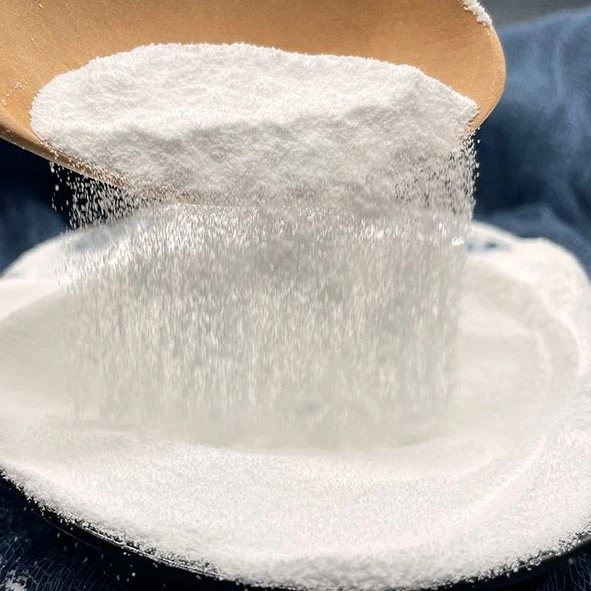
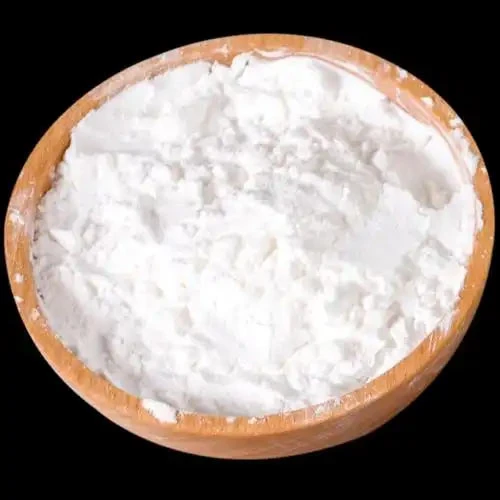
For those unfamiliar, hydroxyethyl methyl cellulose is a modified cellulose ether, often derived from wood pulp or cotton fibers. Its chemical tweaks make it water-soluble and, frankly, quite versatile as a thickener, binder, and film former. From my experience working alongside formulation chemists, the appeal lies in HEMC’s ability to stabilize mixtures, control viscosity, and improve workability – sort of the unsung hero of many industrial processes.
What I find especially interesting is how tailored the chemistry can get. The ratio of hydroxyethyl to methyl groups affects properties like solubility and temperature stability, making it crucial to pick the right variant for a given application. It’s not just "HEMC"; it’s about which HEMC you’re using.
Product Specifications That Matter
| Specification | Typical Value | Unit |
|---|---|---|
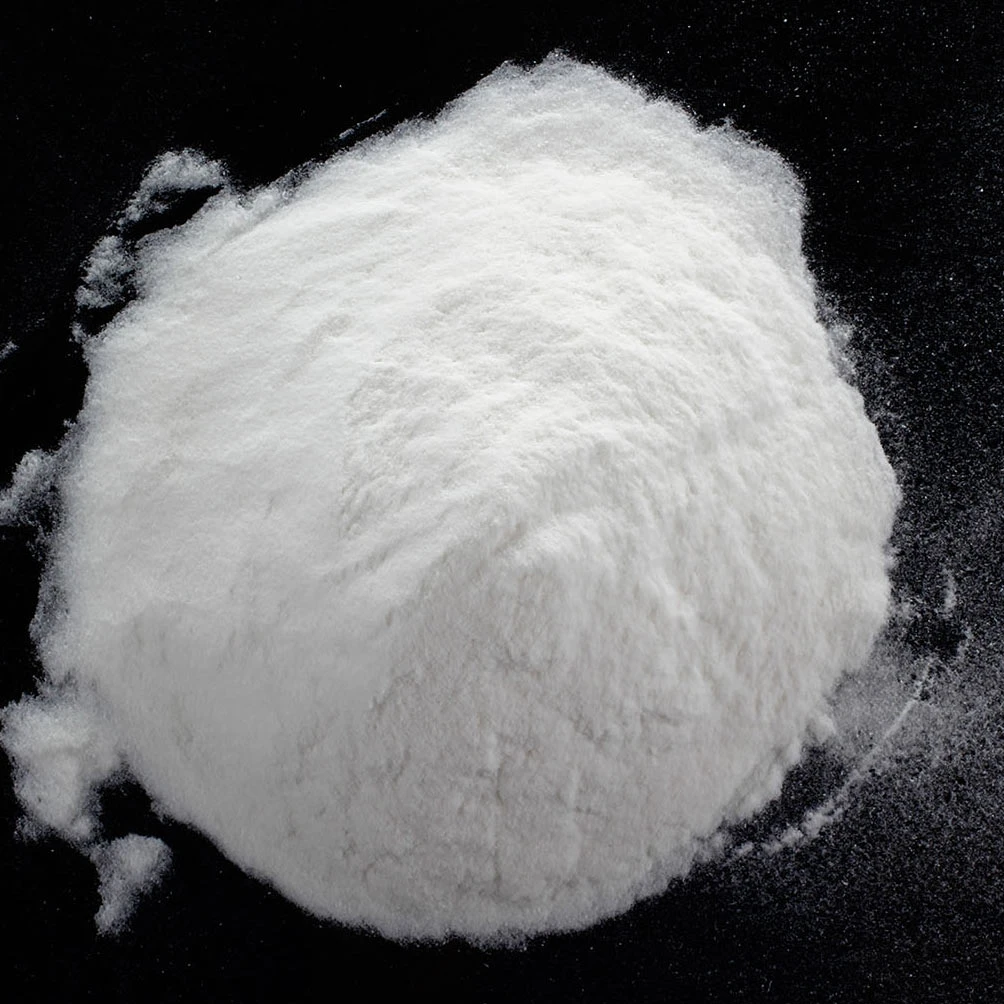
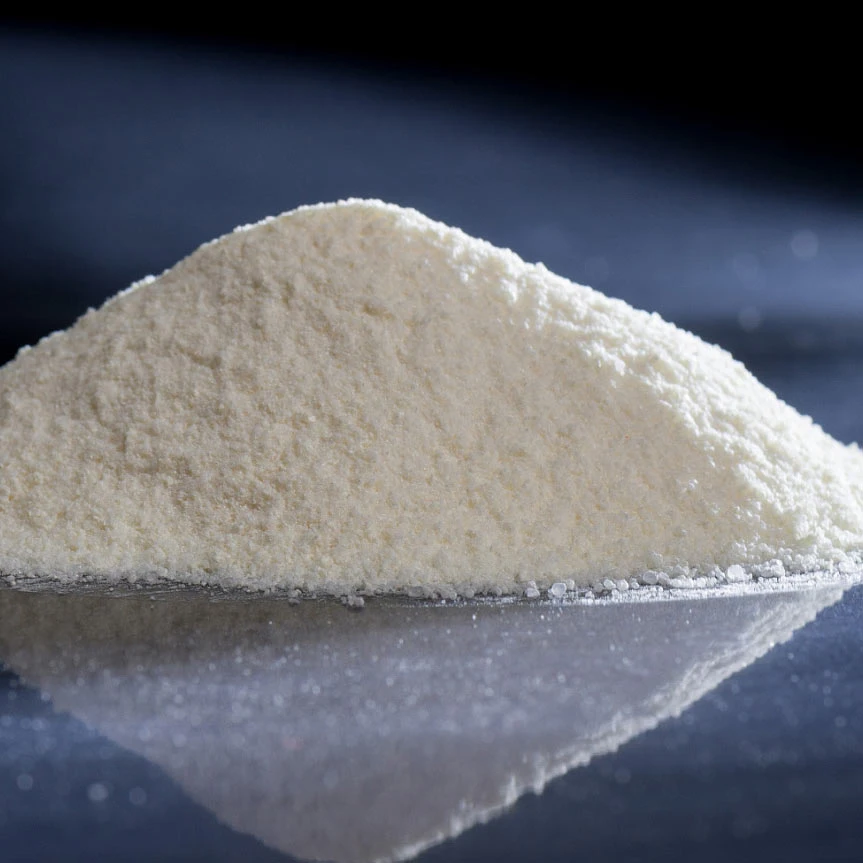
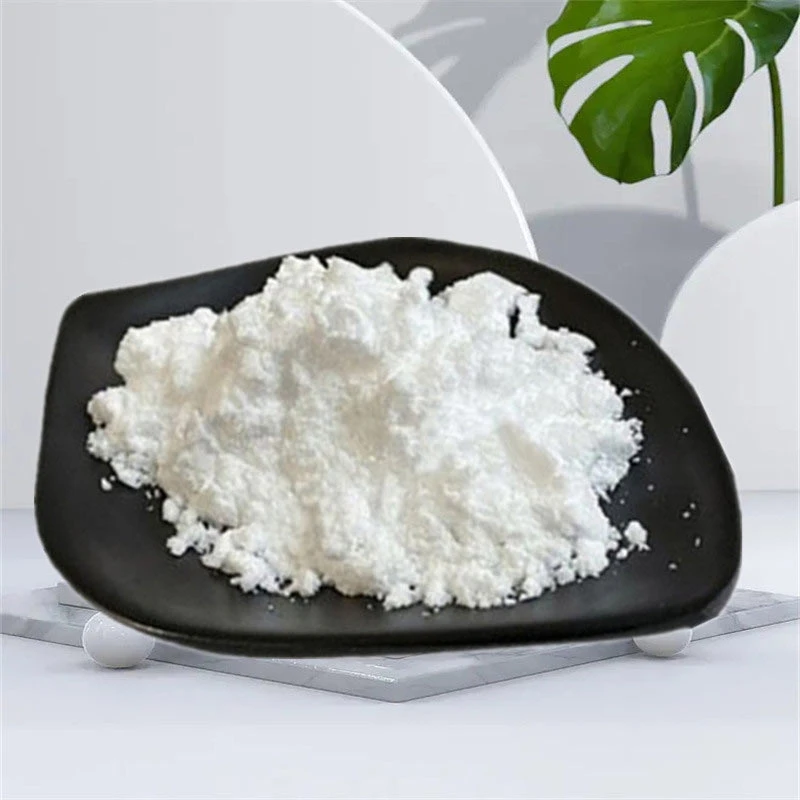
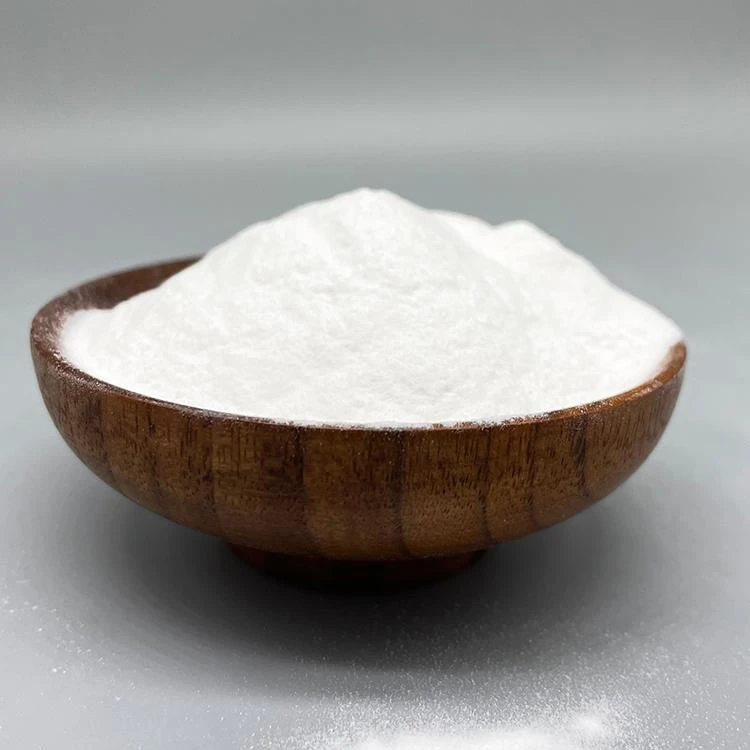
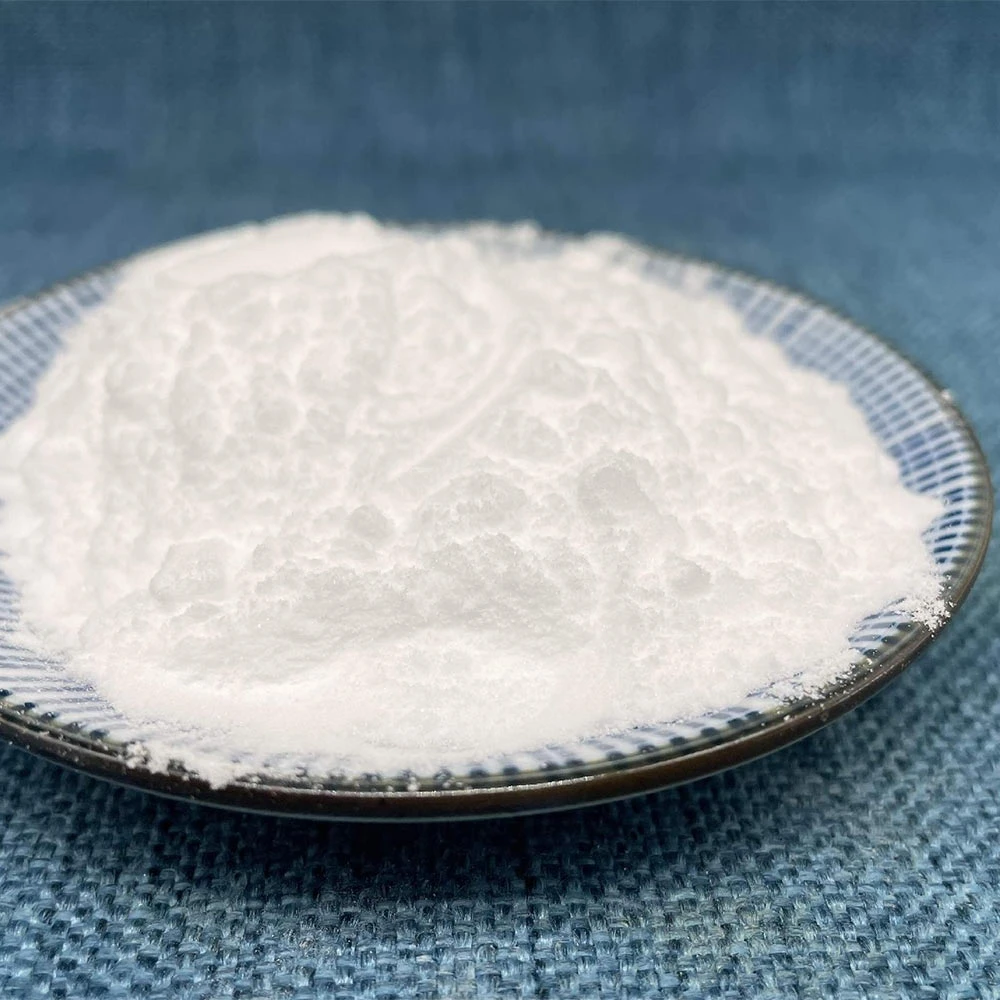
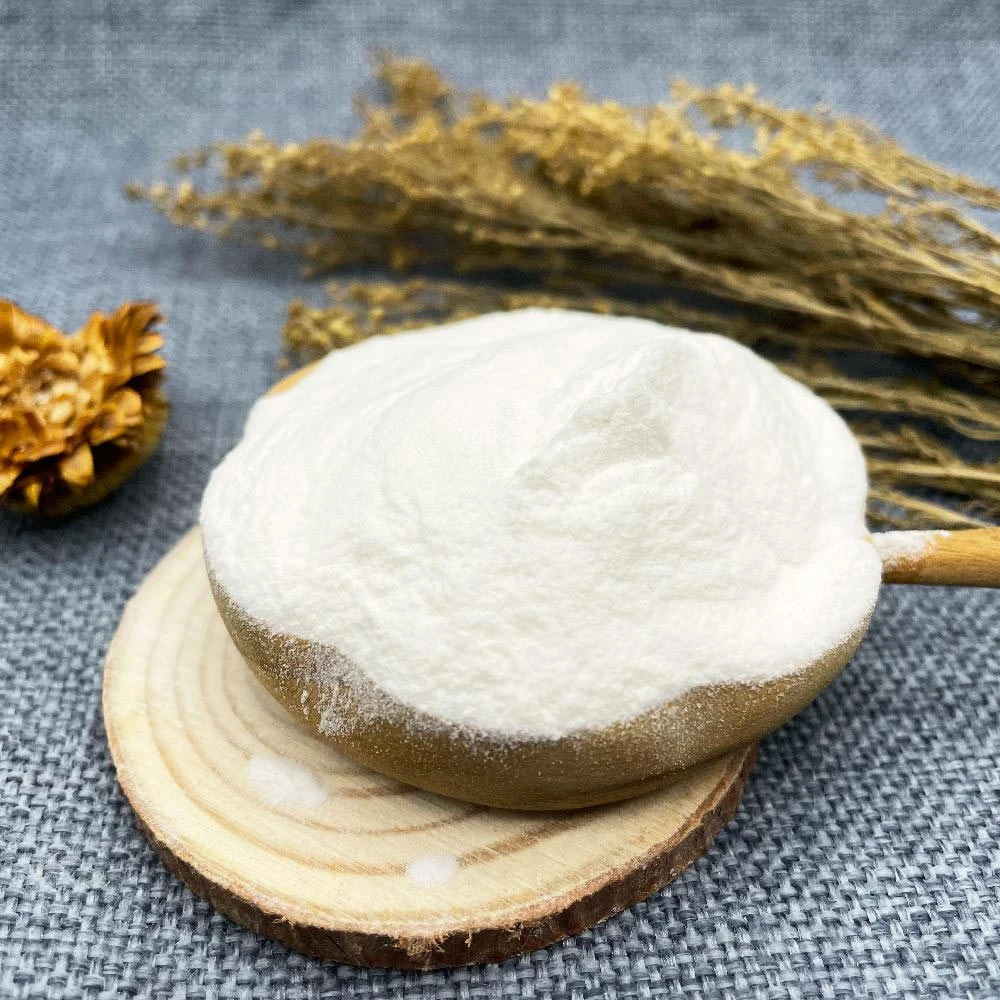
| Appearance | White to light beige powder | |
| Methoxy Content | 19–24 | % |
| Hydroxyethyl Content | 7–12 | % |
| Viscosity (2% solution, 20°C) | 3000–5000 | mPa·s |
| pH (1% solution) | 6.5–8.0 | |
| Moisture Content | ≤5 | % |
Now, this table probably looks dry (pun intended), but these figures translate directly to how the product will perform on the shop floor or in your mixing tanks. For example, viscosity controls how smooth or thick your slurry gets, which matters if you’re pumping or spraying a coating. And moisture content? Too high, and you might face clumping or inconsistent batches.
Choosing Your Vendor: What’s Crucial?
I’ve worked with a few suppliers over the years, and frankly, while the specs are important, what really counts is consistency and support. It’s one thing to have a certificate of analysis, it’s another when your batch matches it every time.
| Vendor | Consistency | Technical Support | Price Competitiveness | Delivery Speed |
|---|---|---|---|---|
| Tangzhi Chemical | Excellent | Responsive | Moderate | Fast |
| Vendor A | Good | Limited | High | Moderate |
| Vendor B | Variable | Good | Low | Slow |
Specifically, I recall a recent project where Tangzhi Chemical's hydroxyethyl methyl cellulose helped us achieve a better spreadability on a water-based paint formulation. The difference was obvious not just in lab tests but on the finished walls. Clients noticed less dripping and better leveling, which isn’t always easy to achieve.
Oddly enough, the company’s customer service also stood out—they quickly adjusted the batch viscosity per our last-minute requests, which felt unusual in an industry where such flexibility is rare.
Wrapping It Up
In real terms, HEMC might seem like just another additive, but for those of us who’ve handled the grittier side of production, it’s clear it’s a subtle game-changer. Whether you’re in construction, paints, or even pharma, understanding the specs, sourcing wisely, and testing thoroughly can save headaches and cost down the road.
If you’re curious to learn more or check out some reliable hydroxyethyl methyl cellulose options, you might want to swing by Tangzhi Chemical’s site – they’ve got a solid reputation for quality and service.
Thanks for reading – I suppose every specialist eventually grows fond of these “invisible” ingredients that just make things work better.
References:
- Industry standard cellulose ether specifications, 2022.
- "Cellulose Ethers in Construction," Journal of Industrial Polymers, 2021.
- Tangzhi Chemical official product data sheets.
-
Exploring the Benefits of Hydroxyethyl Cellulose in Cosmetics FormulationsNewsJan.30,2026
-
Comprehensive Guide to Hydroxyethyl Cellulose Gel Properties and Industrial ApplicationsNewsJan.28,2026
-
Enhancing Hair Care Formulations with Hydroxyethyl Cellulose for HairNewsJan.27,2026
-
Exploring Hydrophobically Modified Hydroxyethyl Cellulose and Its Diverse ApplicationsNewsJan.27,2026
-
Understanding Hydroxyethyl Cellulose Structure: Benefits & Industry Insights | Tangzhi HPMCNewsJan.06,2026
-
Hydroxyethyl Cellulose Solubility in Water: Expert Insights & SpecsNewsJan.06,2026