Methyl Hydroxyethyl Cellulose Price & Supplier Comparison | Industrial Guide
Understanding Methyl Hydroxyethyl Cellulose Price Trends
After spending a good chunk of my career navigating the industrial equipment landscape, I can tell you that pricing for specialty chemicals like methyl hydroxyethyl cellulose (MHEC) never quite stays put. It’s a bit like trying to hit a moving target, honestly. You might think price just depends on supply and demand, but really, it’s a more nuanced cocktail of raw materials, production tweaks, and even global logistics challenges.
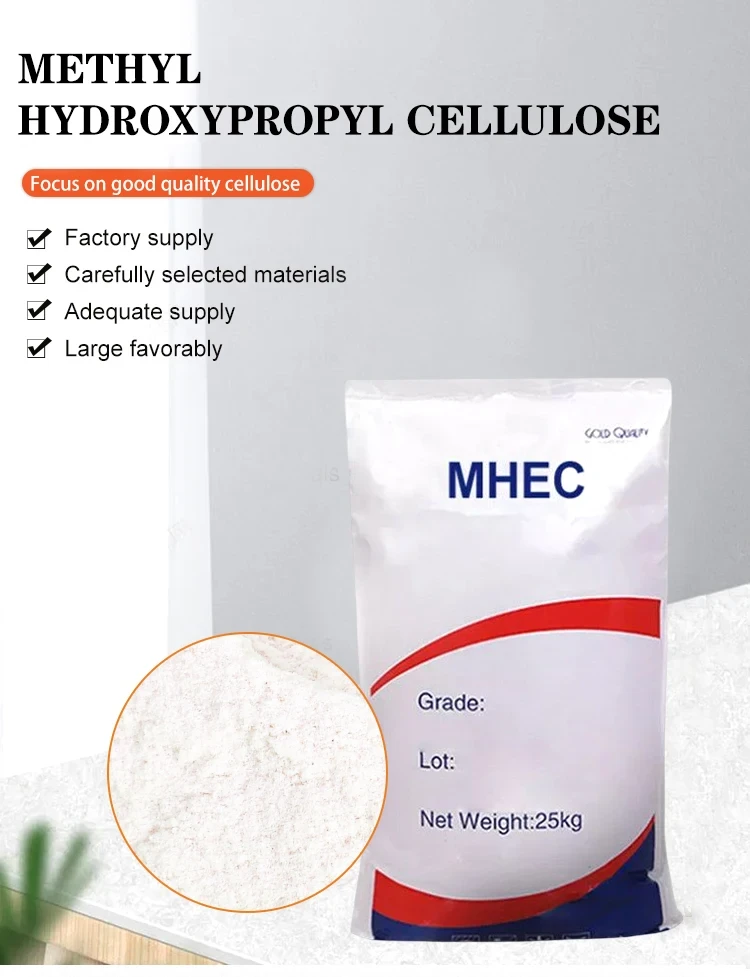
Now, for those unfamiliar, methyl hydroxyethyl cellulose is a cellulose ether derived from natural cellulose, modified to improve water retention and viscosity. It finds its way primarily into construction materials—think cement additives and tile adhesives—as well as coatings and drilling fluids. I remember when I first worked with it, the subtle variations in its properties really stood out. Grades differ slightly in molecular weight and substitution, which can directly affect performance and consequently, price.
Interestingly enough, while there are many cellulose ethers out there, methyl hydroxyethyl cellulose has carved itself a niche largely because of its excellent thickening and film-forming characteristics. So if you’re wondering about methyl hydroxyethyl cellulose price, the numbers often reflect those functional benefits—it’s not just about quantity but quality, too.
Speaking of quality, one supplier I often work with provides a spectrum of grades tailored for different needs. For example, fine powders for smooth mixing, or coarser varieties for enhanced structural bonding. I've seen some clients swear by their custom blends, tweaking viscosity to match climatic or application specifics. It’s one of those things you don’t just buy off a generic shelf if you want optimal results.
| Property | Typical Range | Unit |
|---|---|---|
| Methoxy content | 19–24 | % |
| Hydroxyethyl content | 16–22 | % |
| Viscosity (2% solution, 20°C) | 1000–6000 | mPa·s |
| pH (1% solution) | 6.5–8.0 | – |
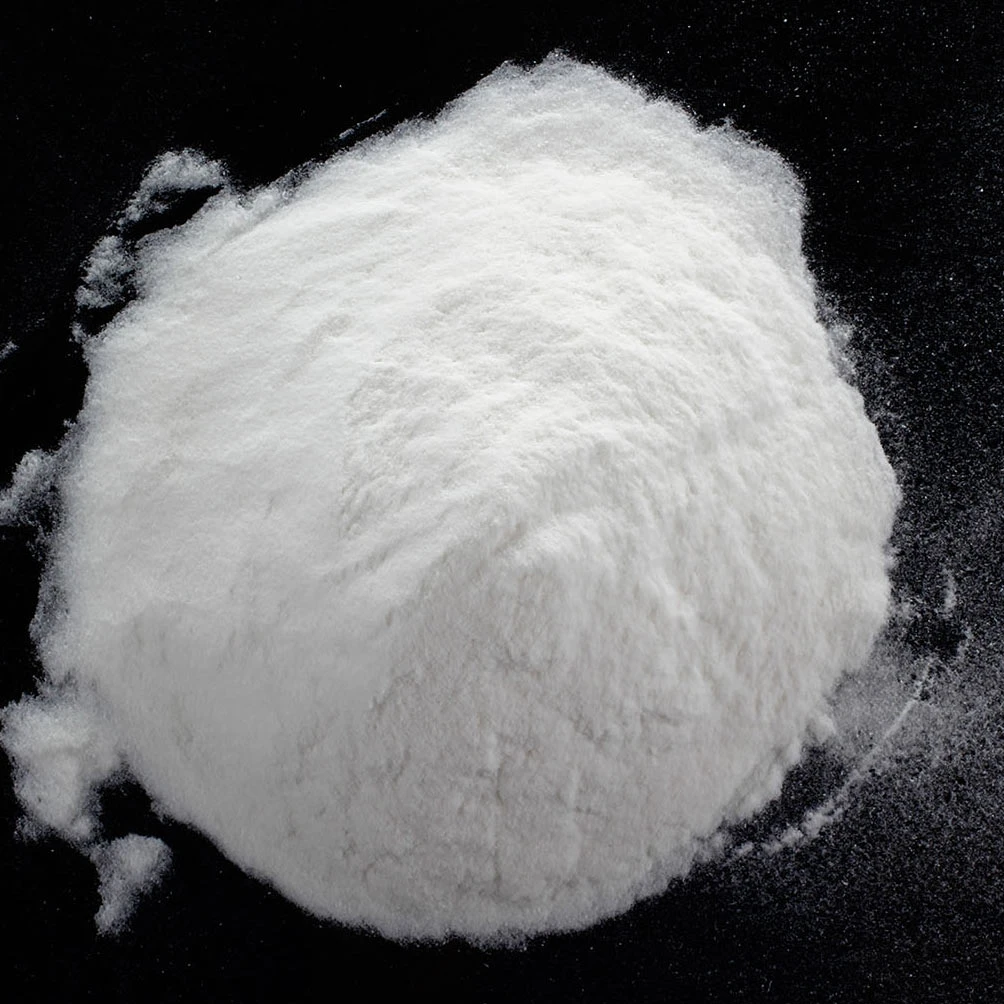
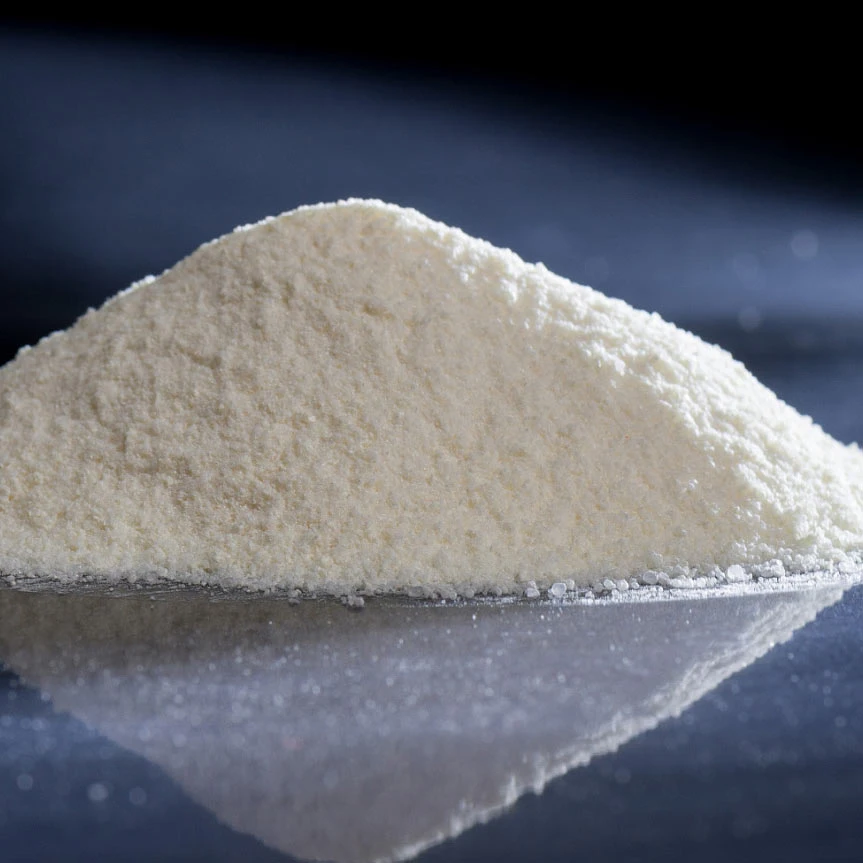
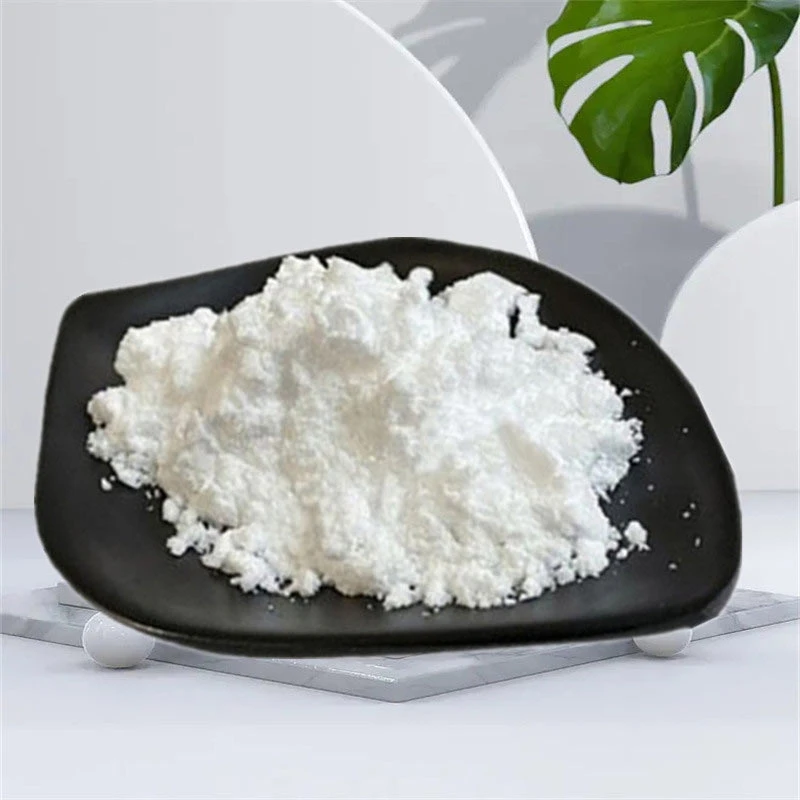
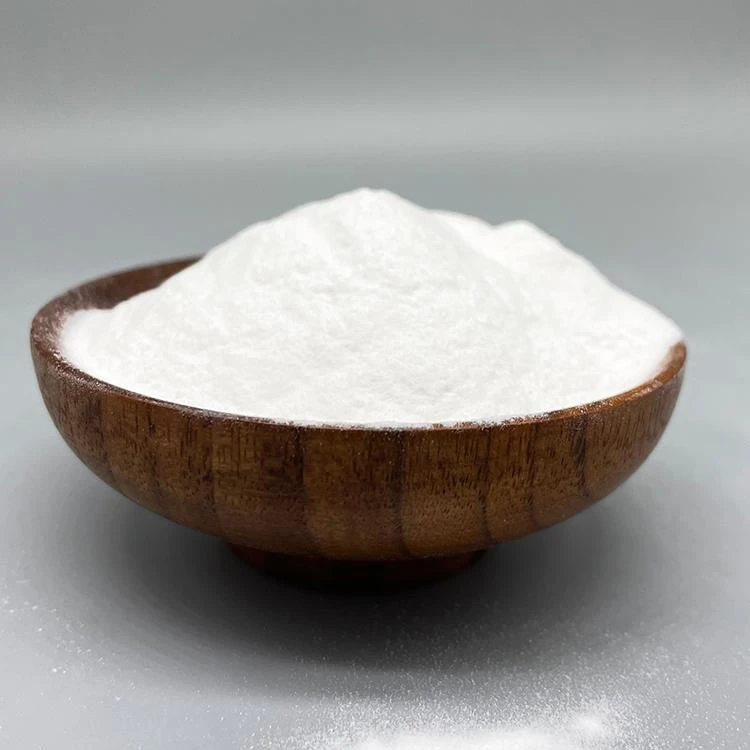
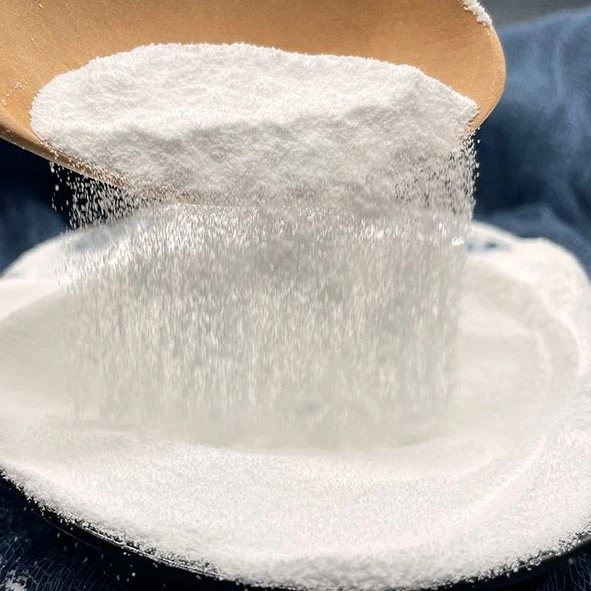
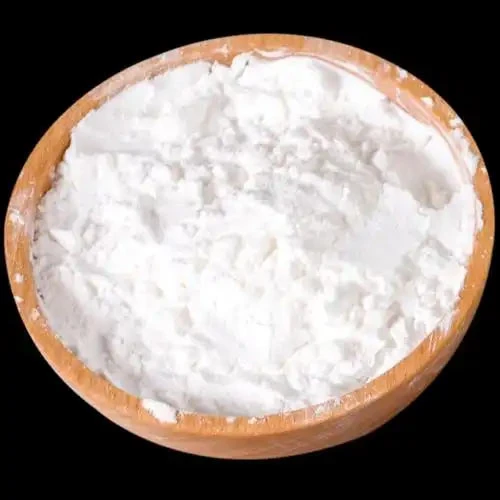
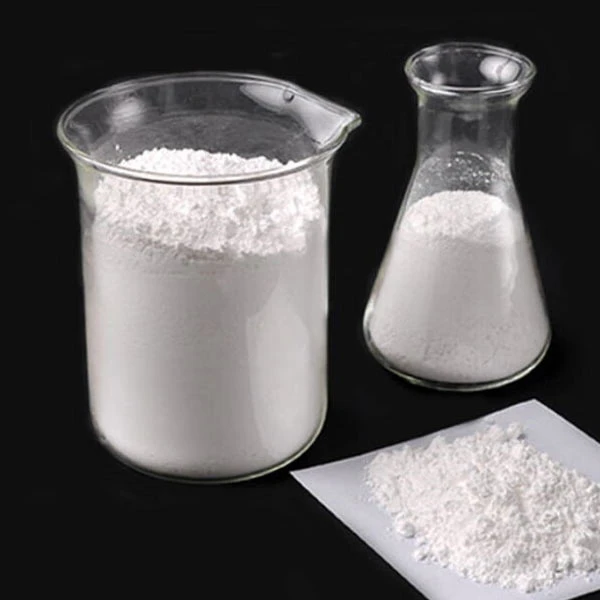
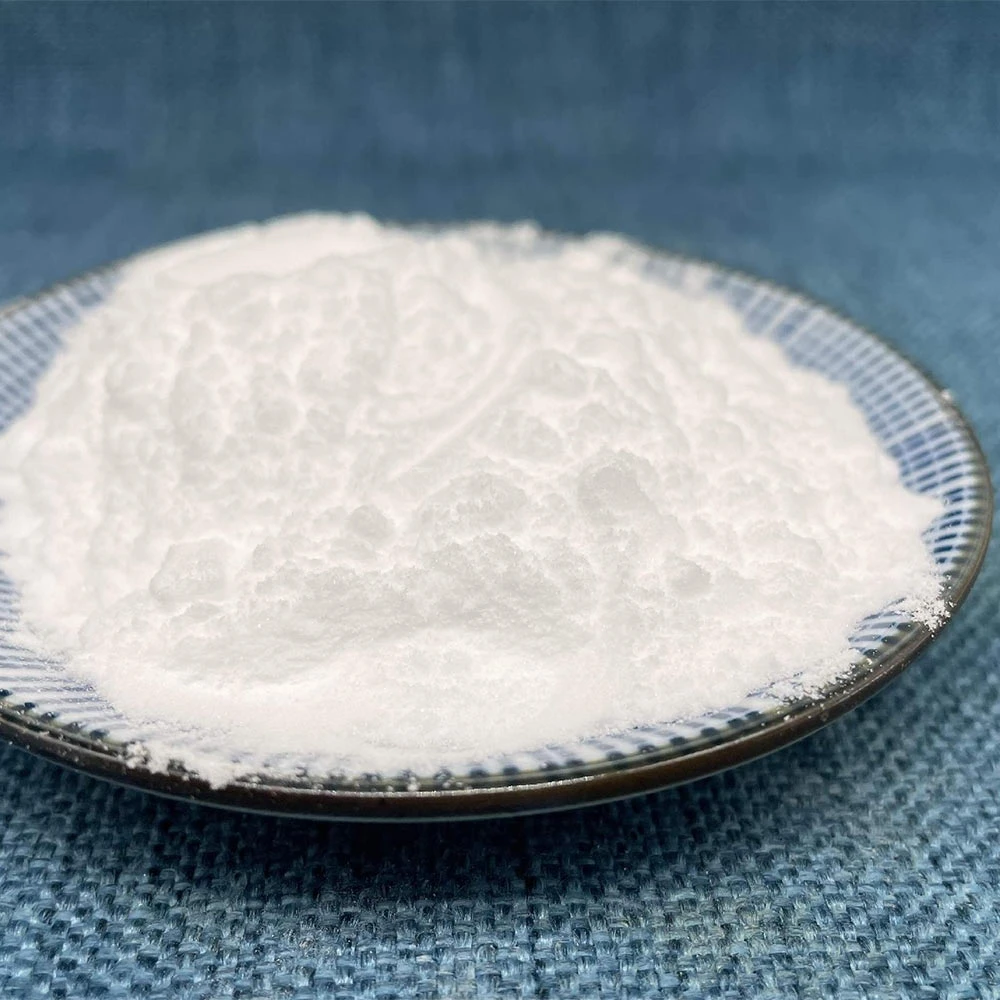
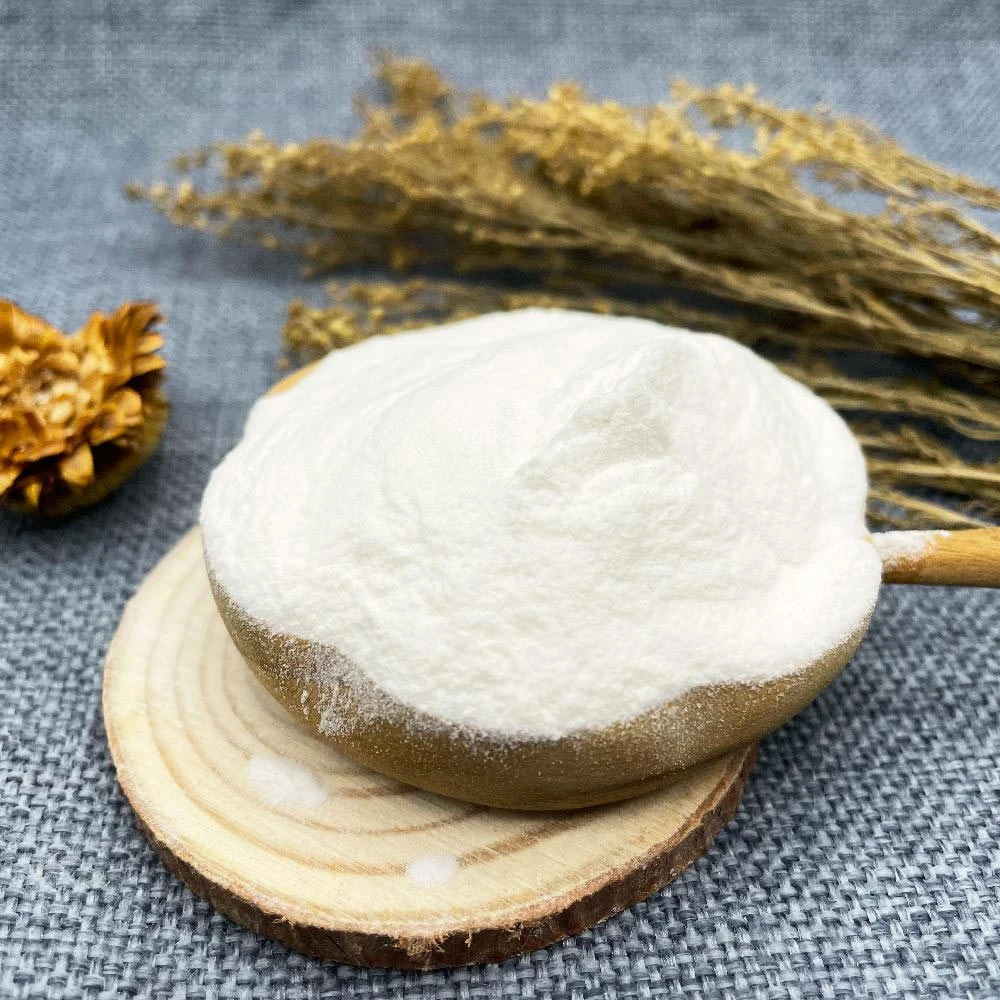
| Appearance | White powder | – |
About pricing itself, one trick I’ve noticed is the strong correlation with raw material costs, especially wood pulp sources and chemical derivates. Global supply chain hiccups — like shipping delays or tariff changes — can cause price jumps that catch some folks off guard. On top of that, energy costs during production affect the final invoice, oddly enough.
To give you some context, here’s a quick vendor comparison I compiled from my personal experience and industry sources. I feel it captures the typical landscape to help you gauge your options more clearly:
| Vendor | Price Range (per ton) | Product Range | Lead Time | Customization |
|---|---|---|---|---|
| Tangzhi HPMC | $3,000–$3,700 | Broad (multiple grades) | 2–4 weeks | Yes |
| Vendor B | $3,200–$3,900 | Limited | 3–6 weeks | No |
| Vendor C | $2,900–$3,600 | Moderate | 4 weeks | Limited |
One particular project comes to mind: a mid-sized concrete manufacturer looking to enhance their tile adhesive formulation. They initially went with a cheaper MHEC source, but inconsistency in viscosity caused application headaches and customer complaints. Switching to a more reputable supplier like Tangzhi HPMC, with better grade control and customizable options, smoothed production and stabilized pricing long term. Funny how spending a bit more upfront often prevents expensive headaches down the line, huh?
Lastly, if you’re purchasing methyl hydroxyethyl cellulose, I’d say: always consider the supplier’s technical support and testing rig. Prices may vary, but that extra bit of expertise and lab backup can save you lots of trial and error — especially when new formulations hit the table.
So, while methyl hydroxyethyl cellulose price depends on many factors, understanding its specs and vendor landscape first is the best place to start. In real terms, the goal is not just the cheapest number but optimal performance and reliability in demanding industrial environments.
Here’s to smarter buying and better applications!
References:
1. Industrial Cellulose Derivatives Handbook, 2022 Edition
2. Conversations with Tangzhi HPMC Technical Team, 2023
3. Market Pricing Reports, Chemical Industry Insights 2023
-
Exploring the Benefits of Hydroxyethyl Cellulose in Cosmetics FormulationsNewsJan.30,2026
-
Comprehensive Guide to Hydroxyethyl Cellulose Gel Properties and Industrial ApplicationsNewsJan.28,2026
-
Enhancing Hair Care Formulations with Hydroxyethyl Cellulose for HairNewsJan.27,2026
-
Exploring Hydrophobically Modified Hydroxyethyl Cellulose and Its Diverse ApplicationsNewsJan.27,2026
-
Understanding Hydroxyethyl Cellulose Structure: Benefits & Industry Insights | Tangzhi HPMCNewsJan.06,2026
-
Hydroxyethyl Cellulose Solubility in Water: Expert Insights & SpecsNewsJan.06,2026