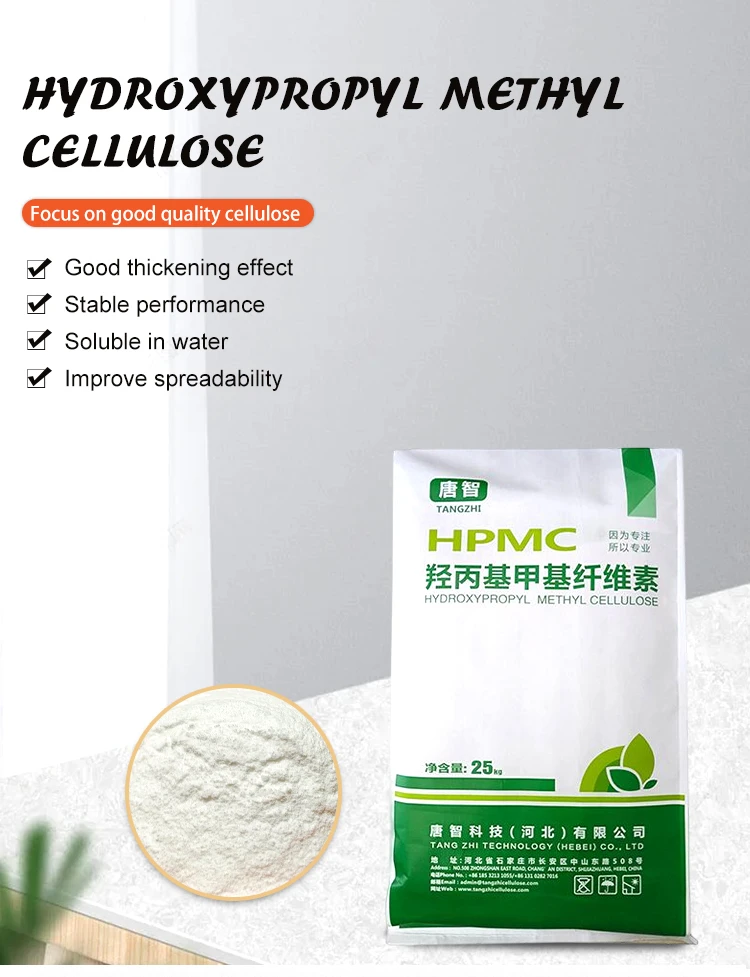
Hydroxyethylcellulose Skin Care: Versatile Ingredient Solutions for B2B Buyers from Tangzhi HPMC
Hydroxyethylcellulose Skin Care is a key solution in the industry, specifically within skincare and cosmetic product formulation. This article explores how https://www.tangzhihpmc.com supports professionals with durable, high-performance products, and explains why this product is an ideal choice for businesses in these sectors.
Table of Contents
- Hydroxyethylcellulose Skin Care Overview
- Benefits & Use Cases of Hydroxyethylcellulose Skin Care
- Cost, Maintenance & User Experience
- Sustainability & Market Trends
Hydroxyethylcellulose Skin Care Overview
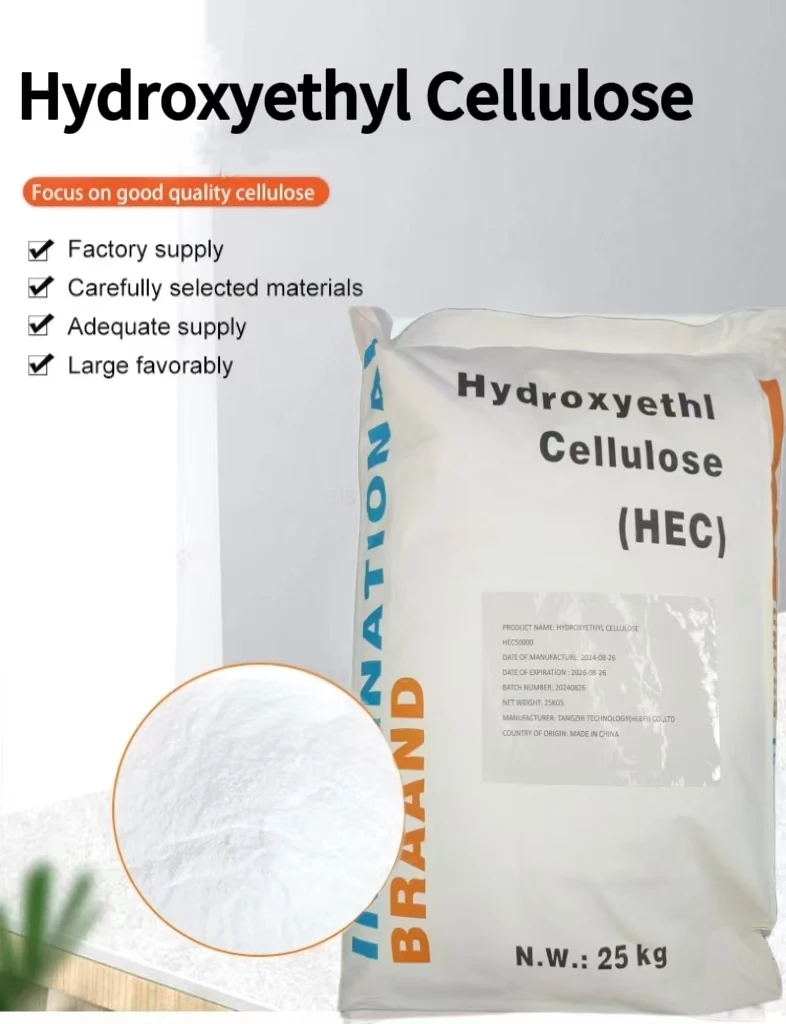
Hydroxyethylcellulose, more simply called HEC, is a non-ionic, water-soluble polymer widely used in skin care formulations due to its excellent thickening, emulsifying, and stabilizing properties. Frankly, if you’ve ever wondered how lotions and creams get that perfect silky texture that’s neither too runny nor too stiff, chances are Hydroxyethylcellulose played a role. It thickens formulations gently, improves spreadability, and even helps suspend insoluble particles so that products feel luxurious on the skin.
Technically, Hydroxyethylcellulose is derived from cellulose, which itself comes from natural plant fibers. The “hydroxyethyl” groups confer water solubility and reduce the tendency to gel, creating a versatile ingredient for cosmetic chemists. In a case study shared by formulators at Tangzhi HPMC, HEC significantly improved the viscosity profile of a moisturizing cream without the need for synthetic thickeners or harsher additives. That sort of balance—performance and safety—is what makes it indispensable in modern skincare R&D.
| Parameter | Specification |
|---|---|
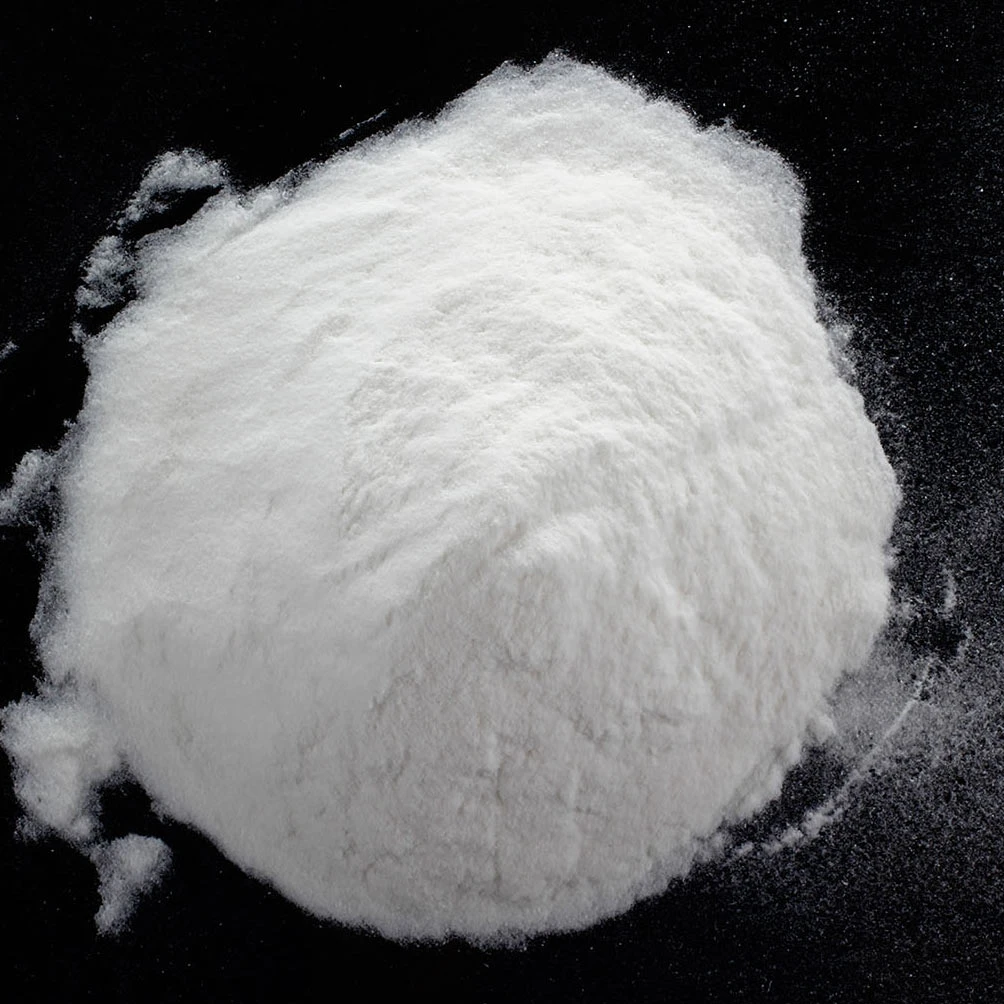
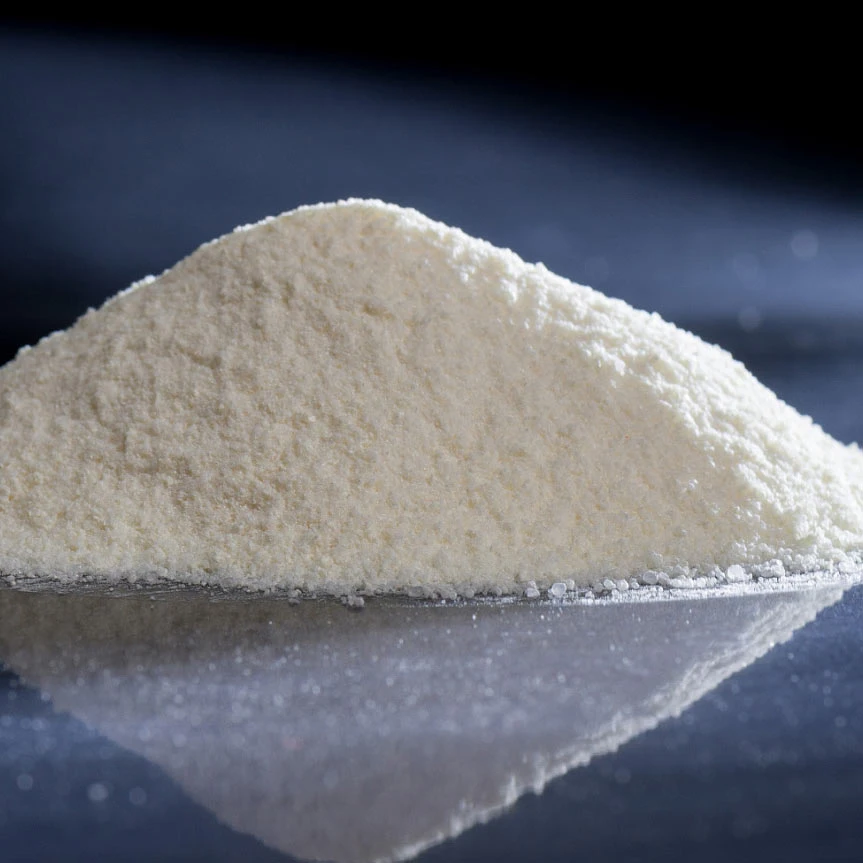
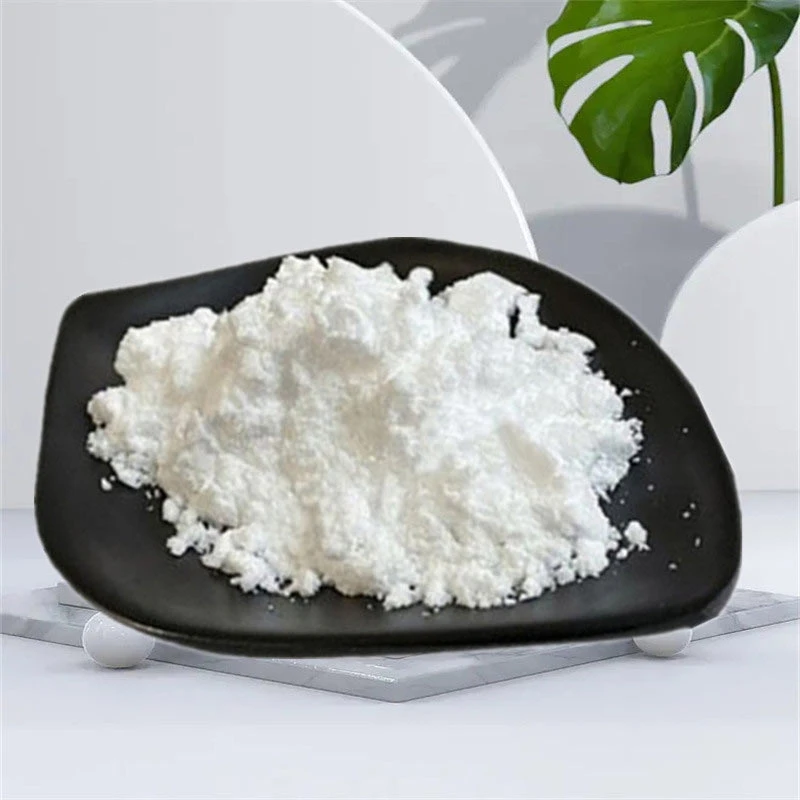
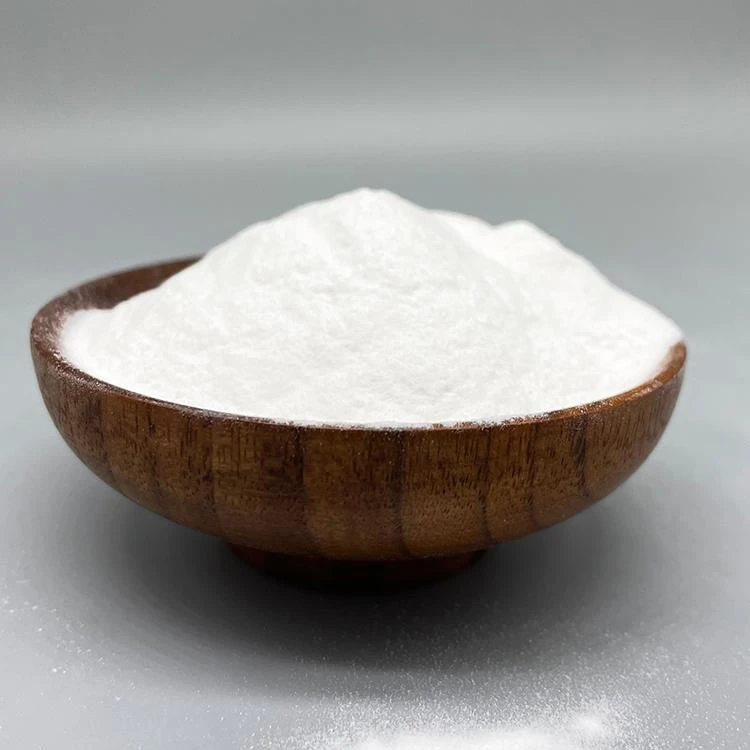
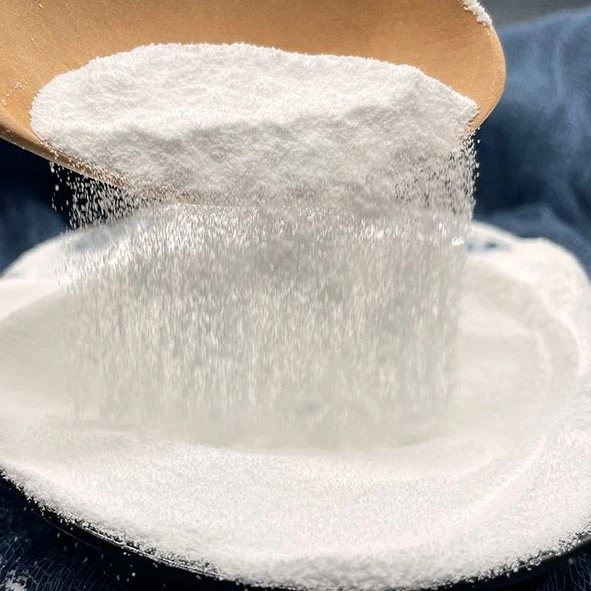
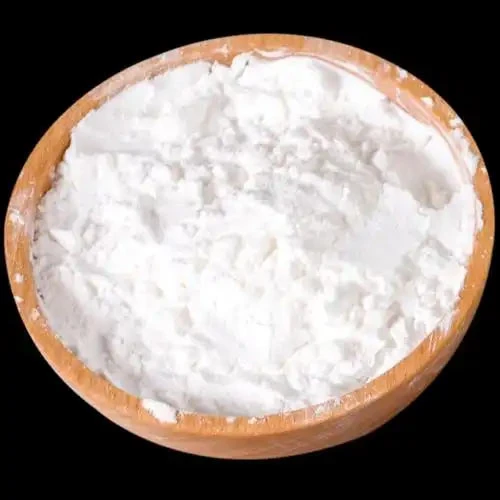
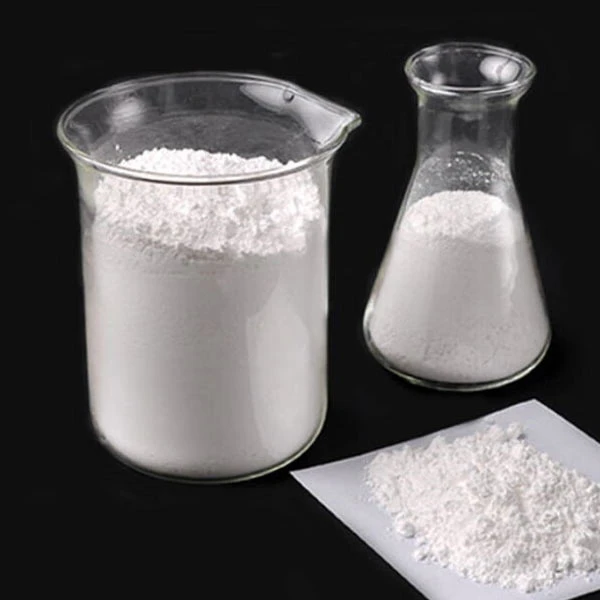
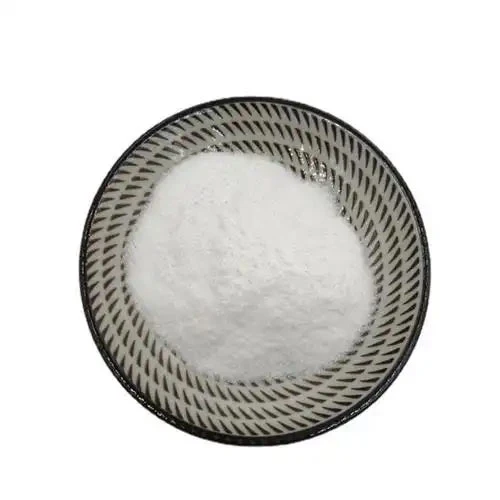
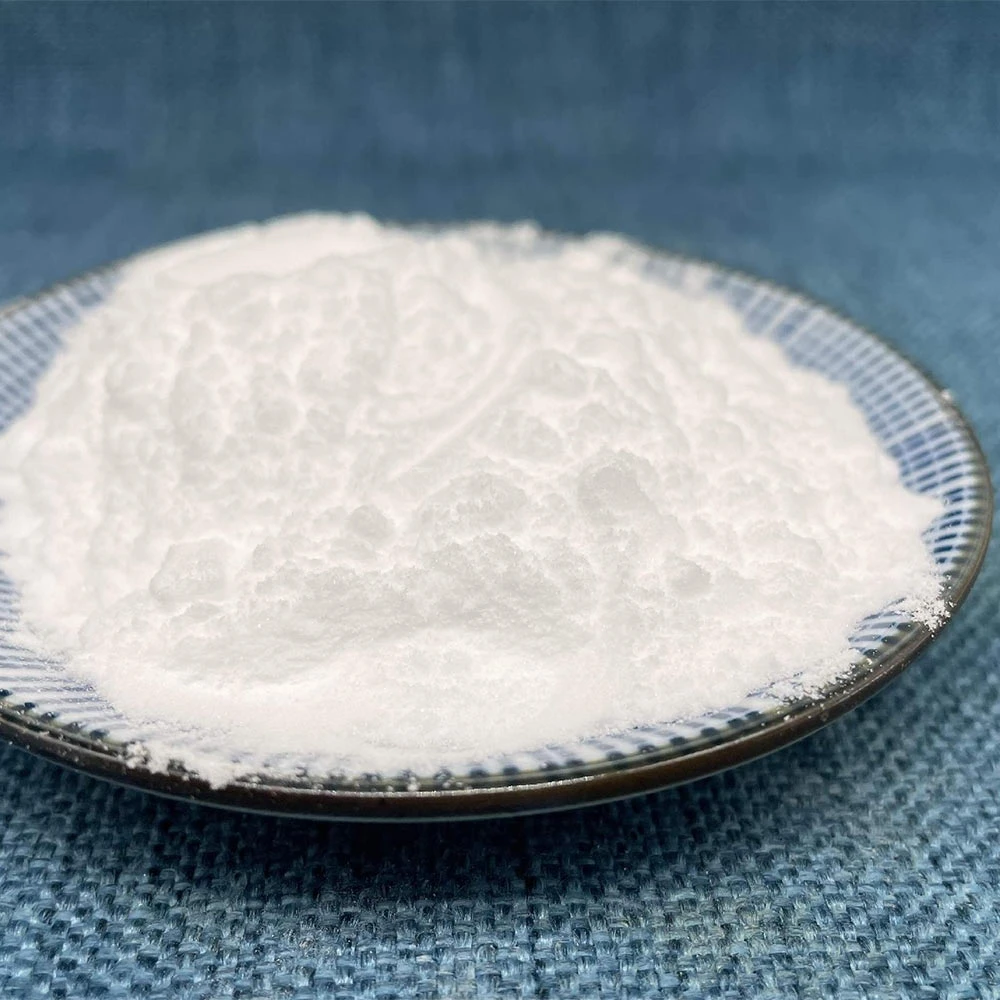
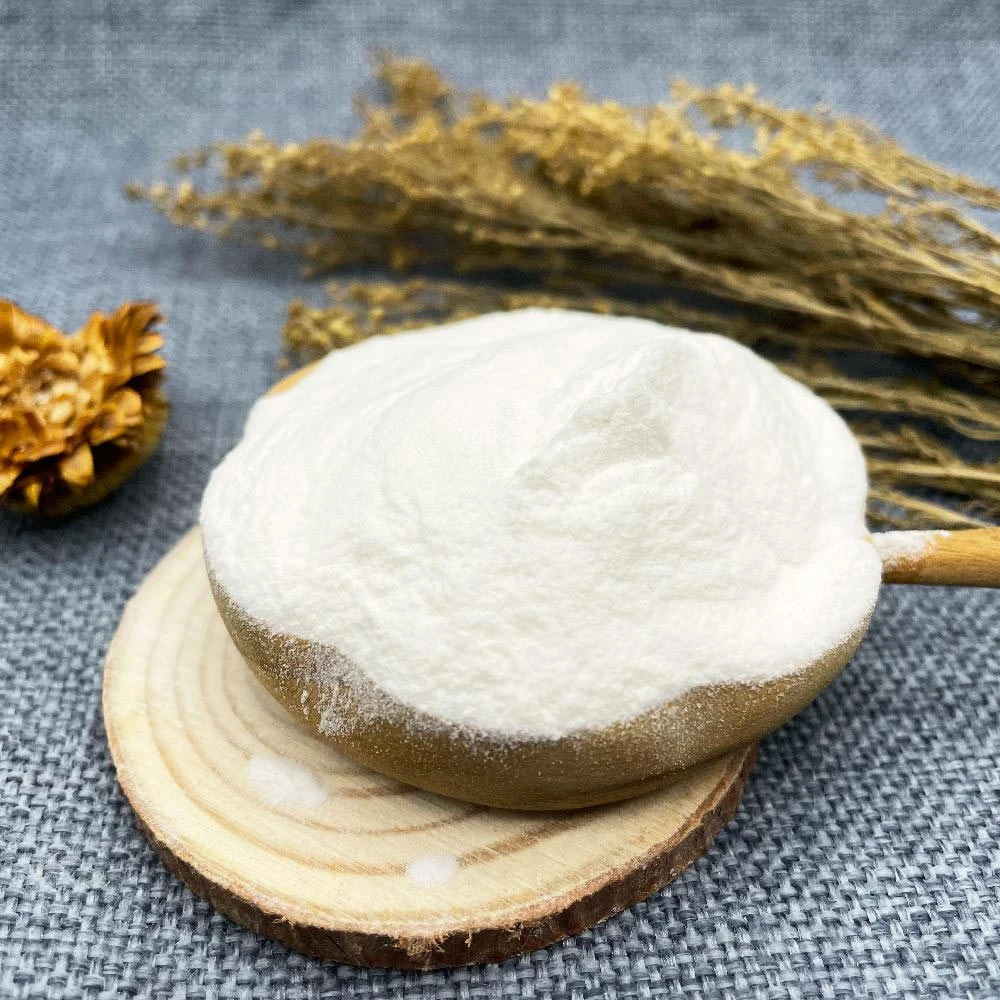
| Appearance | White to off-white powder |
| Solubility | Water soluble |
| pH (1% solution) | 5.5 – 8.5 |
| Viscosity (2% solution) | 1500 – 4000 mPa.s |
| Moisture Content | ≤ 5% |
Benefits & Use Cases of Hydroxyethylcellulose Skin Care
When you step back and think about Hydroxyethylcellulose from a business perspective, it offers a sweet spot of benefits: excellent thickening power without compromising skin feel, compatibility with a wide range of ingredients, and a gentle safety profile making it suitable for sensitive skin products. This means formulators can use it in everything from anti-aging creams to sunscreens with confidence.
Oddly enough, it also works wonders in stabilizing emulsions—that is, creams mixing oil and water phases—which can be notoriously tricky. It reduces reliance on harsher synthetic surfactants, helping companies meet consumer demand for “clean label” skincare. Plus, it adds desirable viscosity without making the product sticky or heavy, contributing to a pleasant user experience.
Here’s a quick look at where it shines:
- Moisturizing lotions and creams
- Hair care shampoos and conditioners
- Sun protection formulations
- Gentle cleansing products
| Vendor | Product Grade | Viscosity Range (mPa.s) | Application Focus |
|---|---|---|---|
| Tangzhi HPMC | Premium Cosmetic Grade | 1500–4000 | Moisturizers, sunscreens |
| Competitor A | Standard Grade | 1200–3500 | Basic skincare creams |
| Competitor B | Eco-Friendly Grade | 1000–3000 | Organic/natural ranges |
Cost, Maintenance & User Experience
Oddly enough, despite being a specialized ingredient, Hydroxyethylcellulose is quite cost-effective once you factor in its multi-functionality—it replaces multiple additives, reducing overall ingredient costs. When I spoke with several cosmetic manufacturers, they emphasized how it simplified production by stabilizing batches, cutting down on rejection rates—always a plus in manufacturing.
Durability wise, HEC is stable under a range of pH conditions and temperatures, meaning that products containing it tend to have longer shelf lives. Feedback from users often highlights improved user experience on skin—complaints about stickiness or irritation are minimal, frankly, which is notable especially for sensitive skin lines.
The ROI is quite tangible: less waste, fewer reformulations, and a happy end consumer who keeps coming back due to the pleasant texture and efficacy of the product. That’s the kind of win-win every B2B decision-maker secretly loves.
Sustainability & Market Trends
As sustainability gains traction worldwide, Hydroxyethylcellulose’s bio-based origins place it favorably within “green chemistry” trends. It’s derived from cellulose — a renewable resource — making it far more eco-friendly than many synthetic polymers. That said, responsible manufacturers like Tangzhi HPMC ensure ethical sourcing and strict quality controls which have become industry must-haves.
Regulatory frameworks also increasingly reward ingredients that have low toxicity profiles, biodegradability, and minimal environmental impact – all criteria Hydroxyethylcellulose fits, incidentally. We see growing market demand among brands striving to meet consumer expectations for transparency and environmental stewardship. Essentially, using HEC isn’t just smart product formulation—it’s future-proofing your business.
Frequently Asked Questions about Hydroxyethylcellulose Skin Care
- What is Hydroxyethylcellulose Skin Care and how does it work?
- Hydroxyethylcellulose is a water-soluble polymer used to thicken, stabilize, and emulsify skin care products. It works by absorbing water and expanding, forming a gel-like matrix that improves the texture and performance of lotions, creams, and other formulations.
- What are the main benefits of using Hydroxyethylcellulose Skin Care in industrial applications?
- Key benefits include enhanced viscosity control, improved stability of emulsions, compatibility with a wide pH range, cost-efficiency by reducing the need for multiple additives, and a gentle profile suitable for sensitive skin products.
- How does Hydroxyethylcellulose Skin Care compare to traditional alternatives?
- Compared to traditional thickeners and emulsifiers, Hydroxyethylcellulose provides a more natural, less sticky feel, better thermal stability, and broader formulation versatility, especially in water-based cosmetics.
- What industries can benefit most from Hydroxyethylcellulose Skin Care implementation?
- Primarily the cosmetics and personal care industry—covering moisturizers, sunscreens, hair care, and cleansing products—as well as pharmaceutical topical formulations that require gentle yet effective thickening and stabilization.
Conclusion on Hydroxyethylcellulose Skin Care from china
To sum it all up, Hydroxyethylcellulose Skin Care truly delivers a compelling combination of natural origin, versatile functionality, and sustainability that makes it a standout choice for cosmetic manufacturers. It helps reduce complexity and cost while enhancing product quality and customer satisfaction. If you’re a B2B decision maker looking for highly reliable and scalable skin care ingredient solutions, it’s worth exploring what Tangzhi HPMC offers—you might be pleasantly surprised.
- Recap the value of Hydroxyethylcellulose Skin Care.
- - Visit our website: https://www.tangzhihpmc.com
Reflecting on this, it’s clear that ingredient sourcing and formulation innovation go hand in hand. Staying ahead means trusting suppliers that prioritize quality and transparency. Hydroxyethylcellulose from Tangzhi HPMC is one such trusted choice that keeps you competitive in an evolving skincare market.
-
Exploring the Benefits of Hydroxyethyl Cellulose in Cosmetics FormulationsNewsJan.30,2026
-
Comprehensive Guide to Hydroxyethyl Cellulose Gel Properties and Industrial ApplicationsNewsJan.28,2026
-
Enhancing Hair Care Formulations with Hydroxyethyl Cellulose for HairNewsJan.27,2026
-
Exploring Hydrophobically Modified Hydroxyethyl Cellulose and Its Diverse ApplicationsNewsJan.27,2026
-
Understanding Hydroxyethyl Cellulose Structure: Benefits & Industry Insights | Tangzhi HPMCNewsJan.06,2026
-
Hydroxyethyl Cellulose Solubility in Water: Expert Insights & SpecsNewsJan.06,2026