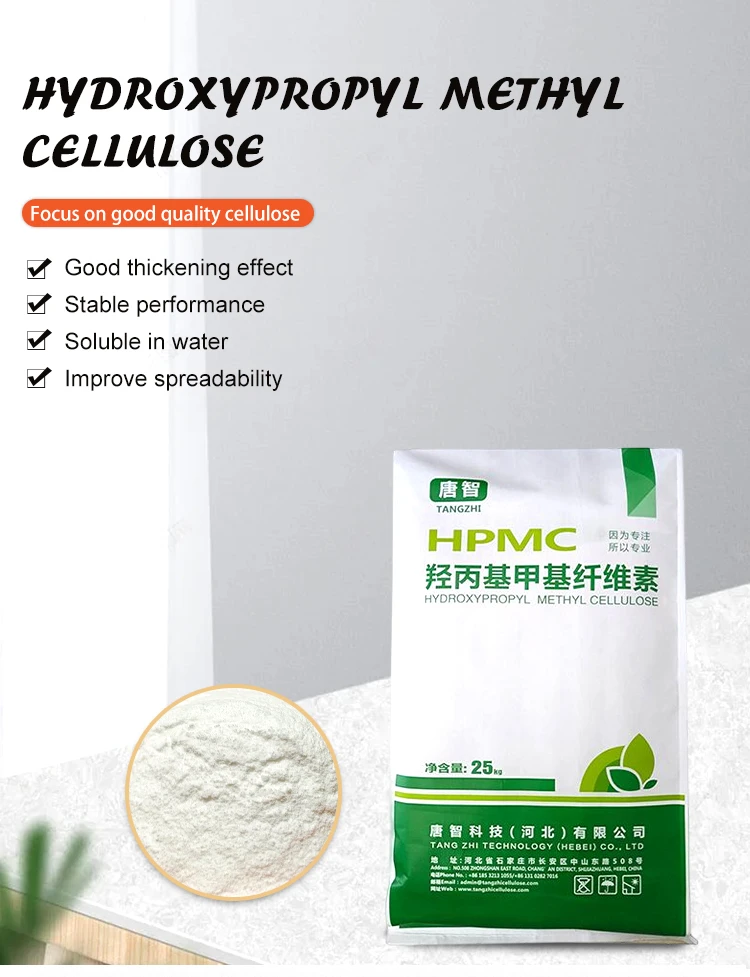
Hydroxypropyl Methylcellulose Properties: Applications, Benefits, and Industry Insights
Understanding Hydroxypropyl Methylcellulose Properties: What Makes It So Essential?
Hydroxypropyl methylcellulose (HPMC) — sounds quite technical, right? But this compound quietly powers a surprising number of everyday products and industrial applications worldwide. From pharmaceuticals to construction, HPMC’s unique properties solve some rather complex problems. Knowing about hydroxypropyl methylcellulose properties is not just academic; it connects with global sustainability goals, product safety, and innovative material science that matter to various industries and even humanitarian efforts.
Why Should We Care Globally?
Global demand for specialty cellulose derivatives like HPMC is growing steadily. According to ISO standards and market reports, the global cellulose ethers market is expected to reach notable billions in USD in the next few years. This growth is ignited by the compound’s versatility — it’s a binder, thickener, emulsifier, film former, and stabilizer.
Challenges such as environmental sustainability and food safety push industries to adopt materials whose properties align with these goals. HPMC’s biodegradable, non-toxic nature ticks those boxes pretty well, making it a go-to ingredient for enhancing product performance and safety.
Defining Hydroxypropyl Methylcellulose Properties
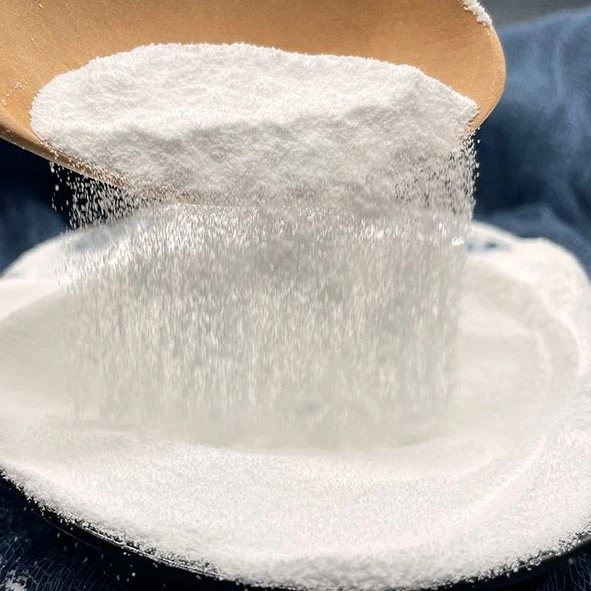
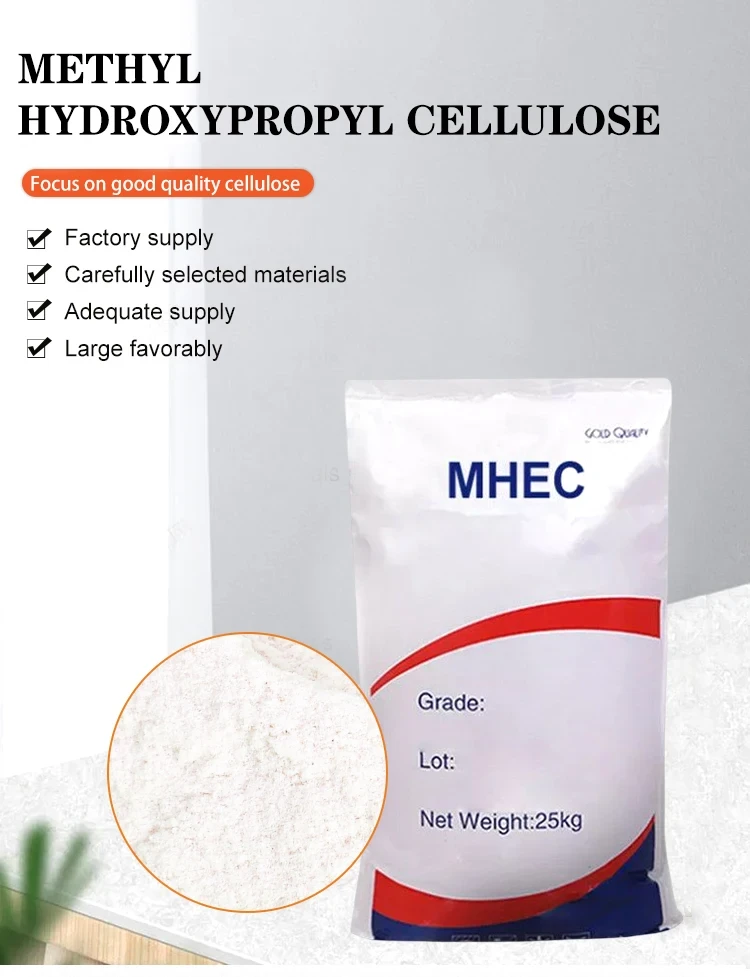
Put simply, hydroxypropyl methylcellulose is a chemically modified cellulose ether with hydroxyl and methoxy groups added to its backbone. That tweak transforms it from simple plant fiber to a multifunctional powder or film that dissolves in cold water, thickens liquids, and forms protective coatings. It’s this transformation that unlocks a wealth of industrial and commercial uses.
Industries ranging from pharmaceuticals (think sustained-release medications) to construction (think tile adhesives and cement paints) rely on HPMC’s consistent performance. Oddly enough, its ability to swell and form gels on contact with water makes it indispensable to both manufacturing and environmental applications.
Key Aspects of Hydroxypropyl Methylcellulose Properties
1. Viscosity Control
One of the defining properties of HPMC is how it controls viscosity. This is crucial for products like adhesives and paints where flow and spreadability determine usability. You can tweak the viscosity by changing the degree of substitution during manufacturing.
2. Thermal Gelation
HPMC exhibits thermal gelation — it sets to a gel when heated, then reverts to liquid when cooled. This property finds use in drug delivery systems, stabilizing cosmetic gels, and even in controlled-release food coatings.
3. Water Retention
In construction, HPMC’s ability to retain water enhances workability and drying times for cementitious materials. This improves durability and prevents cracking — quite a big deal in large-scale infrastructure projects.
4. Film-Forming Ability
The compound easily forms flexible, transparent films that are edible and breathable. That’s why it’s used for coatings in pharmaceuticals and food. The film protects liquids or solids from moisture or oxygen while allowing controlled diffusion.
5. Chemical Stability
HPMC maintains its functional integrity across a broad pH range, making it adaptable for many formulations. Whether it’s acidic pharmaceutical syrups or alkaline cement mixtures, HPMC retains its effectiveness.
Mini Takeaway:
Hydroxypropyl methylcellulose properties are a blend of viscosity control, thermal response, water retention, film formation, and chemical resilience — just enough to make it versatile across industries and climates.
Hydroxypropyl Methylcellulose Properties: Product Specifications
| Property | Range/Value | Notes |
|---|---|---|
| Methoxy content | 19–30% | Influences solubility and gelation |
| Hydroxypropyl content | 4–12 % | Affects viscosity and stability |
| Viscosity (2% aqueous solution) | 50–4000 mPa·s | Adjustable per application |
| pH stability range | 3–11 | Broad range |
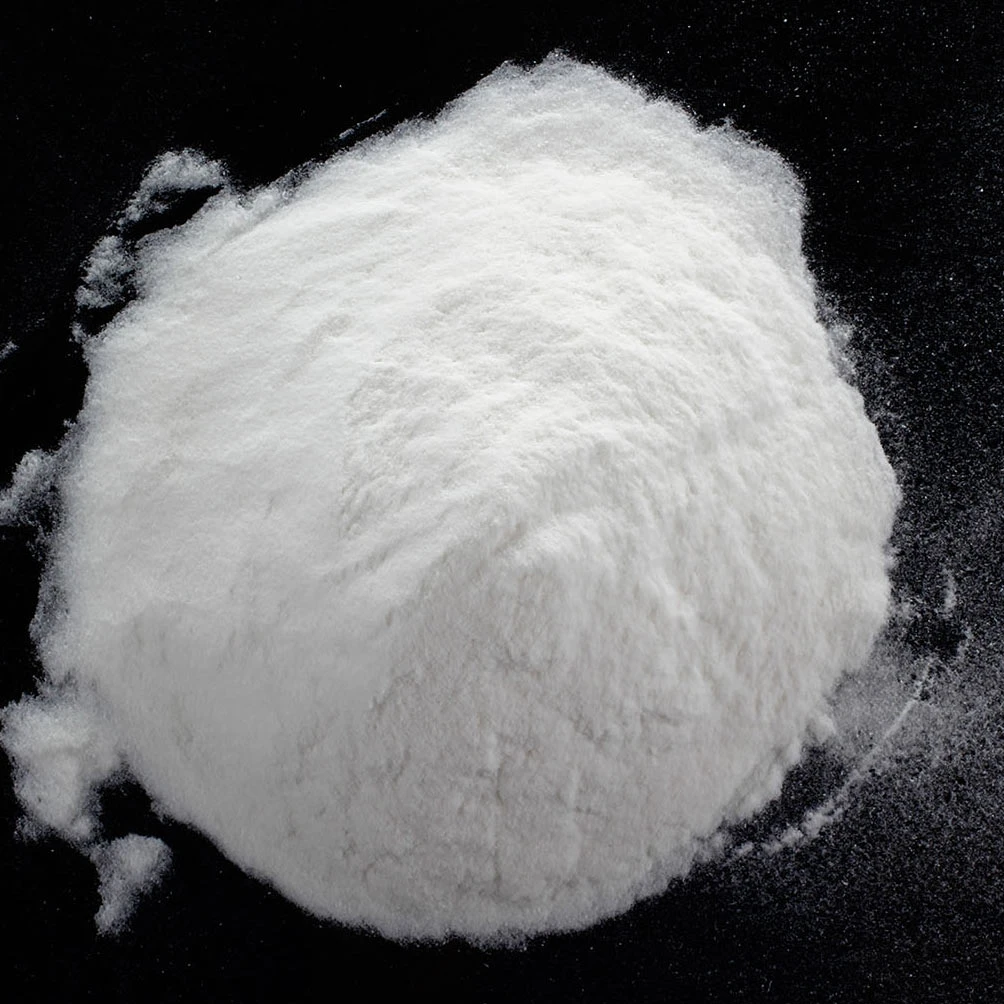
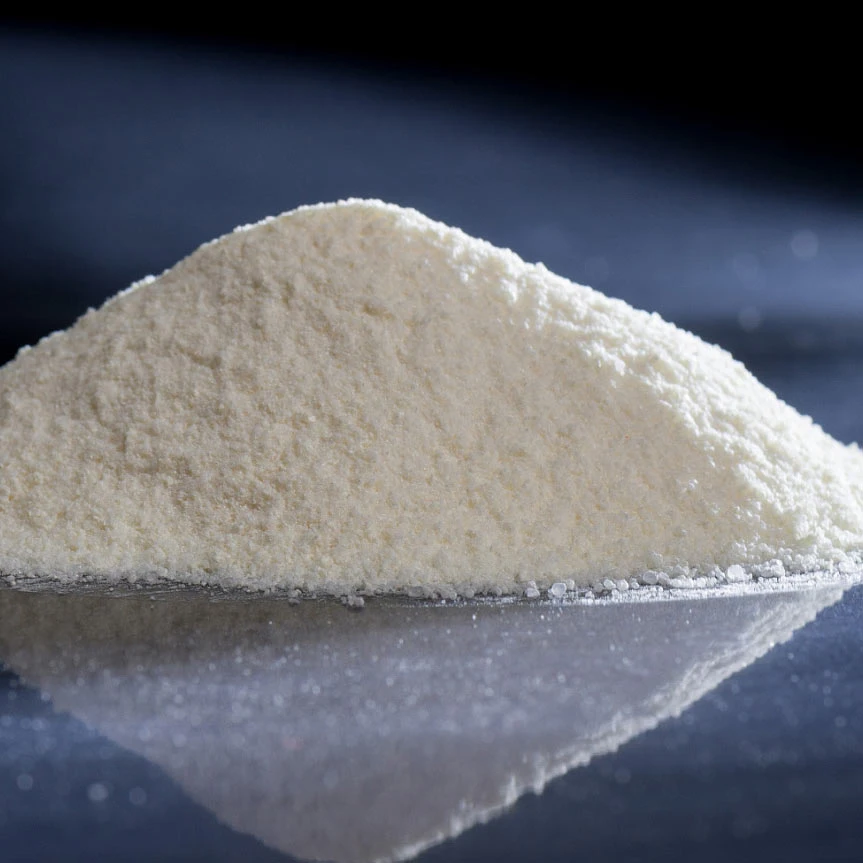
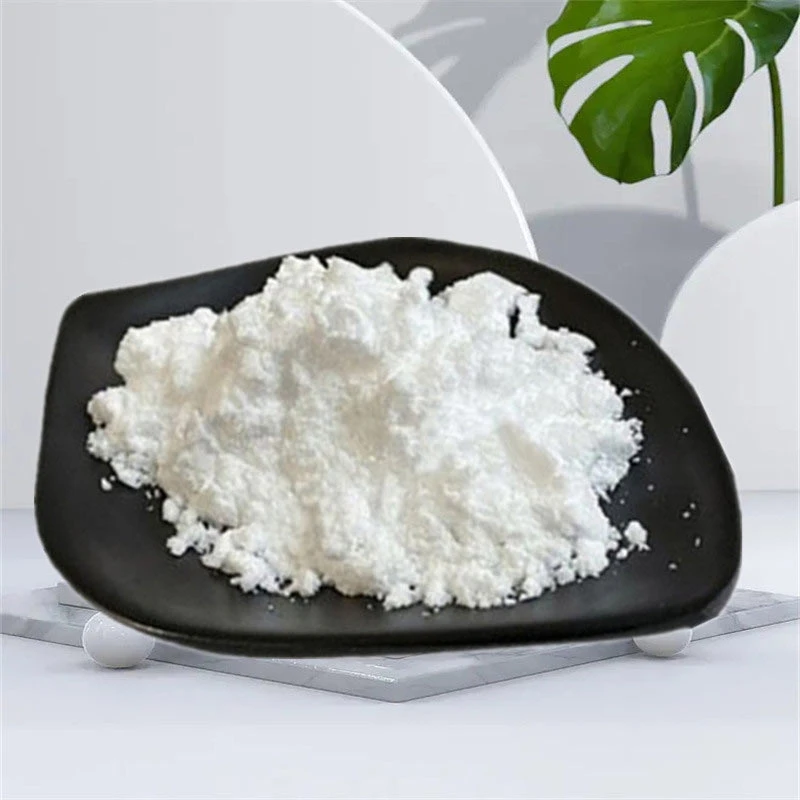
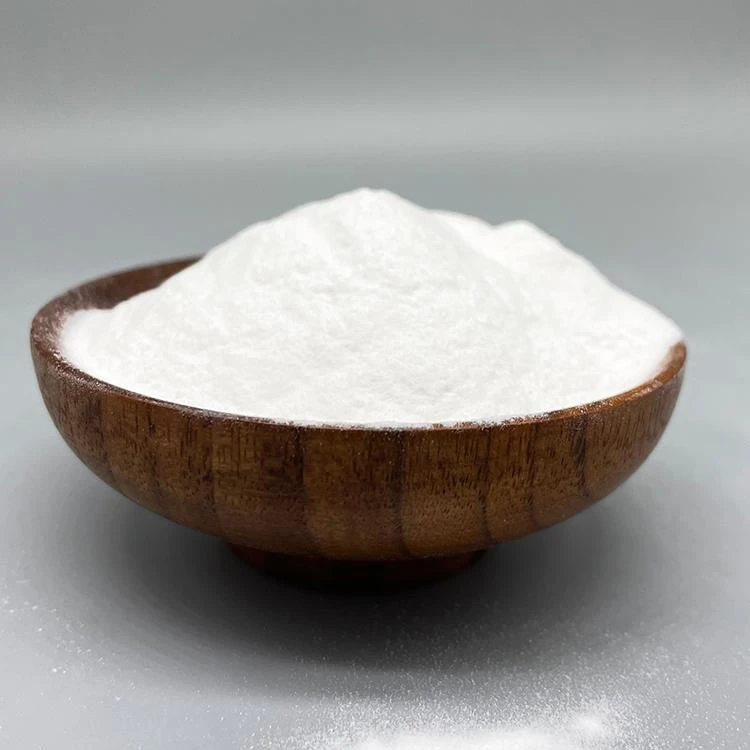
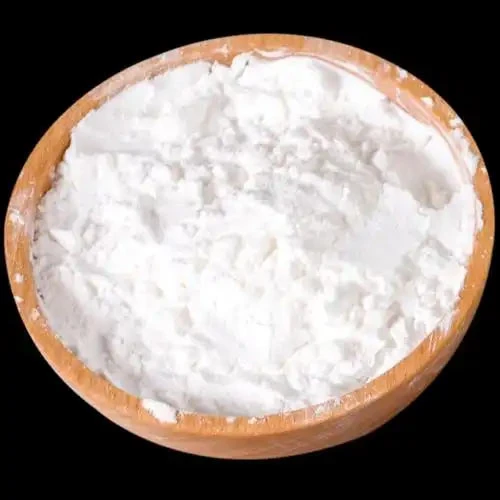
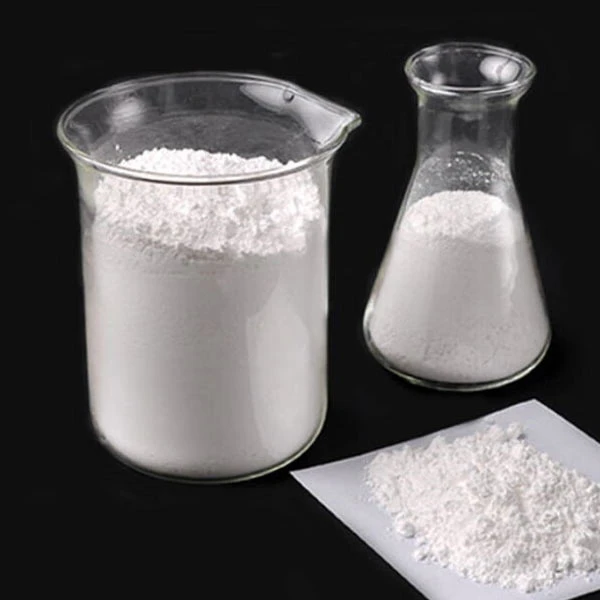
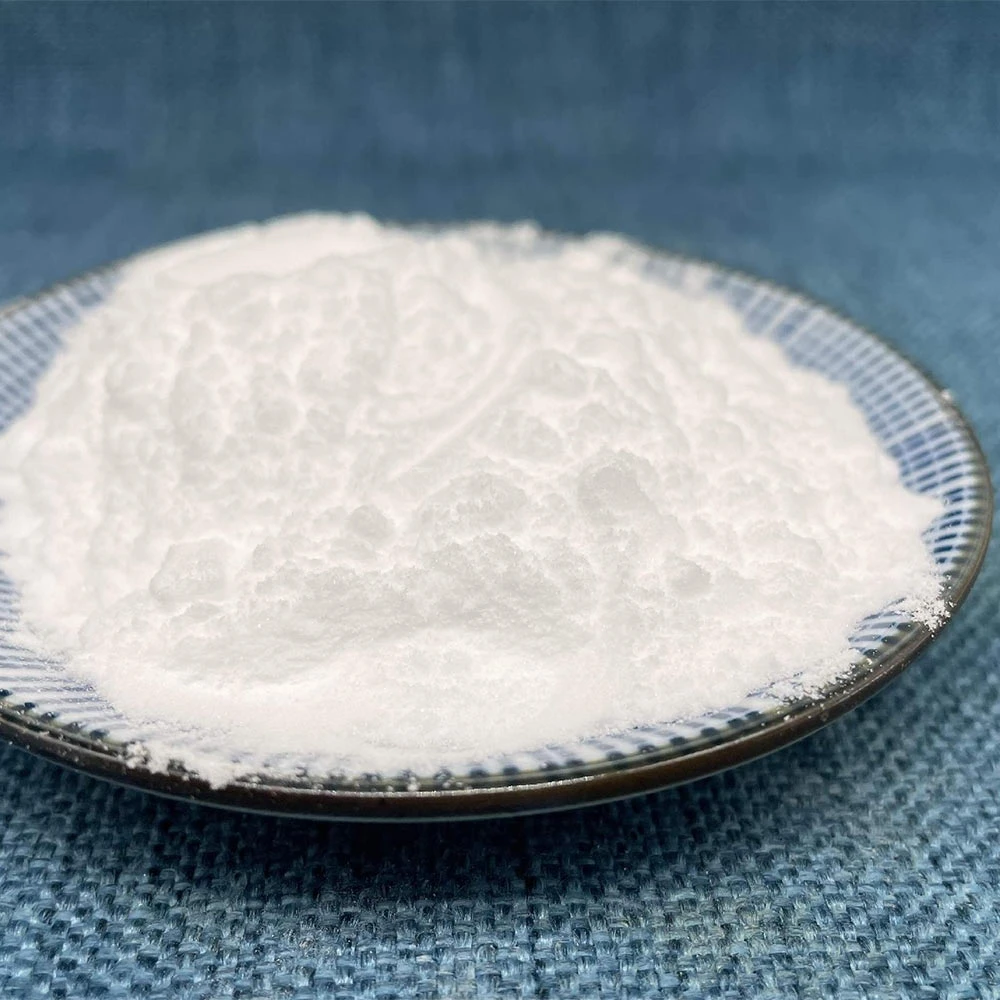
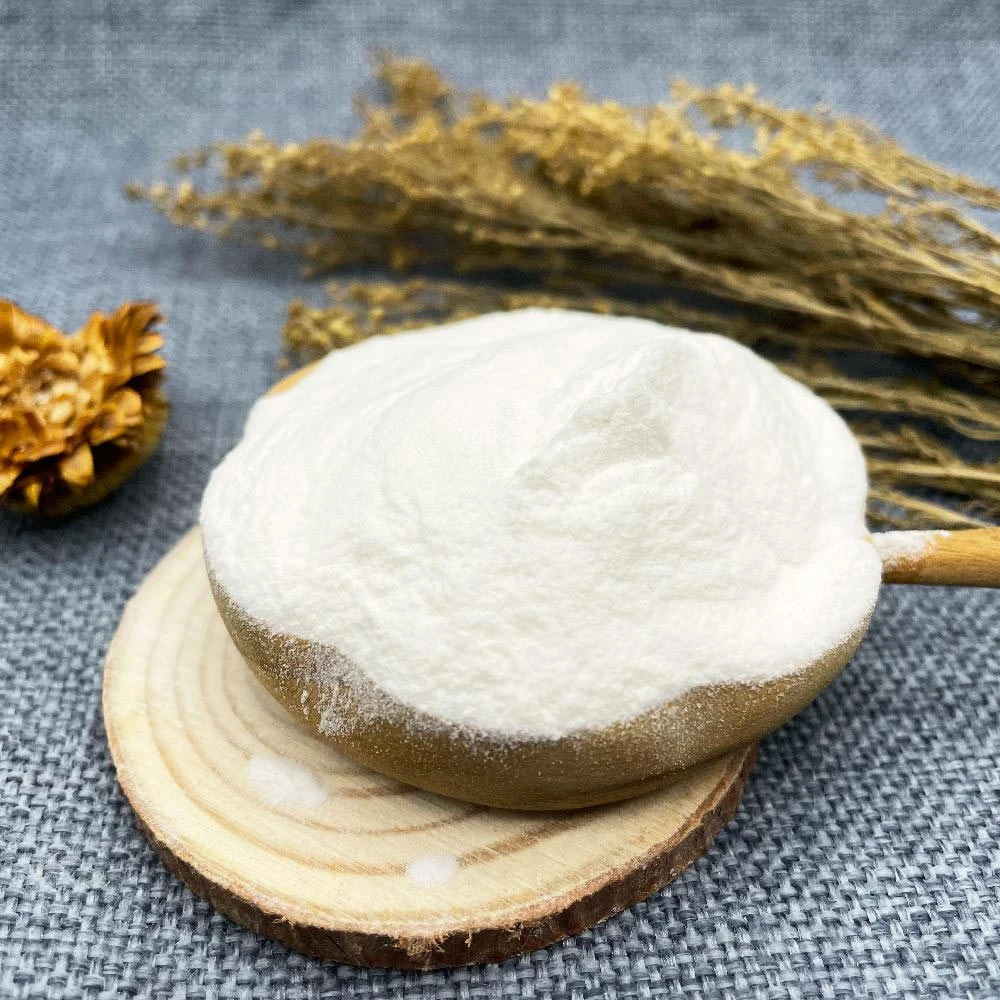
| Appearance | White or off-white powder | Easy to handle and formulate |
Global Applications & Use Cases
Hydroxypropyl methylcellulose properties have made waves internationally in several key sectors:
- Pharmaceuticals: In Europe and North America, HPMC is a core excipient for sustained-release capsules and tablets, improving drug efficacy and patient compliance.
- Construction: In Asia-Pacific, high-performance tile adhesives and plaster mixes use HPMC to meet rapid urbanization demands and improve sustainability.
- Food Industry: The Middle East and Africa see increasing use as a food thickener and stabilizer in sauces and baked goods.
- Cosmetics: Global personal care brands rely on its film-forming and moisture-binding to deliver stable creams and gels.
In post-disaster relief settings, HPMC-enhanced plasters and mortars offer faster setting times and better durability — quite critical when rebuilding quickly. NGOs working in remote industrial zones also utilize it for making portable formulations that hold up under tough environmental conditions.
Vendor Comparison: Leading HPMC Suppliers
| Vendor | Viscosity Range (mPa·s) | Typical Methoxy Content | Specialties | Global Reach |
|---|---|---|---|---|
| Supplier A | 100–3000 | 25% | Pharma grades, tailored viscosity | Europe, Asia |
| Supplier B | 200–4000 | 22% | Construction & food grade, eco certifications | North America, Middle East |
| Supplier C | 50–1500 | 30% | Cosmetic & personal care focus | Asia, Europe |
Advantages and Long-Term Value of Hydroxypropyl Methylcellulose Properties
Why does it really matter? Well, the practical benefits of HPMC properties resonate on many levels. First, cost efficiency: By improving product stability and ease of use, it lowers manufacturing wastage and strengthens supply reliability.
Sustainability is another big one — derived from cellulose, a renewable resource, it offers biodegradability, aligning with greener industry standards and consumer demands for transparency and environmental care.
On a social impact front, HPMC contributes to safer and more dignified health products, food items, and living infrastructure, quietly supporting better quality of life. Put simply, it helps build trust between manufacturer and consumer, essential in today’s competitive global economy.
Future Trends & Innovations
Looking ahead, hydroxypropyl methylcellulose properties will likely evolve with breakthroughs in green chemistry, such as bio-based modifications aiming to reduce energy consumption during production. Digital transformation in manufacturing also enables more precise tweaking of HPMC grades for custom applications.
Researchers are exploring its role in emerging fields such as 3D food printing and smart materials that respond dynamically to environmental triggers. Sustainability will continue to drive innovation — for example, tweaking HPMC to improve water retention and reduce concrete usage in building projects.
Challenges & Solutions
One challenge, frankly, is balancing viscosity and solubility for highly specialized applications. Sometimes, formulations require fine-tuning to avoid clumping or to improve shelf life. Supply chain disruptions can impact availability and cost, especially amid global raw material shortages.
Solutions include working closely with trusted suppliers and applying advanced analytical techniques to optimize product specs. Investments in R&D and adaptive manufacturing processes help manufacturers harness the most from hydroxypropyl methylcellulose’s properties.
FAQ: Frequently Asked Questions About Hydroxypropyl Methylcellulose Properties
- Q: What makes hydroxypropyl methylcellulose better than other cellulose ethers?
A: HPMC’s unique thermal gelation and broad pH stability set it apart, offering better control over viscosity and film formation in diverse applications, from pharma to construction. - Q: Can HPMC be used in environmentally sensitive projects?
A: Yes, its biodegradability and derivation from renewable cellulose make it suitable for sustainable and eco-friendly product formulations. - Q: How long does an HPMC-based plaster last once applied?
A: Typically, properly formulated HPMC plasters can last several years without cracking or significant degradation under normal conditions. - Q: Is HPMC safe for food and pharmaceutical use?
A: Absolutely. It is generally recognized as safe (GRAS) by FDA and meets pharmacopeial standards worldwide. - Q: How can companies source high-quality HPMC internationally?
A: Working with established global suppliers who provide certifications and tailored support ensures compliance and performance consistency.
Conclusion: The Last Word on Hydroxypropyl Methylcellulose Properties
In sum, hydroxypropyl methylcellulose properties unlock a blend of versatility, sustainability, and technical performance that’s hard to beat. From the smallest medication capsule to the largest construction project, it offers solutions that span industries and geographies alike.
Curious to learn more or source quality HPMC for your projects? Visit our website: https://www.tangzhihpmc.com and discover the science behind the innovation.
Final Reflection
Understanding HPMC properties feels like peering behind a curtain into the unsung heroics of materials science. It’s remarkable how a modified cellulose powder bridges science, industry, and daily life — quietly enabling solutions many take for granted.
References:
-
Exploring the Benefits of Hydroxyethyl Cellulose in Cosmetics FormulationsNewsJan.30,2026
-
Comprehensive Guide to Hydroxyethyl Cellulose Gel Properties and Industrial ApplicationsNewsJan.28,2026
-
Enhancing Hair Care Formulations with Hydroxyethyl Cellulose for HairNewsJan.27,2026
-
Exploring Hydrophobically Modified Hydroxyethyl Cellulose and Its Diverse ApplicationsNewsJan.27,2026
-
Understanding Hydroxyethyl Cellulose Structure: Benefits & Industry Insights | Tangzhi HPMCNewsJan.06,2026
-
Hydroxyethyl Cellulose Solubility in Water: Expert Insights & SpecsNewsJan.06,2026