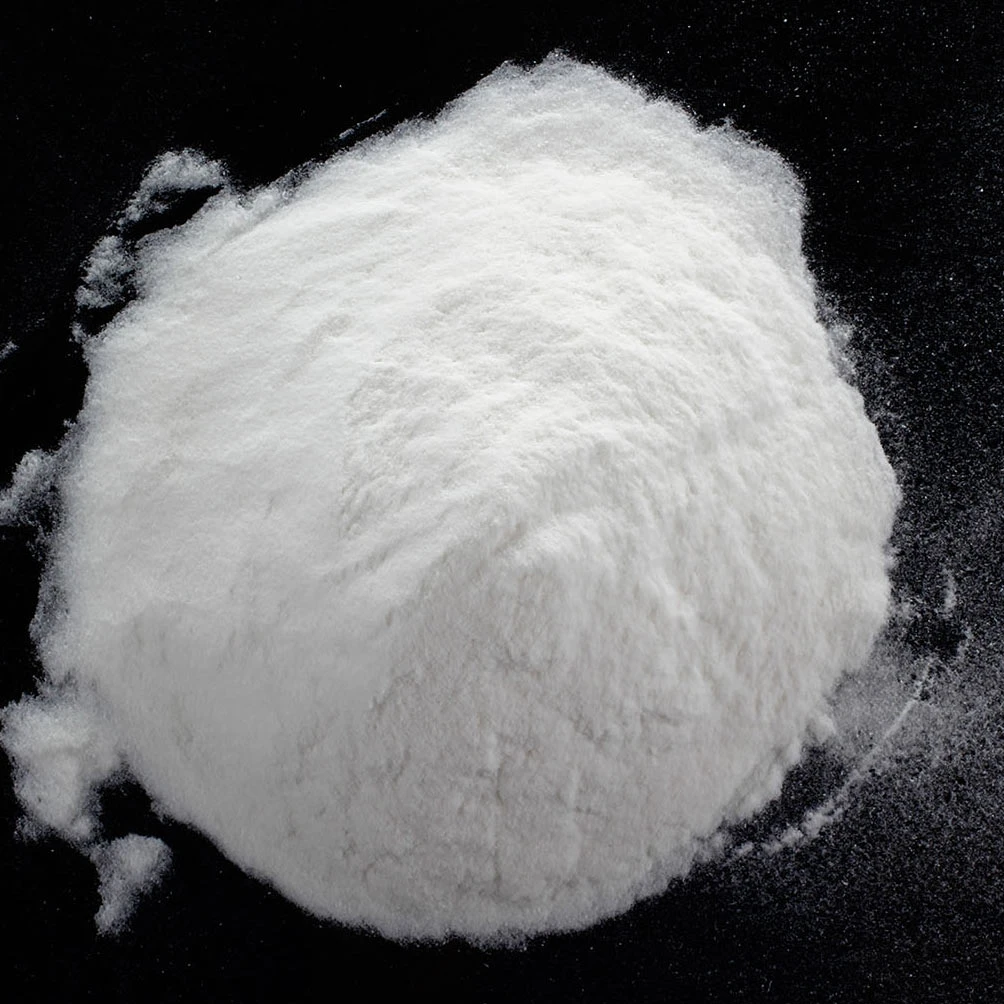
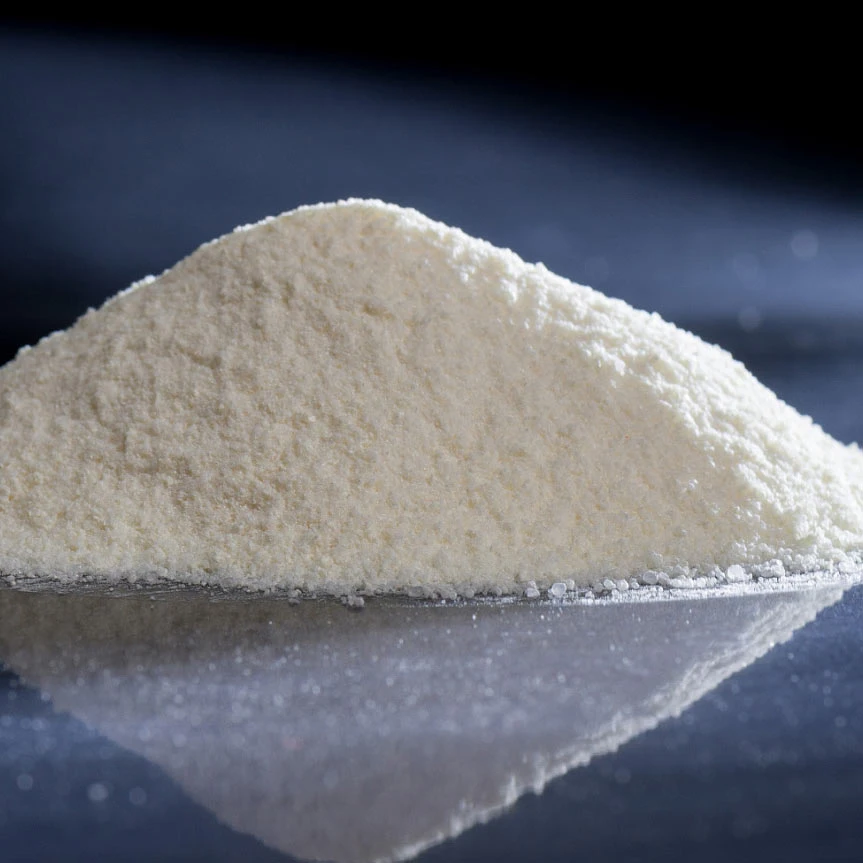
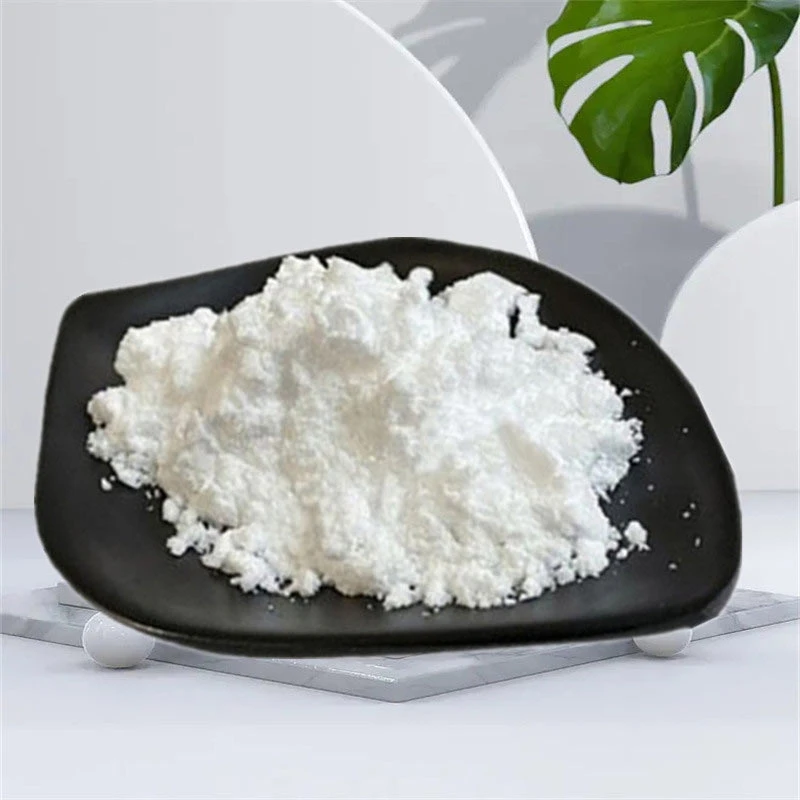
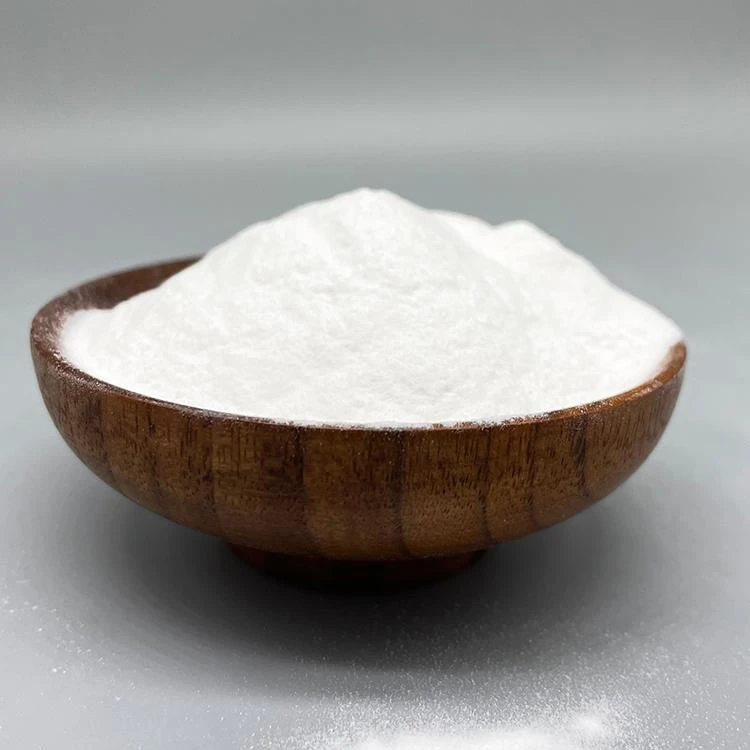
Hydroxypropyl Methylcellulose Skin: Essential Industrial Film Solutions
Understanding Hydroxypropyl Methylcellulose Skin in Industrial Applications
Having spent over a decade navigating the twists and turns of the industrial equipment world, I can tell you that sometimes the most overlooked components end up being the most critical. Hydroxypropyl methylcellulose skin might not sound flashy at first, but it plays an essential role in many manufacturing and material processes, especially when we talk about coatings, films, and protective skins.
If you haven’t come across this material yet or maybe only know it from a few mentions in product sheets, here’s a bit of what I’ve learned — and why it matters. The “skin” here refers to a thin, protective layer derived from hydroxypropyl methylcellulose (HPMC), a cellulose derivative that boasts remarkable film-forming properties and a friendly chemical profile. Oddly enough, while it’s rooted in cellulose – a basic, natural polymer – its modified form behaves in quite engineered ways, enabling customizations that suit diverse industrial needs.
I remember one project working with an insulation manufacturer struggling to find a skin material that balanced durability with flexibility without adding toxicity. The hydroxypropyl methylcellulose skin turned out to be a surprisingly elegant solution. It formed a resilient, breathable barrier that didn’t crack or degrade under normal environmental exposures. For engineers, that balance is crucial because it means better product lifespan and fewer headaches in quality control.
Why Hydroxypropyl Methylcellulose Skin?
Hydroxypropyl methylcellulose has several standout properties: it’s hydrophilic (water-friendly), thermally stable up to moderate temperatures, and forms films that adhere well to a wide range of substrates, from metals to plastics. These characteristics make it ideal when you want a skin that does its job without complicating downstream processing.
You know, the industrial equipment sector often deals with trade-offs: thicker skins might be stronger but reduce flexibility, whereas thin coatings might tear or fail too early. That’s where HPMC skin shines — its thickness and mechanical properties are quite tunable during formulation, letting manufacturers specify the exact performance they’re after.
Specifications at a Glance
| Property | Typical Value | Unit |
|---|---|---|
| Appearance | Transparent, flexible film | - |
| Moisture Content | 5 - 8 | % |
| Film Thickness | 20 - 50 | microns |
| Tensile Strength | 35 - 50 | MPa |
| Thermal Stability | Up to 200 | °C |
How Does It Stack Up Against Other Vendor Skins?
Selecting a vendor for your hydroxypropyl methylcellulose skin can be tricky — there are several manufacturers out there, each with nuanced differences in sourcing, purity, and technical support. Here’s a quick comparison of a few well-known suppliers I’ve dealt with over the years:
| Vendor | Purity (%) | Film Uniformity | Customizable Grades | Technical Support |
|---|---|---|---|---|
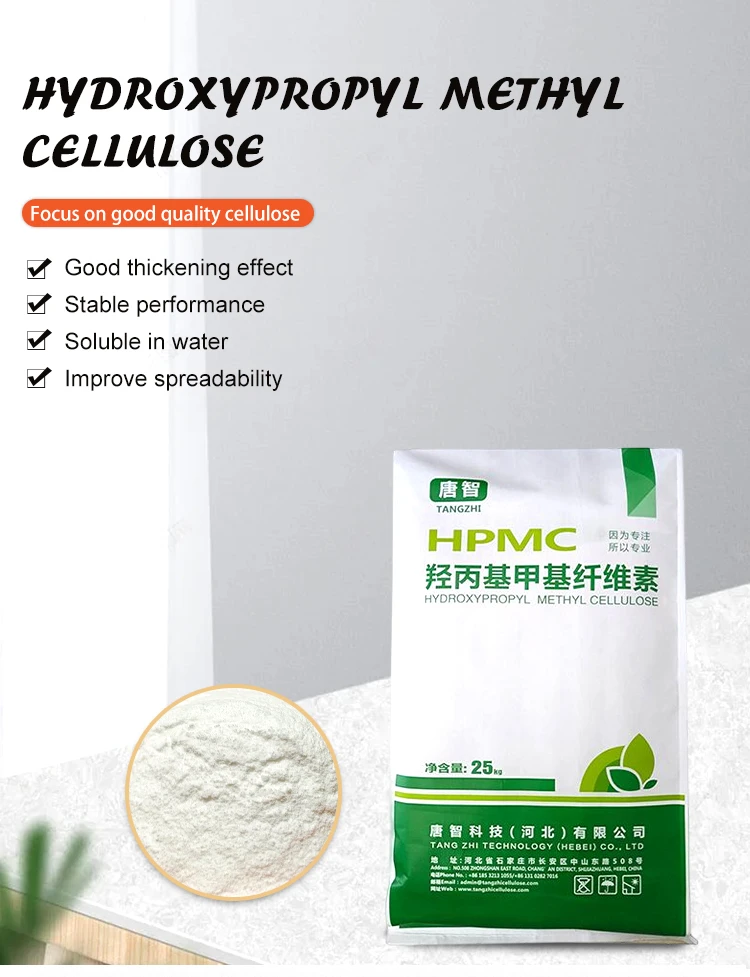
| Tangzhi HPMC | >99% | Excellent | Yes | Responsive & knowledgeable |
| Competitor A | 98% | Good | Limited | Average |
| Competitor B | >97% | Variable | Yes | Limited |
Frankly, what impressed me most about Tangzhi’s product is consistency. It’s one thing to get a material that meets specs at a glance, but quite another to have it reliably perform batch after batch — that’s the real difference, especially when you’re scaling up production. Also, knowing the vendor's technical staff is reachable and competent is surprisingly important; it saves you a ton of iteration time.
Final Thoughts on Hydroxypropyl Methylcellulose Skin
If you’re involved in manufacturing or engineering where film coatings or skin layers protect or bond components, do give hydroxypropyl methylcellulose skin a second look. It might feel niche, but it really flexes some impressive attributes in real-world applications. Plus, sourcing from a vendor like Tangzhi might just give your project the incremental quality boost it needs.
Thanks for reading, and if you want to dive deeper, a little online searching or even talking to technical reps from suppliers will clarify the nuances even more. Keep in mind: materials science is always evolving, so staying curious pays off.
References:
1. Industrial Uses of Cellulose Derivatives (2022), Materials Journal.
2. Tangzhi HPMC Product Datasheets (2023).
3. Coating and Film Technologies, 5th Edition.
-
Exploring the Benefits of Hydroxyethyl Cellulose in Cosmetics FormulationsNewsJan.30,2026
-
Comprehensive Guide to Hydroxyethyl Cellulose Gel Properties and Industrial ApplicationsNewsJan.28,2026
-
Enhancing Hair Care Formulations with Hydroxyethyl Cellulose for HairNewsJan.27,2026
-
Exploring Hydrophobically Modified Hydroxyethyl Cellulose and Its Diverse ApplicationsNewsJan.27,2026
-
Understanding Hydroxyethyl Cellulose Structure: Benefits & Industry Insights | Tangzhi HPMCNewsJan.06,2026
-
Hydroxyethyl Cellulose Solubility in Water: Expert Insights & SpecsNewsJan.06,2026