Comprehensive Guide to Hydroxypropyl Methylcellulose Skin Care – Benefits & Global Insights
Understanding Hydroxypropyl Methylcellulose Skin Care: The Science and Its Global Significance
Hydroxypropyl methylcellulose (HPMC) is not a name you'll often hear in casual beauty chats, but oddly enough, it’s becoming a quiet hero in skin care formulations worldwide. At its core, HPMC is a versatile cellulose derivative that’s changing the way we think about moisturizers, creams, and even sunscreens. Why does this matter globally? Because skin care isn’t just a cosmetic concern — it’s tied intimately to health, consumer safety, and environmental sustainability. The more we understand hydroxypropyl methylcellulose skin care, the better positioned we are to appreciate advances in product safety, efficacy, and green chemistry.
Mini takeaway: Knowing what HPMC is helps demystify a popular ingredient that’s shaping safer, longer-lasting skin care products worldwide.
Global Relevance: Where Science Meets Industry and Consumer Trust
Over the last decade, the global skin care market has ballooned to a staggering $180 billion as of 2023, driven by increasing consumer demand for natural, effective, and hypoallergenic ingredients. According to Statista, the Asia-Pacific region leads in skin care innovations, while North America and Europe focus heavily on regulation and safety compliance. Hydroxypropyl methylcellulose skin care addresses several key industry challenges, including product stability, texture improvement, and reducing reliance on synthetic polymers.
But here’s the kicker: skin care companies also have to navigate complex environmental regulations, with organizations like the International Organization for Standardization (ISO) pushing toward greener ingredient profiles. HPMC’s water-soluble, biodegradable nature ticks a lot of these boxes. It’s not just a technical fix — it’s a puzzle piece in global sustainability efforts.
Mini takeaway: HPMC bridges consumer safety, product performance, and sustainable manufacturing — a rare trifecta in the skin care world.
What Is Hydroxypropyl Methylcellulose in Skin Care?
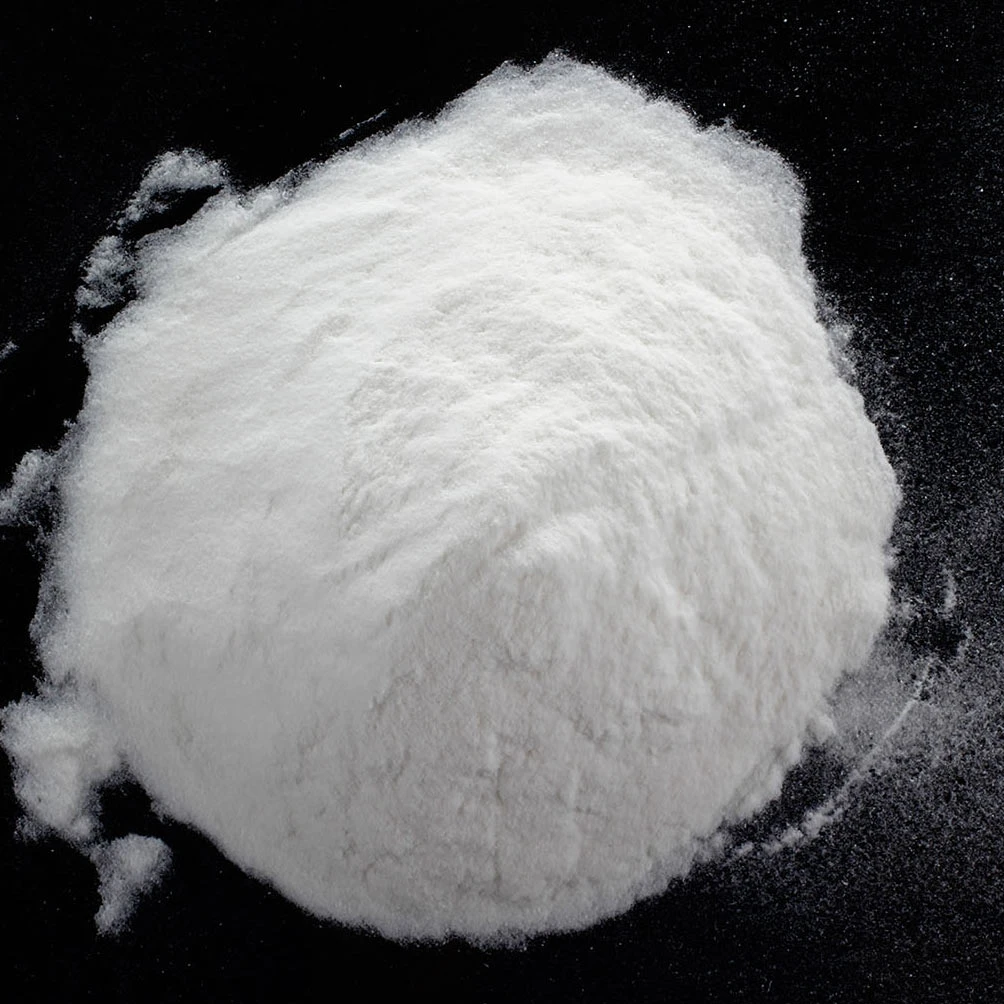
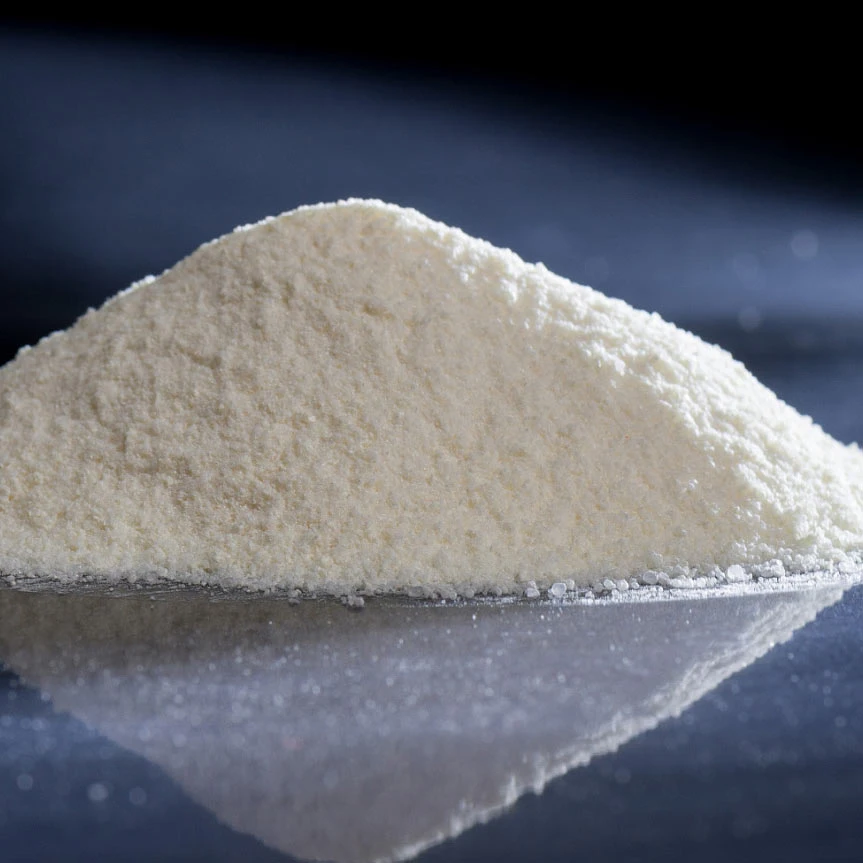
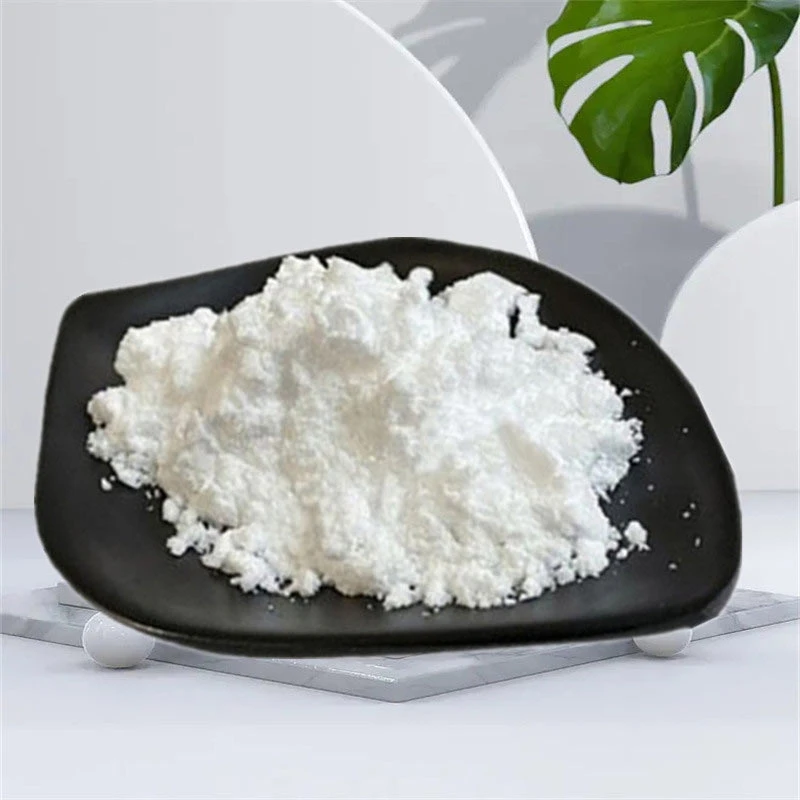
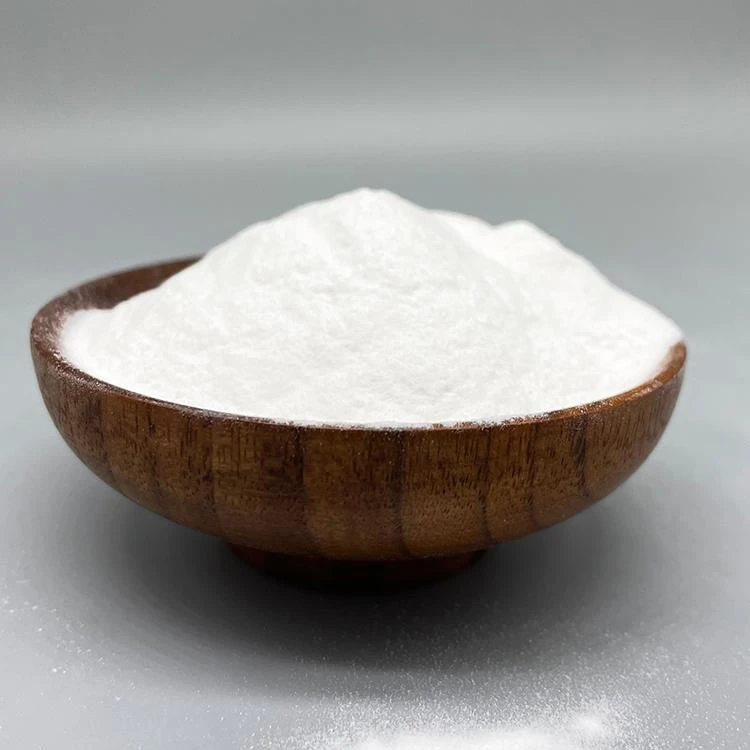
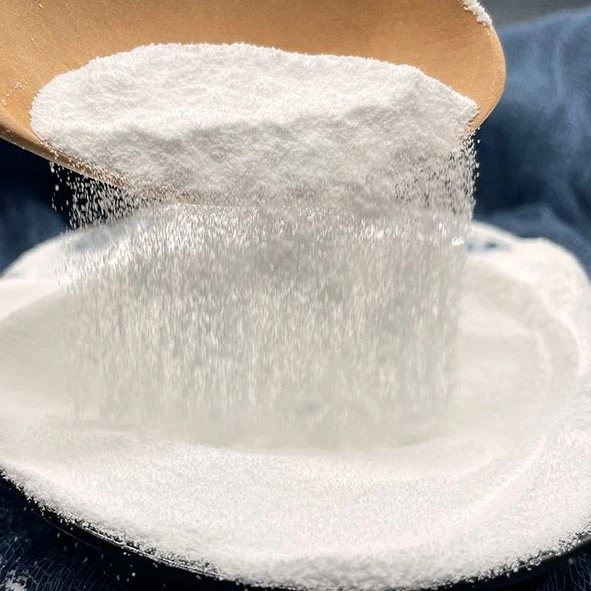
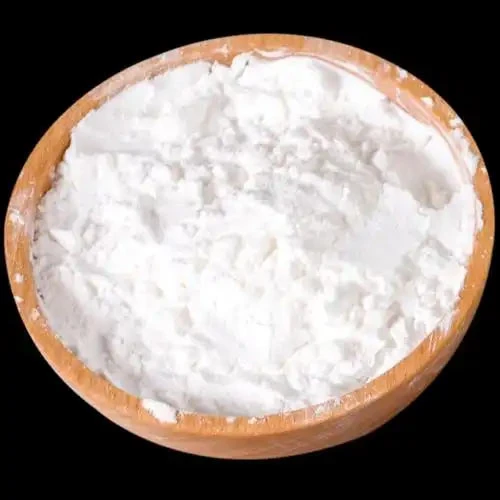
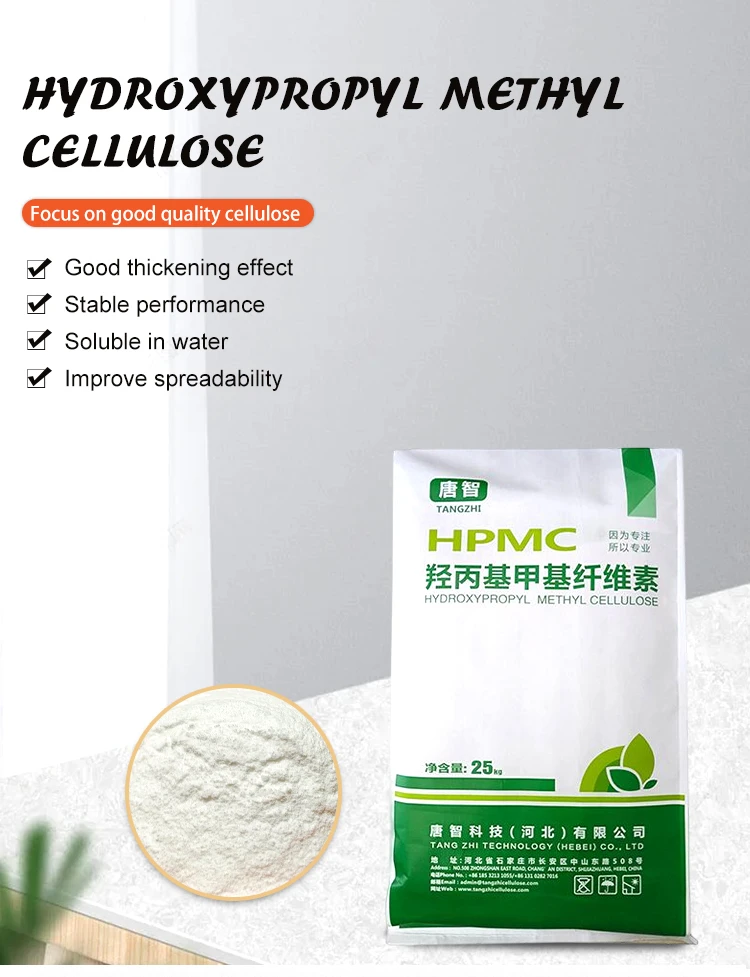
Simply put, hydroxypropyl methylcellulose is a chemically modified cellulose derived from plant fibers. It’s a non-ionic, water-soluble polymer that's widely used as a thickener, film-former, and stabilizer in cosmetics and pharmaceuticals. In skin care, HPMC enhances texture, improves moisture retention, and ensures uniform distribution of active ingredients. For humanitarian needs — think emergency creams in hot climates — it offers safety and ease of application without irritation.
Mini takeaway: HPMC is the “glue” that helps skin care products blend science and comfort seamlessly.
Key Components and Properties of Hydroxypropyl Methylcellulose in Skin Care
1. Viscosity and Texture Control
Hydroxypropyl methylcellulose excels in regulating product thickness — critical for formulations where spreadability and skin feel matter. It achieves a smooth, non-greasy finish that consumers appreciate.
2. Moisture Retention
Its hygroscopic qualities allow it to attract and hold water molecules, which helps keep skin hydrated and prevents dryness.
3. Stability and Protection
Due to its film-forming capacity, HPMC creates a breathable barrier that protects skin from environmental aggressors.
4. Compatibility and Safety
Since HPMC is non-irritant and hypoallergenic, it suits sensitive skin and diverse formulations, from creams to lotions.
5. Biodegradability
Being cellulose-based, it breaks down naturally, aligning with eco-conscious product trends.
| Property | Description | Implication for Skin Care |
|---|---|---|
| Viscosity | Adjustable thickening effect | Customizes product feel and application |
| Water Solubility | Dissolves readily in water | Supports easy formulation and skin absorption |
| Film Formation | Forms breathable protective layer | Improves skin barrier and product durability |
| Biodegradability | Breaks down naturally in the environment | Eco-friendly choice for sustainable skin care |
Mini takeaway: These properties combine to make HPMC a multi-functional, safe, and eco-conscious ingredient ideal for modern skin care.
Global Applications & Use Cases
Hydroxypropyl methylcellulose finds use far beyond your average moisturizer. In regions like Southeast Asia and Europe, manufacturers rely on it for sensitive skin formulations due to its soothing qualities. In humanitarian efforts, such as wound care creams in disaster zones, HPMC ensures product stability in hot climates without irritating vulnerable skin. In industrial settings, it helps create hand cleaners and protective barriers for workers exposed to harsh conditions.
- Asia-Pacific: Innovative skin serums and gels with natural extracts stabilized by HPMC.
- Europe: Sustainable cosmetics focusing on biodegradable polymers.
- Humanitarian Aid: Protective skin creams for burns and irritations used in refugee camps worldwide.
Mini takeaway: The global versatility of hydroxypropyl methylcellulose skin care is remarkable, spanning cosmetics to critical medical uses.
Advantages and Long-Term Value
Why even bother with HPMC? Frankly, it’s about marrying logic and emotion. Logically, you get improved product consistency, long shelf life, and fewer irritants. Emotionally, it’s about trust — consumers feel safer knowing their skin care is made with gentle, nature-derived ingredients. Sustainability-wise, it fits perfectly into circular economy models, reducing plastic microbeads and synthetic residues.
Long-term, HPMC helps brands strengthen customer loyalty and meet tightening regulatory demands — a win-win. And from a societal perspective, it champions skin health across all demographics. That feels pretty important.
Emerging Trends and Innovations in Hydroxypropyl Methylcellulose Skin Care
Looking ahead, expect to see HPMC evolve alongside digital formulation technologies and green chemistry breakthroughs. Hybrid polymers combining HPMC with natural oils or plant extracts are in trial phases, aiming to maximize hydration and UV protection. Automation in manufacturing ensures precise dosing, reducing waste. Plus, sustainability efforts are pushing companies to source cellulose from renewable forests certified by the FSC.
Mini takeaway: Hydroxypropyl methylcellulose is not static — it’s part of a fast-moving innovation wave in skin care science.
Challenges and Practical Solutions
No material is perfect. HPMC, while fantastic, can sometimes cause product thickening beyond the desired level or interact unpredictably with certain emulsifiers. Temperature sensitivity can also affect stability during shipping in extreme climates. Experts recommend close lab testing and blending with complementary stabilizers, like xanthan gum or cetyl alcohol, to finesse texture and performance.
Manufacturers also face supply chain pressures, as cellulose sourcing must be ethical and traceable. Transparent vendor audits and partnerships with sustainable forest management organizations are helping address these concerns.
| Vendor | Sustainability Credentials | Bulk Pricing (per ton) | Delivery Time |
|---|---|---|---|
| Tangzhi HPMC | FSC-certified cellulose sourcing | $1,200 | 7-14 days |
| ChemCell Corp | Partial sustainable sourcing | $1,350 | 10-20 days |
| GreenCell Biopolymers | 100% organic cellulose, vegan | $1,500 | 14-21 days |
FAQ: Frequently Asked Questions About Hydroxypropyl Methylcellulose Skin Care
- Q1: Is hydroxypropyl methylcellulose safe for all skin types?
- A1: Yes, due to its non-ionic and hypoallergenic nature, HPMC is generally safe for all skin types, including sensitive skin. It doesn’t typically cause irritation or allergic reactions, making it a preferred thickener and stabilizer in gentle formulations.
- Q2: How does HPMC improve the moisture retention of skin care products?
- A2: HPMC’s hygroscopic properties allow it to attract and hold water molecules within the product and on the skin surface, helping maintain hydration levels and preventing dryness throughout the day.
- Q3: Can hydroxypropyl methylcellulose improve the shelf life of creams and lotions?
- A3: Yes, because HPMC forms a protective film and stabilizes emulsions, it enhances product consistency and longevity, reducing the risk of separation or spoilage over time.
- Q4: Is HPMC environmentally friendly compared to synthetic polymers?
- A4: Absolutely. Being derived from plant cellulose, HPMC is biodegradable and less polluting than many synthetic polymers, aligning well with sustainable and eco-friendly skin care trends.
- Q5: Where can cosmetic formulators source high-quality HPMC?
- A5: Leading suppliers such as Tangzhi HPMC provide FSC-certified, high-grade hydroxypropyl methylcellulose suitable for sensitive and sustainable skin care formulations.
Conclusion & Call to Action
In real terms, hydroxypropyl methylcellulose skin care represents an intersection of chemistry, consumer safety, and sustainability that few ingredients manage to achieve so gracefully. It empowers brands to create products that feel good, work well, and respect our planet — all while answering the rising demand for responsible beauty. I encourage formulators, manufacturers, and consumers alike to explore the possibilities HPMC opens up.
For detailed product specs, sourcing info, and expert guidance, visit our website at https://www.tangzhihpmc.com.
— That’s a wrap on hydroxypropyl methylcellulose’s quiet revolution in skin care. Let’s keep watching this space — the future looks hydrated.
Quick takeaway: Hydroxypropyl methylcellulose is a game-changing ingredient marrying performance with sustainability — and it’s here to stay.
-
Exploring the Benefits of Hydroxyethyl Cellulose in Cosmetics FormulationsNewsJan.30,2026
-
Comprehensive Guide to Hydroxyethyl Cellulose Gel Properties and Industrial ApplicationsNewsJan.28,2026
-
Enhancing Hair Care Formulations with Hydroxyethyl Cellulose for HairNewsJan.27,2026
-
Exploring Hydrophobically Modified Hydroxyethyl Cellulose and Its Diverse ApplicationsNewsJan.27,2026
-
Understanding Hydroxyethyl Cellulose Structure: Benefits & Industry Insights | Tangzhi HPMCNewsJan.06,2026
-
Hydroxyethyl Cellulose Solubility in Water: Expert Insights & SpecsNewsJan.06,2026