Hydroxypropyl Methylcellulose Thickener – Industrial Strength & Reliability
Understanding Hydroxypropyl Methylcellulose Thickener in Industrial Applications
Having spent quite a few years knee-deep in the industrial equipment sector, I can say that materials like hydroxypropyl methylcellulose thickener often sneak under the radar, even though they’re incredibly important. It’s not the flashiest component on the factory floor, sure, but those who really know the game — engineers, formulators, quality control experts — recognize its quiet strength in a wide range of products, from construction to pharmaceuticals.
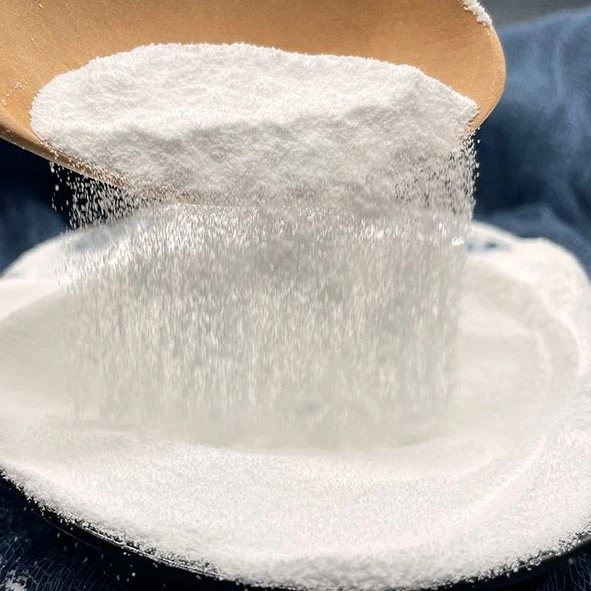
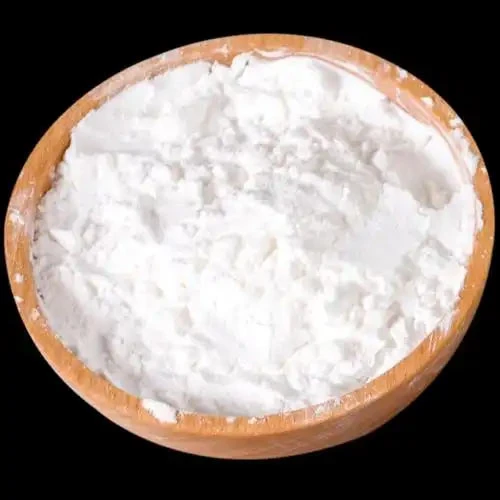
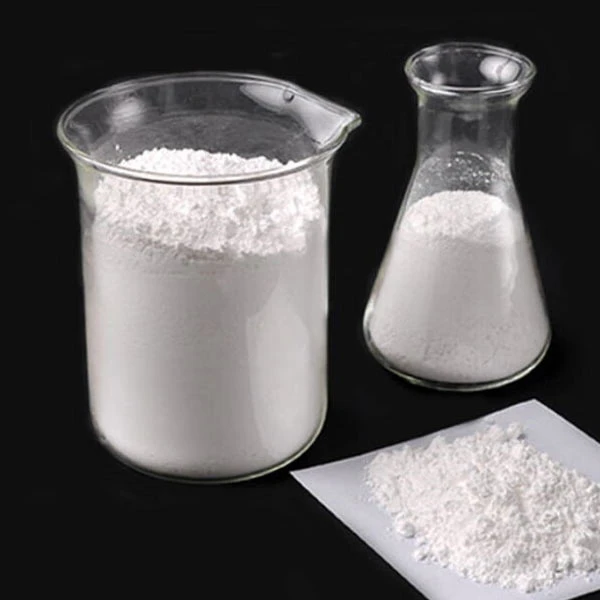
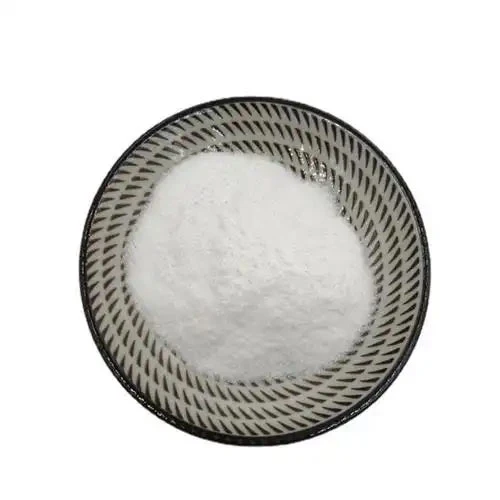
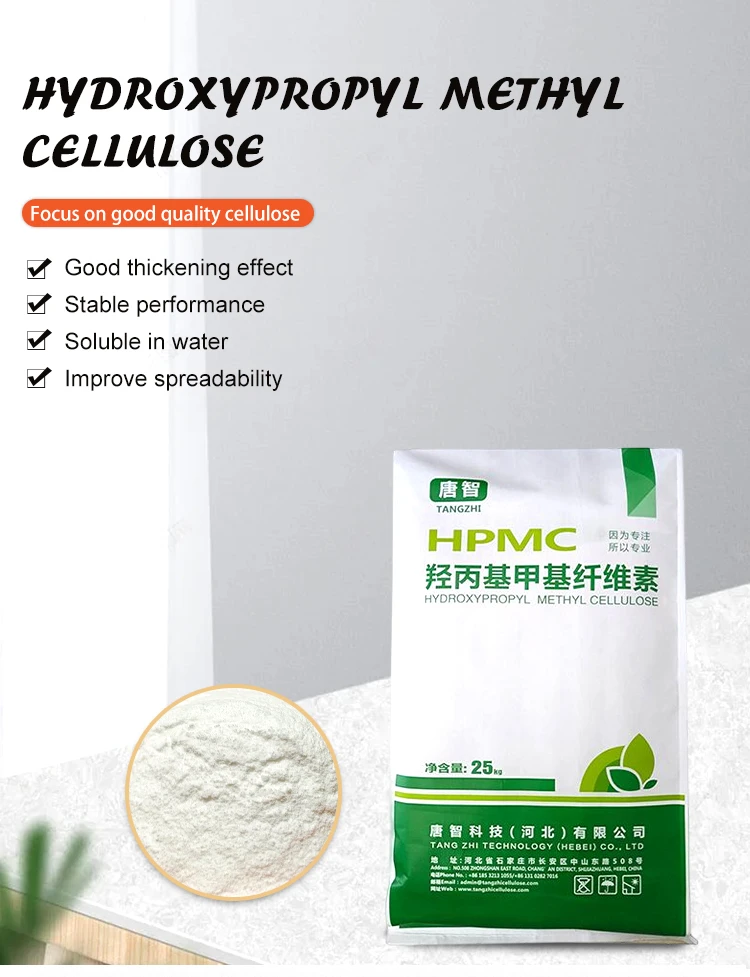
For those not familiar, hydroxypropyl methylcellulose (HPMC) is a non-ionic cellulose ether widely used as a thickening, suspending, and film-forming agent. Its thickening abilities are pretty remarkable when you consider its natural cellulose base combined with chemical modifications that enhance solubility and viscosity control. I suppose you can think of it as the unsung hero of viscosity modification, often replacing inorganic thickeners that come with their own baggage.
What’s outstanding about HPMC is its versatility. In construction, it enhances the workability of cementitious materials — mortar, tile adhesives, and plaster — making them smoother to handle and applying evenly. In industrial paints and coatings, it stabilizes pigments and improves suspension without compromising flow properties. Oddly enough, even some personal care formulations rely on it. I remember a project where the team switched to HPMC because traditional thickeners failed in low-temperature performance tests; it was a game-changer.
Now, since we’re talking specifics, let me share a typical spec breakdown for HPMC thickener from a reputable supplier. The precise chemical structure and viscosity grade you choose can influence everything from product texture to shelf life and application ease.
| Specification | Typical Value | Notes |
|---|---|---|
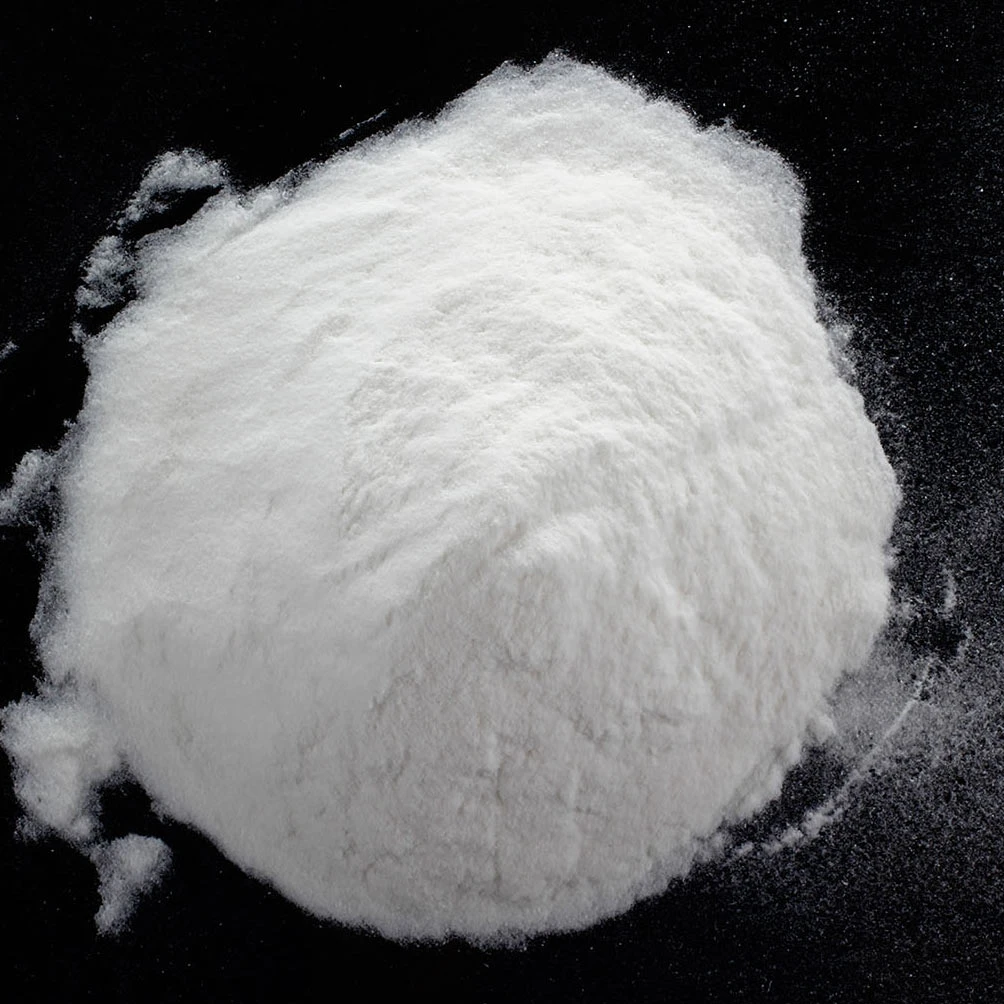
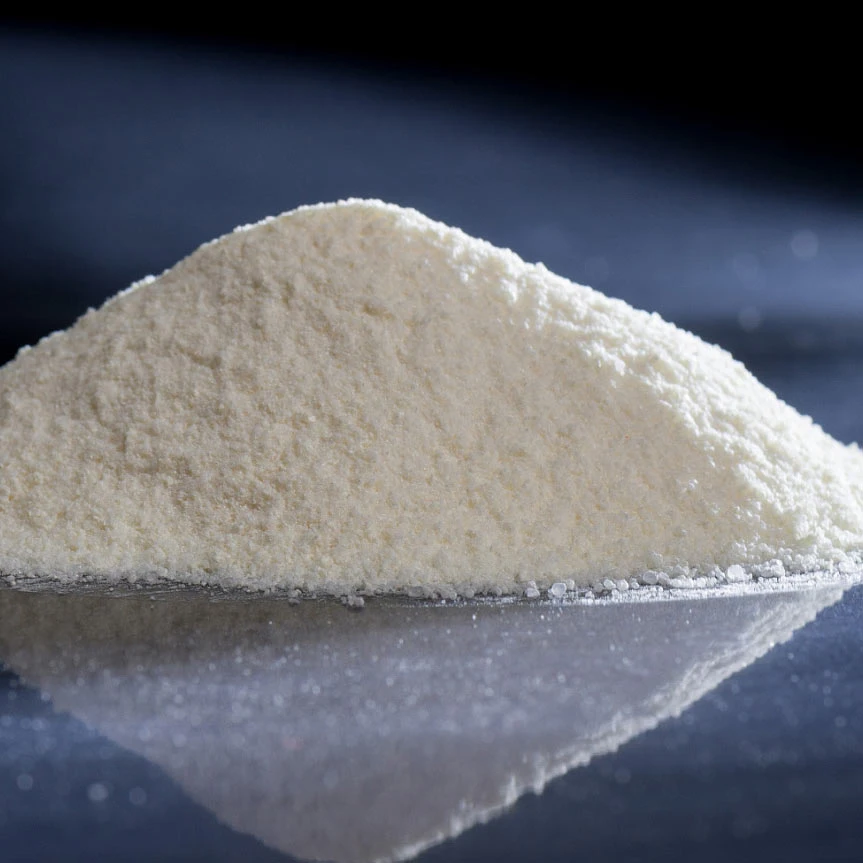
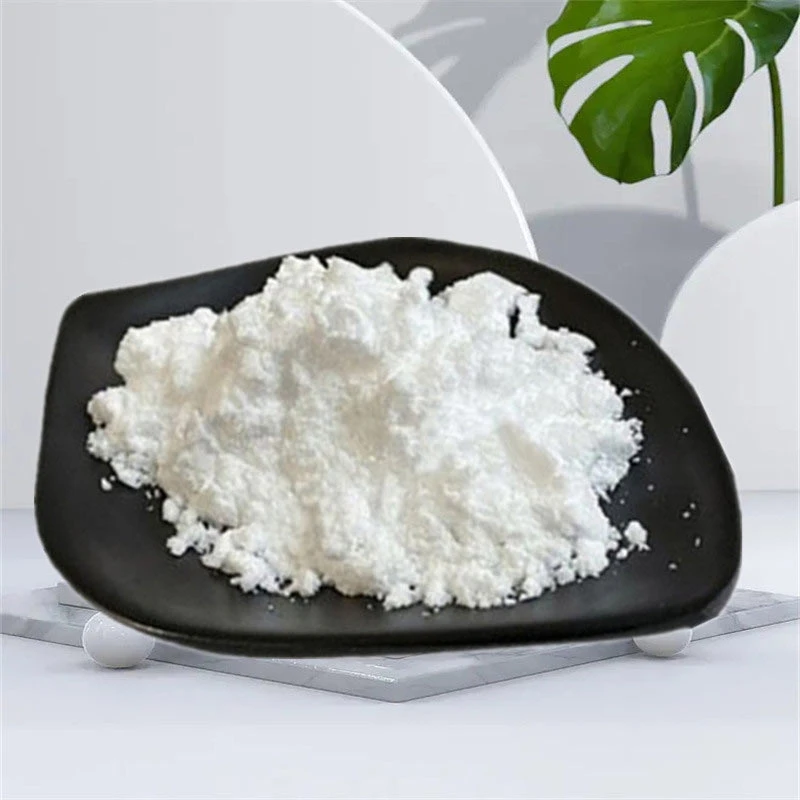
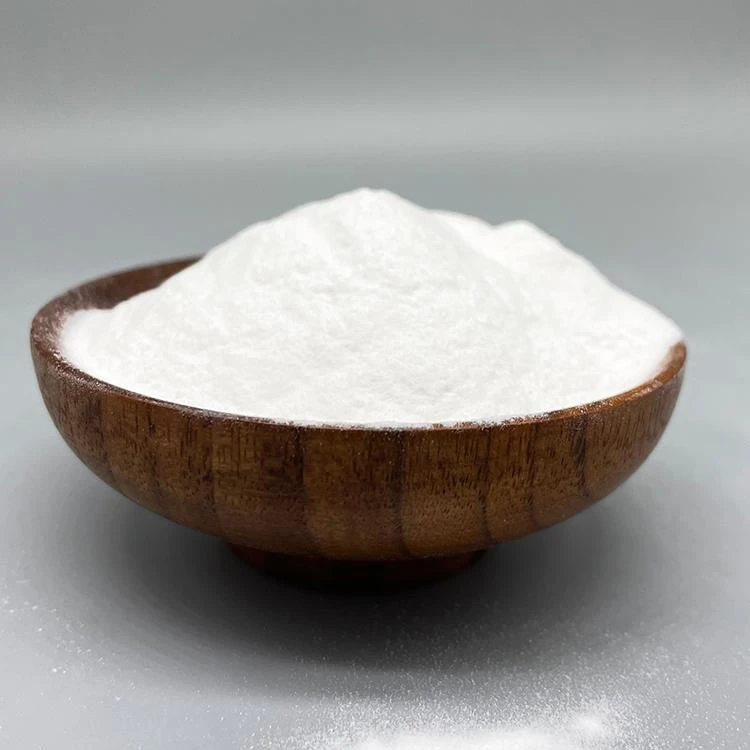
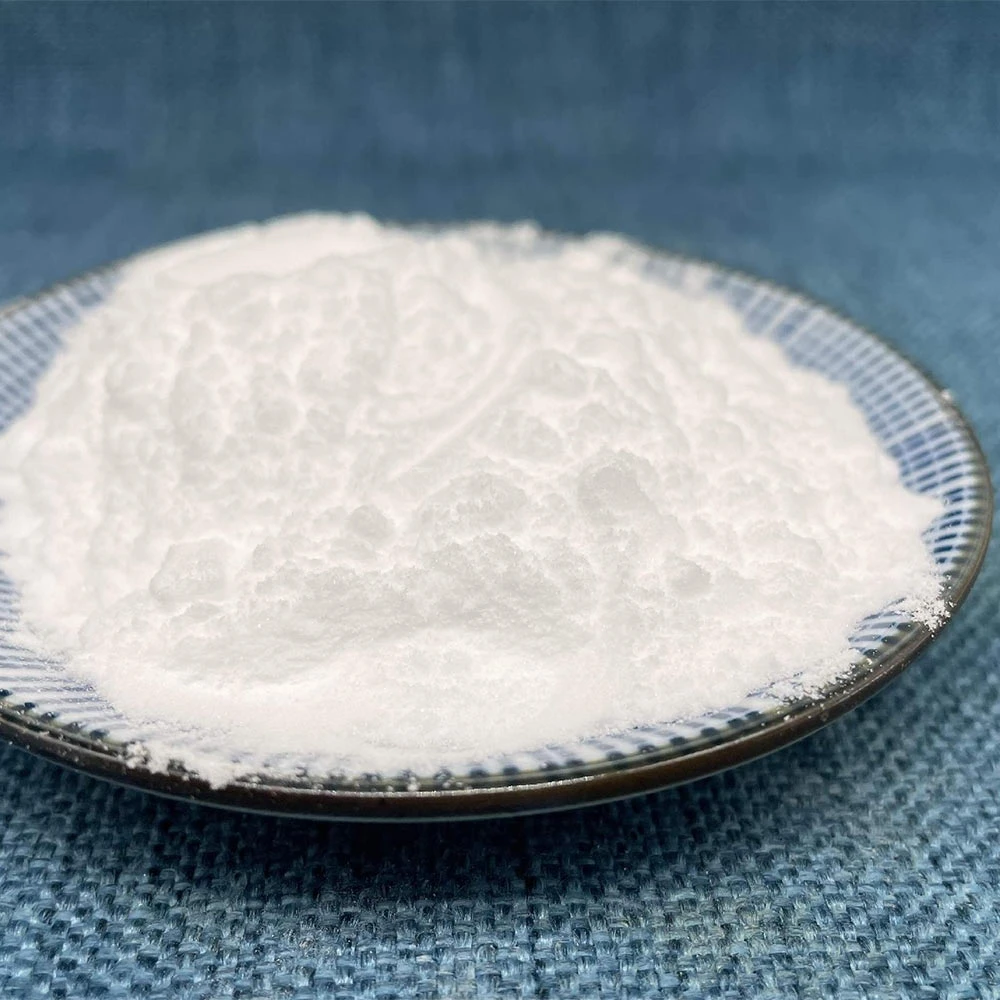
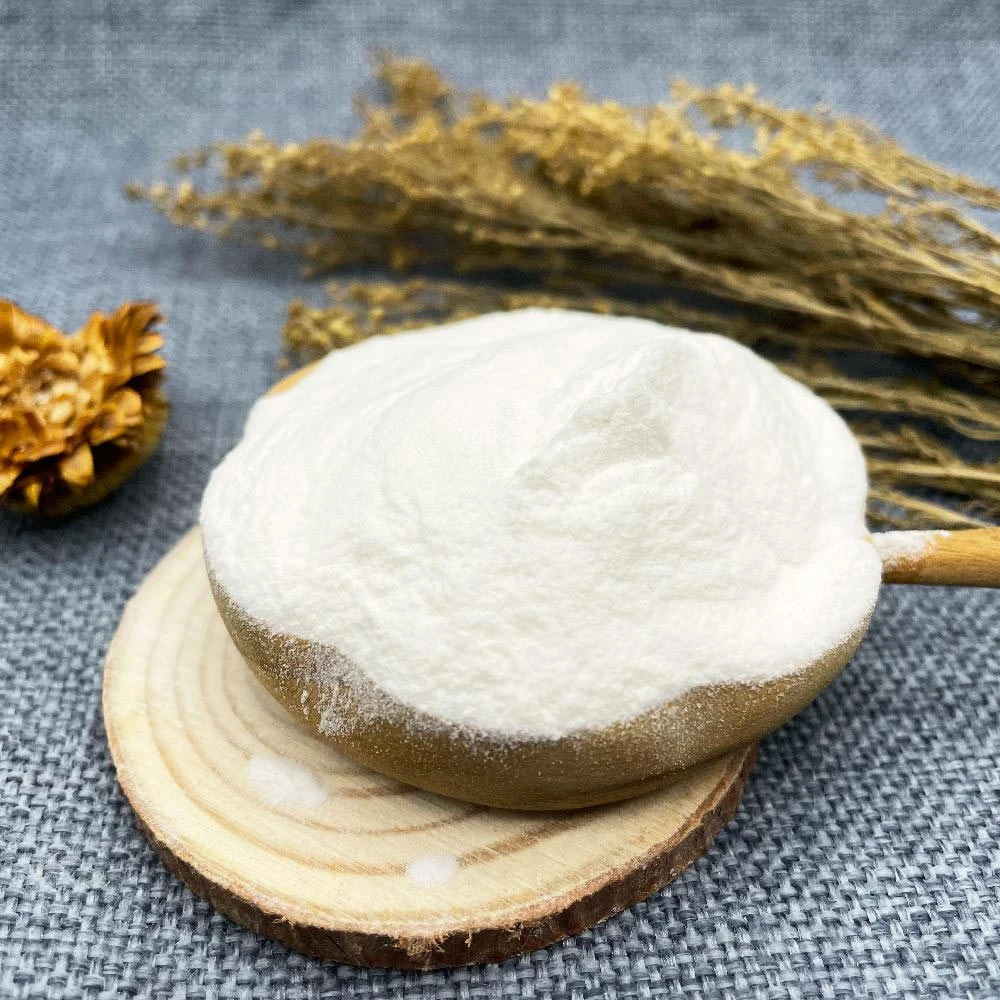
| Appearance | White to off-white powder | Consistent, free-flowing |
| Methoxy content (wt%) | 19.5% - 24.5% | Affects solubility |
| Hydroxypropoxy content (wt%) | 4% - 12% | Impacts viscosity and setting |
| Viscosity (2% solution, 20°C) | 1000 - 15,000 mPa·s | Varies by grade |
| pH (2% solution) | 5.0 - 8.0 | Safe and stable in typical uses |
| Ash content | ≤ 4.0% | Indicative of purity |
As much as specs matter, real-world experience with suppliers also plays a big role. I’ve worked with a few brands over the years, and frankly, not all HPMC thickeners are created equal. Some have more consistent particle size distribution, which directly impacts mixing uniformity and final product performance.
Here’s a quick comparison that I’ve put together reflecting common vendors in the market based on price, quality consistency, delivery reliability, and technical support.
| Vendor | Price Level | Quality Consistency | Delivery Speed | Technical Support |
|---|---|---|---|---|
| Tangzhi HPMC | Competitive | High | Fast & reliable | Excellent |
| Major Global ChemCo | Premium | Very High | Moderate | Good |
| Regional Supplier X | Low | Variable | Slow | Limited |
What stood out for me with Tangzhi’s HPMC was the combination of consistent quality and very responsive technical support. For an industrial line, where changes can cause big headaches—and sometimes cost a lot in downtime—that kind of partnership value can really pay off. You know that feeling when you call your supplier with a tricky formulation question and they actually pick up the phone or get back quickly? Priceless, honestly.
In real terms, choosing the right HPMC thickener means balancing viscosity control, compatibility with your system chemistry, and processing conditions. Some formulations need HPMC grades with higher hydroxypropoxy content to slow down setting times; others want higher viscosity for improved sag resistance. For instance, in one job, a tile adhesive manufacturer I worked with switched HPMC grades to improve workability at lower water content—and the feedback was immediate and positive.
So, while it might just be one ingredient in a complex mix, understanding the nuances of hydroxypropyl methylcellulose thickener can elevate product performance and ease production hassles. It’s not glamorous, but it’s definitely essential.
At the end of the day, it feels like the people who get the most out of HPMC thickeners are those who invest a bit of time in understanding both the product and their own unique application needs. So, if you’re shopping around or reconsidering your supplier, you might want to look a little closer than just the price tag.
Quick takeaway: the right HPMC thickener isn’t just about thickening — it’s about reliable quality, tailored performance, and solid technical partnership.
References:
1. Tangzhi Chemical Product Brochure.
2. Industry White Paper on Modified Cellulose Ethers, 2023.
3. Personal case notes from various industrial formulation projects.
-
Exploring the Benefits of Hydroxyethyl Cellulose in Cosmetics FormulationsNewsJan.30,2026
-
Comprehensive Guide to Hydroxyethyl Cellulose Gel Properties and Industrial ApplicationsNewsJan.28,2026
-
Enhancing Hair Care Formulations with Hydroxyethyl Cellulose for HairNewsJan.27,2026
-
Exploring Hydrophobically Modified Hydroxyethyl Cellulose and Its Diverse ApplicationsNewsJan.27,2026
-
Understanding Hydroxyethyl Cellulose Structure: Benefits & Industry Insights | Tangzhi HPMCNewsJan.06,2026
-
Hydroxyethyl Cellulose Solubility in Water: Expert Insights & SpecsNewsJan.06,2026