Hydroxypropyl Methylcellulose Uses In Construction | Tangzhi High-Performance HPMC
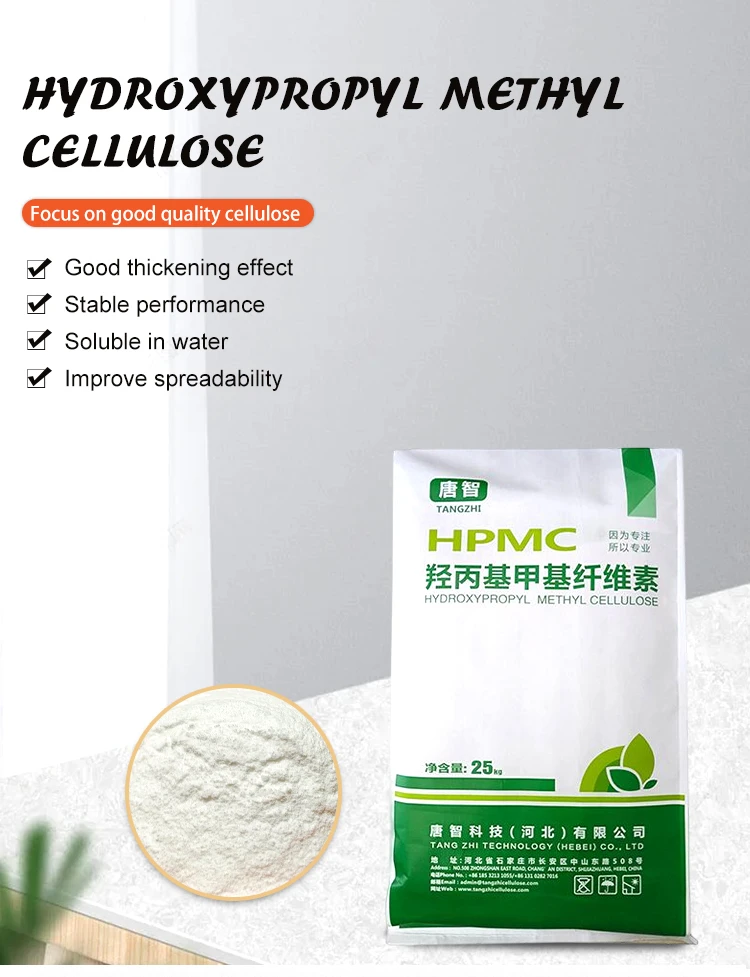
Hydroxypropyl Methylcellulose Uses In Construction is a key solution in the industry, specifically within the construction materials sector. This article explores how Tangzhi HPMC supports professionals with durable, high-performance products, and explains why this product is an ideal choice for businesses in these sectors.
Table of Contents
- Hydroxypropyl Methylcellulose Uses In Construction Overview
- Benefits & Use Cases of Hydroxypropyl Methylcellulose Uses In Construction
- Cost, Maintenance & User Experience
- Sustainability & Market Trends
Hydroxypropyl Methylcellulose Uses In Construction Overview
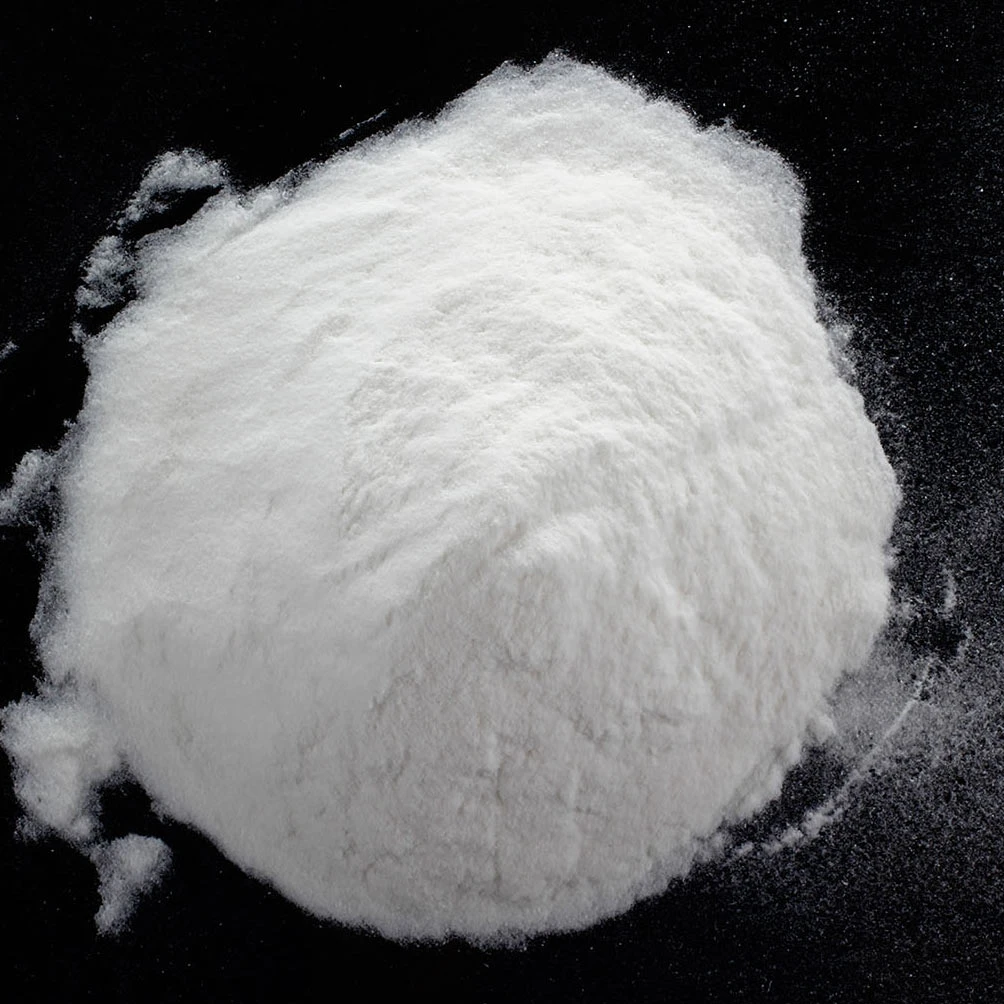
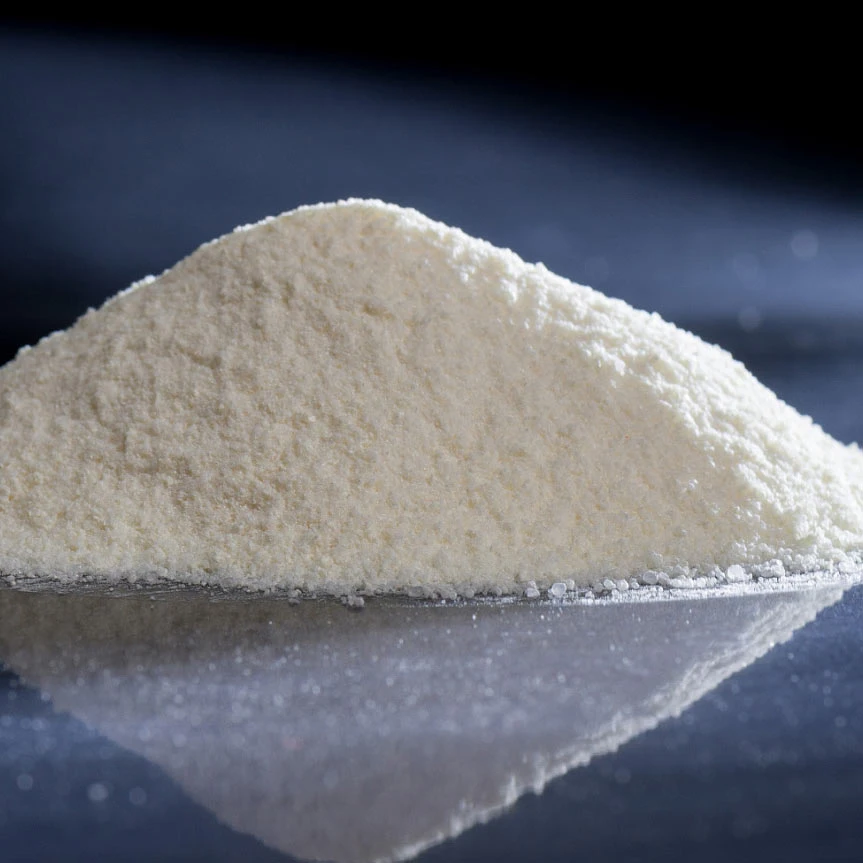
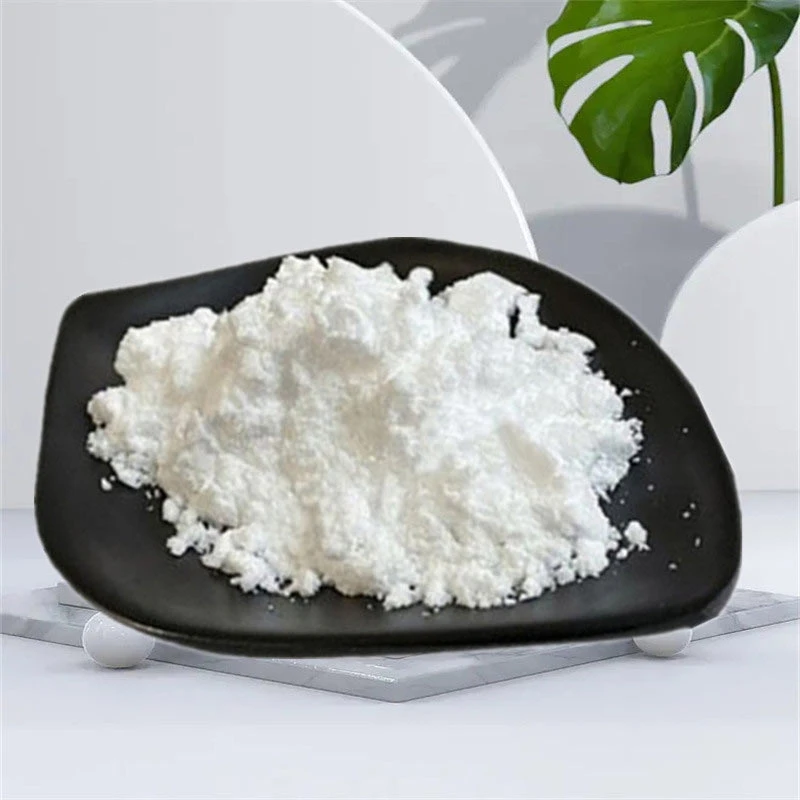
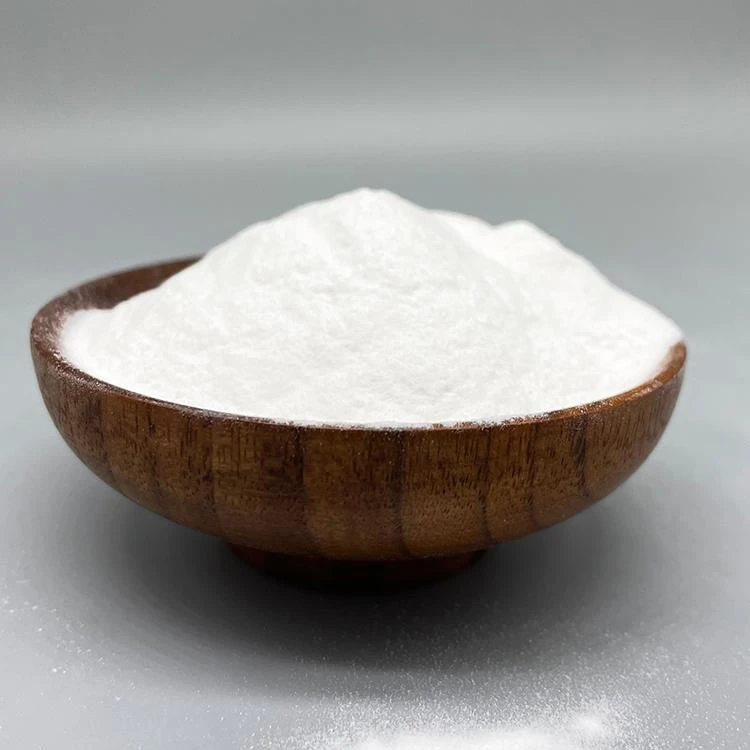
Hydroxypropyl Methylcellulose, often abbreviated to HPMC, is a cellulose derivative widely valued in construction for its versatile binding and thickening properties. Frankly, it’s one of those behind-the-scenes heroes that ensures materials like plaster, cement, and tile adhesives behave exactly how they’re supposed to on-site.
Industrially, it acts as a water retention agent, improving workability and adhesion of dry mortar mixes. The technical specs from Tangzhi HPMC back this up, boasting viscosities ranging from 5,000 to 100,000 mPa·s and methoxy content tailored to optimize thickening and film-forming capabilities. A recent case study showed that mortars incorporating Tangzhi HPMC exhibited superior flexural strength and reduced shrinkage cracks — something every site manager dreams about.
| Specification | Typical Value | Unit |
|---|---|---|
| Methoxy Content | 19 - 24 | % |
| Hydroxypropyl Content | 4 - 12 | % |
| Viscosity | 25000 - 100000 | mPa·s (2% aqueous) |
| PH Value | 5.0 - 8.0 | – |
Benefits & Use Cases of Hydroxypropyl Methylcellulose Uses In Construction
In real terms, the practical upsides of HPMC in construction are plenty. For starters, it’s a game-changer in tile adhesives, providing enhanced open time and adjustability, which means installers aren’t rushing the job. It also markedly improves water retention in mortar mixes, which reduces cracking during curing and boosts overall durability.
Beyond that, it enhances the workability of plasters and renders — making the material easier to handle and apply. If you’re in the waterproofing or repair mortars game, HPMC improves consistency without sacrificing strength. Many engineers point out how Tangzhi’s formulations, with customizable viscosity grades, can be tuned precisely for different climate conditions or substrate types, giving manufacturers a competitive edge.
Cost, Maintenance & User Experience
We often hear the question: “Is the premium on HPMC justified?” Cost-wise, the total cost of ownership tends to come out pretty favorable. Though initial material costs rise slightly, the net savings in labor, reworks, and durability gains usually tip the scales.
Customers report less material wastage and better overall yields due to HPMC’s stabilizing effect. Tangzhi clients in particular praise the consistent quality batch to batch, which reduces unpredictable downtime. Honestly, the improved user experience on the job — a smoother, more forgiving product — pays for itself quickly.
Sustainability & Market Trends
Oddly enough, sustainability is becoming a strong driver behind increased HPMC adoption. Because it’s plant-based and non-toxic, it fits with greener building standards and tightening regulations worldwide. Plus, its role in extending product lifespan means less waste in the long haul.
Worldwide demand for high-performance, eco-friendly construction additives is expected to grow steadily. Tangzhi is well-positioned here, integrating sustainable sourcing with scalable manufacturing. This positions businesses to meet both market expectations and compliance, without compromising on product performance.
| Vendor | Viscosity Range (mPa·s) | Eco-Friendliness | Available Custom Grades |
|---|---|---|---|
| Tangzhi | 5,000 – 100,000 | Certified Plant-based | Yes |
| Competitor A | 10,000 – 80,000 | Synthetic Derivative | Limited |
| Competitor B | 15,000 – 90,000 | Plant-derived | Partial |
Frequently Asked Questions about Hydroxypropyl Methylcellulose Uses In Construction
- What is Hydroxypropyl Methylcellulose Uses In Construction and how does it work?
- It’s essentially a cellulose-based polymer additive that thickens and stabilizes cementitious and gypsum-based mixtures. It works by absorbing water and forming a gel, which helps retain moisture and improve adhesion, so materials don’t dry out too fast and stay workable longer on-site.
- What are the main benefits of using Hydroxypropyl Methylcellulose Uses In Construction in industrial applications?
- Key benefits include better water retention, enhanced workability, resistance to cracking during drying, and overall improved durability of construction materials. It also supports longer open time, which provides flexibility in application – especially critical for larger or more complex projects.
- How does Hydroxypropyl Methylcellulose Uses In Construction compare to traditional alternatives?
- Compared to traditional cellulose ethers or synthetic polymers, HPMC offers a more balanced profile of thickening, retention, and flexibility. It’s plant-derived, which many find more sustainable. Moreover, the performance consistency is often higher due to advances in manufacturing and tailoring viscosity grades.
- What industries can benefit most from Hydroxypropyl Methylcellulose Uses In Construction implementation?
- Primary sectors include tile adhesives, gypsum plasters, self-leveling compounds, waterproofing mortars, and repair mortars. Basically, any industry dealing with dry mix mortars or cementitious formulations can leverage HPMC to improve product performance and workability.
Conclusion on Hydroxypropyl Methylcellulose Uses In Construction from china
To wrap things up, Hydroxypropyl Methylcellulose is not just an additive — it’s a strategic ingredient that elevates construction materials to deliver enhanced durability, user-friendliness, and sustainability benefits. Tangzhi’s HPMC products stand out through their reliable quality and tailored grades, making them a smart choice for companies wanting to stay competitive in today's demanding market. For B2B decision makers, considering Tangzhi’s solutions means investing in proven performance and future-ready materials.
- Experience superior product consistency, backed by stringent quality control.
- Visit our website: https://www.tangzhihpmc.com
Sometimes, it’s the invisible ingredients like HPMC that quietly ensure a structure lasts for decades — and that’s pretty amazing in itself.
- Tangzhi Technical Data Sheets, 2024
- Industry Reports on Sustainable Construction Additives, 2023
- Case Studies: Mortar Performance Improvements Using HPMC, 2022
-
Exploring the Benefits of Hydroxyethyl Cellulose in Cosmetics FormulationsNewsJan.30,2026
-
Comprehensive Guide to Hydroxyethyl Cellulose Gel Properties and Industrial ApplicationsNewsJan.28,2026
-
Enhancing Hair Care Formulations with Hydroxyethyl Cellulose for HairNewsJan.27,2026
-
Exploring Hydrophobically Modified Hydroxyethyl Cellulose and Its Diverse ApplicationsNewsJan.27,2026
-
Understanding Hydroxyethyl Cellulose Structure: Benefits & Industry Insights | Tangzhi HPMCNewsJan.06,2026
-
Hydroxyethyl Cellulose Solubility in Water: Expert Insights & SpecsNewsJan.06,2026