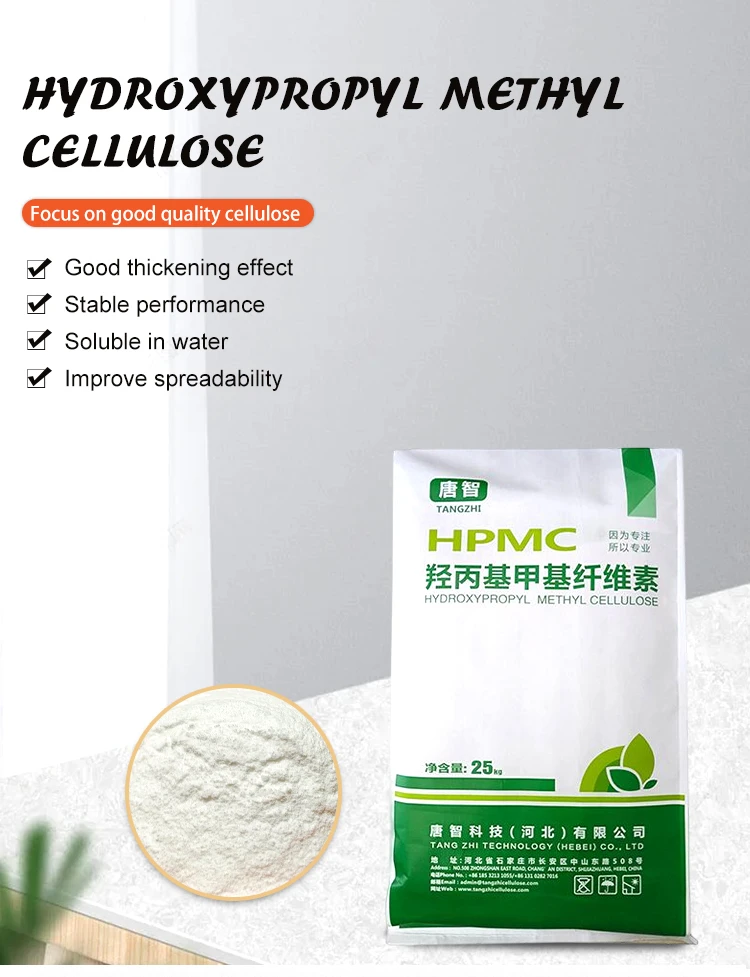
Hypromellose Cellulose – High-Performance Polymer Solutions for Industry | Tangzhi HPMC
Hypromellose Cellulose is a key solution in the industry, specifically within various applications ranging from pharmaceuticals to construction. This article explores how Tangzhi HPMC supports professionals with durable, high-performance products, and explains why this product is an ideal choice for businesses in these sectors.
Table of Contents
- Hypromellose Cellulose Overview
- Benefits & Use Cases of Hypromellose Cellulose
- Cost, Maintenance & User Experience
- Sustainability & Market Trends
Hypromellose Cellulose Overview
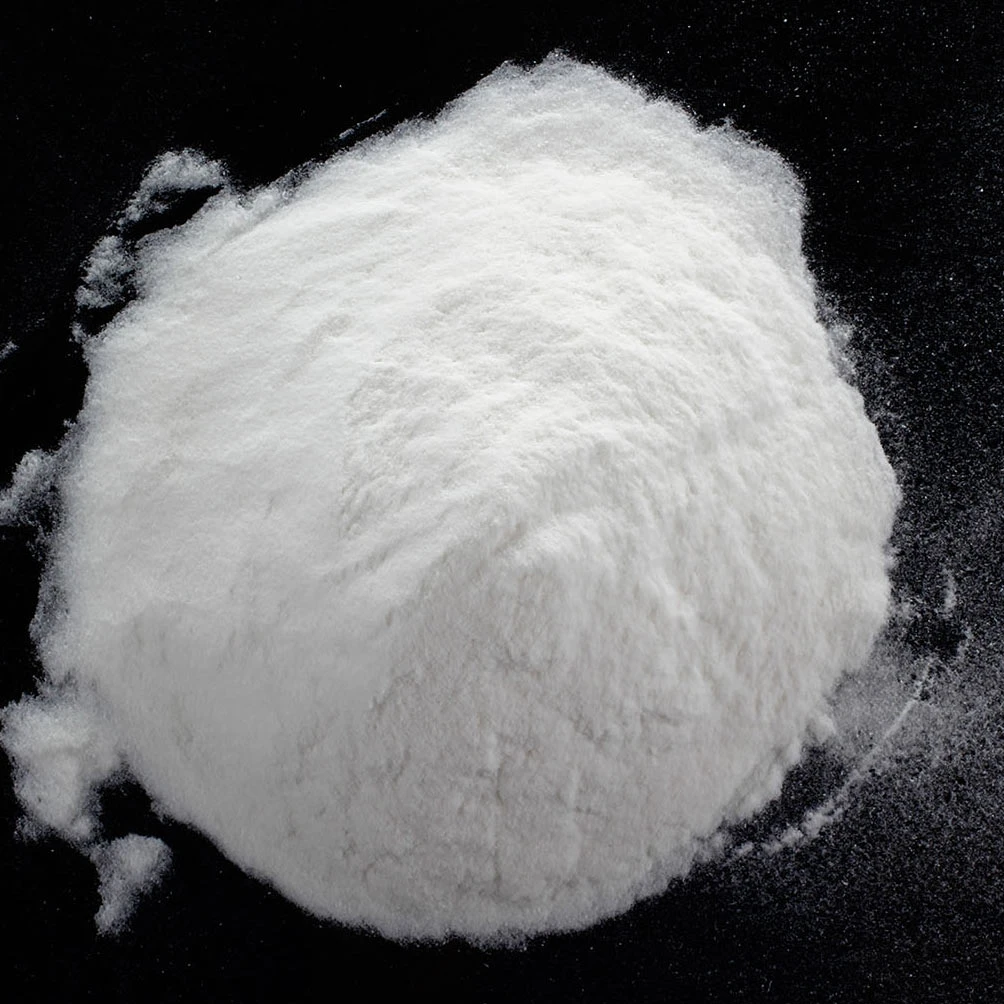
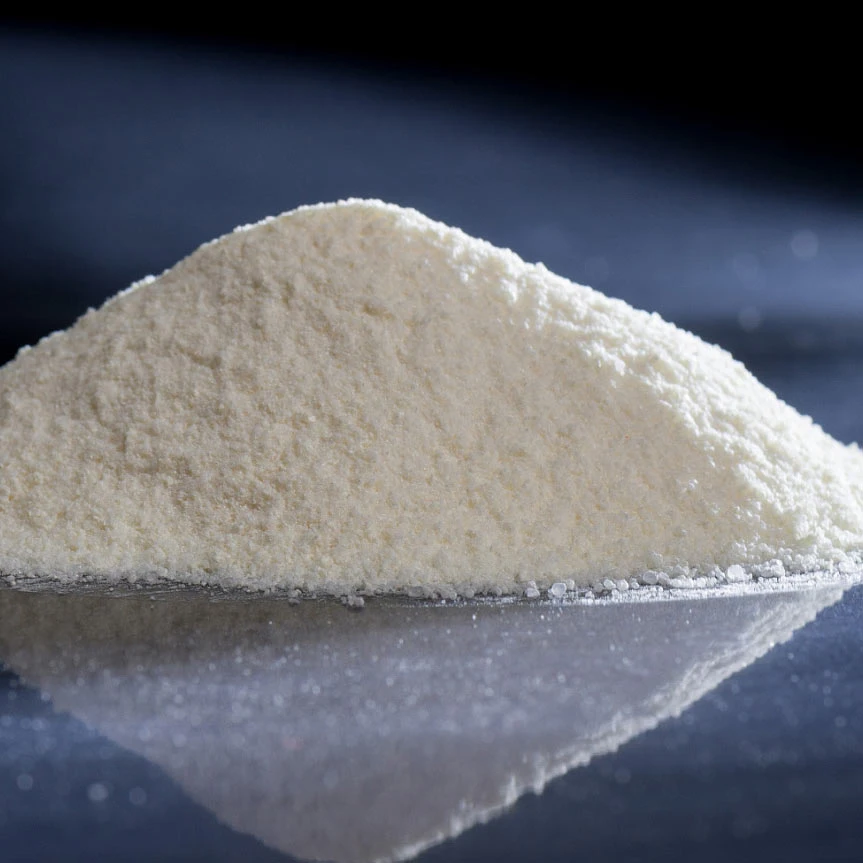
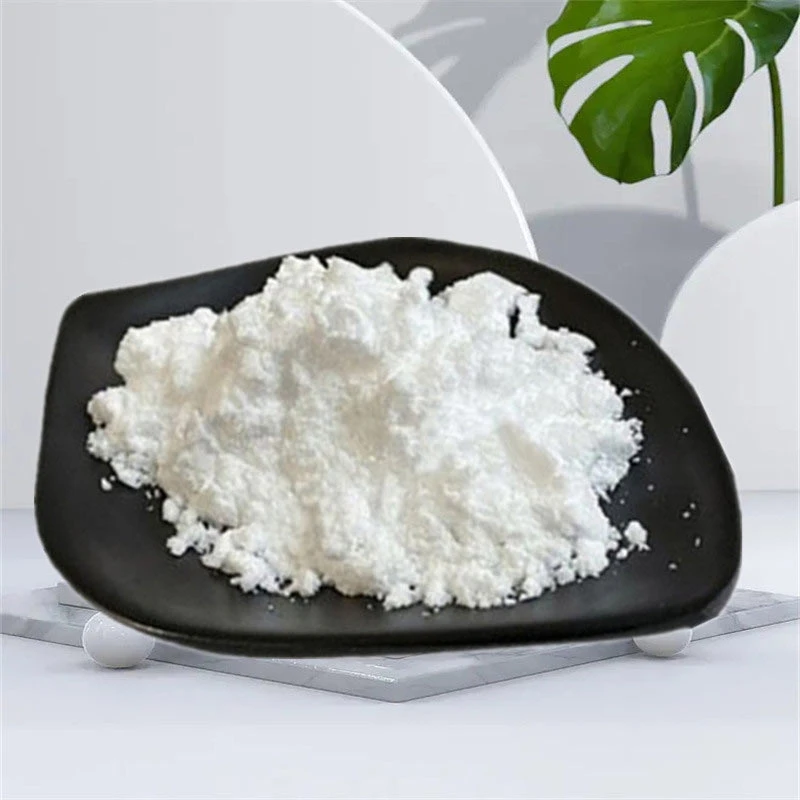
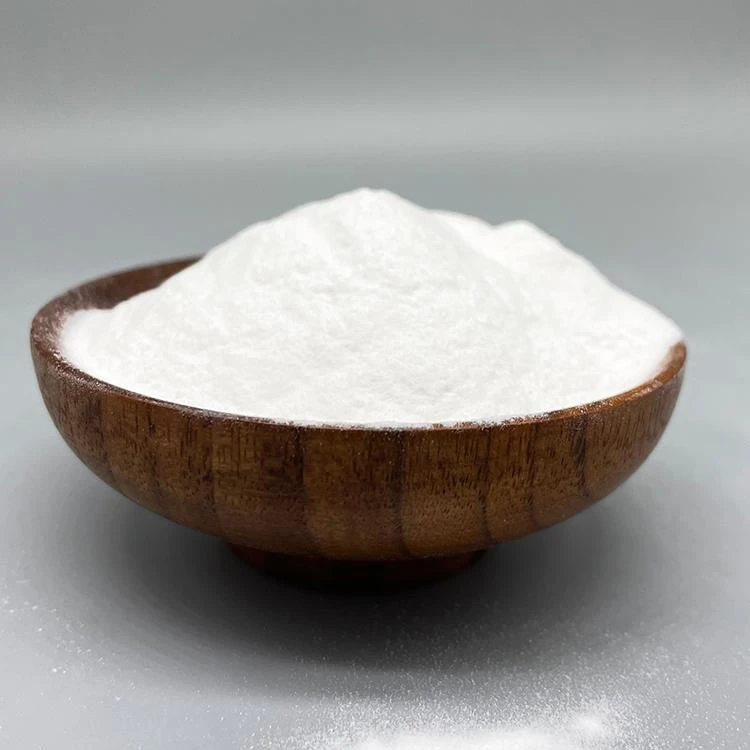
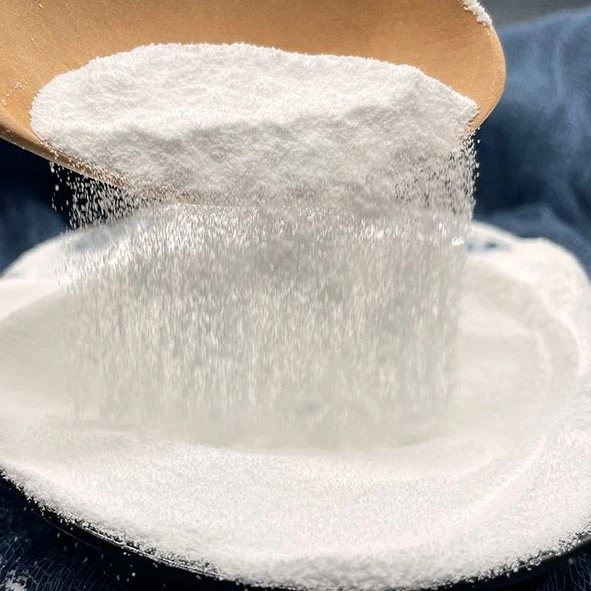
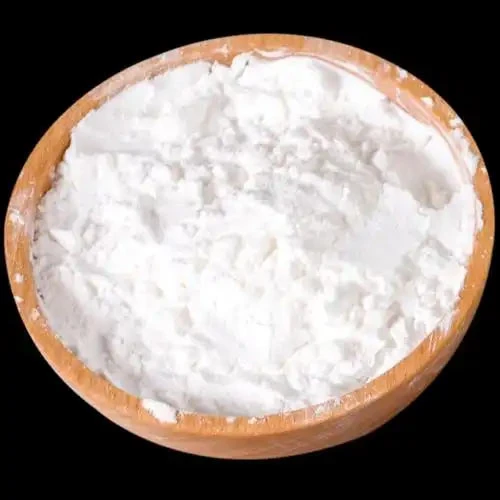
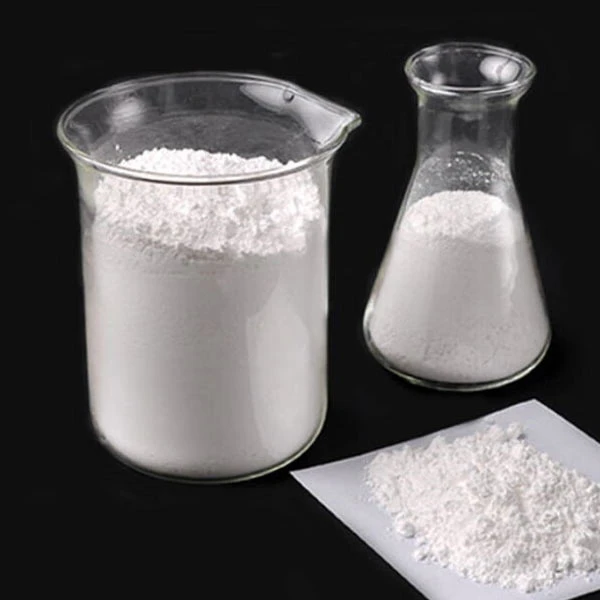
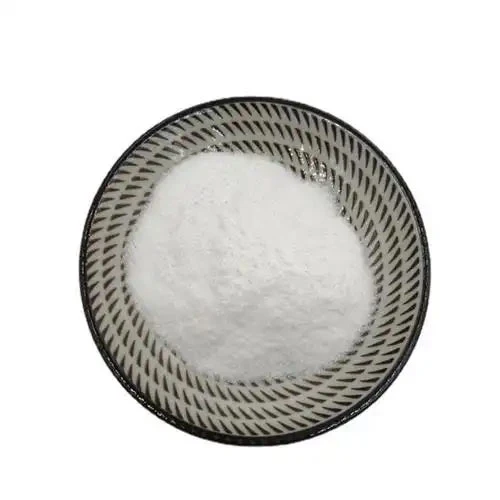
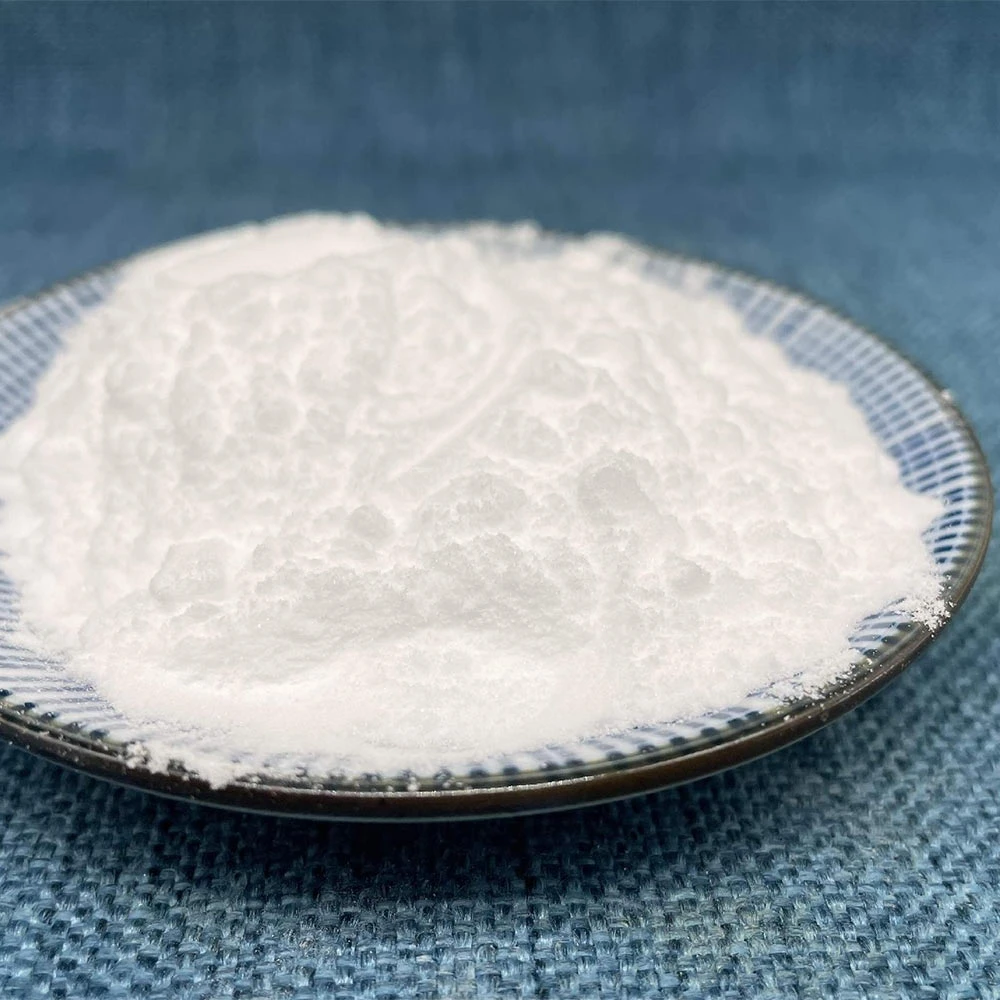
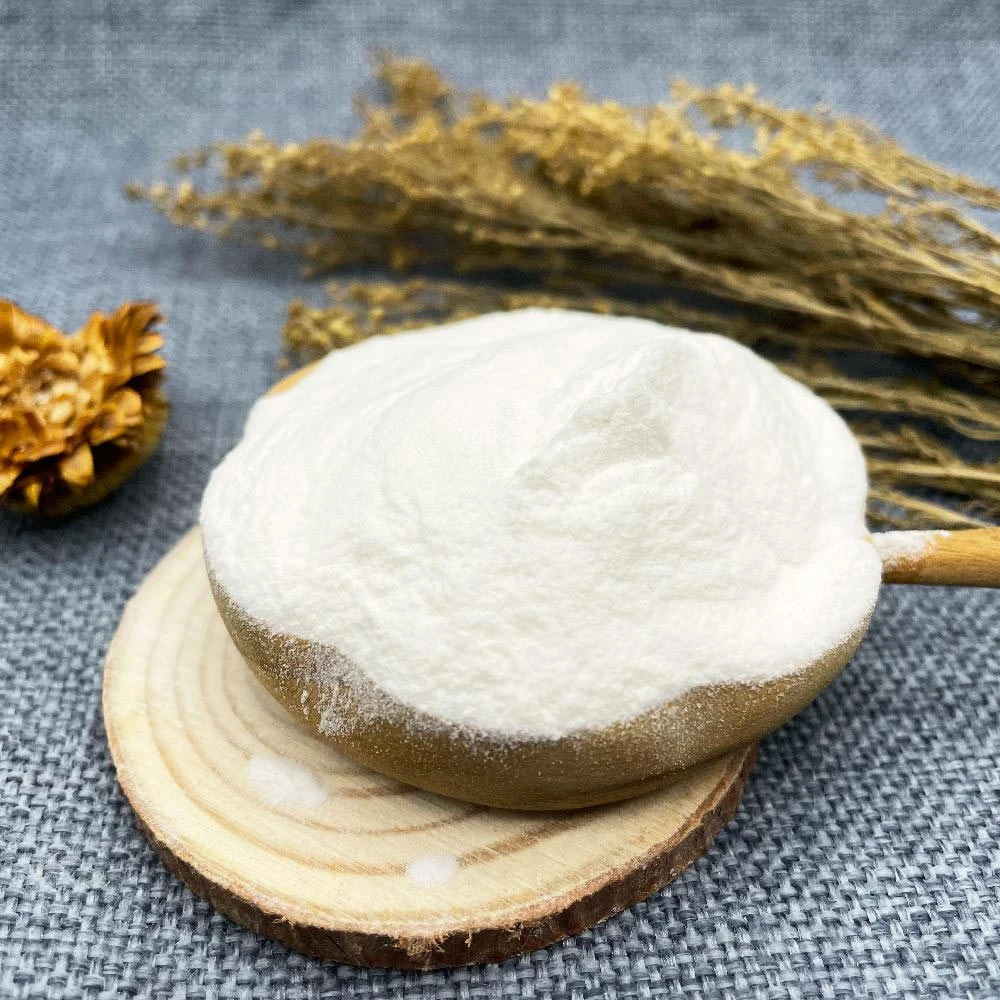
Hypromellose Cellulose, often abbreviated as HPMC, is a semi-synthetic, inert, and viscoelastic polymer derived from cellulose. You might say it’s an unsung hero in industries that require thickening, film-forming, or controlled release features. It’s widely used in pharmaceuticals for tablet coatings, in construction as a water retention agent, and even in personal care formulations. Its ability to suspend particles, stabilize emulsions, and modify viscosity makes it quite versatile. Frankly, finding a single product that crosses so many industry boundaries with aplomb isn’t easy.
- HPMC is derived from cellulose via a precise chemical process that substitutes hydroxypropyl and methyl groups—for enhanced water solubility and stability.
- Tangzhi’s HPMC products typically come with viscosities ranging from 5 to 100,000 mPa·s, suiting everything from spray-dry powders to high-performance wetting agents.
| Parameter | Specification Range |
|---|---|
| Viscosity (mPa·s) | 5 - 100,000 |
| Methoxy Content (%) | 19 - 24 |
| Hydroxypropyl Content (%) | 4 - 12 |
| Bulk Density (g/cm³) | 0.3 - 0.5 |
| pH (1% solution) | 5.5 - 8.5 |
Benefits & Use Cases of Hypromellose Cellulose
If you’re wondering where HPMC shines, well, it’s everywhere demanding reliability and ease of formulation. In construction, Tangzhi’s HPMC enhances tile adhesives by improving water retention and workability, which, frankly, reduces cracking — a headache for many project managers. In pharma, its film-forming ability delays drug release in controlled-release tablets, helping ensure medications work as intended without early absorption.
- Acts as an efficient thickener, stabilizer, and emulsifier in paints and coatings, improving section flow and finishing.
- Offers superior compatibility with a wide range of ingredients, outperforming starch or synthetic thickeners.
Vendor Comparison Table
| Vendor | Viscosity Range (mPa·s) | Product Purity (%) | Price Competitiveness | Lead Time |
|---|---|---|---|---|
| Tangzhi HPMC | 5 - 100,000 | > 99% | Highly competitive | 1-2 weeks |
| Vendor B | 10 - 80,000 | 98% | Moderate | 3-4 weeks |
| Vendor C | 5 - 70,000 | 97% | Higher | 2-3 weeks |
Cost, Maintenance & User Experience
Looking at the total cost of ownership, Hypromellose Cellulose offers a compelling ROI for businesses. While it’s sometimes seen as pricier upfront compared to starch or cellulose derivatives, the reduction in maintenance costs and improved product durability often offset that. You might think it’s a trade-off, but many Tangzhi customers report consistent batch quality and fewer production slowdowns, which frankly means less downtime.
- Durability translates to fewer raw material substitutions during manufacturing runs.
- Customer feedback highlights Tangzhi’s reliable supply chain and responsive technical support, which can’t be overstated.
Sustainability & Market Trends
Sustainability in materials chemistry is more than a buzzword — it's a decisive factor in procurement and product development. Hypromellose Cellulose is notable for being non-toxic and biodegradable, often produced with renewable cellulose sources. Regulations increasingly favor such sustainable materials, especially in pharmaceuticals and construction, where eco-label compliance is becoming non-negotiable. Market analysis shows steady growth in demand, partly driven by stricter environmental legislation and a shift toward green products. Oddly enough, even end-users are becoming more aware of the benefits of biodegradable polymers like HPMC, which puts pressure on manufacturers to adopt them.
- Tangzhi has invested in cleaner production technologies, reducing wastewater and emissions, aligning with global sustainability goals.
Frequently Asked Questions about Hypromellose Cellulose
- What is Hypromellose Cellulose and how does it work?
- At its core, Hypromellose Cellulose is a modified cellulose polymer that swells in water and forms viscous solutions. It works by thickening liquids, stabilizing suspensions, or creating films that dissolve gradually. In simple terms, it’s a kind of smart glue that holds things together or slows their release depending on the formulation.
- What are the main benefits of using Hypromellose Cellulose in industrial applications?
- Key advantages include excellent adhesion, water retention, chemical stability, and biocompatibility. It improves durability and performance without heavy environmental costs. Plus, it’s compatible with many ingredients and easy to process — which is a big win for manufacturers.
- How does Hypromellose Cellulose compare to traditional alternatives?
- Compared to starch derivatives and synthetic polymers, HPMC offers better water solubility, film quality, and shelf life. It’s less prone to microbial degradation and more predictable in performance. You could say it’s the “premium” choice when consistency matters most.
- What industries can benefit most from Hypromellose Cellulose implementation?
- Pharmaceuticals, construction materials, paints and coatings, personal care, and even food products. For example, a recent case study with a tile adhesive manufacturer showed a 15% improvement in open time and reduced cracking incidents using Tangzhi’s HPMC grade.
Conclusion on Hypromellose Cellulose from china
Hypromellose Cellulose remains a versatile, high-performance polymer whose value is reflected across industries and applications. Thanks to manufacturers like Tangzhi, businesses can access quality, reliable, and sustainable materials that boost their product offerings and operational efficiencies. Whether you’re optimizing tablet coatings, improving construction material properties, or formulating personal care products, Tangzhi’s HPMC solutions can be a solid partner. So, if you haven’t yet considered this option, it’s definitely worth a closer look.
- Recap the value of Hypromellose Cellulose.
- - Visit our website: https://www.tangzhihpmc.com
Interesting how often a single polymer quietly shapes so many products around us, isn’t it? Hope this gives a useful lens for your next sourcing decision.
References:
1. Tangzhi Group Product Literature
2. Industry white papers on cellulose derivatives, 2023
3. Market growth reports for biopolymers, 2024
-
Exploring the Benefits of Hydroxyethyl Cellulose in Cosmetics FormulationsNewsJan.30,2026
-
Comprehensive Guide to Hydroxyethyl Cellulose Gel Properties and Industrial ApplicationsNewsJan.28,2026
-
Enhancing Hair Care Formulations with Hydroxyethyl Cellulose for HairNewsJan.27,2026
-
Exploring Hydrophobically Modified Hydroxyethyl Cellulose and Its Diverse ApplicationsNewsJan.27,2026
-
Understanding Hydroxyethyl Cellulose Structure: Benefits & Industry Insights | Tangzhi HPMCNewsJan.06,2026
-
Hydroxyethyl Cellulose Solubility in Water: Expert Insights & SpecsNewsJan.06,2026