Hypromellose Hydroxypropyl Methylcellulose: Industrial Uses & Suppliers
Understanding Hypromellose Hydroxypropyl Methylcellulose in Industrial Applications
After spending over a decade dabbling with industrial materials and equipment — and trust me, that’s no short-route journey — I can say hypromellose hydroxypropyl methylcellulose (HPMC for those who like acronyms) is oddly essential in many manufacturing niches. I've always thought of it as the silent workhorse behind everything from paints to pharmaceuticals. If you’ve ever been curious about what it really brings to the table, this article is for you.
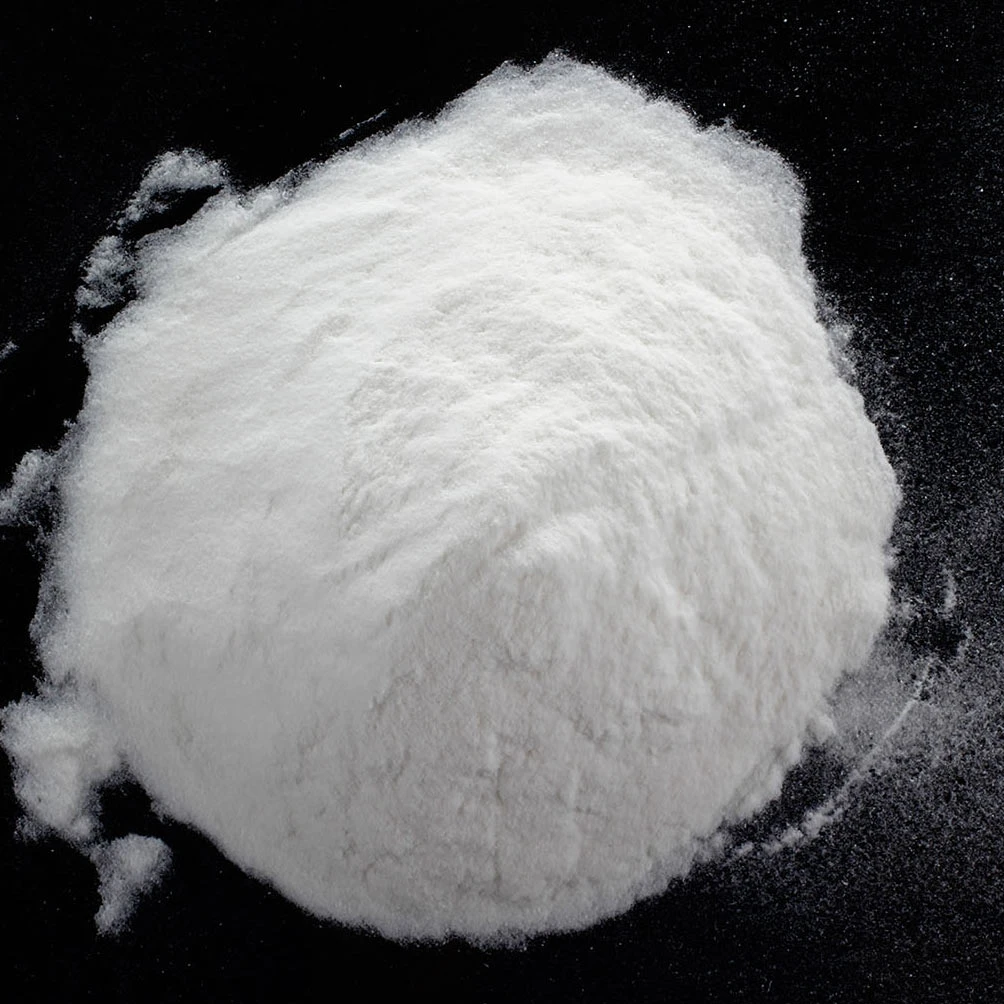
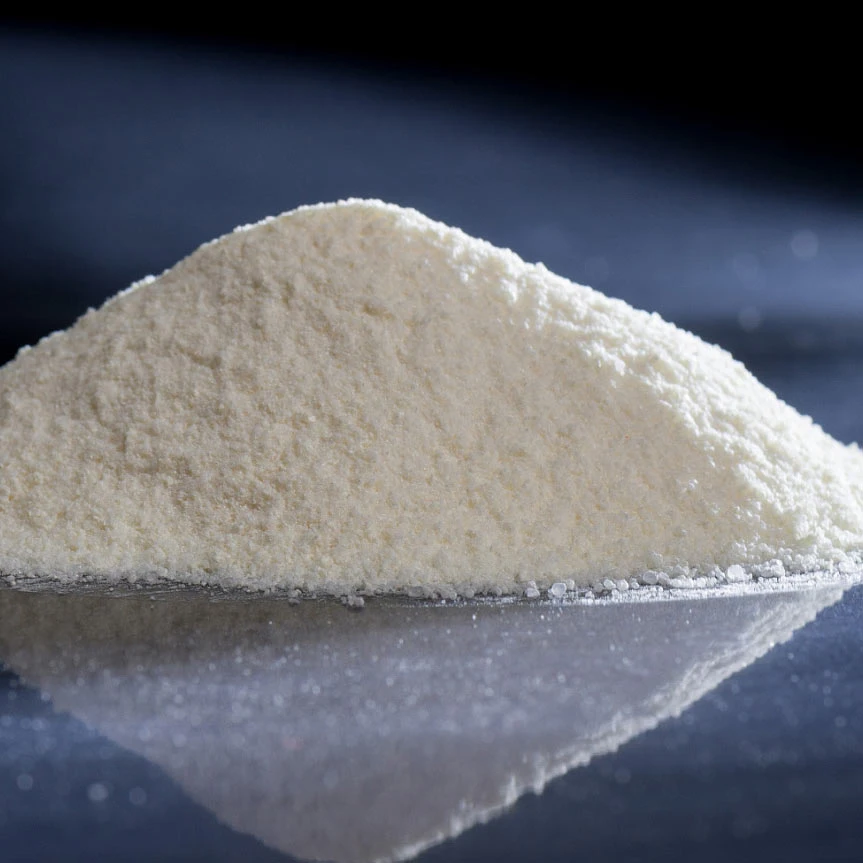
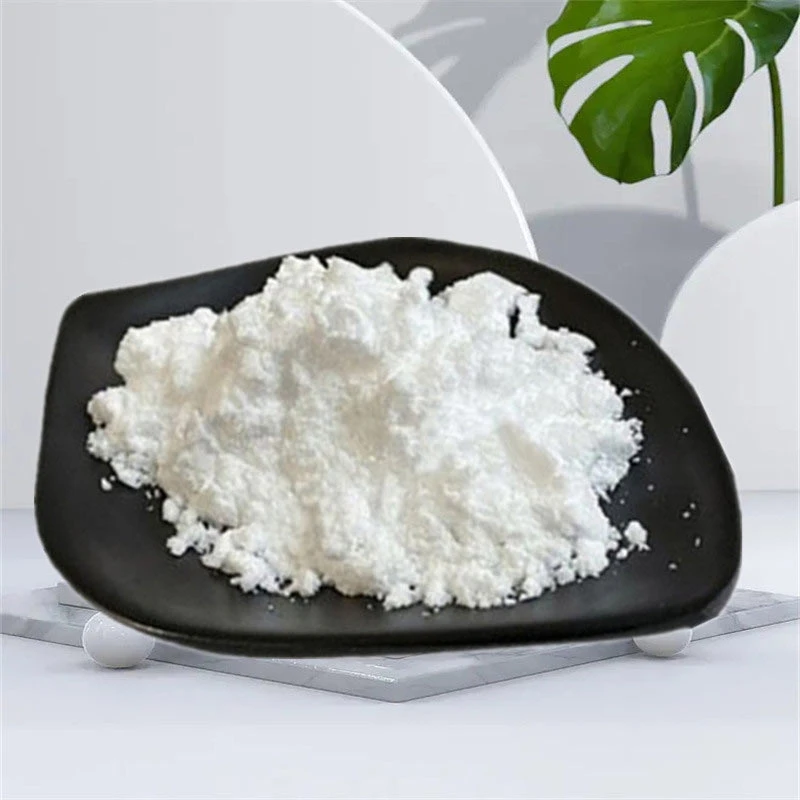
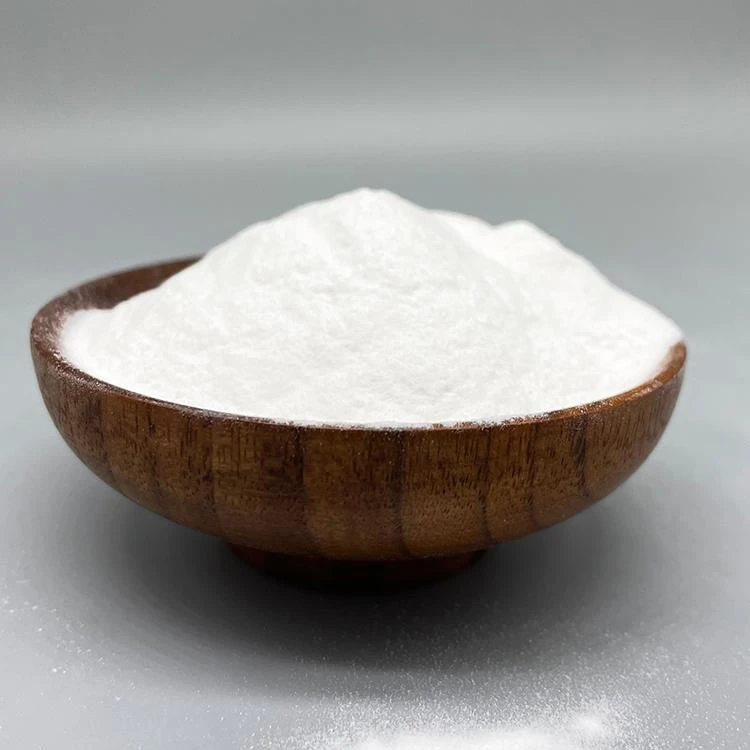
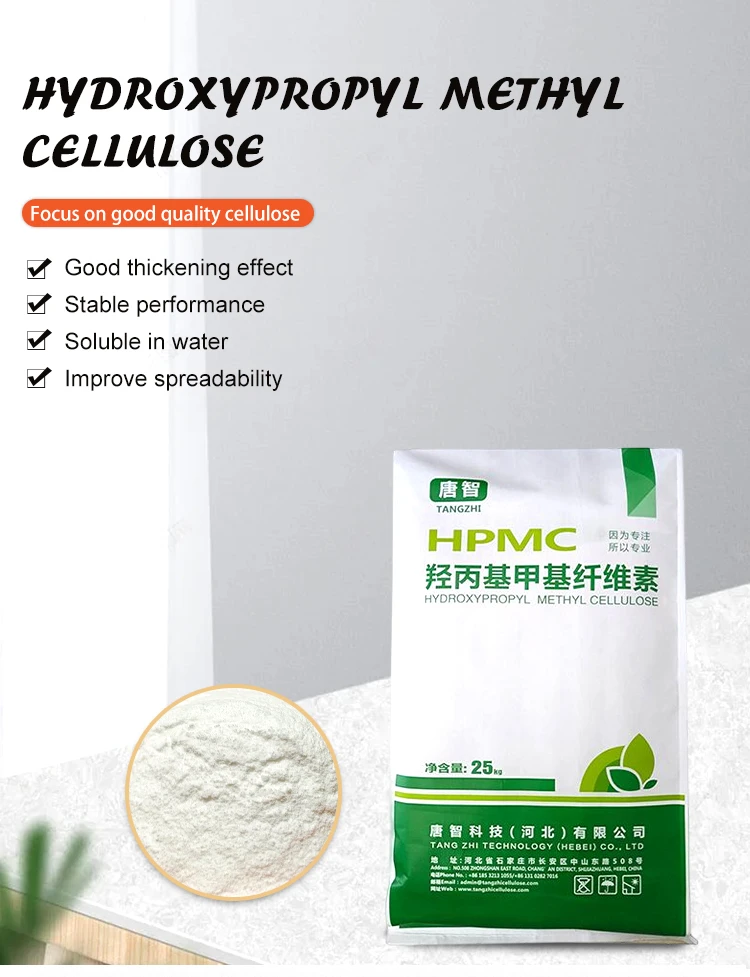
Now, you might stumble upon hypromellose hydroxypropyl methylcellulose when reviewing emulsifiers or thickening agents. It’s a modified cellulose derivative, widely appreciated for its water retention capabilities and binder properties. Frankly, the versatility of HPMC keeps it relevant in a landscape where companies are always chasing a product that can bridge efficiency, cost, and reliability.
In real terms, what makes HPMC stand out is its unique balance: it’s non-toxic, highly stable under varying temperatures, and resists degradation. You’ll find it in coatings that need to be smooth and even, or in cement and tile adhesives where controlled viscosity is paramount. Many engineers I’ve worked with insist it’s the “go-to” for tweaking flow properties without sacrificing strength.
Here's a quick look at a typical product specification for a standard grade of HPMC — it kind of sums up its signature qualities:
| Specification | Typical Value | Unit |
|---|---|---|
| Methoxy Content | 19.5 – 24.5 | % |
| Hydroxypropoxy Content | 4.0 – 12.0 | % |
| Viscosity (Brookfield, 2% solution) | 4000 – 100000 | mPa·s |
| pH (2% solution) | 5.0 – 8.0 | — |
| Bulk Density | 350 – 450 | kg/m³ |
As you can see, the variation in viscosity alone means you can pick a grade tailored specifically to the task. In fact, one of my former clients in tile adhesive manufacturing swore by a low- to mid-viscosity HPMC grade that allowed better workability without losing adhesion properties — that’s the kind of fine-tuning you don’t always get with generic polymers.
Of course, when sourcing HPMC, the vendor relationship is just as pivotal as product specs. I’ve been through the ring pulling suppliers from China to Europe and back, so I can share some neat insights grounded in firsthand experience. Here’s a vendor comparison I keep bookmarked:
| Vendor | Product Range | Quality Consistency | Lead Time | Price Competitiveness |
|---|---|---|---|---|
| Tangzhi Chemical | Wide (4000–100000 mPa·s) | High (ISO certified) | Reliable (2–3 weeks) | Very competitive |
| European Supplier A | Moderate (5000–50000 mPa·s) | Very High | Faster (1–2 weeks) | Premium price |
| North American Provider | Narrow (10,000–50,000 mPa·s) | Good | Variable | Moderate |
What really matters, especially with HPMC, is consistency batch to batch. You can’t afford surprises in viscosity or purity when you’re mixing concrete or blending pharmaceutical gels. That’s why my money’s often on vendors like Tangzhi Chemical — their ISO certification and transparent supply chain just make life easier.
I recall one project where a sudden batch shift from a different supplier nearly disrupted our production schedule. The adhesive was setting too fast on wet surfaces; long story short, switching to a reliable HPMC supplier saved the day. It’s those little real-world lessons that shape your perspective on what “quality” really means beyond just a spec sheet.
In conclusion, hypromellose hydroxypropyl methylcellulose is far from just a niche additive — it’s a cornerstone component whose properties influence everything from texture to shelf-life. If you’re evaluating this polymer for your process, beyond specs, I'd advise leaning into supplier credibility and custom grades for your exact application. Oddly enough, the right HPMC can feel like the unsung hero of your formula.
Takeaway: Never underestimate how a dependable HPMC supplier can streamline your entire production pipeline.
References:
1. Tangzhi Chemical Product Brochure and ISO Certifications
2. “Cellulose Ethers: Applications and Trends” – Industrial Polymers Journal, 2022
3. My personal experience consulting in industrial adhesives, 2014–2023
-
Exploring the Benefits of Hydroxyethyl Cellulose in Cosmetics FormulationsNewsJan.30,2026
-
Comprehensive Guide to Hydroxyethyl Cellulose Gel Properties and Industrial ApplicationsNewsJan.28,2026
-
Enhancing Hair Care Formulations with Hydroxyethyl Cellulose for HairNewsJan.27,2026
-
Exploring Hydrophobically Modified Hydroxyethyl Cellulose and Its Diverse ApplicationsNewsJan.27,2026
-
Understanding Hydroxyethyl Cellulose Structure: Benefits & Industry Insights | Tangzhi HPMCNewsJan.06,2026
-
Hydroxyethyl Cellulose Solubility in Water: Expert Insights & SpecsNewsJan.06,2026